TECHMTN Data on Trial
"Brilliant Exercise but I left with more questions than answers..."
Lagos, Nigeria6 MIN · MOTOLANI ALAKE SPORTSAre Africa's 2026 World Cup Teams Finally Built to Last?
With nine African teams at 2026, the continent's World Cup story is no longer about surviving; it's about whether distributed quality can become structural dominance.
SPORTSWAFCON 2026 Proved African Women's Football Is Ready. The Clubs Aren't.
Africa is producing elite women's footballers faster than it is building the domestic club structures needed to develop and retain them — a gap CAF must address structurally, not ceremonially.
2 MIN
SPORTSFrom Arsenal to Villa Park: How Rwanda Turned Football Shirts Into Foreign Policy
Rwanda's shirt sponsorship strategy is the most sophisticated African soft power play in global sport, but it raises hard questions about who the continent is building visibility for.
FINANCEHow African Family Fortunes Vanish in One Generation
Africa's wealth-building generation is saving at scale but dying intestate — fixing succession law adoption is the continent's highest-leverage financial inclusion intervention.
SPORTSThe Junta Trio Wants to Host AFCON 2032. That Should Trouble Everyone.
CAF's procedural silence on governance preconditions may permanently lower the bar for who can weaponise African football for political legitimacy.
CULTUREHow BBNaija Rewired Nigerian Television And Everything Around It
BBNaija didn't just entertain Nigeria — it rewrote the rules of who gets famous, how brands spend, and what audiences are quietly willing to reward.
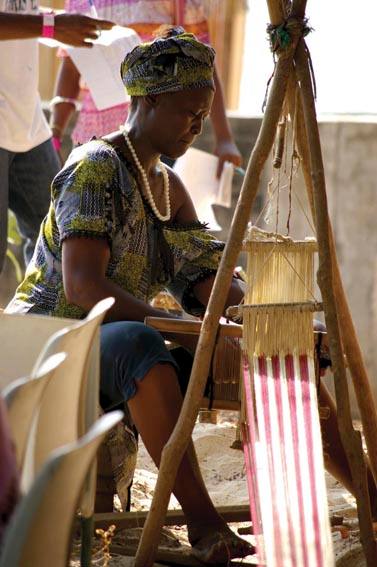
CULTURESierra Leone's Weavers Are Building Export Value. Who Gets to Keep It?
Sierra Leone's textile moment is a continental bellwether: Africa's creative economies face the same extractive architecture that gutted its commodity sectors.
FINANCETanzania Is Writing Africa's De-Dollarisation Playbook
If Tanzania's model spreads, African central banks could collectively redraw the continent's monetary risk profile reducing collective dollar exposure and creating intra African demand for formally mined gold.
SPORTSAtlas Lions vs Les Bleus: This Is Not Just a Football Match
Morocco vs France is the moment African football stops asking for recognition and starts demanding it, with a squad built to back the demand up.
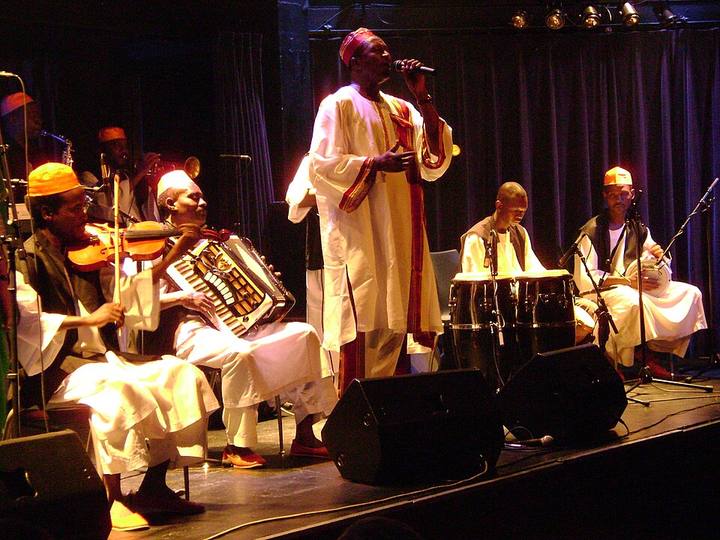
MUSICMusic Is Starving in Sudan: How the RSF Silenced a Generation of Artists
Sudan proves that music ecosystems are war casualties too — and the continent has no institutional architecture to protect them when conflict arrives.
HEALTHAfrica's Cervical Cancer Crisis Behind the Headlines
A continent gaining sovereignty over cutting-edge gene-drive governance is still failing to deliver a 2006 vaccine: that contradiction defines Africa's prevention paradox.
SPORTSNine Teams, Zero Finals: Africa's 2026 World Cup Was Historic and Still Not Enough
Africa's deepest World Cup proved individual quality is no longer the gap: the gap is structural, institutional, and will not close through tournament runs alone.
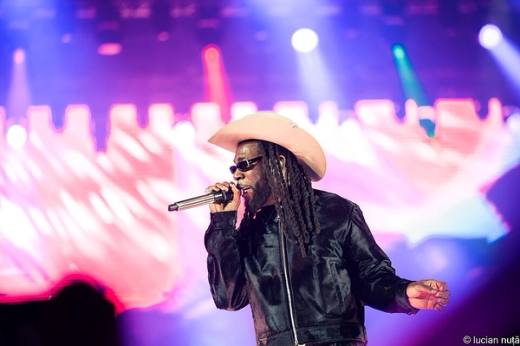
MUSICThe Double Tax: Why Every Stream Costs African Artists Twice
Music is now Africa's most visible export sector, but the royalty infrastructure taxing it in dollars and paying out in devalued currencies makes every hit a quiet capital outflow.
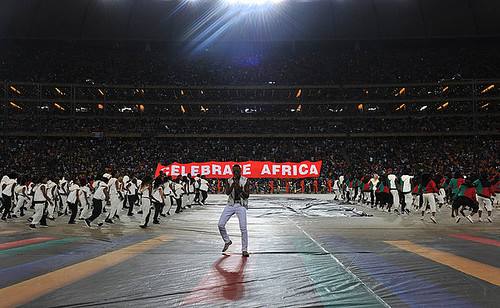
CULTUREDakar 2026 Is Africa's Olympic Moment
The first African Olympics demands continental co-ownership — in media, culture, and commerce — that has not yet materialized, making the silence as significant as the event itself.
FASHIONLagos Fashion Week's Green Push Is Either Africa's Best Bet or Its Greenest Greenwash
Africa's fashion economy has the craft and the capital story — the continent-wide traceability gap is the one structural problem that could cost it the upstream position entirely.
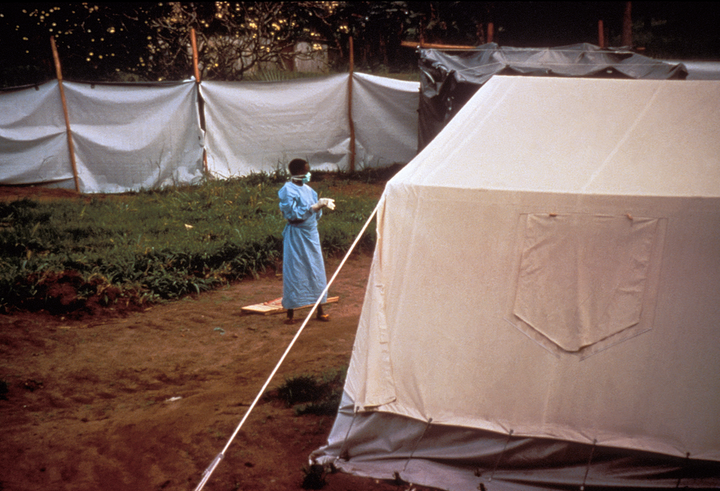
HEALTHUganda Held the Line on Ebola. Here's the Playbook Congo Needs Now
The Ebola gap between Uganda and DRC is institutional, not geographic — and closing it requires the continent to scale what it already knows works.
FASHIONAfrican Fashion's Infrastructure Revolution
African fashion's infrastructure revolution mirrors the continent's broader pattern of building parallel systems that bypass legacy gatekeepers rather than reforming them.
CULTUREThe Three African Cities Quietly Splitting Africa's Cultural Centre of Gravity
The continent's cultural centre of gravity is shifting from hype-driven to infrastructure-driven — and the cities building institutions are the ones that will own the next decade.
HEALTH$3.3B Funding Gap: When Donor Fatigue Meets Africa's Deadliest Disease
Malaria financing fragility is a continental sovereignty crisis: until African states legislate domestic health budget floors, every Global Fund cycle is an existential gamble for 1.2 billion people.
MUSICBlood, Beats & Betrayal: How Family Killed P-Square
A family IP war over P-Square's catalogue exposes the legal vacuum at the heart of African pop's golden era — and who really owns it.
MUSICWhere African Artists Earn, Lose, and Get Erased on Stream
Africa's music economy is large enough to anchor continent-wide soft power but fragile enough to be hollowed out by one unresolved conference agenda item on royalty splits.
POLITICSThe Lagos Cancellation Is Not About Tyla Really, Or Is It ?
Afrobeats' Lagos-centred soft power is now strong enough to reshape world tour economics — and that changes Pan-African cultural politics permanently.
FASHIONHow Ivorian Designers Rewrote the Rules of African Luxury Fashion
Ivorian fashion's international breakthrough is a continental case study in why local depth beats external validation — a lesson every Francophone creative economy needs right now.
HEALTHThe Ebola Pay Strike Is the Real Story, Not the Outbreak
A pay strike mid-outbreak exposes how the global health system extracts African frontline labour without protecting it: a structural failure with direct epidemic consequences.
CULTUREWhat South Africa's Emigration Wave Actually Costs the Continent
When South Africa expels the continent's labour and capital, the redistribution toward Accra, Nairobi or Lagos reshapes Pan-African economic geography for a generation.
RELIGIONHow African Megachurches Became Continental Media Empires
African megachurch media empires are the continent's most powerful unregulated information infrastructure: a governance gap with direct consequences for public health, political discourse, and media sovereignty.
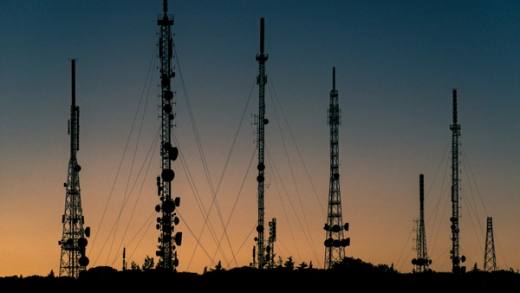
TECHRegulate, Retreat, Repeat: Who Really Controls Nigeria's Digital Economy ?
Nigeria's competition law pivot against Big Tech is the sharpest tool Africa has yet deployed but only if Abuja refuses the quiet deal that always ends these fights.
SPORTSThe Tournament That Will Define African Women's Football For a Generation
With World Cup spots and first-ever domestic leagues on the line simultaneously, WAFCON 2026 is the moment African women's football either builds permanent infrastructure or stays a quadrennial spectacle.
TECHThe Sovereignty Performance
From a president's pre-match speech to a debt-forgiveness ceremony, African states are staging sovereignty in public this week even as it erodes in private: on the ground, at the ballot box, and on the front lines.
HEALTHWho Gets to Tell the Story of Congo's Ebola Outbreak
Between a CDC projection of 20,000 cases and a protest outside a US quarantine facility in Kenya, the outbreak's real center of gravity is the Congolese health workers holding the line in between.
FINANCEAfrica's Quiet Fight to Own Its Own Numbers
From gold exports to streaming royalties, the continent's real economic story this week isn't growth; it's who gets to measure it.
Pan-African5 MIN · 30 JUN SPORTSAfrican Basketball's 2026 Season, by the Numbers: The BAL Effect
Kigali didn't win the BAL because Rwanda has the continent's most talented basketball players. It won because Rwanda has the most functional sports governance infrastructure. The data confirms what every coach in the league already knows: systems beat talent without systems. North African clubs dominate early rounds because they have gyms, training staff, and institutional continuity. The Kigali title is the first evidence that East African investment in those basics is closing the gap.
3 MIN · Strata Originals · 23 JUN
RELIGIONAfrica's Most Reliable Infrastructure
The Pentecostal megachurch in Lagos, the mosque compound in Kano, and the Catholic mission school in Kampala are not doing the same thing as their respective governments. They're doing it better. Faith institutions distribute services, mobilise populations, and maintain trust in contexts where the state has abdicated. That's not a spiritual argument; it's an operational one. It explains why every political campaign, insurgency, and public health intervention in sub-Saharan Africa eventually needs to negotiate with a pastor, an imam, or a bishop.
6 MIN · Strata Originals · 22 JUN
POLITICSChoreographed Consent: Africa's Democracy Season
Addis Ababa's 2026 election produced a winner before the votes were counted; Conakry's junta is scheduling transitions that never arrive; Abuja's ruling party is already running 2027 campaign infrastructure. The continent's democracy season has become a performance of democratic aesthetics that delivers the same outputs as actual democracy, international legitimacy, aid flows, investor ratings, without the substantive transfer of power. The tell is the timeline: when an election result surprises nobody, including the opposition, it was never an election.
5 MIN · Strata Originals · 22 JUN
TECHThe Continental Stack: Africa's Two Tech Stories
Lagos's fintech and Nairobi's payments layer are winning the ground game, solving credit deserts, enabling remittances, building mobile money on infrastructure the big banks never reached. Meanwhile, 6G spectrum auctions and EV battery supply chain decisions are being made in Beijing, Brussels, and Washington. The continental stack has a gap floor: Africa is simultaneously ahead in applied fintech and absent in the hardware layer that will determine who controls digital commerce in 2035. Most African governments haven't priced the cost of not owning it.
5 MIN · Strata Originals · 22 JUN
RELIGIONHow Religion Remains Africa's Double-Edged Lifeline
Mali's jihadist propaganda and Ghana's papal apologies are both evidence of the same structural fact: religious institutions in sub-Saharan Africa hold infrastructure leverage that no secular institution can match. The mosque or church that provides the school, the health clinic, and the emergency food store has a community relationship that operates faster and more durably than any government programme. That makes religious actors indispensable to public health campaigns, political mobilisation, and social cohesion, and simultaneously the most consequential site of conflict when their interests diverge from the state.
7 MIN · 13 JUN
FINANCEAfrica's Capital Markets Are Finally Growing Up
Lagos and Abidjan aren't speculative backwaters anymore. They're markets where credit rating upgrades and infrastructure bond tranches are beginning to displace the casino logic that defined them a decade ago. The structural shift isn't complete: retail speculation and governance gaps persist. But the institutional plumbing (rating agencies, pension capital, long-term infrastructure debt) is being installed. That changes the risk calculus for foreign capital, and eventually for African savings.
6 MIN · 13 JUN
CULTUREAfrica's Creative Class Is Building Institutional Power While Its People Suffer
The creative class building institutional power in Lagos, Nairobi, and Johannesburg is not the same population as the one working in the gig economy that feeds those institutions. This is not unique to Africa, creative industry consolidation has the same shape everywhere, but it matters more here because the justification for African creative leadership has always been that it speaks from and for the community. When the awards circuit, platform deals, and brand partnerships concentrate in a layer visibly disconnected from the neighbourhood it claims to represent, that justification starts to crack.
6 MIN · 13 JUN
TECHAfrica's Digital Sovereignty Moment: Why the Continent Must Chart Its Own Tech Future
Rwanda's migration deal fallout and Nigeria's healthtech boom represent the same underlying pattern: African governments discover, late, that infrastructure built on Western frameworks comes with exit costs they didn't price in. The countries getting this right (Ethiopia's Safaricom-led model, Kenya's data sovereignty legislation) are treating technology decisions as geopolitical decisions, not procurement ones. That distinction will determine which capitals retain agency over their own digital layer by 2030.
5 MIN · 9 JUN