--:--LAGOS
CultureMusicFilmTechSportsPoliticsHealthFinanceReligionFashion
culture★ STRATA-AF™ ORIGINAL
Sierra Leone's Weavers Are Building Export Value. Who Gets to Keep It?

Krio cloth and country weaves are entering global fashion circuits, but without IP frameworks and formalised supply chains, Sierra Leone risks feeding a value chain it will never own repeating the extractive pattern that hollowed out the continent's commodity economies.
Pan-African2 MIN
LISTEN TO STRATA-AF™ NOTE
Share
Sierra Leone's Weavers Are Building Export Value. Who Gets to Keep It?
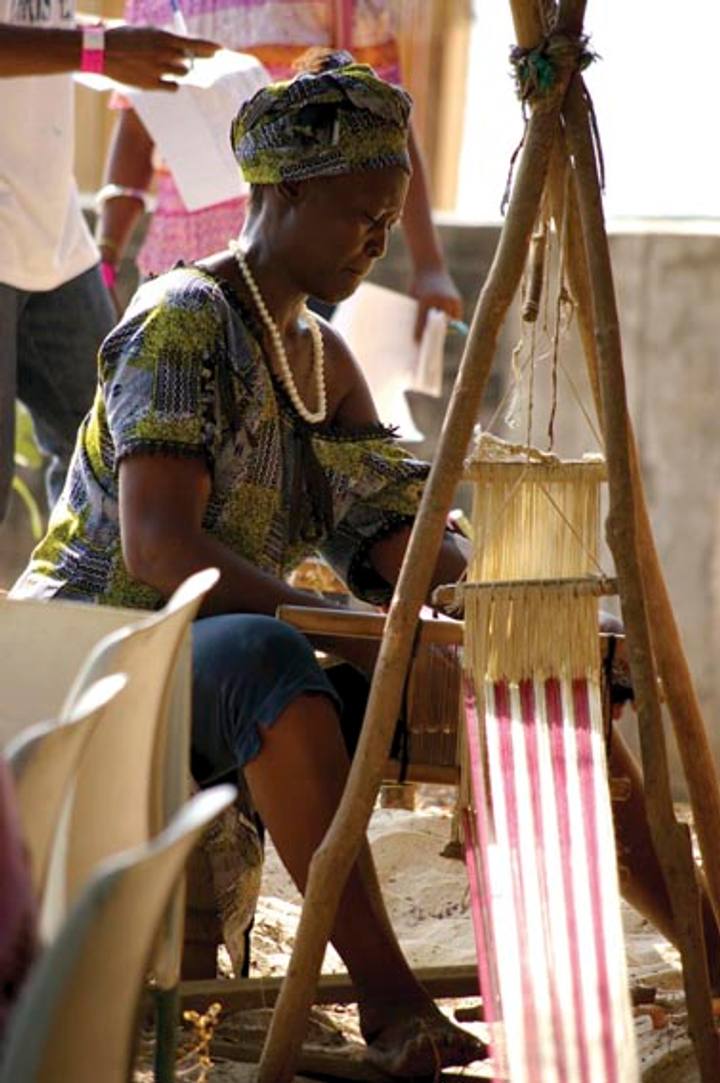
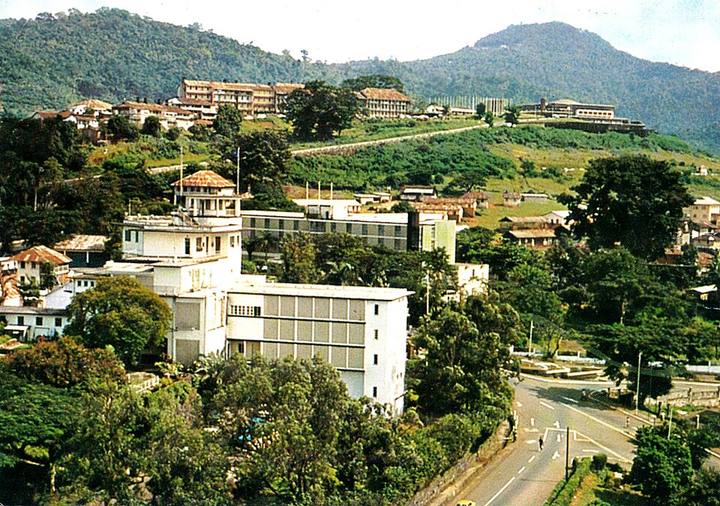
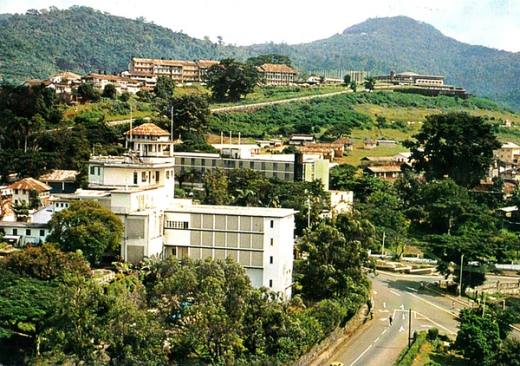
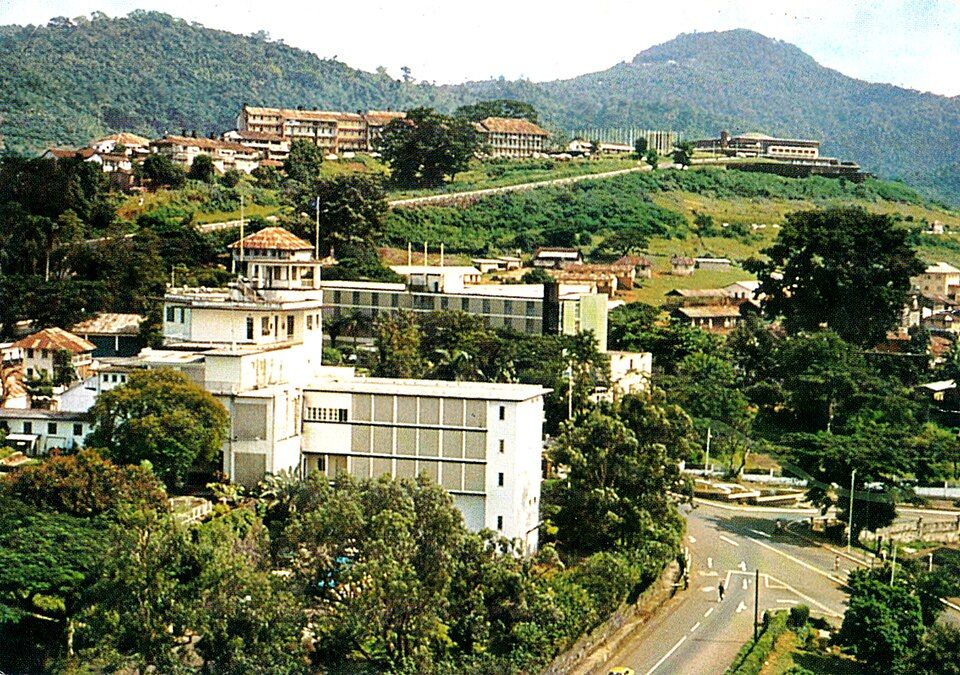
IMAGE · SIERRA LEONE NATIONAL TOURISM BOARD · CC BY-SA 4.0 · Wikimedia Commons

There is a moment in every African economic story where the promising thing happens, and then a second moment quieter, less photographed, where the value of that promising thing leaves the continent. Sierra Leone is at the first moment right now and the question is whether it can design its way out of the second.

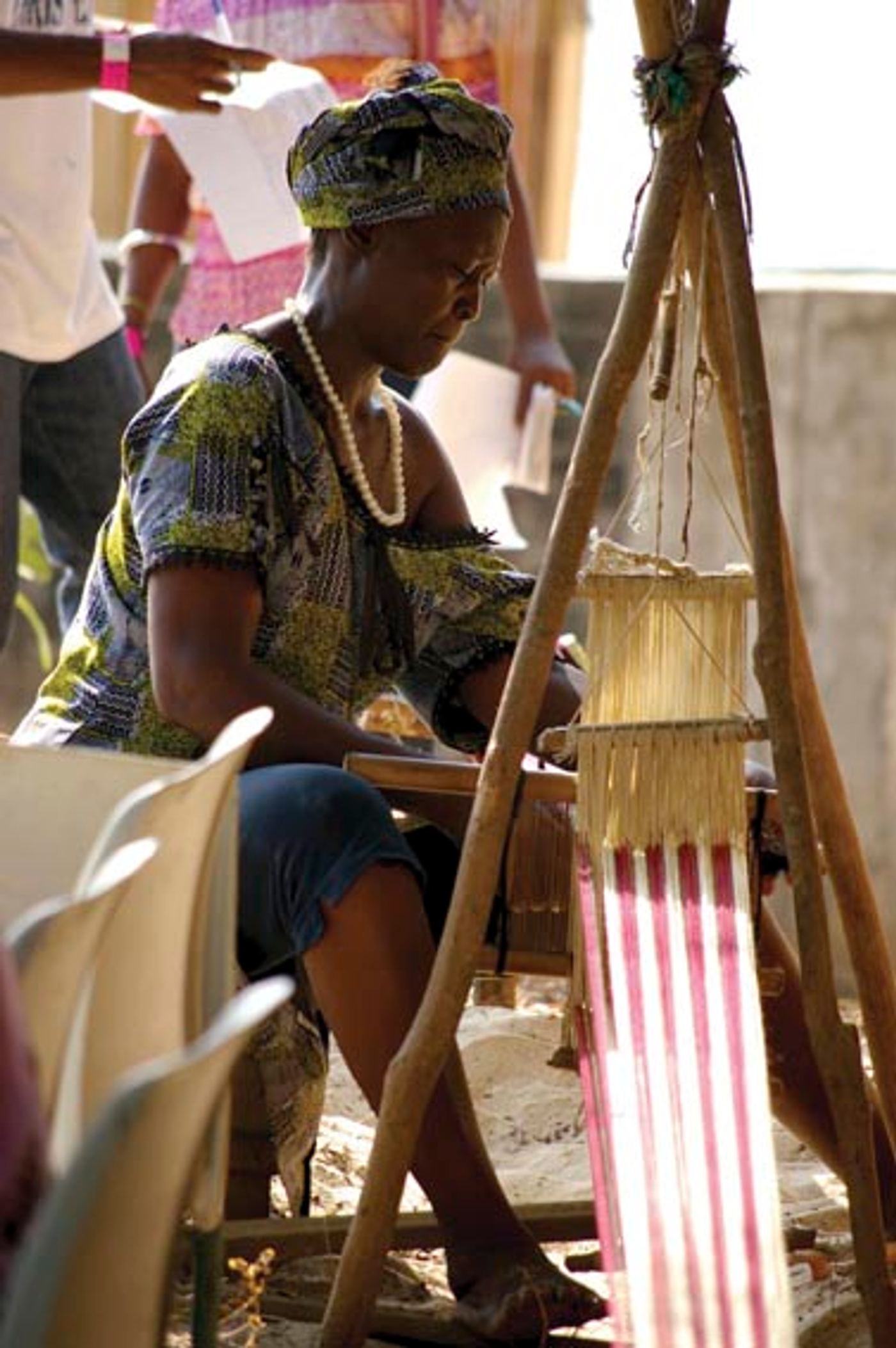
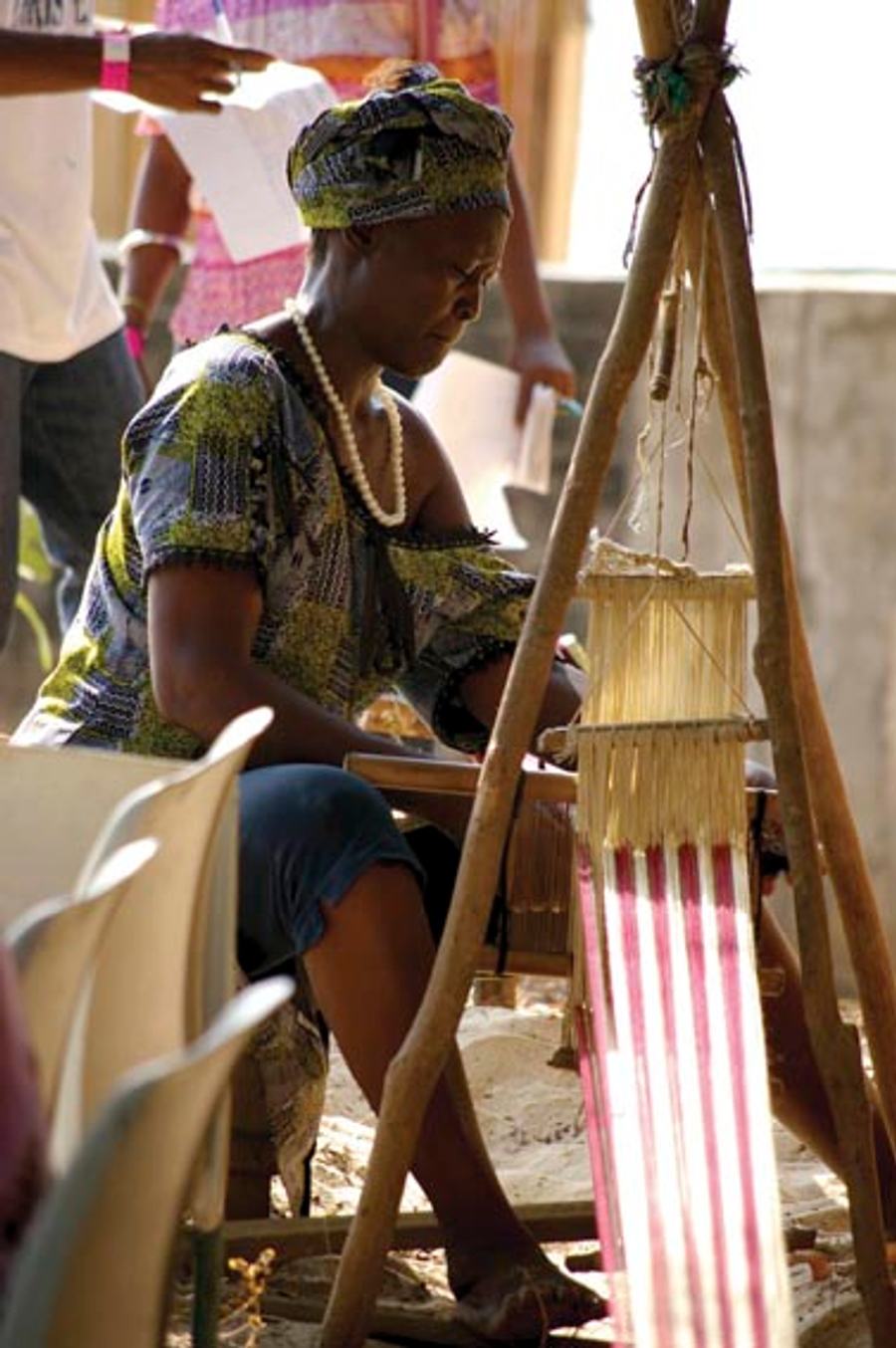
Across Freetown's ateliers and market workshops, fashion designers are doing something that looks deceptively simple: taking krio cloth and country weaves, fabrics that have encoded social meaning, ceremony, and identity for generations and converting them into export ready product lines [1].

This is not a niche craft story, it is a test case for whether African economies can move from supplying raw cultural material to commanding finished cultural value, the same argument South Africa's sharpest economic critics are now making about rocks and minerals [3]. The logic is identical whether you are talking about coltan, kente, or country weave: if you do not control the intellectual property, the branding and the distribution infrastructure, you are a supplier to someone else's margin.

The South African parallel is instructive precisely because it is so brutal. Analysts have spent years documenting how commodity export dependency traps an economy downstream — commodity rents fund consumption, not capability and the country remains perpetually peripheral to the value chains it feeds [3]. Sierra Leone's artisan sector has not yet fallen into that trap, but the architecture of extraction is already visible. International fashion brands have a well documented pattern: they source inspiration and sometimes material from African craft traditions, apply European IP registration and branding and retail the product at a markup that the originating community never sees. The weavers in Freetown's informal workshops are not naive about this. The question is whether the policy infrastructure exists to protect them.

It largely does not. Sierra Leone has no functioning geographical indication framework for its textiles — the legal instrument that, for example, allows Champagne producers in France to prevent anyone else from using that name, or that protects Darjeeling tea at source, Country weave could, in principle, carry the same protection. The technique, the dye knowledge, the specific regional variations — all of this is documentable, registrable and defensible under international trade law but registration requires institutional will, technical capacity and a government that has decided this matters enough to fund it [1]. That decision has not been made.

STRATA-AF™

Keep reading this Original

Sign in or sign up to finish this story, get your personalised feed, and unlock every Strata-AF™ Original.

SIGN IN / SIGN UP
READ NEXT
The Sovereignty Trap: Why Africa's Cultural Ascendance Masks a Deeper Crisis of Agency
CULTURESTRATA-AF™ ORIGINAL
The Sovereignty Trap: Why Africa's Cultural Ascendance Masks a Deeper Crisis of Agency
6 MINREAD →
The Three African Cities Quietly Splitting Africa's Cultural Centre of Gravity
CULTURESTRATA-AF™ ORIGINAL
The Three African Cities Quietly Splitting Africa's Cultural Centre of Gravity
Pan-African2 MINREAD →
--:--LAGOS
STRATA-AF™
ISSUE 001FEED◎ SEARCHSUBSCRIBE
/shows/data/docs
culture★ STRATA-AF™ ORIGINAL
Sierra Leone's Weavers Are Building Export Value. Who Gets to Keep It?
IMAGE · SIERRA LEONE NATIONAL TOURISM BOARD · CC BY-SA 4.0 · Wikimedia Commons
Sierra Leone's Weavers Are Building Export Value. Who Gets to Keep It?

Krio cloth and country weaves are entering global fashion circuits, but without IP frameworks and formalised supply chains, Sierra Leone risks feeding a value chain it will never own repeating the extractive pattern that hollowed out the continent's commodity economies.

Pan-African2 MIN READ
LISTEN TO STRATA-AF™ NOTE
Share

There is a moment in every African economic story where the promising thing happens, and then a second moment quieter, less photographed, where the value of that promising thing leaves the continent. Sierra Leone is at the first moment right now and the question is whether it can design its way out of the second.

Across Freetown's ateliers and market workshops, fashion designers are doing something that looks deceptively simple: taking krio cloth and country weaves, fabrics that have encoded social meaning, ceremony, and identity for generations and converting them into export ready product lines [1].

This is not a niche craft story, it is a test case for whether African economies can move from supplying raw cultural material to commanding finished cultural value, the same argument South Africa's sharpest economic critics are now making about rocks and minerals [3]. The logic is identical whether you are talking about coltan, kente, or country weave: if you do not control the intellectual property, the branding and the distribution infrastructure, you are a supplier to someone else's margin.

The South African parallel is instructive precisely because it is so brutal. Analysts have spent years documenting how commodity export dependency traps an economy downstream — commodity rents fund consumption, not capability and the country remains perpetually peripheral to the value chains it feeds [3]. Sierra Leone's artisan sector has not yet fallen into that trap, but the architecture of extraction is already visible. International fashion brands have a well documented pattern: they source inspiration and sometimes material from African craft traditions, apply European IP registration and branding and retail the product at a markup that the originating community never sees. The weavers in Freetown's informal workshops are not naive about this. The question is whether the policy infrastructure exists to protect them.

It largely does not. Sierra Leone has no functioning geographical indication framework for its textiles — the legal instrument that, for example, allows Champagne producers in France to prevent anyone else from using that name, or that protects Darjeeling tea at source, Country weave could, in principle, carry the same protection. The technique, the dye knowledge, the specific regional variations — all of this is documentable, registrable and defensible under international trade law but registration requires institutional will, technical capacity and a government that has decided this matters enough to fund it [1]. That decision has not been made.

STRATA-AF™

Keep reading this Original

Sign in or sign up to finish this story, get your personalised feed, and unlock every Strata-AF™ Original.

SIGN IN / SIGN UP
VERTICAL
culture
ORIGIN
Pan-African
READ NEXT2 PIECES SELECTED BY OUR EDITORS
CULTURE
The Sovereignty Trap: Why Africa's Cultural Ascendance Masks a Deeper Crisis of Agency
From Davido's activism to Nairobi's protests, Lagos, Dakar, and Kigali's rising cultural reach is being undermined by continued dependence on external platforms, validation, and infrastructure.
6 MINREAD →
CULTURE
The Three African Cities Quietly Splitting Africa's Cultural Centre of Gravity
Lagos still gets the headlines, but the continent's real cultural infrastructure is being laid elsewhere — in summits, design schools, and financial frameworks that nobody's calling a movement yet.
Pan-African2 MINREAD →
CULTURE · MUSIC · FILM · TECH · SPORT · POLITICS · HEALTH · FINANCE · RELIGION · FASHION · LAGOS · NAIROBI · JOBURG · ACCRA · DATA JOURNALISM · ORIGINAL REPORTING · THE ACTUAL VERSION ·CULTURE · MUSIC · FILM · TECH · SPORT · POLITICS · HEALTH · FINANCE · RELIGION · FASHION · LAGOS · NAIROBI · JOBURG · ACCRA · DATA JOURNALISM · ORIGINAL REPORTING · THE ACTUAL VERSION ·
Premium editorial for a continent that's done waiting to be covered.

Not the export-market version. Not the diaspora version. The actual version — written by the people who live there.

Verticals
CultureMusicFilmTechSportsPolitics
HUBS
Strata-AF OriginalsDataDocsNewsletterArchiveShows
Company
AboutMissionManifestoLegal
REACH
10VERTICALS
6CONTENT TYPES
5CITIES
1STANDARD
© 2026 STRATA-AF™ · STRATA PUBLISHING CO LTD · LAGOS · JOBURG · NAIROBI · ACCRAPRIVACYTERMSCORRECTIONSMASTHEAD
 
 
--:--LAGOS
CultureMusicFilmTechSportsPoliticsHealthFinanceReligionFashion
Highlights
Strata-AF
Editor's Pick
From the web
CULTUREFROM THE WEB★ EDITOR'S PICK
Sierra Leone's Weavers Are Building Export Value. Who Gets to Keep It?
Krio cloth and country weaves are entering global fashion circuits, but without IP frameworks and formalised supply chains, Sierra Leone risks feeding a value chain it will never own repeating the extractive pattern that hollowed out the continent's commodity economies.
Pan-African2 MINREAD →
SPORTSFROM THE WEB★ EDITOR'S PICK
The Tournament That Will Define African Women's Football For a Generation
Morocco hosts a rescheduled, World Cup qualifying WAFCON 2026 at a moment when Angola is building its first women's league and squad depth across the continent is finally real...
Pan-African2 MINREAD →
SPORTSFROM THE WEB★ EDITOR'S PICK
The Junta Trio Wants to Host AFCON 2032. That Should Trouble Everyone.
Burkina Faso, Mali and Niger's joint bid isn't a football story but rather a legitimacy acquisition strategy by three military governments, and CAF's procedural silence is complicity by another name.
Pan-African2 MINREAD →
FINANCEFROM THE WEBSTRATA-AF™ ORIGINAL
How African Family Fortunes Vanish in One Generation
Without wills, trusts, or succession plans, African family wealth is systematically dissolved within a decade of a founder's death. High savings rates are masking a structural inheritance failure that no accelerator programme can fix.
Pan-AfricanREAD →
HEALTHFROM THE WEBSTRATA-AF™ ORIGINAL
$3.3B Funding Gap: When Donor Fatigue Meets Africa's Deadliest Disease
Malaria kills a child every two minutes yet the financing architecture keeping programmes alive is cracking. US aid contraction plus Global Fund pressure signals a cliff edge that public health messaging is not admitting publicly.
Pan-African2 MINREAD →
CULTUREFROM THE WEB★ EDITOR'S PICK
The Three African Cities Quietly Splitting Africa's Cultural Centre of Gravity
Lagos still gets the headlines, but the continent's real cultural infrastructure is being laid elsewhere — in summits, design schools, and financial frameworks that nobody's calling a movement yet.
Pan-African2 MINREAD →
FASHIONFROM THE WEB
African Designer Imane Ayissi Redefines Luxury On Paris Haute Couture Stage
Imane Ayissi's continued sole presence on the Paris haute couture calendar is less a triumph than an indictment African luxury craft remains a curiosity rather than a category, applauded yet structurally isolated from the industry's real capital flows.
CM1 MIN · AllAfrica Arts · 20 JUL
TECHFROM THE WEB★ EDITOR'S PICK
Uber to Acquire Glovo Across 50 Markets, Including Kenya, in Sh1.95tn Deal
Uber's $15 bn swallow of Delivery Hero's Glovo network is less a food delivery story than a logistics landgrab — whoever owns last mile infrastructure in Nairobi today owns the supply chain of East Africa tomorrow.
Kenya1 MIN · AllAfrica Latest · 18 JULREAD →
SPORTSFROM THE WEB★ EDITOR'S PICK
From Arsenal to Villa Park: How Rwanda Turned Football Shirts Into Foreign Policy
Visit Rwanda's sponsorship deals with Europe's biggest clubs aren't marketing buys, they're a calculated infrastructure play, converting broadcast minutes into tourist arrivals and geopolitical credibility...
Pan-African2 MINREAD →
FASHIONFROM THE WEB★ EDITOR'S PICK
African Fashion's Infrastructure Revolution
African designers didn't wait for a cover: they built storefronts, supply chains, and diaspora distribution networks. The gatekeepers missed the construction.
Pan-African2 MINREAD →
See all stories

The actual version — written by the people who live there.

10VERTICALS
6TYPES
5CITIES
1STANDARD
AboutMissionManifestoLegalOriginalsSubscribeArchiveShowsContributorsJobs
© 2026 STRATA-AF™ · STRATA PUBLISHING CO LTD · LAGOS · NAIROBI · JOBURG · ACCRA
 
 
--:--LAGOS
CultureMusicFilmTechSportsPoliticsHealthFinanceReligionFashion
culture★ STRATA-AF™ ORIGINAL
Sierra Leone's Weavers Are Building Export Value. Who Gets to Keep It?

Krio cloth and country weaves are entering global fashion circuits, but without IP frameworks and formalised supply chains, Sierra Leone risks feeding a value chain it will never own repeating the extractive pattern that hollowed out the continent's commodity economies.

Pan-African2 MIN
LISTEN TO STRATA-AF™ NOTE
Share
Sierra Leone's Weavers Are Building Export Value. Who Gets to Keep It?

There is a moment in every African economic story where the promising thing happens, and then a second moment quieter, less photographed, where the value of that promising thing leaves the continent. Sierra Leone is at the first moment right now and the question is whether it can design its way out of the second.

Across Freetown's ateliers and market workshops, fashion designers are doing something that looks deceptively simple: taking krio cloth and country weaves, fabrics that have encoded social meaning, ceremony, and identity for generations and converting them into export ready product lines [1].

This is not a niche craft story, it is a test case for whether African economies can move from supplying raw cultural material to commanding finished cultural value, the same argument South Africa's sharpest economic critics are now making about rocks and minerals [3]. The logic is identical whether you are talking about coltan, kente, or country weave: if you do not control the intellectual property, the branding and the distribution infrastructure, you are a supplier to someone else's margin.

The South African parallel is instructive precisely because it is so brutal. Analysts have spent years documenting how commodity export dependency traps an economy downstream — commodity rents fund consumption, not capability and the country remains perpetually peripheral to the value chains it feeds [3]. Sierra Leone's artisan sector has not yet fallen into that trap, but the architecture of extraction is already visible. International fashion brands have a well documented pattern: they source inspiration and sometimes material from African craft traditions, apply European IP registration and branding and retail the product at a markup that the originating community never sees. The weavers in Freetown's informal workshops are not naive about this. The question is whether the policy infrastructure exists to protect them.

It largely does not. Sierra Leone has no functioning geographical indication framework for its textiles — the legal instrument that, for example, allows Champagne producers in France to prevent anyone else from using that name, or that protects Darjeeling tea at source, Country weave could, in principle, carry the same protection. The technique, the dye knowledge, the specific regional variations — all of this is documentable, registrable and defensible under international trade law but registration requires institutional will, technical capacity and a government that has decided this matters enough to fund it [1]. That decision has not been made.

STRATA-AF™

Keep reading this Original

Sign in or sign up to finish this story, get your personalised feed, and unlock every Strata-AF™ Original.

SIGN IN / SIGN UP
READ NEXT
--:--LAGOS
/shows/data/docs
culture★ STRATA-AF™ ORIGINAL
Sierra Leone's Weavers Are Building Export Value. Who Gets to Keep It?
IMAGE · SIERRA LEONE NATIONAL TOURISM BOARD · CC BY-SA 4.0 · Wikimedia Commons
Sierra Leone's Weavers Are Building Export Value. Who Gets to Keep It?

Krio cloth and country weaves are entering global fashion circuits, but without IP frameworks and formalised supply chains, Sierra Leone risks feeding a value chain it will never own repeating the extractive pattern that hollowed out the continent's commodity economies.

Pan-African2 MIN READ
LISTEN TO STRATA-AF™ NOTE
Share

There is a moment in every African economic story where the promising thing happens, and then a second moment quieter, less photographed, where the value of that promising thing leaves the continent. Sierra Leone is at the first moment right now and the question is whether it can design its way out of the second.

Across Freetown's ateliers and market workshops, fashion designers are doing something that looks deceptively simple: taking krio cloth and country weaves, fabrics that have encoded social meaning, ceremony, and identity for generations and converting them into export ready product lines [1].

This is not a niche craft story, it is a test case for whether African economies can move from supplying raw cultural material to commanding finished cultural value, the same argument South Africa's sharpest economic critics are now making about rocks and minerals [3]. The logic is identical whether you are talking about coltan, kente, or country weave: if you do not control the intellectual property, the branding and the distribution infrastructure, you are a supplier to someone else's margin.

The South African parallel is instructive precisely because it is so brutal. Analysts have spent years documenting how commodity export dependency traps an economy downstream — commodity rents fund consumption, not capability and the country remains perpetually peripheral to the value chains it feeds [3]. Sierra Leone's artisan sector has not yet fallen into that trap, but the architecture of extraction is already visible. International fashion brands have a well documented pattern: they source inspiration and sometimes material from African craft traditions, apply European IP registration and branding and retail the product at a markup that the originating community never sees. The weavers in Freetown's informal workshops are not naive about this. The question is whether the policy infrastructure exists to protect them.

It largely does not. Sierra Leone has no functioning geographical indication framework for its textiles — the legal instrument that, for example, allows Champagne producers in France to prevent anyone else from using that name, or that protects Darjeeling tea at source, Country weave could, in principle, carry the same protection. The technique, the dye knowledge, the specific regional variations — all of this is documentable, registrable and defensible under international trade law but registration requires institutional will, technical capacity and a government that has decided this matters enough to fund it [1]. That decision has not been made.

STRATA-AF™

Keep reading this Original

Sign in or sign up to finish this story, get your personalised feed, and unlock every Strata-AF™ Original.

SIGN IN / SIGN UP
VERTICAL
culture
ORIGIN
Pan-African
READ NEXT2 PIECES SELECTED BY OUR EDITORS
CULTURE · MUSIC · FILM · TECH · SPORT · POLITICS · HEALTH · FINANCE · RELIGION · FASHION · LAGOS · NAIROBI · JOBURG · ACCRA · DATA JOURNALISM · ORIGINAL REPORTING · THE ACTUAL VERSION ·CULTURE · MUSIC · FILM · TECH · SPORT · POLITICS · HEALTH · FINANCE · RELIGION · FASHION · LAGOS · NAIROBI · JOBURG · ACCRA · DATA JOURNALISM · ORIGINAL REPORTING · THE ACTUAL VERSION ·
Premium editorial for a continent that's done waiting to be covered.

Not the export-market version. Not the diaspora version. The actual version — written by the people who live there.

Verticals
CultureMusicFilmTechSportsPolitics
HUBS
Strata-AF OriginalsDataDocsNewsletterArchiveShows
Company
AboutMissionManifestoLegal
REACH
10VERTICALS
6CONTENT TYPES
5CITIES
1STANDARD
© 2026 STRATA-AF™ · STRATA PUBLISHING CO LTD · LAGOS · JOBURG · NAIROBI · ACCRAPRIVACYTERMSCORRECTIONSMASTHEAD