Burkina Faso, Mali and Niger's joint bid isn't a football story but rather a legitimacy acquisition strategy by three military governments, and CAF's procedural silence is complicity by another name.
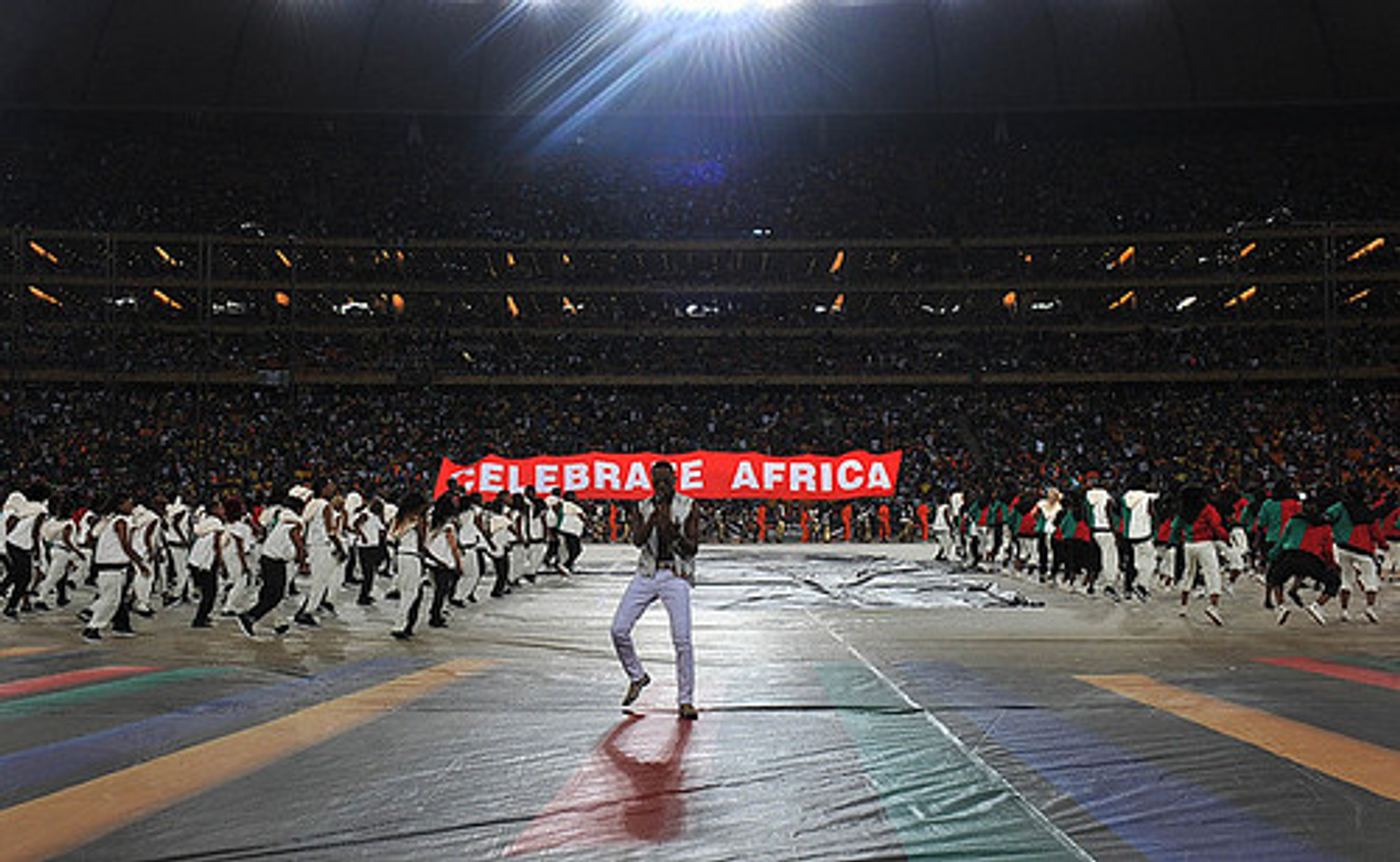
Here is the thread nobody in the official football press wants to pull: three countries governed by military juntas, all suspended from ECOWAS, all having expelled French forces and Western diplomatic missions, have submitted a joint bid to host the Africa Cup of Nations in 2032 [2][3]. The Alliance des États du Sahel and the AES bloc is not asking to host a football tournament, it is asking continental football's governing body to launder its political standing on the biggest African sporting stage available and CAF, as of now, has said almost nothing about whether governance is even a precondition for candidacy.
Let's be precise about what the AES is. Burkina Faso, Mali and Niger are each governed by military officers who came to power through coups — 2021 in Mali, 2022 in Burkina Faso, 2023 in Niger [3]. All three have been sanctioned and suspended by ECOWAS and all three have formally withdrawn from ECOWAS entirely, forming a parallel bloc.
Their domestic press freedoms have been curtailed, opposition figures detained and civil society organisations shuttered. This is the consortium asking to welcome African nations and their travelling supporters to their cities for a month long festival of continental pride.
The soft power logic is not subtle. When Brazil hosted the 2014 World Cup and Qatar hosted 2022, the most discussed subtext was sportswashing using a marquee event to reframe a country's global image [3]. The AES bid is that calculus applied to intra African politics, with the added dimension that it targets a specific audience: CAF member associations, African Union corridors, and the ordinary African football fan who might, watching the opening ceremony, separate the tournament from the governments staging it. Legitimacy, in the AES reading, is contagious– you host AFCON, you are a normal state again [2][3].
CAF's expansion to 28 teams for AFCON 2027, announced simultaneously this week, is its own political signal [4]. More teams means more federations feel included, more member associations owe CAF goodwill, and more votes are available to whoever controls the continental football agenda. The political economy of expanded tournaments is well understood: inclusion breeds dependency but it also raises logistical thresholds. A 28 team AFCON requires infrastructure, stadia, transport links, medical facilities, security architecture at a scale that even established middle income African economies have strained to deliver [4]. The AES trio, in a context of active Sahel insurgencies, international sanctions squeezing fiscal space, and infrastructure deficits that predate the coups, is proposing to clear that bar jointly. The joint hosting model is the concession to realism. It is also, diplomatically, a force multiplier: three countries bidding together normalises the AES bloc as a functioning institutional actor.
Keep reading this Original
Sign in or sign up to finish this story, get your personalised feed, and unlock every Strata-AF™ Original.
SIGN IN / SIGN UP