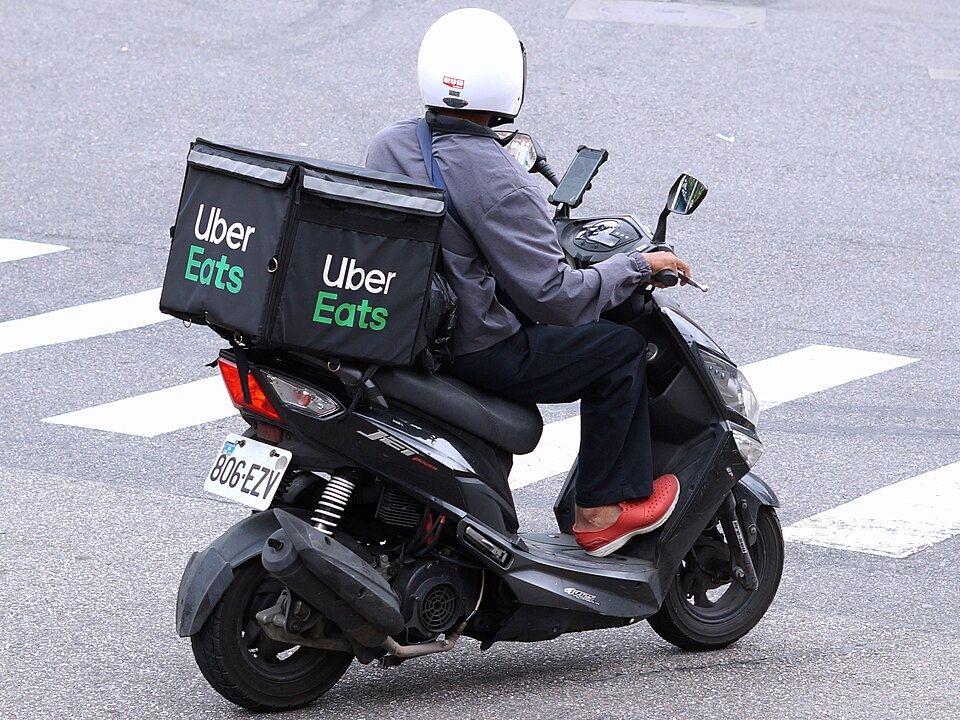
Uber's $15 bn swallow of Delivery Hero's Glovo network is less a food delivery story than a logistics landgrab — whoever owns last mile infrastructure in Nairobi today owns the supply chain of East Africa tomorrow.
Nairobi is the market to watch first: Kenya's Competition Authority has a track record of scrutinising tech-sector mergers for dominance, and this deal hands Uber both ride-hailing and delivery rails in a city where regulators have shown willingness to act. If it clears there without meaningful conditions, that outcome becomes the template every other African competition regulator measures itself against, for better or worse.
Uber has agreed to acquire Delivery Hero's Glovo operations across roughly 50 markets, including Kenya, in a deal valued at approximately Sh1.95 trillion ($15 billion). The transaction hands Uber control of Glovo's rider networks, merchant relationships and dark-store footprint in one of Africa's most contested quick commerce arenas, consolidating what had been a fragmented competitive field in Nairobi and potentially other Glovo active African cities.
For the continent, the deal signals that global platforms now regard African urban logistics as trophy assets rather than frontier experiments. Glovo had spent years subsidising growth in Kenya, Nigeria and Côte d'Ivoire to build density; Uber inherits that sunk-cost infrastructure and can layer ride-hailing demand data onto delivery routing, creating network effects no purely local player can easily replicate. That integration threat will reverberate from Lagos to Accra, wherever last mile delivery remains a venture backed battleground.
Watch whether Kenya's Competition Authority scrutinises the merger for market dominance given Uber Eats already operates locally, and track how surviving rivals; Jumia Food's ghost and newer entrants respond.
The gig worker question is equally live: Glovo's riders in Kenya have long agitated over classification and pay, and Uber's ownership may either professionalise terms or further entrench the precarious contractor model regulators across Africa are only beginning to legislate.
READ THE SOURCE REPORT FROM ALLAFRICA LATEST →Enjoying Strata-AF™?
Sign in or sign up for a personalised feed and unlock Strata-AF™ Originals.