--:--LAGOS
CultureMusicFilmTechSportsPoliticsHealthFinanceReligionFashion
health
African countries chart path for safe use of emerging genetic technologies in disease control

African health ministries are moving from bystander to rule setter on gene drives and GMO vectors, negotiating biosafety frameworks before Northern donors deploy the tools rather than after.
Pan-African1 MIN · 13 JULY 2026
From the web · WHO Africa
African countries chart path for safe use of emerging genetic technologies in disease control
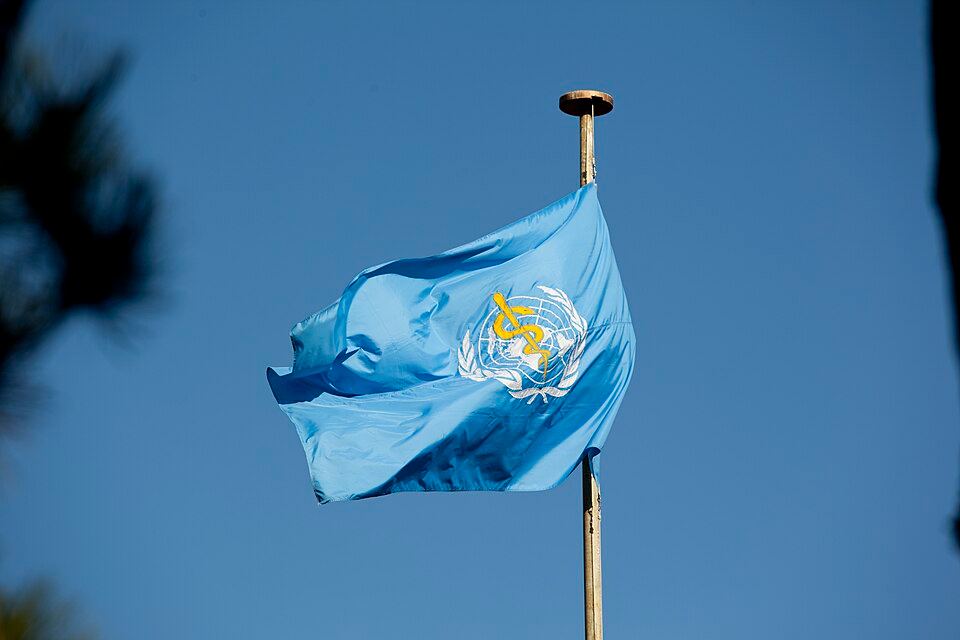
IMAGE · Wikimedia Commons
STRATA-AF™ ANGLEEDITORIAL SYNTHESIS BY STRATA-AF™

Kenya and Nigeria's biosafety agencies pushing for common thresholds now, before any gene-drive mosquito release happens at scale, inverts how GMO cotton and maize approvals went across the continent, where rules were written years after commercial cultivation was already underway. Getting the sequencing right this time, consent and liability first, deployment second, is the difference between vector control read as African institutions setting terms versus vector control read as another externally designed trial run on African populations.

WHO Africa convened member states to align regulatory and biosafety standards for emerging genetic technologies including gene drives, genetically modified mosquitoes, and CRISPR based interventions as pressure mounts to deploy these tools against malaria, trypanosomiasis, and other vector borne diseases that still extract enormous economic and mortality costs across the continent.

The continental stakes are acute: Africa bears roughly 94 percent of global malaria deaths yet has historically been a testing ground for technologies governed by frameworks written elsewhere. Agreeing common biosafety thresholds, liability regimes, and community-consent protocols before field releases scale up is therefore a sovereignty question as much as a public health one setting precedent for who controls the risk calculus when an engineered organism crosses a border.

Watch whether the African Union's nascent gene-drive policy annexe gets teeth through the Cartagena Protocol process, whether Nigeria and Kenya home to the continent's most advanced biosafety agencies push for a harmonised approval corridor, and whether civil society coalitions that blocked GMO crop rollouts mobilise similarly against vector control applications.

READ THE SOURCE REPORT FROM WHO AFRICA

Enjoying Strata-AF™?

Sign in or sign up for a personalised feed and unlock Strata-AF™ Originals.

SIGN IN / SIGN UP
READ NEXT
30-50% Death Rate: How Congo's Latest Ebola Outbreak Tests African Health Sovereignty
HEALTHSTRATA-AF™ ORIGINAL
30-50% Death Rate: How Congo's Latest Ebola Outbreak Tests African Health Sovereignty
Kinshasa, DR Congo2 MINREAD →
How Africa Learned to Fight Ebola Without Western Saviors
HEALTHSTRATA-AF™ ORIGINAL
How Africa Learned to Fight Ebola Without Western Saviors
Pan-African7 MINREAD →
--:--LAGOS
STRATA-AF™
ISSUE 001FEED◎ SEARCHSUBSCRIBE
/shows/data/docs
health
African countries chart path for safe use of emerging genetic technologies in disease control
IMAGE · Wikimedia Commons
African countries chart path for safe use of emerging genetic technologies in disease control

African health ministries are moving from bystander to rule setter on gene drives and GMO vectors, negotiating biosafety frameworks before Northern donors deploy the tools rather than after.

Pan-African1 MIN READ · 13 JULY 2026
From the web · WHO Africa
STRATA-AF™ ANGLEEDITORIAL SYNTHESIS BY STRATA-AF™

Kenya and Nigeria's biosafety agencies pushing for common thresholds now, before any gene-drive mosquito release happens at scale, inverts how GMO cotton and maize approvals went across the continent, where rules were written years after commercial cultivation was already underway. Getting the sequencing right this time, consent and liability first, deployment second, is the difference between vector control read as African institutions setting terms versus vector control read as another externally designed trial run on African populations.

WHO Africa convened member states to align regulatory and biosafety standards for emerging genetic technologies including gene drives, genetically modified mosquitoes, and CRISPR based interventions as pressure mounts to deploy these tools against malaria, trypanosomiasis, and other vector borne diseases that still extract enormous economic and mortality costs across the continent.

The continental stakes are acute: Africa bears roughly 94 percent of global malaria deaths yet has historically been a testing ground for technologies governed by frameworks written elsewhere. Agreeing common biosafety thresholds, liability regimes, and community-consent protocols before field releases scale up is therefore a sovereignty question as much as a public health one setting precedent for who controls the risk calculus when an engineered organism crosses a border.

Watch whether the African Union's nascent gene-drive policy annexe gets teeth through the Cartagena Protocol process, whether Nigeria and Kenya home to the continent's most advanced biosafety agencies push for a harmonised approval corridor, and whether civil society coalitions that blocked GMO crop rollouts mobilise similarly against vector control applications.

READ THE SOURCE REPORT FROM WHO AFRICA

Enjoying Strata-AF™?

Sign in or sign up for a personalised feed and unlock Strata-AF™ Originals.
SIGN IN / SIGN UP
VERTICAL
health
ORIGIN
Pan-African
PUBLISHED
13 JULY 2026
READ NEXT2 PIECES SELECTED BY OUR EDITORS
HEALTH
30-50% Death Rate: How Congo's Latest Ebola Outbreak Tests African Health Sovereignty
As Ebola resurges in DRC with deadly force, the continent's response reveals growing tensions between local expertise and international intervention.
Kinshasa, DR Congo2 MINREAD →
HEALTH
How Africa Learned to Fight Ebola Without Western Saviors
From DRC's locally-manufactured vaccines to Uganda's border protocols, the continent's homegrown health systems are rewriting the epidemic playbook, while Western responses remain trapped in colonial frameworks.
Pan-African7 MINREAD →
CULTURE · MUSIC · FILM · TECH · SPORT · POLITICS · HEALTH · FINANCE · RELIGION · FASHION · LAGOS · NAIROBI · JOBURG · ACCRA · DATA JOURNALISM · ORIGINAL REPORTING · THE ACTUAL VERSION ·CULTURE · MUSIC · FILM · TECH · SPORT · POLITICS · HEALTH · FINANCE · RELIGION · FASHION · LAGOS · NAIROBI · JOBURG · ACCRA · DATA JOURNALISM · ORIGINAL REPORTING · THE ACTUAL VERSION ·
Premium editorial for a continent that's done waiting to be covered.

Not the export-market version. Not the diaspora version. The actual version — written by the people who live there.

Verticals
CultureMusicFilmTechSportsPolitics
HUBS
Strata-AF OriginalsDataDocsNewsletterArchiveShows
Company
AboutMissionManifestoLegal
REACH
10VERTICALS
6CONTENT TYPES
5CITIES
1STANDARD
© 2026 STRATA-AF™ · STRATA PUBLISHING CO LTD · LAGOS · JOBURG · NAIROBI · ACCRAPRIVACYTERMSCORRECTIONSMASTHEAD
 
 
--:--LAGOS
CultureMusicFilmTechSportsPoliticsHealthFinanceReligionFashion
Highlights
Strata-AF
Editor's Pick
From the web
RELIGIONSTRATA-AF™STRATA-AF™ ORIGINAL
Niger State's Mosque Raids Expose a Response Gap
3 MINREAD →
HEALTHFROM THE WEB
Ebola Deaths in DRC Pass 2,000 at Day 100
A hundred days in, the DRC's Ebola outbreak has crossed 2,000 deaths, and the trajectory hasn't flattened.
DR Congo· The Guardian · 24 AUG
HEALTHFROM THE WEB
Unpaid Ebola Workers Strain DRC Outbreak Response
Health workers fighting the DRC's Ebola outbreak are reportedly going unpaid, even as officials describe the spread as exponential.
DR Congo· The Guardian · 24 AUG
RELIGIONFROM THE WEB
Niger State Still Can't Confirm Mosque Abduction Count
Four days after the mosque abductions, Niger State's government still can't say how many people were actually taken.
Nigeria1 MIN · AllAfrica · 24 AUG
RELIGIONFROM THE WEB
Villagers Describe Armed Raid During Niger Prayers
Witnesses in two Niger State villages describe an armed raid during Friday prayers, with police still confirming basic details days later.
Nigeria· DW · 24 AUG
CULTUREFROM THE WEB
Kenyan Social Entrepreneur Wins German Africa Prize
Wawira Njiru turned school-feeding logistics into a movement, and Germany just gave that work its biggest prize.
Kenya· DW · 24 AUG
SPORTSFROM THE WEB
Refugee Runner Amanal Petros Becomes European Champion
Amanal Petros ran from a war Germany didn't start and became one of its fastest citizens by choice, not birthright.
Ethiopia· DW · 24 AUG
CULTUREFROM THE WEB
Cameroon Marks 40 Years Since the Lake Nyos Gas Disaster
Four decades on, Lake Nyos still shapes how Cameroon's lake communities weigh the ground beneath them.
Cameroon· DW · 24 AUG
FINANCEFROM THE WEB
Congo-Brazzaville's Resource Wealth Still Skips Its People
Congo-Brazzaville sits on real mineral wealth, but the value keeps leaving before it reaches the people who live above it.
DR Congo· AllAfrica · 24 AUG
SPORTSFROM THE WEB
Egyptian Wrestler Loses Medal Over Mediterranean Games Assault
A silver medal became a disciplinary case the moment the match ended, not because of the result but the reaction to it.
Egypt· Egypt Independent · 24 AUG
See all stories

The actual version — written by the people who live there.

10VERTICALS
6TYPES
5CITIES
1STANDARD
AboutMissionManifestoLegalOriginalsSubscribeArchiveShowsContributorsJobs
© 2026 STRATA-AF™ · STRATA PUBLISHING CO LTD · LAGOS · NAIROBI · JOBURG · ACCRA
 
 
--:--LAGOS
CultureMusicFilmTechSportsPoliticsHealthFinanceReligionFashion
health
African countries chart path for safe use of emerging genetic technologies in disease control

African health ministries are moving from bystander to rule setter on gene drives and GMO vectors, negotiating biosafety frameworks before Northern donors deploy the tools rather than after.

Pan-African1 MIN · 13 JULY 2026
From the web · WHO Africa
African countries chart path for safe use of emerging genetic technologies in disease control
STRATA-AF™ ANGLEEDITORIAL SYNTHESIS BY STRATA-AF™

Kenya and Nigeria's biosafety agencies pushing for common thresholds now, before any gene-drive mosquito release happens at scale, inverts how GMO cotton and maize approvals went across the continent, where rules were written years after commercial cultivation was already underway. Getting the sequencing right this time, consent and liability first, deployment second, is the difference between vector control read as African institutions setting terms versus vector control read as another externally designed trial run on African populations.

WHO Africa convened member states to align regulatory and biosafety standards for emerging genetic technologies including gene drives, genetically modified mosquitoes, and CRISPR based interventions as pressure mounts to deploy these tools against malaria, trypanosomiasis, and other vector borne diseases that still extract enormous economic and mortality costs across the continent.

The continental stakes are acute: Africa bears roughly 94 percent of global malaria deaths yet has historically been a testing ground for technologies governed by frameworks written elsewhere. Agreeing common biosafety thresholds, liability regimes, and community-consent protocols before field releases scale up is therefore a sovereignty question as much as a public health one setting precedent for who controls the risk calculus when an engineered organism crosses a border.

Watch whether the African Union's nascent gene-drive policy annexe gets teeth through the Cartagena Protocol process, whether Nigeria and Kenya home to the continent's most advanced biosafety agencies push for a harmonised approval corridor, and whether civil society coalitions that blocked GMO crop rollouts mobilise similarly against vector control applications.

READ THE SOURCE REPORT FROM WHO AFRICA

Enjoying Strata-AF™?

Sign in or sign up for a personalised feed and unlock Strata-AF™ Originals.
SIGN IN / SIGN UP
READ NEXT
--:--LAGOS
/shows/data/docs
health
African countries chart path for safe use of emerging genetic technologies in disease control
IMAGE · Wikimedia Commons
African countries chart path for safe use of emerging genetic technologies in disease control

African health ministries are moving from bystander to rule setter on gene drives and GMO vectors, negotiating biosafety frameworks before Northern donors deploy the tools rather than after.

Pan-African1 MIN READ · 13 JULY 2026
From the web · WHO Africa
STRATA-AF™ ANGLEEDITORIAL SYNTHESIS BY STRATA-AF™

Kenya and Nigeria's biosafety agencies pushing for common thresholds now, before any gene-drive mosquito release happens at scale, inverts how GMO cotton and maize approvals went across the continent, where rules were written years after commercial cultivation was already underway. Getting the sequencing right this time, consent and liability first, deployment second, is the difference between vector control read as African institutions setting terms versus vector control read as another externally designed trial run on African populations.

WHO Africa convened member states to align regulatory and biosafety standards for emerging genetic technologies including gene drives, genetically modified mosquitoes, and CRISPR based interventions as pressure mounts to deploy these tools against malaria, trypanosomiasis, and other vector borne diseases that still extract enormous economic and mortality costs across the continent.

The continental stakes are acute: Africa bears roughly 94 percent of global malaria deaths yet has historically been a testing ground for technologies governed by frameworks written elsewhere. Agreeing common biosafety thresholds, liability regimes, and community-consent protocols before field releases scale up is therefore a sovereignty question as much as a public health one setting precedent for who controls the risk calculus when an engineered organism crosses a border.

Watch whether the African Union's nascent gene-drive policy annexe gets teeth through the Cartagena Protocol process, whether Nigeria and Kenya home to the continent's most advanced biosafety agencies push for a harmonised approval corridor, and whether civil society coalitions that blocked GMO crop rollouts mobilise similarly against vector control applications.

READ THE SOURCE REPORT FROM WHO AFRICA

Enjoying Strata-AF™?

Sign in or sign up for a personalised feed and unlock Strata-AF™ Originals.

SIGN IN / SIGN UP
VERTICAL
health
ORIGIN
Pan-African
PUBLISHED
13 JULY 2026
READ NEXT2 PIECES SELECTED BY OUR EDITORS
CULTURE · MUSIC · FILM · TECH · SPORT · POLITICS · HEALTH · FINANCE · RELIGION · FASHION · LAGOS · NAIROBI · JOBURG · ACCRA · DATA JOURNALISM · ORIGINAL REPORTING · THE ACTUAL VERSION ·CULTURE · MUSIC · FILM · TECH · SPORT · POLITICS · HEALTH · FINANCE · RELIGION · FASHION · LAGOS · NAIROBI · JOBURG · ACCRA · DATA JOURNALISM · ORIGINAL REPORTING · THE ACTUAL VERSION ·
Premium editorial for a continent that's done waiting to be covered.

Not the export-market version. Not the diaspora version. The actual version — written by the people who live there.

Verticals
CultureMusicFilmTechSportsPolitics
HUBS
Strata-AF OriginalsDataDocsNewsletterArchiveShows
Company
AboutMissionManifestoLegal
REACH
10VERTICALS
6CONTENT TYPES
5CITIES
1STANDARD
© 2026 STRATA-AF™ · STRATA PUBLISHING CO LTD · LAGOS · JOBURG · NAIROBI · ACCRAPRIVACYTERMSCORRECTIONSMASTHEAD