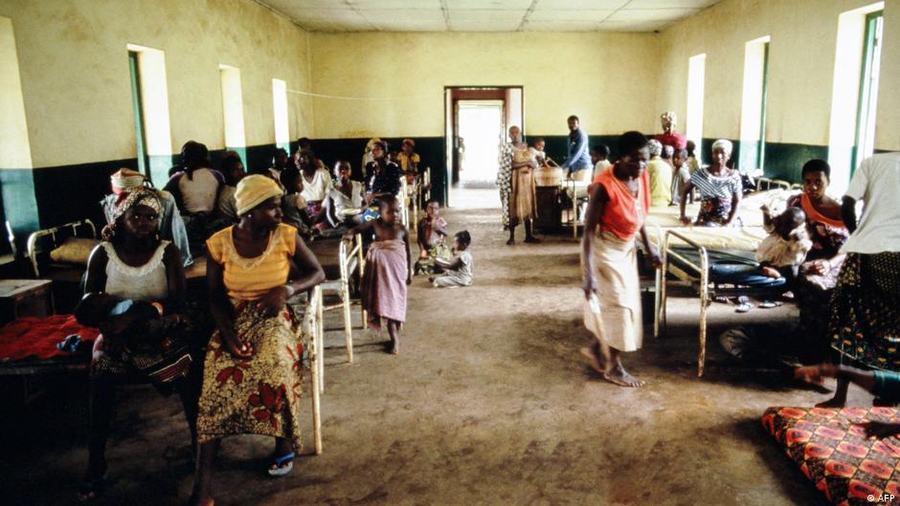
Four decades on, Lake Nyos still shapes how Cameroon's lake communities weigh the ground beneath them.
On August 21, 1986, a silent cloud of carbon dioxide swept through villages around Lake Nyos in Cameroon, killing nearly 2,000 people in their sleep. Four decades later, survivors are still living with the trauma.
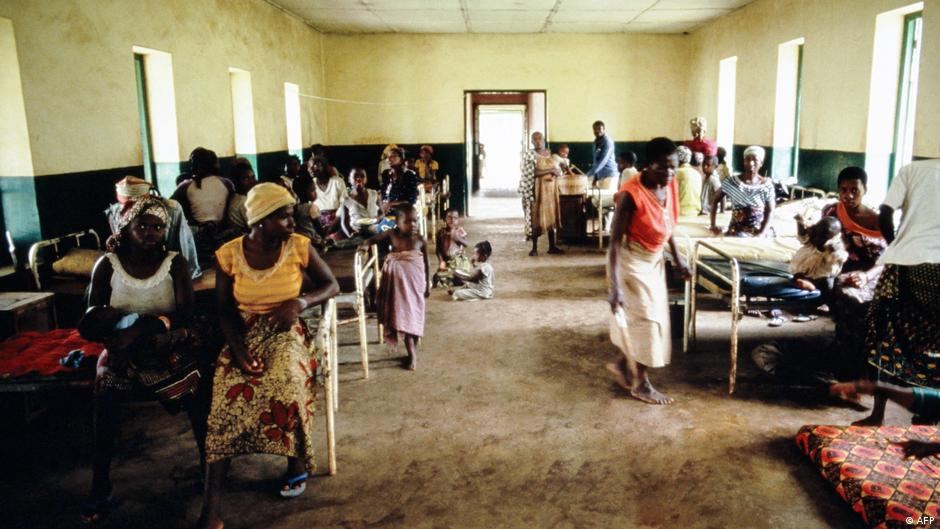
Degassing pipes address the lake's gas buildup, but resettlement patterns since 1986 haven't been redesigned around updated hazard maps — the unresolved planning question is whether anyone currently living near Lake Nyos has been formally informed of their specific distance from a modeled future release zone, not just the general risk.
On August 21, 1986, a cloud of carbon dioxide rose silently from Lake Nyos and swept through the villages around it, killing nearly 2,000 people in their sleep with no warning and no visible cause. Four decades later, the communities that resettled near the lake still live with a hazard that has no obvious signature until it happens again.
Scientists have since installed degassing pipes to release trapped carbon dioxide from the lake's depths gradually, but the underlying geology hasn't changed, and neither has the basic vulnerability of anyone living close enough to be caught by another release. Memory of the disaster has faded outside Cameroon in ways it hasn't for the families who lost entire households in one night.
Forty years on, the anniversary isn't really about looking back. It's about whether the mitigation in place is enough to make sure it stays a historical event rather than a recurring one.
READ THE SOURCE REPORT FROM DW →Enjoying Strata-AF™?
Sign in or sign up for a personalised feed and unlock Strata-AF™ Originals.