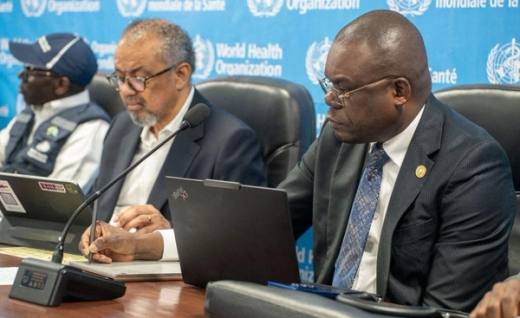
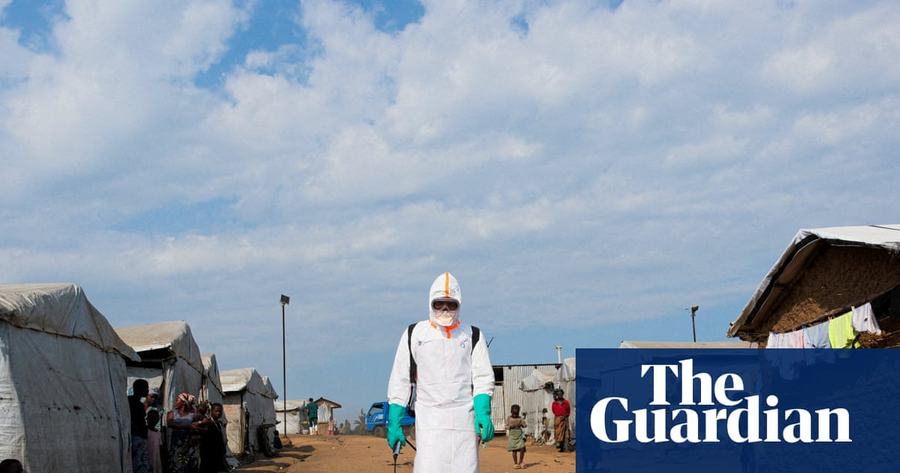
Health workers fighting the DRC's Ebola outbreak are reportedly going unpaid, even as officials describe the spread as exponential.
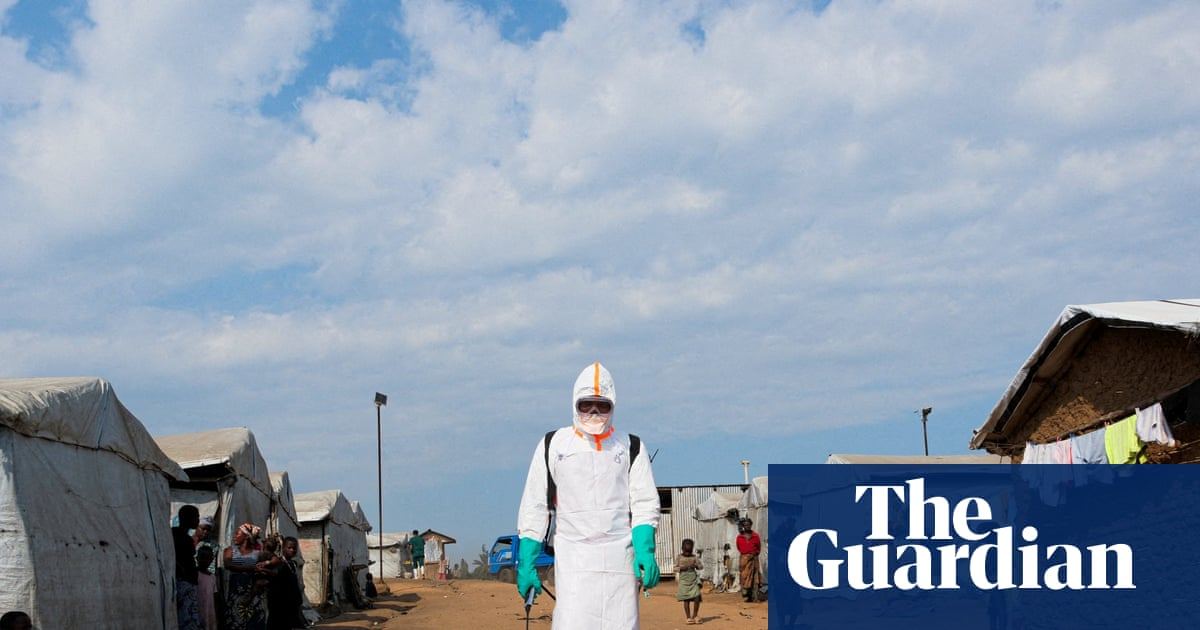
In the outbreak zone, wage delays for burial teams and contact tracers aren't a footnote to the medical response, they're a second front. A workforce that stops trusting its own pay is a workforce that stops doing the highest-exposure work in the response, and that risk compounds faster than any single new case count.
Frontline health workers responding to the Ebola outbreak in the Democratic Republic of Congo are reportedly missing wages, according to reporting on the outbreak, at the same time officials are describing its spread as exponential. Unpaid response staff during a worsening outbreak is a compounding risk, not a separate one.
Outbreak response depends on the willingness of health workers to keep showing up to high-exposure environments, and that willingness erodes fast once pay becomes unreliable. A workforce that stops trusting it will be paid is a workforce that response coordinators cannot plan around with any confidence.
If wage payments stay unresolved while the outbreak accelerates, the two problems will not stay separate for long. A response that loses its own workers to unpaid wages is a response that is failing on a front the virus did not create.
READ THE SOURCE REPORT FROM THE GUARDIAN →Enjoying Strata-AF™?
Sign in or sign up for a personalised feed and unlock Strata-AF™ Originals.