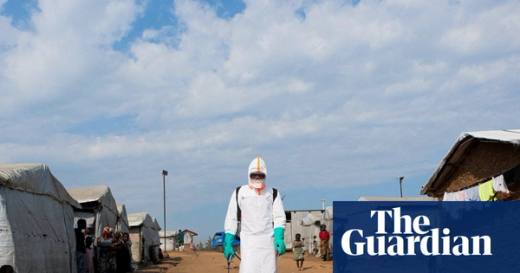
Ebola in the DRC keeps outrunning the response built to contain it, and each delay resets the clock on containment.
[allAfrica] Each time we travel to the Democratic Republic of the Congo (DRC), we first go to listen.
The DRC's outbreak response has learned, the hard way, that community trust in provinces like North Kivu and Ituri determines whether treatment centres get used or avoided, a lesson earlier outbreaks paid for in spread, not just funding. Listening first isn't a soft methodology footnote; it's the operational difference between an outbreak that gets contained and one that runs past its hundredth day.
The Ebola outbreak in the Democratic Republic of Congo has now run past the point where early containment was possible, and every additional week without a faster response pushes the outbreak closer to the scale of the DRC's worst prior epidemics. Reporters who travel to the DRC for this story start the same way: by listening, before writing anything down.
That approach matters because outbreak response in the DRC has repeatedly failed not for lack of medical knowledge but for lack of trust between health authorities and the communities they're trying to reach. Treatment centres that arrive without community buy-in get avoided, not used, which is how outbreaks that should be containable keep spreading instead.
The deadlier version of this outbreak isn't a medical inevitability. It's what happens if the international response keeps treating trust-building as a delay rather than the actual first step.
READ THE SOURCE REPORT FROM ALLAFRICA →Enjoying Strata-AF™?
Sign in or sign up for a personalised feed and unlock Strata-AF™ Originals.