From DRC's locally-manufactured vaccines to Uganda's border protocols, the continent's homegrown health systems are rewriting the epidemic playbook, while Western responses remain trapped in colonial frameworks.

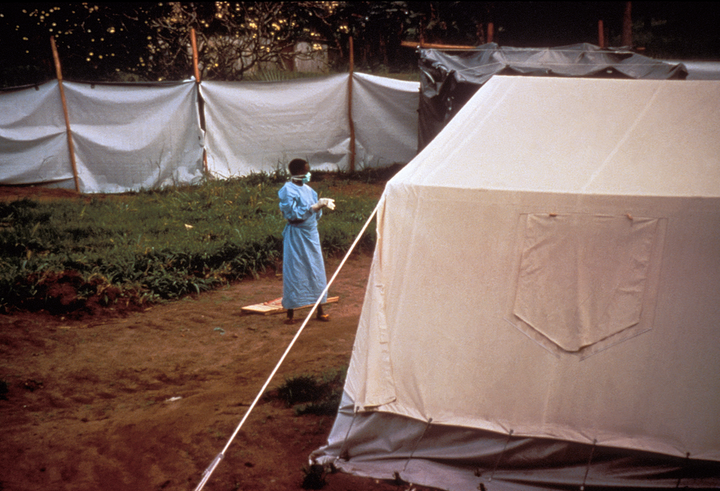
When the first Ebola survivor walked out of the Rwampara treatment center in DRC's Ituri province, Western media barely noticed. Yet this moment represents something profound: Africa's quiet revolution in epidemic response, built not on foreign expertise but on hard-won continental knowledge. The recovery wasn't just about one woman's survival. It demonstrated how African medical infrastructure, forged through decades of health crises from Lagos to Kinshasa, is now outpacing the international aid apparatus that once positioned itself as Africa's medical savior.
The New African Health Playbook
The current DRC outbreak tells a story Western media struggles to grasp: this is no longer the continent of 2014, waiting helplessly for external intervention. Today's response deploys locally-manufactured vaccines and community health networks that put many Western healthcare systems to shame. The real narrative isn't fear-mongering about African disease, but how Congolese medical infrastructure has learned to move faster than international organizations in implementing rapid response protocols. This shift represents more than operational efficiency. It's a fundamental reordering of who holds expertise in epidemic management.
The lessons from West Africa's previous Ebola response prove instructive here. While Western media fixated on medical protocols and international coordination, the actual containment came through local knowledge, community trust, and African-led innovation. A decade later, the continent's homegrown health systems and cultural understanding remain the most effective weapons against any epidemic. Yet global health funding continues flowing predominantly to foreign NGOs rather than strengthening the African institutions that survivors know actually work.
Culture as Medicine, Community as Infrastructure
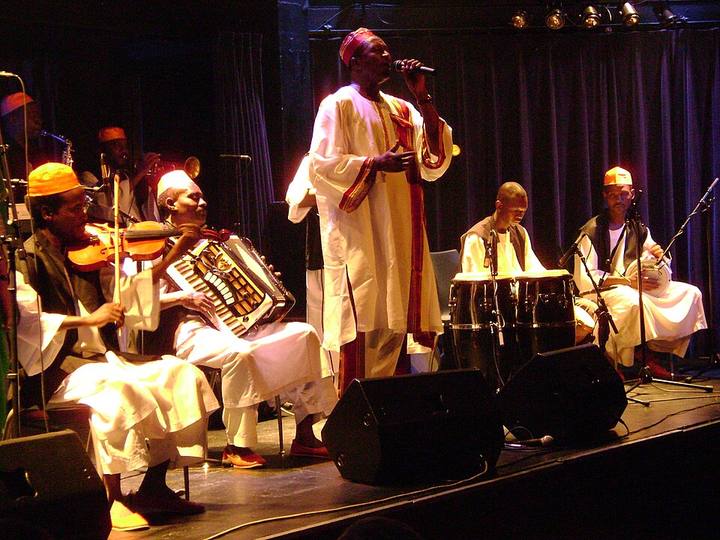
Perhaps nowhere is this African approach more visible than in how communities integrate health messaging with cultural practice. In Goma, community activists aren't just fighting Ebola with conventional health campaigns; they're using songs and theatre to reach people in ways that sterile medical protocols cannot. These artists understand what foreign correspondents miss: that culture isn't a luxury to be suspended during crises, but Africa's most powerful medicine, the continent's first line of defense against adversity.
This cultural integration extends to religious practice as well. When Bunia's Muslim community celebrated Eid al-Adha during the outbreak, Western observers might have seen reckless gathering. But the celebration represented something more sophisticated: an understanding that spiritual and social continuity aren't obstacles to public health, but essential components of community resilience. The act refused to let disease define their humanity, a form of resistance that preserves social fabric while managing medical risk.
When Integration Meets Reality
Keep reading this Original
Sign in or sign up to finish this story, get your personalised feed, and unlock every Strata-AF™ Original.
SIGN IN / SIGN UP