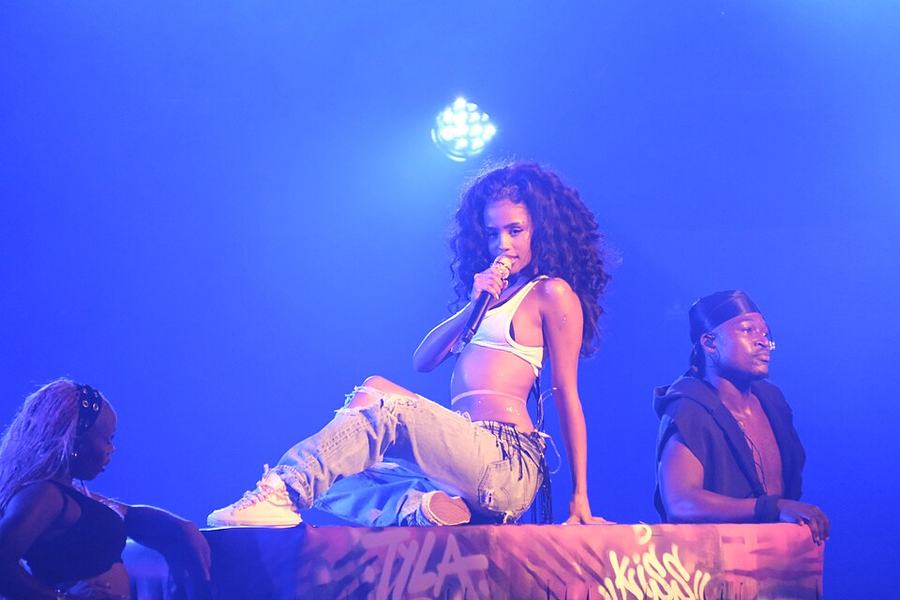
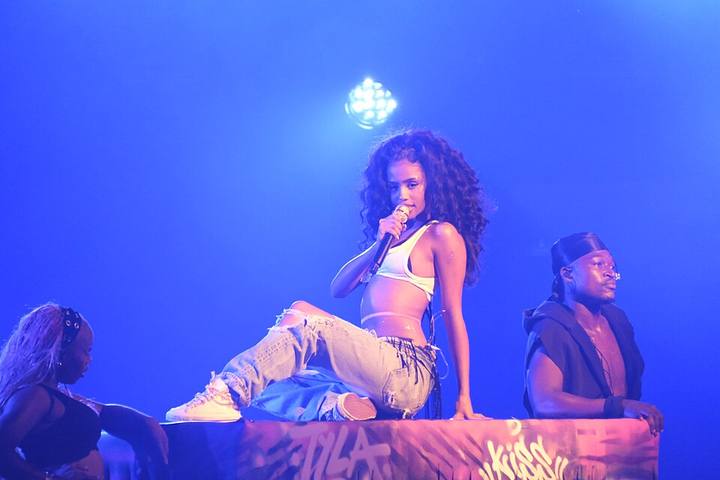
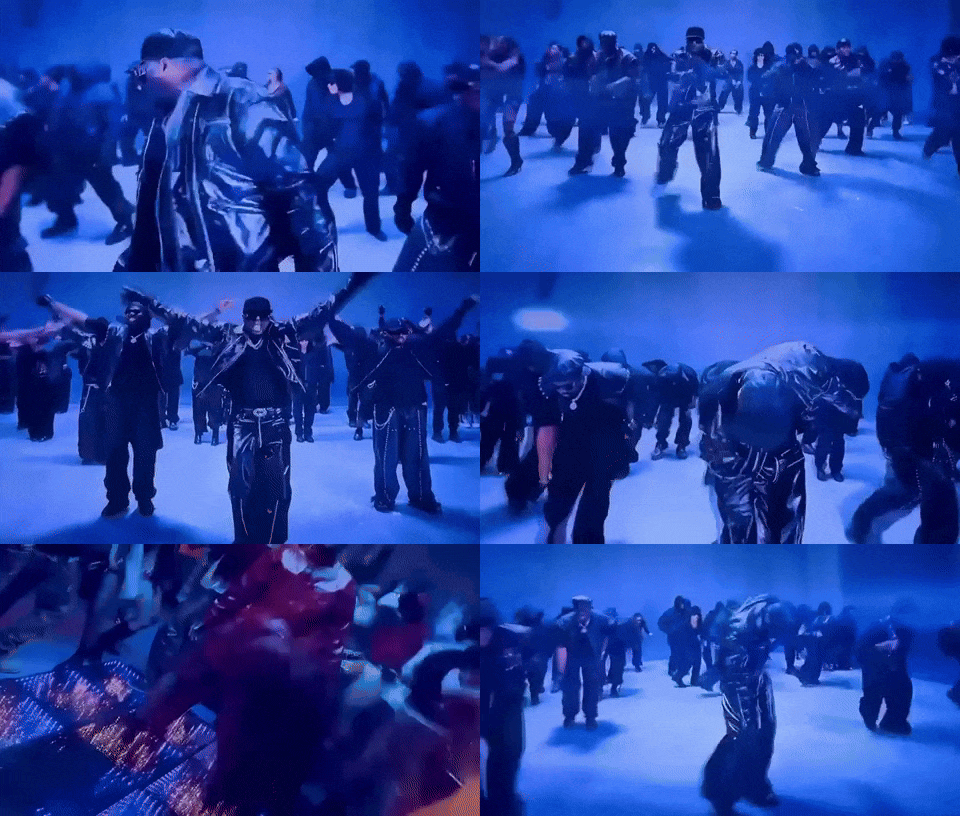
When Tyla's Nigeria tour date quietly disappeared under community pressure, it exposed something much larger than concert logistics — a continent-wide argument about Afrobeats dominance, South African xenophobia, and who gets to claim the Pan-African stage regardless of political differences.
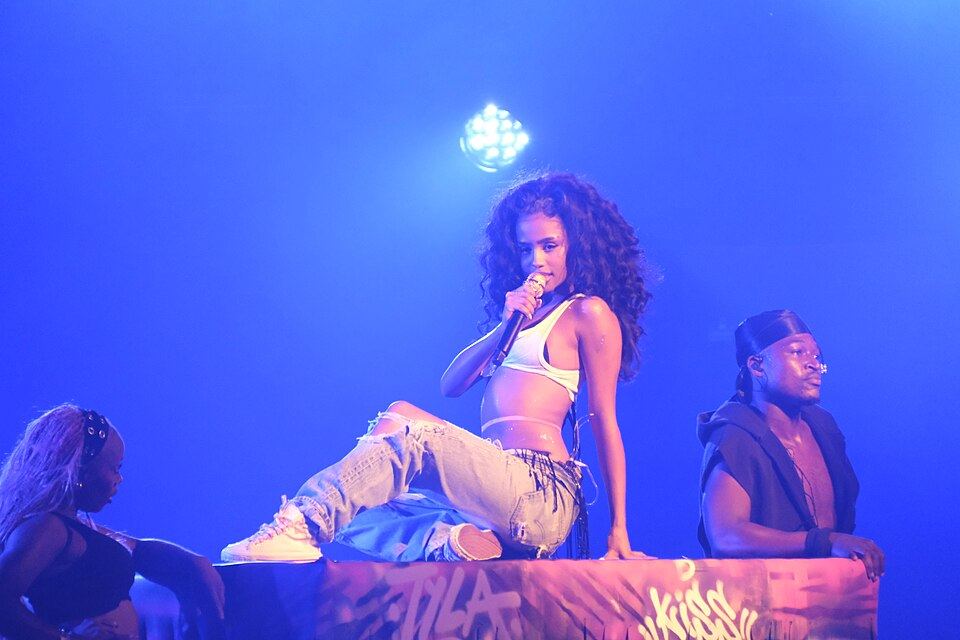
There is a thread running through the Tyla Lagos cancellation that the discourse has not yet pulled taut. On the surface, this is a story about a South African pop star losing a tour date [1]. Beneath that, it is a story about migration, money, resentment, and the unresolved question of whether Pan-African solidarity is a genuine political project or a convenient aesthetic that artists invoke when it suits them and abandon when the pressure arrives.
Let's establish what actually happened. Tyla — Grammy winning, globally ascendant, the most internationally visible South African artist since Black Coffee's Ibiza peak — had a Lagos date on her world tour schedule. That date was removed [1]. The removal did not happen in a vacuum, it happened inside a moment when anti-migrant sentiment in South Africa has reached temperatures not seen in years, with African migrants reporting genuine terror at the scale and organisation of the backlash sweeping the country [2].
The continent noticed. Nigerians, specifically, noticed, because Nigerians are among the most visible migrant communities in South Africa, and because Nigerian economic confidence has, for a decade, been the psychological engine of Afrobeats' global expansion. The question the commentariat keeps avoiding is this: when a South African artist is held culturally accountable for her government's immigration politics, is that justice or is it tribalism wearing cosmopolitan clothes? The honest answer is that it is both, and the discomfort of that duality is precisely why this story matters.
Afrobeats — and here the term is used in its expansive, Lagos centric sense — has spent the last decade constructing a soft power architecture that has largely reorganised the global perception of African music. Burna Boy, Wizkid, Davido, Ayra Starr: these are the names that Western labels, streaming algorithms, and festival programmers reach for when they want to book 'Africa.' The consequence of that dominance is that it has created a centre of gravity and like all centres of gravity, it pulls everything toward itself — including the right to define who belongs in the Pan-African conversation and on what terms.
When Nigerian music fans and commentators applied pressure around Tyla's Lagos date, they were not operating in a political vacuum [1]. They were operating inside a country processing genuine rage about how South Africa treats their people — legally documented migrants who say their papers offer them little protection from organised hostility [2]. That rage is legitimate, the question is whether the concert venue is the right place to settle it, and whether Tyla, an artist whose music draws deliberately from multiple continental traditions, whose very rise was built on a sound that refused to pick a single African nationality — is the right target.
Keep reading this Original
Sign in or sign up to finish this story, get your personalised feed, and unlock every Strata-AF™ Original.
SIGN IN / SIGN UP