Dakar 2026 breaks a hosting monopoly that has excluded Africa from Olympic stewardship for over a century — the question is what institutional and economic legacy Senegal can extract from the moment.
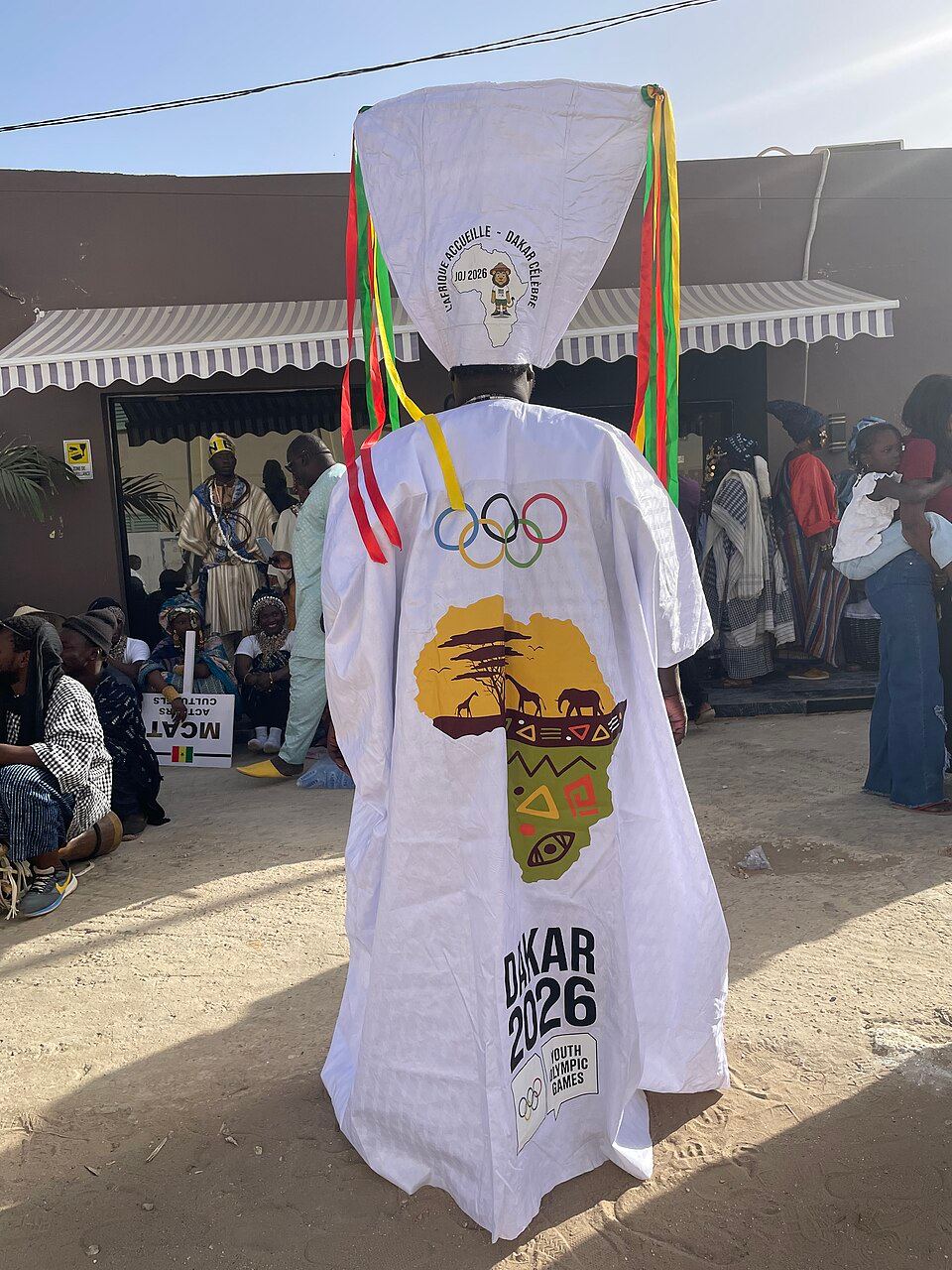
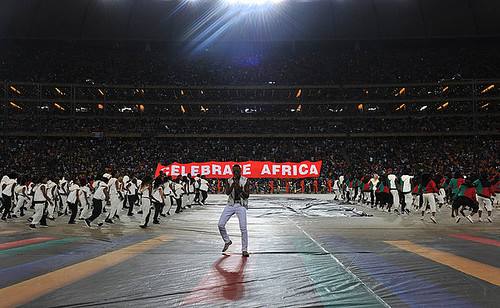
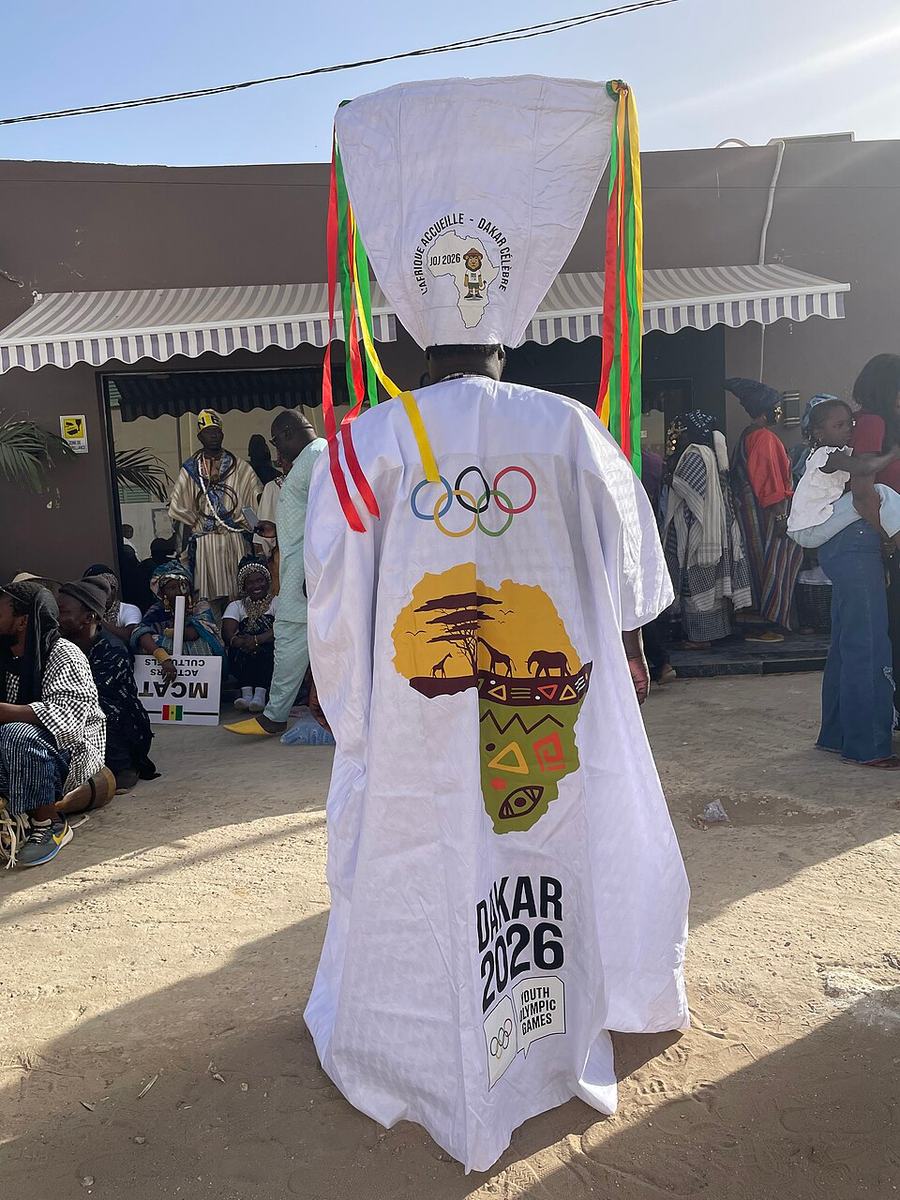
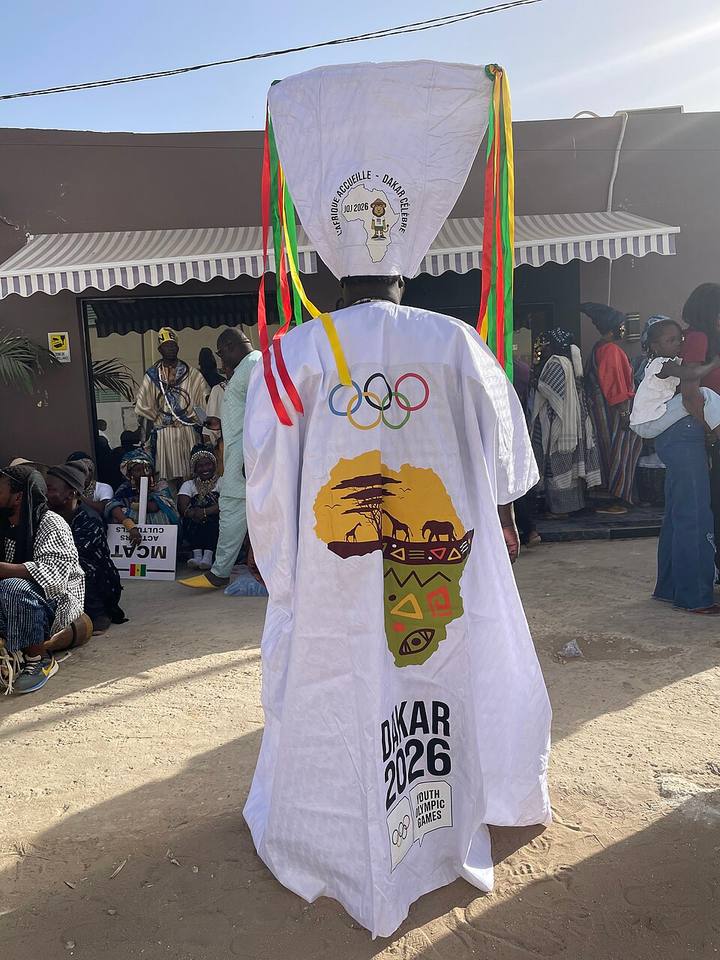
Senegal will host the 2026 Youth Olympic Games opening 31 October in Dakar, marking the first time any edition of the Olympic Games — senior or youth — has been staged on African soil. The IOC selected Dakar after a protracted process that included concerns over financing and infrastructure readiness, making the eventual delivery of the event a statement of organizational capacity as much as sporting ambition.
The continental significance runs deeper than symbolism. Africa supplies a disproportionate share of Olympic medal talent — from Ethiopian and Kenyan distance runners to Ugandan swimmers and Cameroonian boxers — yet has been structurally locked out of the hosting economy that generates broadcast revenues, tourism surges, and infrastructure investment. Dakar's moment offers a proof-of-concept for the continent's event-hosting credibility ahead of larger bids, including Morocco's persistent pursuit of the FIFA World Cup.
Watch whether Senegal's government converts athlete villages and competition venues into durable public infrastructure rather than white elephants, a distinction that has separated successful hosts from cautionary tales globally. Also critical: whether West African youth participation rates spike in the years following, validating the IOC's stated development rationale for the Youth Games format itself.
READ THE SOURCE REPORT FROM AFRICANEWS →Enjoying Strata-AF™?
Sign in or sign up for a personalised feed and unlock Strata-AF™ Originals.