--:--LAGOS
CultureMusicFilmTechSportsPoliticsHealthFinanceReligionFashion
fashion★ STRATA-AF™ ORIGINAL
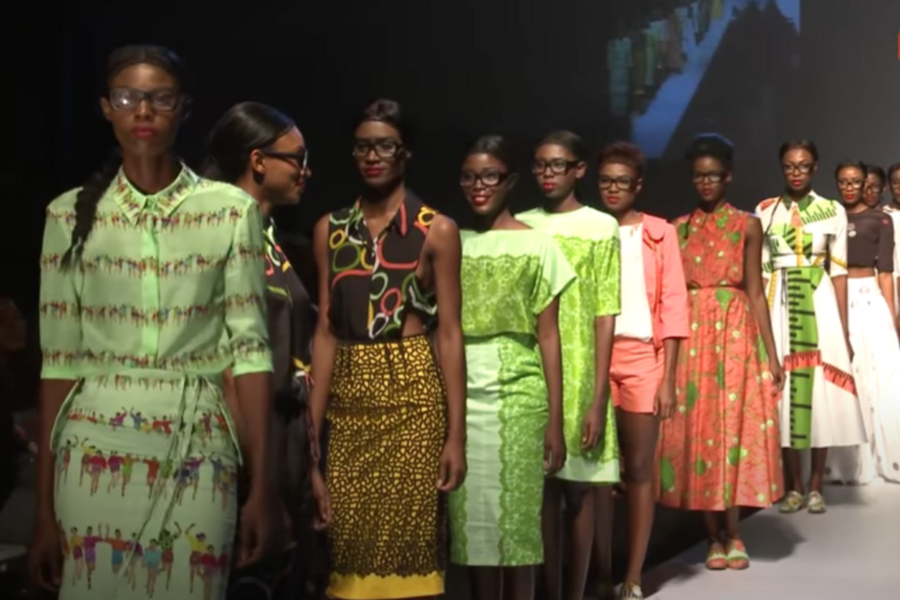
Lagos Fashion Week's Green Push Is Either Africa's Best Bet or Its Greenest Greenwash

Green Access 2026 is Lagos Fashion Week's boldest industrial bet yet but without continent wide supply chain traceability, it risks becoming a branding exercise layered over the same extractive logic it claims to disrupt.
Pan-African2 MIN
LISTEN TO STRATA-AF™ NOTE
Share
Lagos Fashion Week's Green Push Is Either Africa's Best Bet or Its Greenest Greenwash
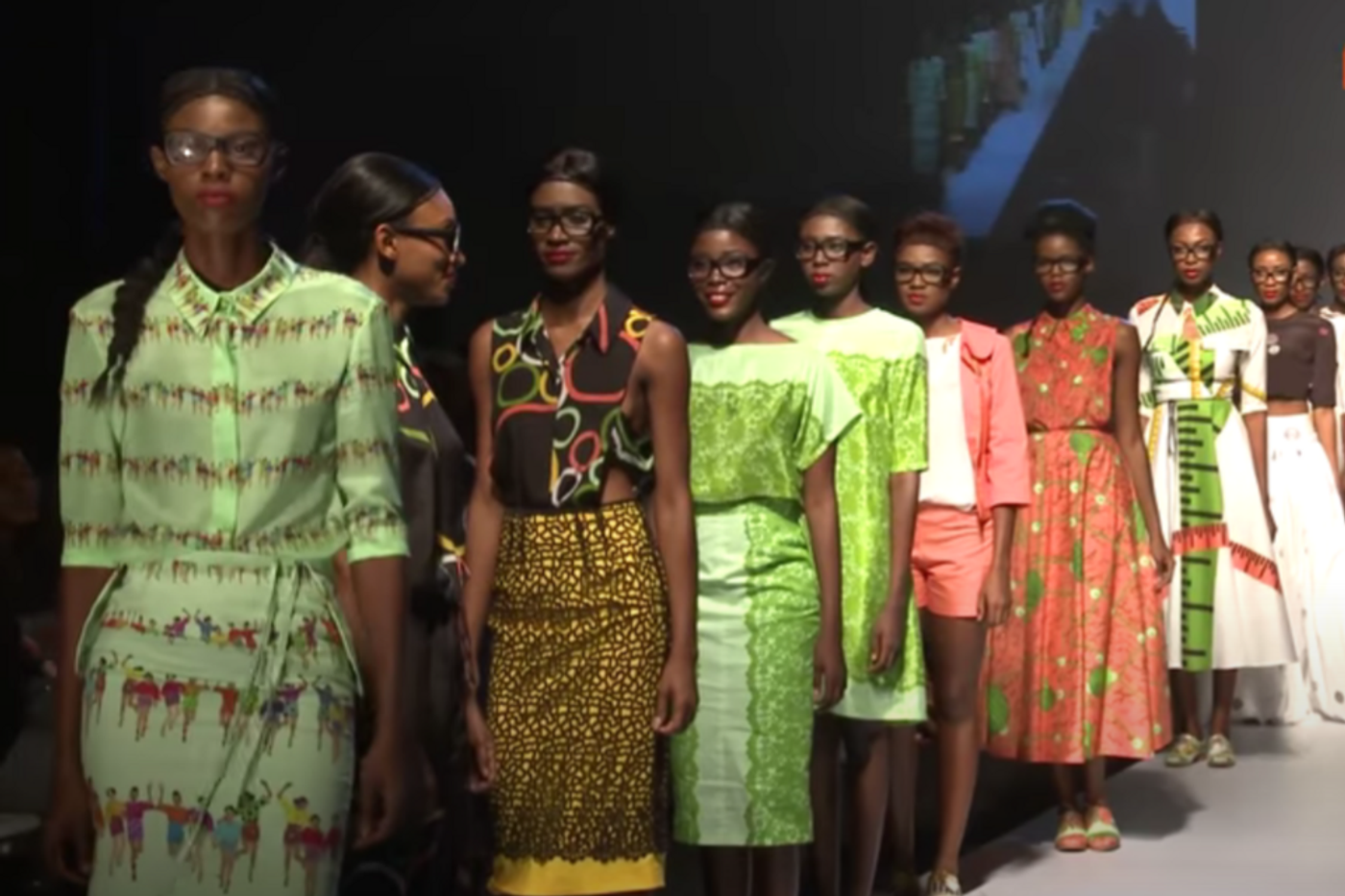
IMAGE · NdaniTV · CC BY 3.0 · Wikimedia Commons

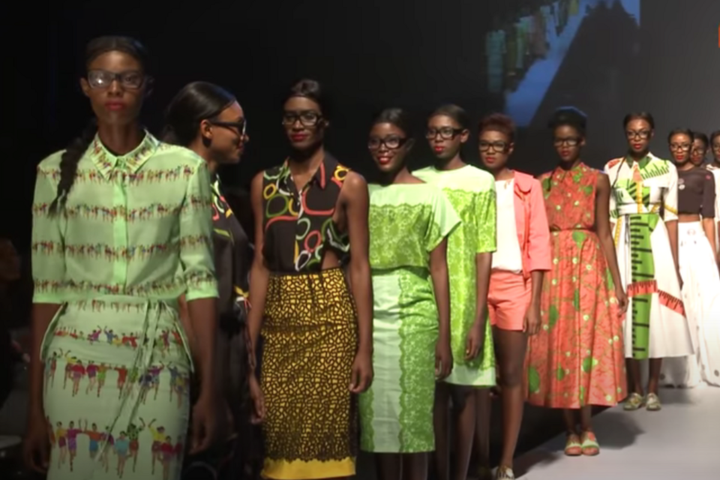
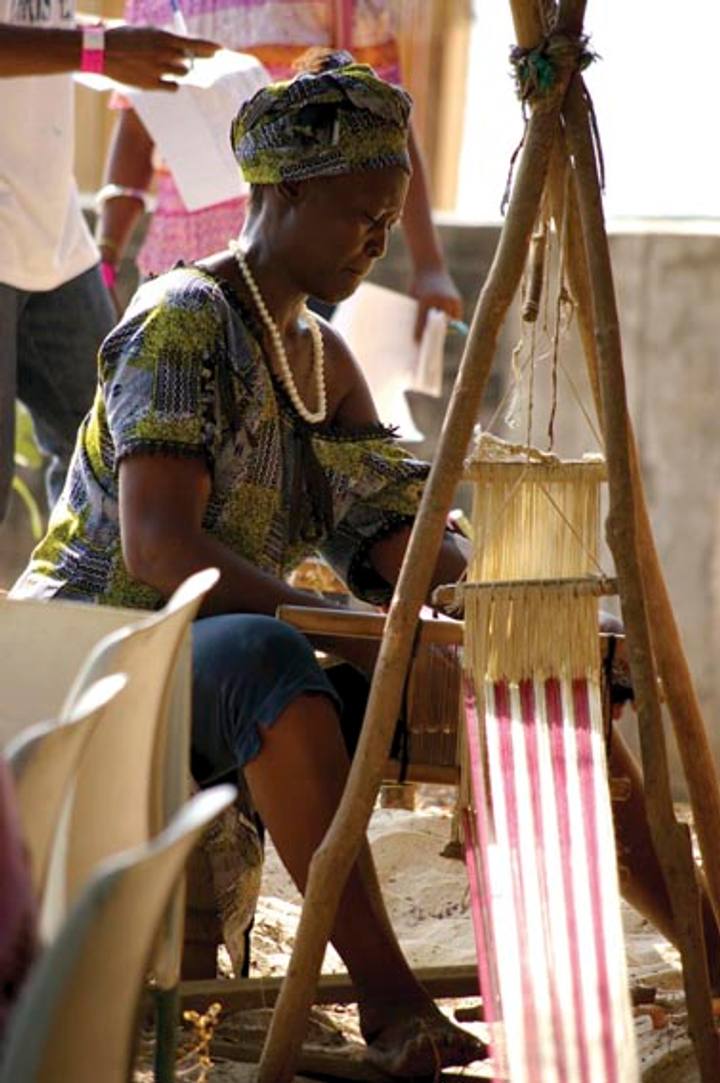
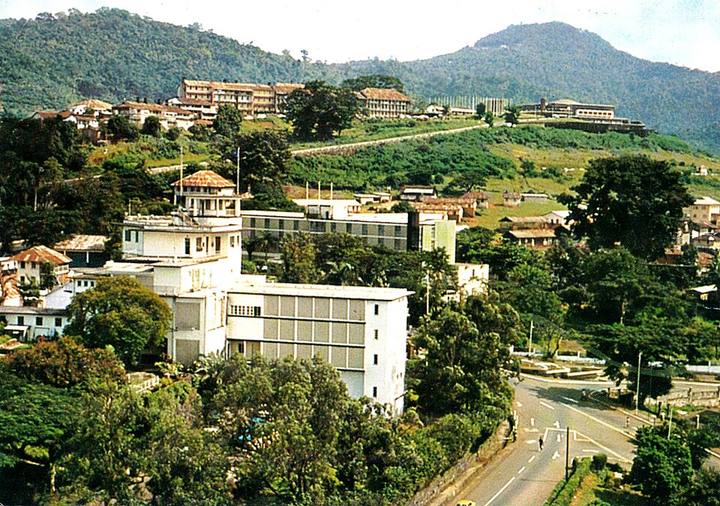
There is a thread running through four separate corners of the continent right now, and it is not about aesthetics but about who owns the value chain. Lagos Fashion Week has opened applications for its Green Access 2026 programme [2], Ethiopia is attempting to close the cotton to garment loop entirely within its own borders [3], Sierra Leone's weavers are feeding global demand for artisanal cloth without the IP architecture to capture the returns [4], and African designers broadly have spent the last decade building distribution infrastructure the gatekeepers never saw coming [1].

The question these four stories are collectively asking is the same one: can Africa move upstream in the global fashion economy, or will it keep selling the raw material whether that's cotton, craft, or cultural capital while someone else captures the margin?

Green Access positions itself as an answer. Lagos Fashion Week's programme reframes designer development not as creative support but as industrial policy, betting that craft centred sustainability can shift African labels from the exotic periphery toward the upstream of global fashion value chains [2]. That is an unusually clear eyed framing for a fashion programme, and it deserves credit. The logic is sound: global fashion is under accelerating pressure to demonstrate ethical sourcing, circular production, and environmental accountability.

African designers who can credibly tell a sustainability story – locally sourced, artisan-made, low carbon footprint do have a genuine market opening. Green Access is trying to formalise that opening into something structural we believe. But here is where the argument gets uncomfortable. Credible sustainability in fashion in 2026 is not a narrative exercise, it requires supply chain traceability, the ability to document, verify and communicate every node from raw material to finished garment and the continent's traceability infrastructure, bluntly put, is not built yet.

This is not a slight against African designers, it is a structural reality that even well resourced global brands with decades of sustainability investment are still fumbling through. For designers operating out of Lagos, Accra, or Nairobi working with artisan networks that are largely informal, sourcing fabrics through supply chains that predate digital documentation, the gap between 'sustainable story' and 'verified sustainable supply chain' can be enormous.

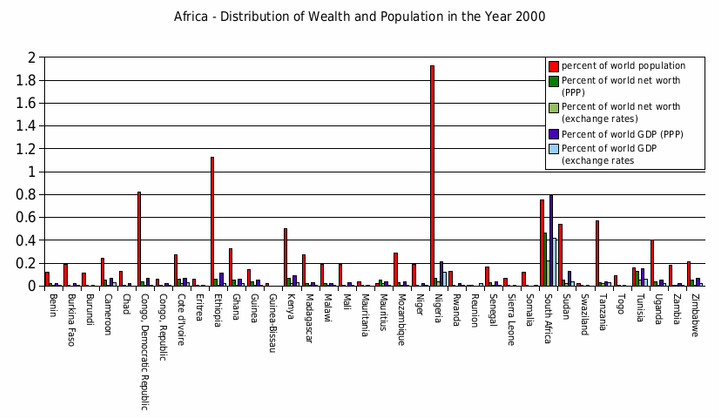
Ethiopia's attempt to weave a complete cotton to clothing value chain domestically is instructive here [3]. What makes Ethiopia's project genuinely interesting and genuinely difficult is that closing the loop requires coordinated investment across agriculture, textile processing, garment manufacturing, and export logistics simultaneously. Most African economies have pieces of this and very few have the full chain. Ethiopia is trying to build it as a deliberate industrial ladder, not as a series of disconnected investments.

STRATA-AF™

Keep reading this Original

Sign in or sign up to finish this story, get your personalised feed, and unlock every Strata-AF™ Original.

SIGN IN / SIGN UP

READ NEXT
African Fashion's Infrastructure Revolution
FASHIONSTRATA-AF™ ORIGINAL
African Fashion's Infrastructure Revolution
Pan-African2 MINREAD →
African Designer Imane Ayissi Redefines Luxury On Paris Haute Couture Stage
FASHIONAllAfrica Arts
African Designer Imane Ayissi Redefines Luxury On Paris Haute Couture Stage
CM1 MINREAD →
--:--LAGOS
STRATA-AF™
ISSUE 001FEED◎ SEARCHSUBSCRIBE
/shows/data/docs
fashion★ STRATA-AF™ ORIGINAL
Lagos Fashion Week's Green Push Is Either Africa's Best Bet or Its Greenest Greenwash
IMAGE · NdaniTV · CC BY 3.0 · Wikimedia Commons
Lagos Fashion Week's Green Push Is Either Africa's Best Bet or Its Greenest Greenwash

Green Access 2026 is Lagos Fashion Week's boldest industrial bet yet but without continent wide supply chain traceability, it risks becoming a branding exercise layered over the same extractive logic it claims to disrupt.

Pan-African2 MIN READ
LISTEN TO STRATA-AF™ NOTE
Share

There is a thread running through four separate corners of the continent right now, and it is not about aesthetics but about who owns the value chain. Lagos Fashion Week has opened applications for its Green Access 2026 programme [2], Ethiopia is attempting to close the cotton to garment loop entirely within its own borders [3], Sierra Leone's weavers are feeding global demand for artisanal cloth without the IP architecture to capture the returns [4], and African designers broadly have spent the last decade building distribution infrastructure the gatekeepers never saw coming [1].

The question these four stories are collectively asking is the same one: can Africa move upstream in the global fashion economy, or will it keep selling the raw material whether that's cotton, craft, or cultural capital while someone else captures the margin?

Green Access positions itself as an answer. Lagos Fashion Week's programme reframes designer development not as creative support but as industrial policy, betting that craft centred sustainability can shift African labels from the exotic periphery toward the upstream of global fashion value chains [2]. That is an unusually clear eyed framing for a fashion programme, and it deserves credit. The logic is sound: global fashion is under accelerating pressure to demonstrate ethical sourcing, circular production, and environmental accountability.

African designers who can credibly tell a sustainability story – locally sourced, artisan-made, low carbon footprint do have a genuine market opening. Green Access is trying to formalise that opening into something structural we believe. But here is where the argument gets uncomfortable. Credible sustainability in fashion in 2026 is not a narrative exercise, it requires supply chain traceability, the ability to document, verify and communicate every node from raw material to finished garment and the continent's traceability infrastructure, bluntly put, is not built yet.

This is not a slight against African designers, it is a structural reality that even well resourced global brands with decades of sustainability investment are still fumbling through. For designers operating out of Lagos, Accra, or Nairobi working with artisan networks that are largely informal, sourcing fabrics through supply chains that predate digital documentation, the gap between 'sustainable story' and 'verified sustainable supply chain' can be enormous.

Ethiopia's attempt to weave a complete cotton to clothing value chain domestically is instructive here [3]. What makes Ethiopia's project genuinely interesting and genuinely difficult is that closing the loop requires coordinated investment across agriculture, textile processing, garment manufacturing, and export logistics simultaneously. Most African economies have pieces of this and very few have the full chain. Ethiopia is trying to build it as a deliberate industrial ladder, not as a series of disconnected investments.

STRATA-AF™

Keep reading this Original

Sign in or sign up to finish this story, get your personalised feed, and unlock every Strata-AF™ Original.

SIGN IN / SIGN UP
VERTICAL
fashion
ORIGIN
Pan-African
READ NEXT2 PIECES SELECTED BY OUR EDITORS
FASHION
African Fashion's Infrastructure Revolution
African designers didn't wait for a cover: they built storefronts, supply chains, and diaspora distribution networks. The gatekeepers missed the construction.
Pan-African2 MINREAD →
FASHION
African Designer Imane Ayissi Redefines Luxury On Paris Haute Couture Stage
Imane Ayissi's continued sole presence on the Paris haute couture calendar is less a triumph than an indictment African luxury craft remains a curiosity rather than a category, applauded yet structurally isolated from the industry's real capital flows.
CM1 MINREAD →
CULTURE · MUSIC · FILM · TECH · SPORT · POLITICS · HEALTH · FINANCE · RELIGION · FASHION · LAGOS · NAIROBI · JOBURG · ACCRA · DATA JOURNALISM · ORIGINAL REPORTING · THE ACTUAL VERSION ·CULTURE · MUSIC · FILM · TECH · SPORT · POLITICS · HEALTH · FINANCE · RELIGION · FASHION · LAGOS · NAIROBI · JOBURG · ACCRA · DATA JOURNALISM · ORIGINAL REPORTING · THE ACTUAL VERSION ·
Premium editorial for a continent that's done waiting to be covered.

Not the export-market version. Not the diaspora version. The actual version — written by the people who live there.

Verticals
CultureMusicFilmTechSportsPolitics
HUBS
Strata-AF OriginalsDataDocsNewsletterArchiveShows
Company
AboutMissionManifestoLegal
REACH
10VERTICALS
6CONTENT TYPES
5CITIES
1STANDARD
© 2026 STRATA-AF™ · STRATA PUBLISHING CO LTD · LAGOS · JOBURG · NAIROBI · ACCRAPRIVACYTERMSCORRECTIONSMASTHEAD
 
 
--:--LAGOS
CultureMusicFilmTechSportsPoliticsHealthFinanceReligionFashion
Highlights
Strata-AF
Editor's Pick
From the web
FASHIONSTRATA-AF™★ EDITOR'S PICK
Lagos Fashion Week's Green Push Is Either Africa's Best Bet or Its Greenest Greenwash
Pan-African2 MINREAD →
CULTURESTRATA-AF™★ EDITOR'S PICK
Sierra Leone's Weavers Are Building Export Value. Who Gets to Keep It?
Pan-African2 MINREAD →
SPORTSSTRATA-AF™★ EDITOR'S PICK
The Tournament That Will Define African Women's Football For a Generation
Pan-African2 MINREAD →
SPORTSSTRATA-AF™★ EDITOR'S PICK
The Junta Trio Wants to Host AFCON 2032. That Should Trouble Everyone.
Pan-African2 MINREAD →
FINANCESTRATA-AF™STRATA-AF™ ORIGINAL
How African Family Fortunes Vanish in One Generation
Pan-AfricanREAD →
HEALTHSTRATA-AF™STRATA-AF™ ORIGINAL
$3.3B Funding Gap: When Donor Fatigue Meets Africa's Deadliest Disease
Pan-African2 MINREAD →
CULTURESTRATA-AF™★ EDITOR'S PICK
The Three African Cities Quietly Splitting Africa's Cultural Centre of Gravity
Pan-African2 MINREAD →
FASHIONFROM THE WEB
African Designer Imane Ayissi Redefines Luxury On Paris Haute Couture Stage
Imane Ayissi's continued sole presence on the Paris haute couture calendar is less a triumph than an indictment African luxury craft remains a curiosity rather than a category, applauded yet structurally isolated from the industry's real capital flows.
CM1 MIN · AllAfrica Arts · 20 JUL
TECHFROM THE WEB★ EDITOR'S PICK
Uber to Acquire Glovo Across 50 Markets, Including Kenya, in Sh1.95tn Deal
Uber's $15 bn swallow of Delivery Hero's Glovo network is less a food delivery story than a logistics landgrab — whoever owns last mile infrastructure in Nairobi today owns the supply chain of East Africa tomorrow.
Kenya1 MIN · AllAfrica Latest · 18 JULREAD →
SPORTSSTRATA-AF™★ EDITOR'S PICK
From Arsenal to Villa Park: How Rwanda Turned Football Shirts Into Foreign Policy
Pan-African2 MINREAD →
See all stories

The actual version — written by the people who live there.

10VERTICALS
6TYPES
5CITIES
1STANDARD
AboutMissionManifestoLegalOriginalsSubscribeArchiveShowsContributorsJobs
© 2026 STRATA-AF™ · STRATA PUBLISHING CO LTD · LAGOS · NAIROBI · JOBURG · ACCRA
 
 
--:--LAGOS
CultureMusicFilmTechSportsPoliticsHealthFinanceReligionFashion
fashion★ STRATA-AF™ ORIGINAL
Lagos Fashion Week's Green Push Is Either Africa's Best Bet or Its Greenest Greenwash

Green Access 2026 is Lagos Fashion Week's boldest industrial bet yet but without continent wide supply chain traceability, it risks becoming a branding exercise layered over the same extractive logic it claims to disrupt.

Pan-African2 MIN
LISTEN TO STRATA-AF™ NOTE
Share
Lagos Fashion Week's Green Push Is Either Africa's Best Bet or Its Greenest Greenwash

There is a thread running through four separate corners of the continent right now, and it is not about aesthetics but about who owns the value chain. Lagos Fashion Week has opened applications for its Green Access 2026 programme [2], Ethiopia is attempting to close the cotton to garment loop entirely within its own borders [3], Sierra Leone's weavers are feeding global demand for artisanal cloth without the IP architecture to capture the returns [4], and African designers broadly have spent the last decade building distribution infrastructure the gatekeepers never saw coming [1].

The question these four stories are collectively asking is the same one: can Africa move upstream in the global fashion economy, or will it keep selling the raw material whether that's cotton, craft, or cultural capital while someone else captures the margin?

Green Access positions itself as an answer. Lagos Fashion Week's programme reframes designer development not as creative support but as industrial policy, betting that craft centred sustainability can shift African labels from the exotic periphery toward the upstream of global fashion value chains [2]. That is an unusually clear eyed framing for a fashion programme, and it deserves credit. The logic is sound: global fashion is under accelerating pressure to demonstrate ethical sourcing, circular production, and environmental accountability.

African designers who can credibly tell a sustainability story – locally sourced, artisan-made, low carbon footprint do have a genuine market opening. Green Access is trying to formalise that opening into something structural we believe. But here is where the argument gets uncomfortable. Credible sustainability in fashion in 2026 is not a narrative exercise, it requires supply chain traceability, the ability to document, verify and communicate every node from raw material to finished garment and the continent's traceability infrastructure, bluntly put, is not built yet.

This is not a slight against African designers, it is a structural reality that even well resourced global brands with decades of sustainability investment are still fumbling through. For designers operating out of Lagos, Accra, or Nairobi working with artisan networks that are largely informal, sourcing fabrics through supply chains that predate digital documentation, the gap between 'sustainable story' and 'verified sustainable supply chain' can be enormous.

Ethiopia's attempt to weave a complete cotton to clothing value chain domestically is instructive here [3]. What makes Ethiopia's project genuinely interesting and genuinely difficult is that closing the loop requires coordinated investment across agriculture, textile processing, garment manufacturing, and export logistics simultaneously. Most African economies have pieces of this and very few have the full chain. Ethiopia is trying to build it as a deliberate industrial ladder, not as a series of disconnected investments.

STRATA-AF™

Keep reading this Original

Sign in or sign up to finish this story, get your personalised feed, and unlock every Strata-AF™ Original.

SIGN IN / SIGN UP
READ NEXT
--:--LAGOS
/shows/data/docs
fashion★ STRATA-AF™ ORIGINAL
Lagos Fashion Week's Green Push Is Either Africa's Best Bet or Its Greenest Greenwash
IMAGE · NdaniTV · CC BY 3.0 · Wikimedia Commons
Lagos Fashion Week's Green Push Is Either Africa's Best Bet or Its Greenest Greenwash

Green Access 2026 is Lagos Fashion Week's boldest industrial bet yet but without continent wide supply chain traceability, it risks becoming a branding exercise layered over the same extractive logic it claims to disrupt.

Pan-African2 MIN READ
LISTEN TO STRATA-AF™ NOTE
Share

There is a thread running through four separate corners of the continent right now, and it is not about aesthetics but about who owns the value chain. Lagos Fashion Week has opened applications for its Green Access 2026 programme [2], Ethiopia is attempting to close the cotton to garment loop entirely within its own borders [3], Sierra Leone's weavers are feeding global demand for artisanal cloth without the IP architecture to capture the returns [4], and African designers broadly have spent the last decade building distribution infrastructure the gatekeepers never saw coming [1].

The question these four stories are collectively asking is the same one: can Africa move upstream in the global fashion economy, or will it keep selling the raw material whether that's cotton, craft, or cultural capital while someone else captures the margin?

Green Access positions itself as an answer. Lagos Fashion Week's programme reframes designer development not as creative support but as industrial policy, betting that craft centred sustainability can shift African labels from the exotic periphery toward the upstream of global fashion value chains [2]. That is an unusually clear eyed framing for a fashion programme, and it deserves credit. The logic is sound: global fashion is under accelerating pressure to demonstrate ethical sourcing, circular production, and environmental accountability.

African designers who can credibly tell a sustainability story – locally sourced, artisan-made, low carbon footprint do have a genuine market opening. Green Access is trying to formalise that opening into something structural we believe. But here is where the argument gets uncomfortable. Credible sustainability in fashion in 2026 is not a narrative exercise, it requires supply chain traceability, the ability to document, verify and communicate every node from raw material to finished garment and the continent's traceability infrastructure, bluntly put, is not built yet.

This is not a slight against African designers, it is a structural reality that even well resourced global brands with decades of sustainability investment are still fumbling through. For designers operating out of Lagos, Accra, or Nairobi working with artisan networks that are largely informal, sourcing fabrics through supply chains that predate digital documentation, the gap between 'sustainable story' and 'verified sustainable supply chain' can be enormous.

Ethiopia's attempt to weave a complete cotton to clothing value chain domestically is instructive here [3]. What makes Ethiopia's project genuinely interesting and genuinely difficult is that closing the loop requires coordinated investment across agriculture, textile processing, garment manufacturing, and export logistics simultaneously. Most African economies have pieces of this and very few have the full chain. Ethiopia is trying to build it as a deliberate industrial ladder, not as a series of disconnected investments.

STRATA-AF™

Keep reading this Original

Sign in or sign up to finish this story, get your personalised feed, and unlock every Strata-AF™ Original.

SIGN IN / SIGN UP

VERTICAL
fashion
ORIGIN
Pan-African
READ NEXT2 PIECES SELECTED BY OUR EDITORS
CULTURE · MUSIC · FILM · TECH · SPORT · POLITICS · HEALTH · FINANCE · RELIGION · FASHION · LAGOS · NAIROBI · JOBURG · ACCRA · DATA JOURNALISM · ORIGINAL REPORTING · THE ACTUAL VERSION ·CULTURE · MUSIC · FILM · TECH · SPORT · POLITICS · HEALTH · FINANCE · RELIGION · FASHION · LAGOS · NAIROBI · JOBURG · ACCRA · DATA JOURNALISM · ORIGINAL REPORTING · THE ACTUAL VERSION ·
Premium editorial for a continent that's done waiting to be covered.

Not the export-market version. Not the diaspora version. The actual version — written by the people who live there.

Verticals
CultureMusicFilmTechSportsPolitics
HUBS
Strata-AF OriginalsDataDocsNewsletterArchiveShows
Company
AboutMissionManifestoLegal
REACH
10VERTICALS
6CONTENT TYPES
5CITIES
1STANDARD
© 2026 STRATA-AF™ · STRATA PUBLISHING CO LTD · LAGOS · JOBURG · NAIROBI · ACCRAPRIVACYTERMSCORRECTIONSMASTHEAD