--:--LAGOS
CultureMusicFilmTechSportsPoliticsHealthFinanceReligionFashion
sports★ STRATA-AF™ ORIGINAL
The Tournament That Will Define African Women's Football For a Generation

Morocco hosts a rescheduled, World Cup qualifying WAFCON 2026 at a moment when Angola is building its first women's league and squad depth across the continent is finally real...
Pan-African2 MIN
LISTEN TO STRATA-AF™ NOTE
Share
The Tournament That Will Define African Women's Football For a Generation
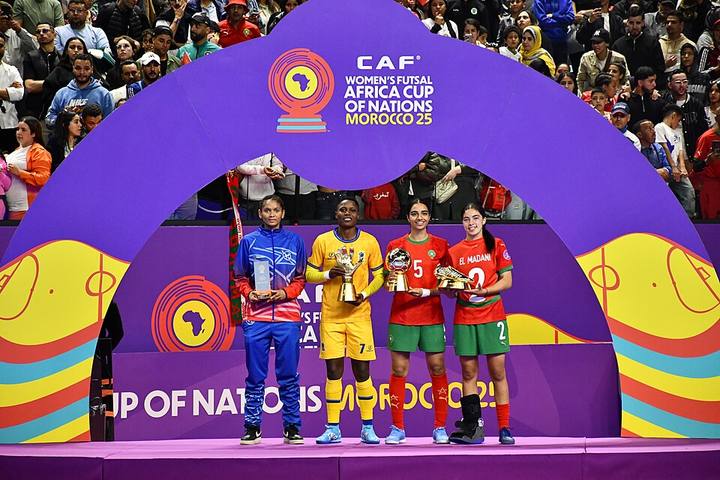
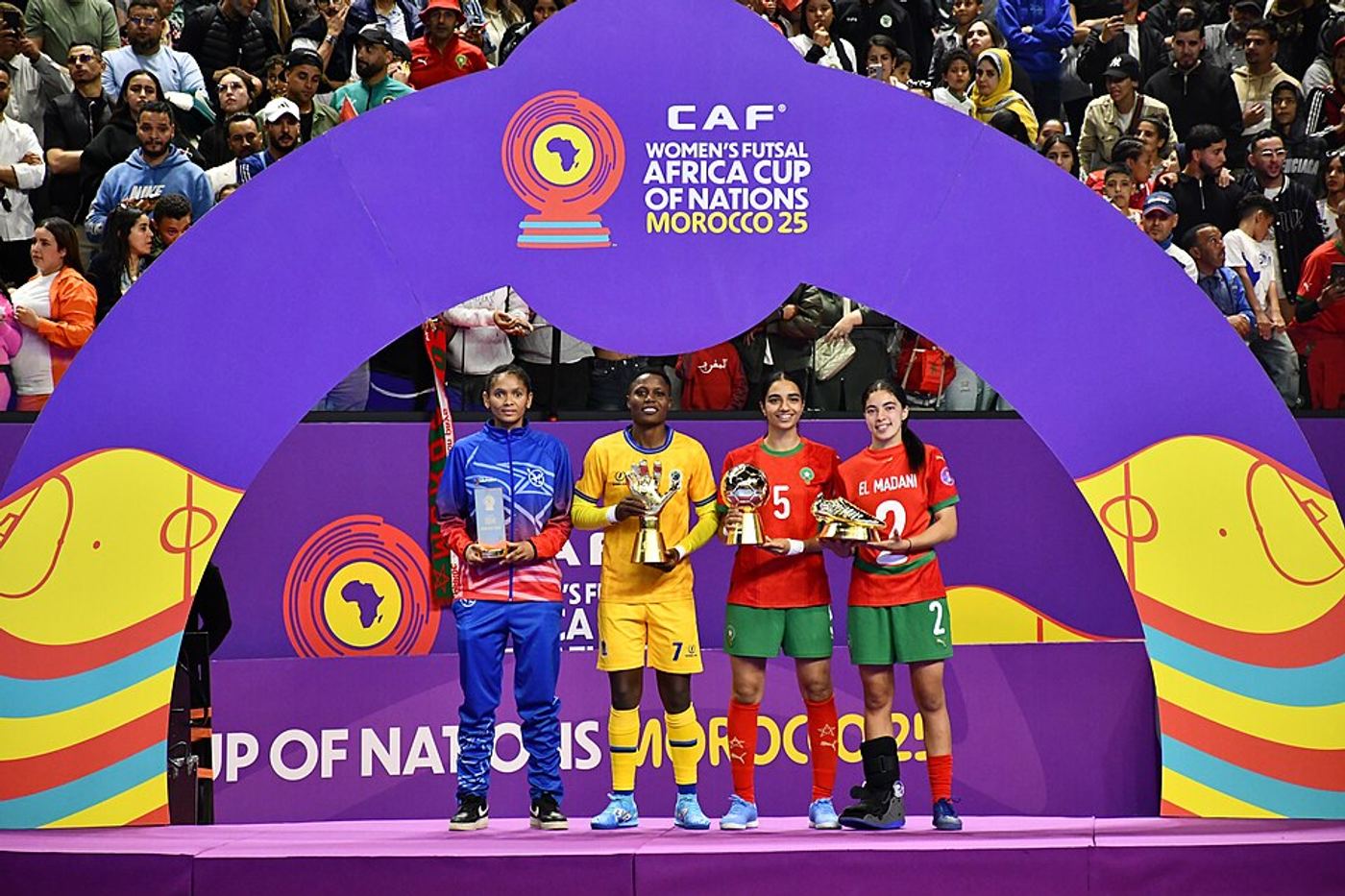
IMAGE · Reda benkhadra · CC BY-SA 4.0 · Wikimedia Commons

There is a tournament happening on African soil right now that carries more institutional weight than any women's football competition this continent has previously hosted. Not because the football will necessarily be better though the squads suggest it might be but because WAFCON 2026 arrives at a precise historical inflection point: the moment when African women's football is either formalised into something durable or allowed, once again, to dissipate between cycles. The thread connecting Morocco's hosting duties, Angola's league announcement, the delayed scheduling, and the World Cup qualification stakes is not coincidental. It is structural and structural is exactly what African women's football has been denied for too long.

Start with what Morocco agreed to carry. The 2026 edition was rescheduled before it arrived, a fact that [1] contextualises as more than administrative inconvenience — every delay, venue choice, and qualification twist now carries explicit weight in the broader fight for institutional parity with the men's game. Morocco, already tested by its extraordinary men's World Cup 2022 run to the semi-finals, is now being asked to do something arguably harder: make the infrastructure built for elite football feel native to the women's game, not borrowed. The stadia, the broadcast positioning, the crowd experience — these are not decorative questions, they are the metrics against which women's football in Africa will be judged by sponsors, federations, and broadcasters making investment decisions with five to ten year horizons.

Then there is the World Cup dimension, which changes the competitive grammar of every single match. WAFCON 2026 doubles as a FIFA Women's World Cup qualifier [2], which means the group stage is not a warm up act — it is a de facto elimination round for global berths. Every nation that qualified did so knowing that continental pride and a World Cup ticket are the same conversation. That compression of stakes is unprecedented in the women's tournament history, and it reshapes how we should read the squad lists.

Those squad lists matter more than the punditry usually allows [3]. What they reveal — across all the qualifying nations is both the genuine depth that has emerged in the continent's talent pipelines and the yawning gaps that still exist. Some federations have arrived in Morocco with technically sophisticated squads built through consistent domestic league exposure and diaspora recruitment. Others are relying on a thin layer of European based professionals sitting above a domestic structure that barely exists. That inequality is not just a football problem, it is a political economy problem: the countries with functional women's leagues produce squads; the countries without them produce hope.

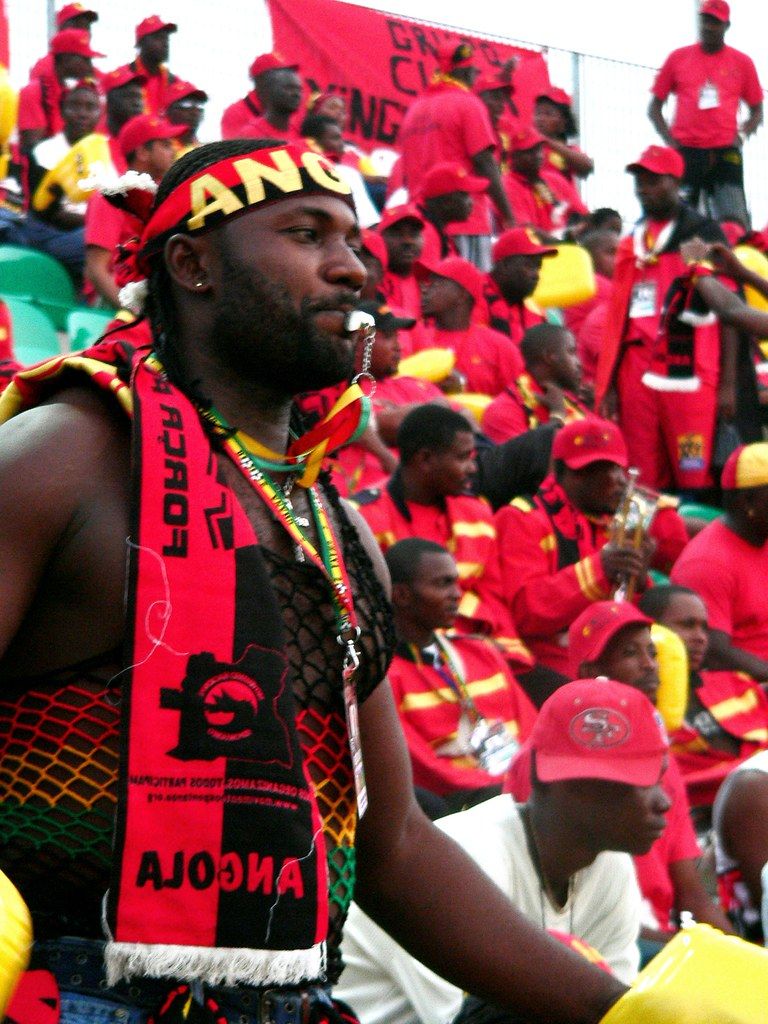
Which is precisely why Angola's announcement deserves to be read alongside WAFCON rather than in a separate sports development silo. The Angolan Football Federation plans to launch the country's first women's league December 2026 [4] is not a footnote but It is a data point in the continental argument. Angola is a Southern African football nation with serious men's football infrastructure and a complete absence of the equivalent for women. The December timeline, coming months after WAFCON concludes is not coincidental. Tournaments create political permission, the visibility generated by WAFCON, the conversations it forces inside federations and government sports ministries, the proof of concept it provides for women's football as a viable broadcast and attendance product: all of that creates the conditions in which a federation can finally make the argument internally that a women's league is worth the administrative and financial commitment. Angola is not alone in this calculation; it is simply the one that has announced it.

STRATA-AF™

Keep reading this Original

Sign in or sign up to finish this story, get your personalised feed, and unlock every Strata-AF™ Original.

SIGN IN / SIGN UP
READ NEXT
Are Africa's 2026 World Cup Teams Finally Built to Last?
SPORTSSTRATA-AF™ ORIGINAL
Are Africa's 2026 World Cup Teams Finally Built to Last?
Pan-African6 MINREAD →
Angola Plans Historic Launch of Women's Football League For December
SPORTSAllAfrica
Angola Plans Historic Launch of Women's Football League For December
South Africa2 MINREAD →
--:--LAGOS
STRATA-AF™
ISSUE 001FEED◎ SEARCHSUBSCRIBE
/shows/data/docs
sports★ STRATA-AF™ ORIGINAL
The Tournament That Will Define African Women's Football For a Generation
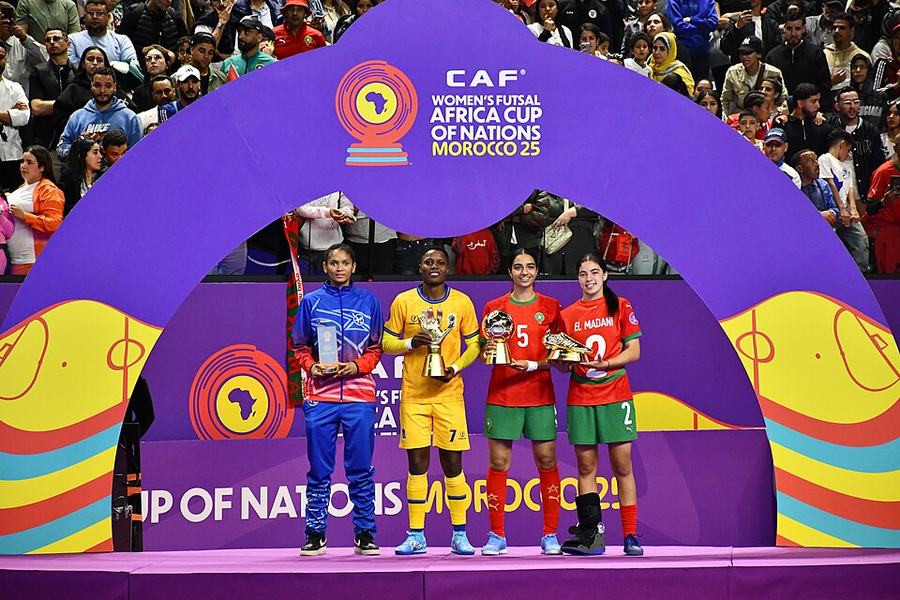
IMAGE · Reda benkhadra · CC BY-SA 4.0 · Wikimedia Commons
The Tournament That Will Define African Women's Football For a Generation

Morocco hosts a rescheduled, World Cup qualifying WAFCON 2026 at a moment when Angola is building its first women's league and squad depth across the continent is finally real...

Pan-African2 MIN READ
LISTEN TO STRATA-AF™ NOTE
Share

There is a tournament happening on African soil right now that carries more institutional weight than any women's football competition this continent has previously hosted. Not because the football will necessarily be better though the squads suggest it might be but because WAFCON 2026 arrives at a precise historical inflection point: the moment when African women's football is either formalised into something durable or allowed, once again, to dissipate between cycles. The thread connecting Morocco's hosting duties, Angola's league announcement, the delayed scheduling, and the World Cup qualification stakes is not coincidental. It is structural and structural is exactly what African women's football has been denied for too long.

Start with what Morocco agreed to carry. The 2026 edition was rescheduled before it arrived, a fact that [1] contextualises as more than administrative inconvenience — every delay, venue choice, and qualification twist now carries explicit weight in the broader fight for institutional parity with the men's game. Morocco, already tested by its extraordinary men's World Cup 2022 run to the semi-finals, is now being asked to do something arguably harder: make the infrastructure built for elite football feel native to the women's game, not borrowed. The stadia, the broadcast positioning, the crowd experience — these are not decorative questions, they are the metrics against which women's football in Africa will be judged by sponsors, federations, and broadcasters making investment decisions with five to ten year horizons.

Then there is the World Cup dimension, which changes the competitive grammar of every single match. WAFCON 2026 doubles as a FIFA Women's World Cup qualifier [2], which means the group stage is not a warm up act — it is a de facto elimination round for global berths. Every nation that qualified did so knowing that continental pride and a World Cup ticket are the same conversation. That compression of stakes is unprecedented in the women's tournament history, and it reshapes how we should read the squad lists.

Those squad lists matter more than the punditry usually allows [3]. What they reveal — across all the qualifying nations is both the genuine depth that has emerged in the continent's talent pipelines and the yawning gaps that still exist. Some federations have arrived in Morocco with technically sophisticated squads built through consistent domestic league exposure and diaspora recruitment. Others are relying on a thin layer of European based professionals sitting above a domestic structure that barely exists. That inequality is not just a football problem, it is a political economy problem: the countries with functional women's leagues produce squads; the countries without them produce hope.

Which is precisely why Angola's announcement deserves to be read alongside WAFCON rather than in a separate sports development silo. The Angolan Football Federation plans to launch the country's first women's league December 2026 [4] is not a footnote but It is a data point in the continental argument. Angola is a Southern African football nation with serious men's football infrastructure and a complete absence of the equivalent for women. The December timeline, coming months after WAFCON concludes is not coincidental. Tournaments create political permission, the visibility generated by WAFCON, the conversations it forces inside federations and government sports ministries, the proof of concept it provides for women's football as a viable broadcast and attendance product: all of that creates the conditions in which a federation can finally make the argument internally that a women's league is worth the administrative and financial commitment. Angola is not alone in this calculation; it is simply the one that has announced it.

STRATA-AF™

Keep reading this Original

Sign in or sign up to finish this story, get your personalised feed, and unlock every Strata-AF™ Original.

SIGN IN / SIGN UP
VERTICAL
sports
ORIGIN
Pan-African
READ NEXT2 PIECES SELECTED BY OUR EDITORS
SPORTS
Are Africa's 2026 World Cup Teams Finally Built to Last?
From Cape Verde's shock runs to Algeria's continental expectations, Africa's expanded nine-team presence at the 2026 World Cup is forcing a reckoning: are these teams turning historic exits into sustained knockout power?
Pan-African6 MINREAD →
SPORTS
Angola Plans Historic Launch of Women's Football League For December
The Angolan Football Federation announces preparations for launching the country's first women's league this December, marking a significant milestone for women's sports development in Southern Africa.
South Africa2 MINREAD →
CULTURE · MUSIC · FILM · TECH · SPORT · POLITICS · HEALTH · FINANCE · RELIGION · FASHION · LAGOS · NAIROBI · JOBURG · ACCRA · DATA JOURNALISM · ORIGINAL REPORTING · THE ACTUAL VERSION ·CULTURE · MUSIC · FILM · TECH · SPORT · POLITICS · HEALTH · FINANCE · RELIGION · FASHION · LAGOS · NAIROBI · JOBURG · ACCRA · DATA JOURNALISM · ORIGINAL REPORTING · THE ACTUAL VERSION ·
Premium editorial for a continent that's done waiting to be covered.

Not the export-market version. Not the diaspora version. The actual version — written by the people who live there.

Verticals
CultureMusicFilmTechSportsPolitics
HUBS
Strata-AF OriginalsDataDocsNewsletterArchiveShows
Company
AboutMissionManifestoLegal
REACH
10VERTICALS
6CONTENT TYPES
5CITIES
1STANDARD
© 2026 STRATA-AF™ · STRATA PUBLISHING CO LTD · LAGOS · JOBURG · NAIROBI · ACCRAPRIVACYTERMSCORRECTIONSMASTHEAD
 
 
--:--LAGOS
CultureMusicFilmTechSportsPoliticsHealthFinanceReligionFashion
Highlights
Strata-AF
Editor's Pick
From the web
CULTUREFROM THE WEB★ EDITOR'S PICK
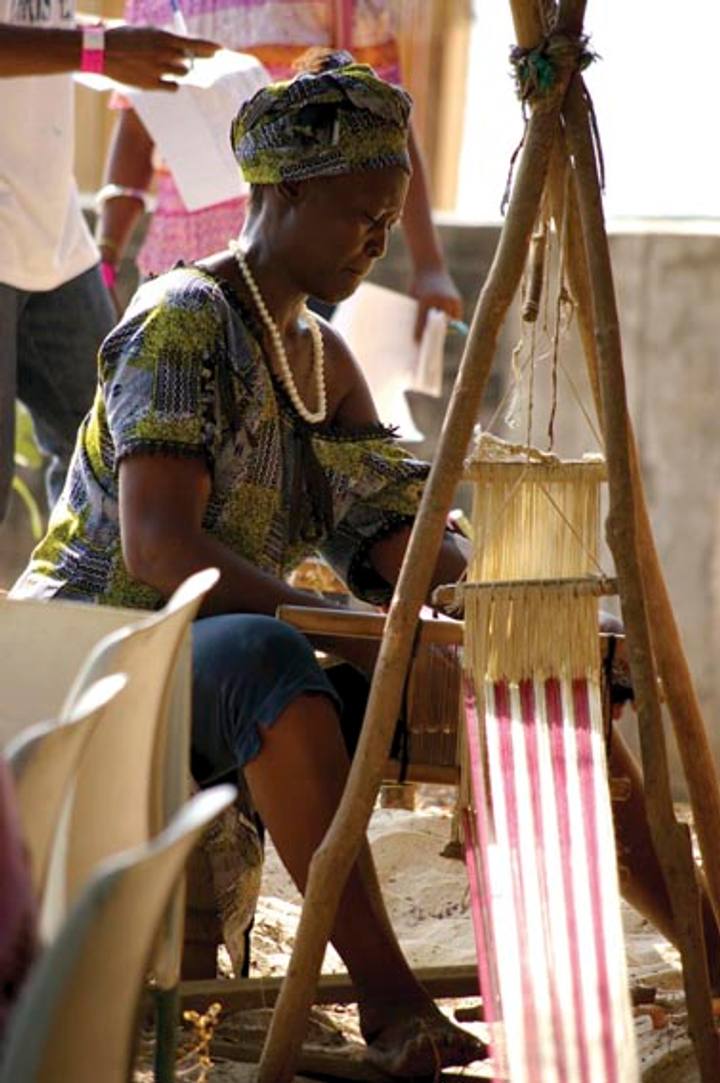
Sierra Leone's Weavers Are Building Export Value. Who Gets to Keep It?
Krio cloth and country weaves are entering global fashion circuits, but without IP frameworks and formalised supply chains, Sierra Leone risks feeding a value chain it will never own repeating the extractive pattern that hollowed out the continent's commodity economies.
Pan-African2 MINREAD →
SPORTSFROM THE WEB★ EDITOR'S PICK
The Tournament That Will Define African Women's Football For a Generation
Morocco hosts a rescheduled, World Cup qualifying WAFCON 2026 at a moment when Angola is building its first women's league and squad depth across the continent is finally real...
Pan-African2 MINREAD →
SPORTSFROM THE WEB★ EDITOR'S PICK
The Junta Trio Wants to Host AFCON 2032. That Should Trouble Everyone.
Burkina Faso, Mali and Niger's joint bid isn't a football story but rather a legitimacy acquisition strategy by three military governments, and CAF's procedural silence is complicity by another name.
Pan-African2 MINREAD →
FINANCEFROM THE WEBSTRATA-AF™ ORIGINAL
How African Family Fortunes Vanish in One Generation
Without wills, trusts, or succession plans, African family wealth is systematically dissolved within a decade of a founder's death. High savings rates are masking a structural inheritance failure that no accelerator programme can fix.
Pan-AfricanREAD →
HEALTHFROM THE WEBSTRATA-AF™ ORIGINAL
$3.3B Funding Gap: When Donor Fatigue Meets Africa's Deadliest Disease
Malaria kills a child every two minutes yet the financing architecture keeping programmes alive is cracking. US aid contraction plus Global Fund pressure signals a cliff edge that public health messaging is not admitting publicly.
Pan-African2 MINREAD →
CULTUREFROM THE WEB★ EDITOR'S PICK
The Three African Cities Quietly Splitting Africa's Cultural Centre of Gravity
Lagos still gets the headlines, but the continent's real cultural infrastructure is being laid elsewhere — in summits, design schools, and financial frameworks that nobody's calling a movement yet.
Pan-African2 MINREAD →
FASHIONFROM THE WEB
African Designer Imane Ayissi Redefines Luxury On Paris Haute Couture Stage
Imane Ayissi's continued sole presence on the Paris haute couture calendar is less a triumph than an indictment African luxury craft remains a curiosity rather than a category, applauded yet structurally isolated from the industry's real capital flows.
CM1 MIN · AllAfrica Arts · 20 JUL
TECHFROM THE WEB★ EDITOR'S PICK
Uber to Acquire Glovo Across 50 Markets, Including Kenya, in Sh1.95tn Deal
Uber's $15 bn swallow of Delivery Hero's Glovo network is less a food delivery story than a logistics landgrab — whoever owns last mile infrastructure in Nairobi today owns the supply chain of East Africa tomorrow.
Kenya1 MIN · AllAfrica Latest · 18 JULREAD →
SPORTSFROM THE WEB★ EDITOR'S PICK
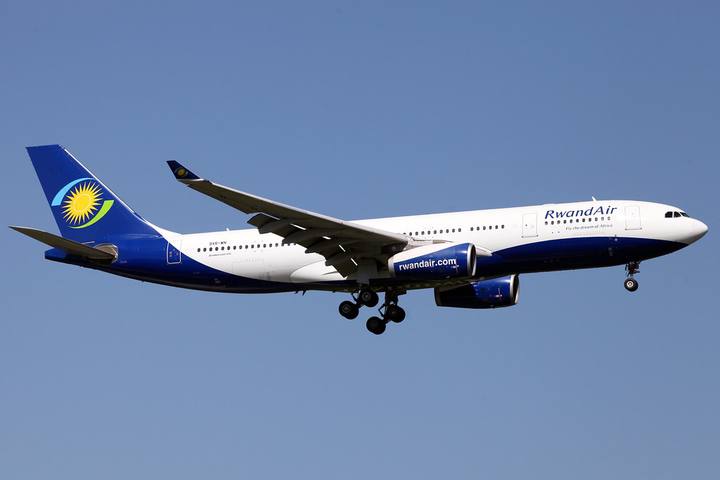
From Arsenal to Villa Park: How Rwanda Turned Football Shirts Into Foreign Policy
Visit Rwanda's sponsorship deals with Europe's biggest clubs aren't marketing buys, they're a calculated infrastructure play, converting broadcast minutes into tourist arrivals and geopolitical credibility...
Pan-African2 MINREAD →
FASHIONFROM THE WEB★ EDITOR'S PICK
African Fashion's Infrastructure Revolution
African designers didn't wait for a cover: they built storefronts, supply chains, and diaspora distribution networks. The gatekeepers missed the construction.
Pan-African2 MINREAD →
See all stories

The actual version — written by the people who live there.

10VERTICALS
6TYPES
5CITIES
1STANDARD
AboutMissionManifestoLegalOriginalsSubscribeArchiveShowsContributorsJobs
© 2026 STRATA-AF™ · STRATA PUBLISHING CO LTD · LAGOS · NAIROBI · JOBURG · ACCRA
 
 
--:--LAGOS
CultureMusicFilmTechSportsPoliticsHealthFinanceReligionFashion
sports★ STRATA-AF™ ORIGINAL
The Tournament That Will Define African Women's Football For a Generation

Morocco hosts a rescheduled, World Cup qualifying WAFCON 2026 at a moment when Angola is building its first women's league and squad depth across the continent is finally real...

Pan-African2 MIN
LISTEN TO STRATA-AF™ NOTE
Share
The Tournament That Will Define African Women's Football For a Generation

There is a tournament happening on African soil right now that carries more institutional weight than any women's football competition this continent has previously hosted. Not because the football will necessarily be better though the squads suggest it might be but because WAFCON 2026 arrives at a precise historical inflection point: the moment when African women's football is either formalised into something durable or allowed, once again, to dissipate between cycles. The thread connecting Morocco's hosting duties, Angola's league announcement, the delayed scheduling, and the World Cup qualification stakes is not coincidental. It is structural and structural is exactly what African women's football has been denied for too long.

Start with what Morocco agreed to carry. The 2026 edition was rescheduled before it arrived, a fact that [1] contextualises as more than administrative inconvenience — every delay, venue choice, and qualification twist now carries explicit weight in the broader fight for institutional parity with the men's game. Morocco, already tested by its extraordinary men's World Cup 2022 run to the semi-finals, is now being asked to do something arguably harder: make the infrastructure built for elite football feel native to the women's game, not borrowed. The stadia, the broadcast positioning, the crowd experience — these are not decorative questions, they are the metrics against which women's football in Africa will be judged by sponsors, federations, and broadcasters making investment decisions with five to ten year horizons.

Then there is the World Cup dimension, which changes the competitive grammar of every single match. WAFCON 2026 doubles as a FIFA Women's World Cup qualifier [2], which means the group stage is not a warm up act — it is a de facto elimination round for global berths. Every nation that qualified did so knowing that continental pride and a World Cup ticket are the same conversation. That compression of stakes is unprecedented in the women's tournament history, and it reshapes how we should read the squad lists.

Those squad lists matter more than the punditry usually allows [3]. What they reveal — across all the qualifying nations is both the genuine depth that has emerged in the continent's talent pipelines and the yawning gaps that still exist. Some federations have arrived in Morocco with technically sophisticated squads built through consistent domestic league exposure and diaspora recruitment. Others are relying on a thin layer of European based professionals sitting above a domestic structure that barely exists. That inequality is not just a football problem, it is a political economy problem: the countries with functional women's leagues produce squads; the countries without them produce hope.

Which is precisely why Angola's announcement deserves to be read alongside WAFCON rather than in a separate sports development silo. The Angolan Football Federation plans to launch the country's first women's league December 2026 [4] is not a footnote but It is a data point in the continental argument. Angola is a Southern African football nation with serious men's football infrastructure and a complete absence of the equivalent for women. The December timeline, coming months after WAFCON concludes is not coincidental. Tournaments create political permission, the visibility generated by WAFCON, the conversations it forces inside federations and government sports ministries, the proof of concept it provides for women's football as a viable broadcast and attendance product: all of that creates the conditions in which a federation can finally make the argument internally that a women's league is worth the administrative and financial commitment. Angola is not alone in this calculation; it is simply the one that has announced it.

STRATA-AF™

Keep reading this Original

Sign in or sign up to finish this story, get your personalised feed, and unlock every Strata-AF™ Original.

SIGN IN / SIGN UP
READ NEXT
--:--LAGOS
/shows/data/docs
sports★ STRATA-AF™ ORIGINAL
The Tournament That Will Define African Women's Football For a Generation
IMAGE · Reda benkhadra · CC BY-SA 4.0 · Wikimedia Commons
The Tournament That Will Define African Women's Football For a Generation

Morocco hosts a rescheduled, World Cup qualifying WAFCON 2026 at a moment when Angola is building its first women's league and squad depth across the continent is finally real...

Pan-African2 MIN READ
LISTEN TO STRATA-AF™ NOTE
Share

There is a tournament happening on African soil right now that carries more institutional weight than any women's football competition this continent has previously hosted. Not because the football will necessarily be better though the squads suggest it might be but because WAFCON 2026 arrives at a precise historical inflection point: the moment when African women's football is either formalised into something durable or allowed, once again, to dissipate between cycles. The thread connecting Morocco's hosting duties, Angola's league announcement, the delayed scheduling, and the World Cup qualification stakes is not coincidental. It is structural and structural is exactly what African women's football has been denied for too long.

Start with what Morocco agreed to carry. The 2026 edition was rescheduled before it arrived, a fact that [1] contextualises as more than administrative inconvenience — every delay, venue choice, and qualification twist now carries explicit weight in the broader fight for institutional parity with the men's game. Morocco, already tested by its extraordinary men's World Cup 2022 run to the semi-finals, is now being asked to do something arguably harder: make the infrastructure built for elite football feel native to the women's game, not borrowed. The stadia, the broadcast positioning, the crowd experience — these are not decorative questions, they are the metrics against which women's football in Africa will be judged by sponsors, federations, and broadcasters making investment decisions with five to ten year horizons.

Then there is the World Cup dimension, which changes the competitive grammar of every single match. WAFCON 2026 doubles as a FIFA Women's World Cup qualifier [2], which means the group stage is not a warm up act — it is a de facto elimination round for global berths. Every nation that qualified did so knowing that continental pride and a World Cup ticket are the same conversation. That compression of stakes is unprecedented in the women's tournament history, and it reshapes how we should read the squad lists.

Those squad lists matter more than the punditry usually allows [3]. What they reveal — across all the qualifying nations is both the genuine depth that has emerged in the continent's talent pipelines and the yawning gaps that still exist. Some federations have arrived in Morocco with technically sophisticated squads built through consistent domestic league exposure and diaspora recruitment. Others are relying on a thin layer of European based professionals sitting above a domestic structure that barely exists. That inequality is not just a football problem, it is a political economy problem: the countries with functional women's leagues produce squads; the countries without them produce hope.

Which is precisely why Angola's announcement deserves to be read alongside WAFCON rather than in a separate sports development silo. The Angolan Football Federation plans to launch the country's first women's league December 2026 [4] is not a footnote but It is a data point in the continental argument. Angola is a Southern African football nation with serious men's football infrastructure and a complete absence of the equivalent for women. The December timeline, coming months after WAFCON concludes is not coincidental. Tournaments create political permission, the visibility generated by WAFCON, the conversations it forces inside federations and government sports ministries, the proof of concept it provides for women's football as a viable broadcast and attendance product: all of that creates the conditions in which a federation can finally make the argument internally that a women's league is worth the administrative and financial commitment. Angola is not alone in this calculation; it is simply the one that has announced it.

STRATA-AF™

Keep reading this Original

Sign in or sign up to finish this story, get your personalised feed, and unlock every Strata-AF™ Original.

SIGN IN / SIGN UP
VERTICAL
sports
ORIGIN
Pan-African
READ NEXT2 PIECES SELECTED BY OUR EDITORS
CULTURE · MUSIC · FILM · TECH · SPORT · POLITICS · HEALTH · FINANCE · RELIGION · FASHION · LAGOS · NAIROBI · JOBURG · ACCRA · DATA JOURNALISM · ORIGINAL REPORTING · THE ACTUAL VERSION ·CULTURE · MUSIC · FILM · TECH · SPORT · POLITICS · HEALTH · FINANCE · RELIGION · FASHION · LAGOS · NAIROBI · JOBURG · ACCRA · DATA JOURNALISM · ORIGINAL REPORTING · THE ACTUAL VERSION ·
Premium editorial for a continent that's done waiting to be covered.

Not the export-market version. Not the diaspora version. The actual version — written by the people who live there.

Verticals
CultureMusicFilmTechSportsPolitics
HUBS
Strata-AF OriginalsDataDocsNewsletterArchiveShows
Company
AboutMissionManifestoLegal
REACH
10VERTICALS
6CONTENT TYPES
5CITIES
1STANDARD
© 2026 STRATA-AF™ · STRATA PUBLISHING CO LTD · LAGOS · JOBURG · NAIROBI · ACCRAPRIVACYTERMSCORRECTIONSMASTHEAD