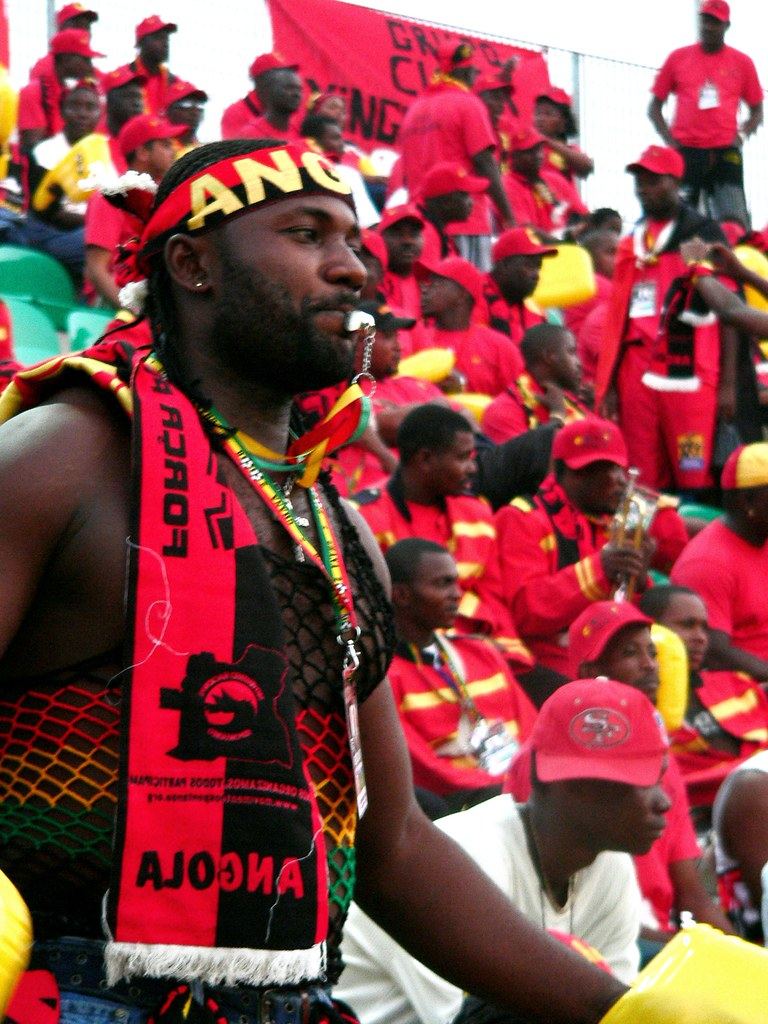
The Angolan Football Federation announces preparations for launching the country's first women's league this December, marking a significant milestone for women's sports development in Southern Africa.
Angola's inaugural women's football league represents a pivotal moment in the broader transformation of African sports infrastructure, challenging traditional gender barriers while creating new economic opportunities for female athletes. This development positions Angola as a regional leader in women's sports investment, potentially inspiring similar initiatives across Southern Africa and demonstrating how sports can drive social progress.
Angola's decision to establish a women's football league represents a pivotal moment for gender equality in sports across Southern Africa. The announcement by FAF Vice-President Ana Catarina Alberto signals Angola's commitment to addressing the historical marginalization of women's football, positioning the country as a potential leader in regional women's sports development.
The timing of this initiative reflects broader continental trends toward women's sports investment, particularly following the success of the Women's Africa Cup of Nations and increased CAF support for women's football. Angola's move could catalyze similar developments across the Southern African Development Community (SADC), where women's football infrastructure remains underdeveloped compared to men's competitions.
From an economic perspective, the women's league launch presents opportunities for local sponsorship, media rights, and youth development programs. However, sustainable funding models will be crucial for long-term success, particularly given Angola's oil-dependent economy and the need for diversified revenue streams in sports development.
The initiative also carries significant social implications for Angolan women's empowerment. Football leagues can serve as platforms for challenging traditional gender roles and creating professional pathways for young women. Success in Angola could inspire other Portuguese-speaking African nations to accelerate their own women's football programs.
The December timeline suggests serious institutional commitment, but implementation challenges remain substantial. Questions around stadium infrastructure, referee training, player compensation, and media coverage will determine whether this initiative becomes a sustainable success story or joins the ranks of well-intentioned but under-resourced African sports projects.
READ THE SOURCE REPORT FROM ALLAFRICA →Enjoying Strata-AF™?
Sign in or sign up for a personalised feed and unlock Strata-AF™ Originals.