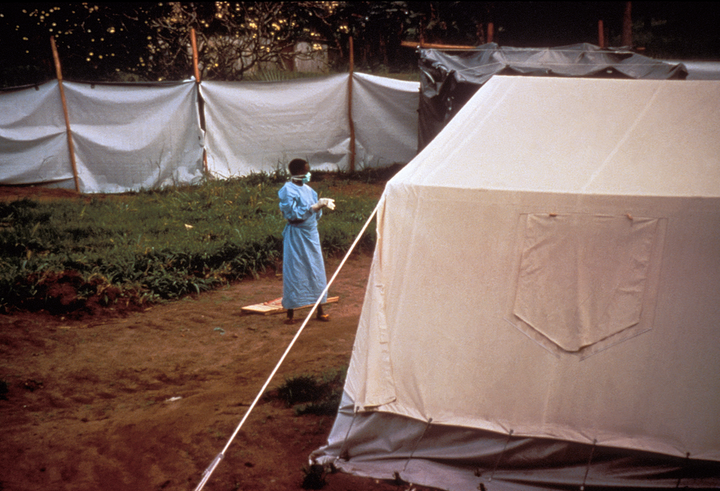
The Democratic Republic of Congo's final World Cup preparation match against Chile will proceed without spectators due to ongoing Ebola outbreak concerns in the central African nation.

The closed-door match highlights how health crises continue to intersect with Africa's sporting ambitions, potentially limiting the continent's ability to showcase its football talent on home soil. This underscores the ongoing challenge African nations face in balancing public health priorities with economic and cultural opportunities that major sporting events provide.
The decision to hold DR Congo's World Cup warm-up match against Chile behind closed doors represents a sobering intersection of public health imperatives and sporting ambitions. While the Congolese national team prepares for football's biggest stage, the shadow of Ebola continues to influence international perceptions and protocols surrounding the country, highlighting the persistent health vulnerabilities that plague much of the African continent.
This precautionary measure, though medically sound, underscores the broader challenges African nations face when health crises intersect with international sporting events. The decision reflects not just immediate safety concerns but also the lingering stigma and heightened scrutiny that African countries often endure during disease outbreaks, even when containment measures are in place.
The timing is particularly significant as it comes just before DR Congo's World Cup participation, potentially affecting team morale and preparation. For a nation where football serves as a unifying force amid ongoing political and economic challenges, the absence of fan support during this crucial preparation phase represents more than just an empty stadium. It symbolizes the isolation that health emergencies can impose on entire communities.
From a continental perspective, this situation illuminates the need for stronger health infrastructure and emergency preparedness across Africa. While individual outbreaks may be contained, their ripple effects on international relations, tourism, and sporting events demonstrate how health security remains intrinsically linked to broader development goals and Africa's integration with the global community.
The incident also raises questions about the balance between necessary health precautions and the potential for overreaction that can economically and socially penalize affected regions. As African nations continue to build their international sporting profiles, ensuring robust health systems becomes not just a domestic priority but a prerequisite for full participation in the global arena.
READ THE SOURCE REPORT FROM BBC →Enjoying Strata-AF™?
Sign in or sign up for a personalised feed and unlock Strata-AF™ Originals.