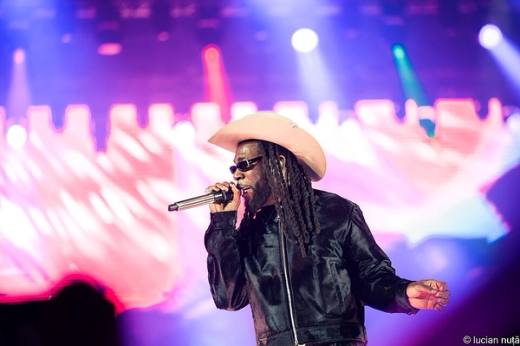
This gap mirrors a continent wide crisis: African artists drive global streaming culture while structural failures erase their earnings at the source.
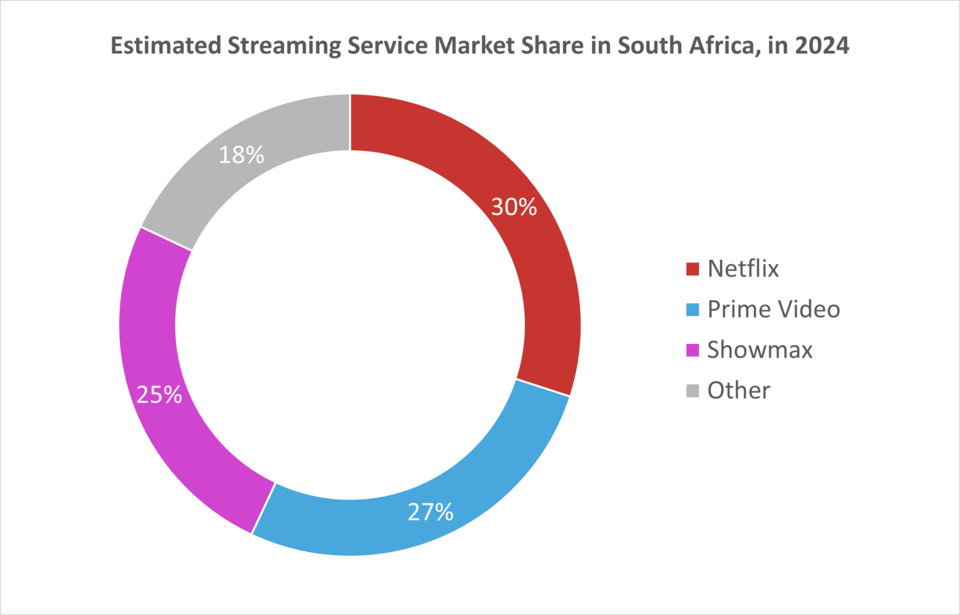
African music is not underperforming — it is underprotected. Spotify's own friendship-playlist data from Sub Saharan Africa reveals platforms actively monetising the continent's sonic exports back to African listeners, consolidating cultural soft power while routing revenue outward [5]. The platform profits; the pipeline back to artists remains thin.
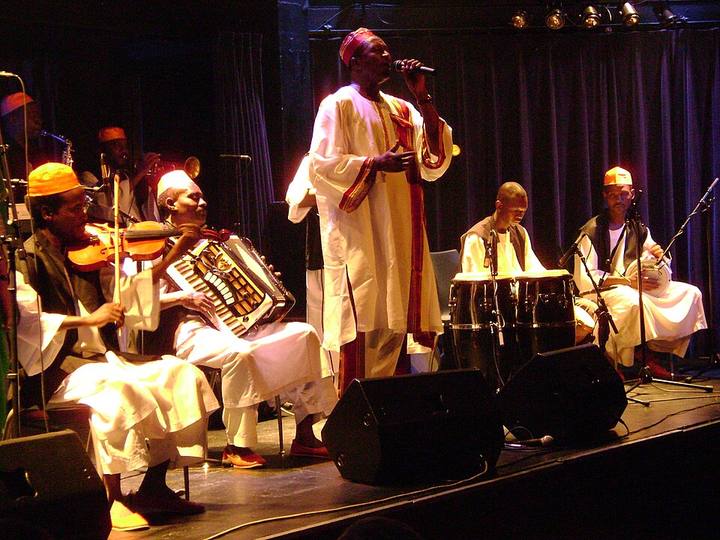
The Africa Rising Music Conference convened two full days on collaboration and innovation in 2026, yet left the room without resolving the streaming royalty splits that determine who actually earns [4]. Collaboration language filled the agenda; structural reform did not make the cut. When the conference that exists to advocate for African music will not move on splits, the silence becomes policy.
Repressive legislative environments compound the economic squeeze. Across Lagos and Accra, the two cities anchoring Afrobeats' global breakthrough — institutional failures and restrictive laws are threatening the very voices driving African cultural ascendancy [2]. Artists navigating censorship cannot simultaneously negotiate platform terms.
Keep reading this Original
Sign in or sign up to finish this story, get your personalised feed, and unlock every Strata-AF™ Original.
SIGN IN / SIGN UP