--:--LAGOS
CultureMusicFilmTechSportsPoliticsHealthFinanceReligionFashion
music★ STRATA-AF™ ORIGINAL
Music Is Starving in Sudan: How the RSF Silenced a Generation of Artists

The RSF's siege of Zamzam and el-Obeid isn't just displacing Sudan's musicians, it's also dismantling the infrastructure of a sonic culture that once toppled a dictator. When the ecosystem dies, the revolution loses its memory.
Sudan2 MIN
LISTEN TO STRATA-AF™ NOTE
Share
Music Is Starving in Sudan: How the RSF Silenced a Generation of Artists
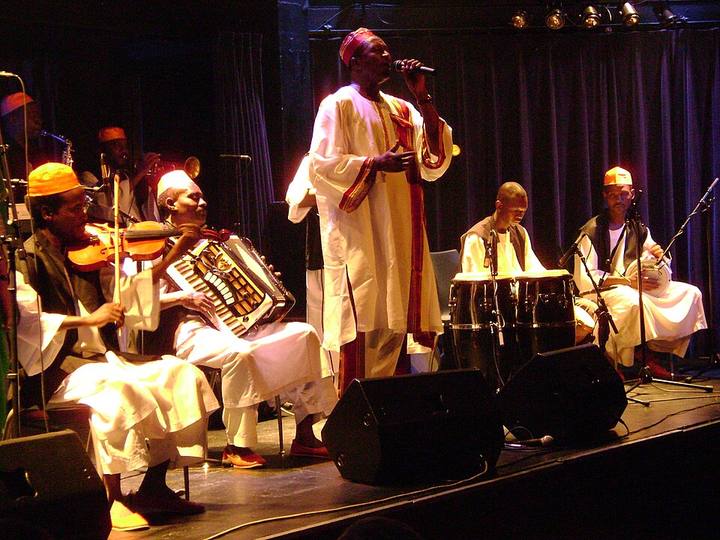
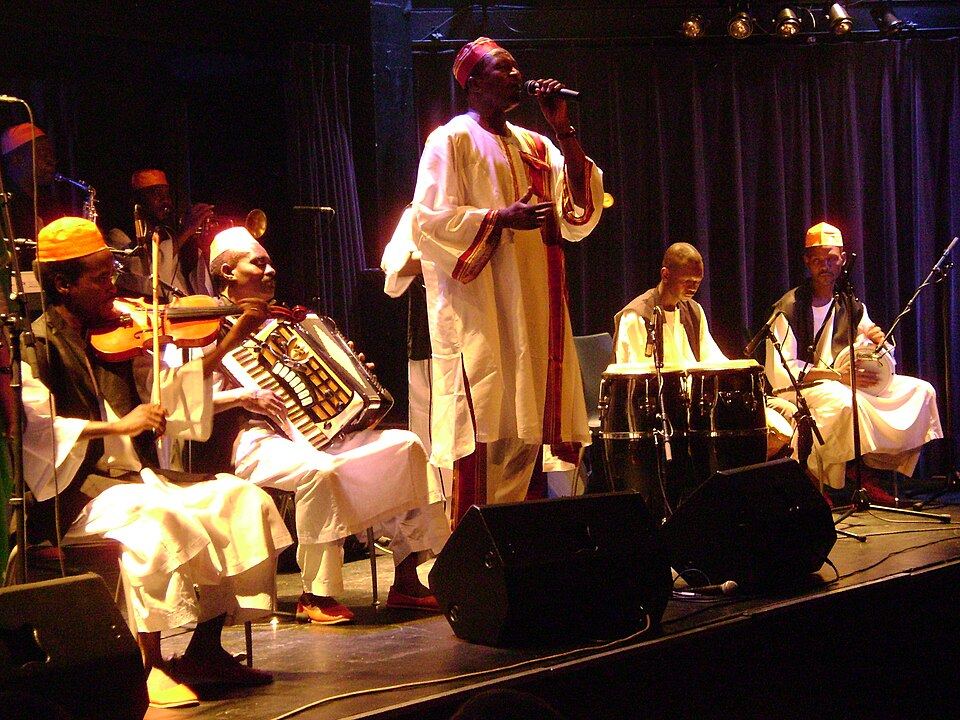
IMAGE · Svickova · Public domain · Wikimedia Commons

There is a particular kind of violence that doesn't make the wire reports. It doesn't show up in casualty counts or satellite imagery. It lives in the silence where music used to be in the shuttered rehearsal rooms, the disbanded ensembles, the WhatsApp groups where artists used to share demos that now go months without a message. In Sudan since 2025, that silence has become deafening and it is not accidental. It is the product of a war being waged among other things against the idea that Sudanese people have an interior life worth protecting.

To understand what is being lost, you have to understand what existed. Sudan's 2019 uprising was not just a political event — it was a sonic insurrection [5]. The sit in outside the military headquarters in Khartoum became a living festival, a space where poets, drummers, and singers performed through the night as a form of collective courage. Musicians didn't just soundtrack the revolution; they were its nervous system, translating grief into momentum, turning exhaustion into defiance. The music that helped dismantle Omar al-Bashir's thirty-year grip on the country was as structurally important as any street barricade [5]. That matters when you consider what is now being systematically erased.

The Rapid Support Forces — the paramilitary group that has been fighting the Sudanese Armed Forces since April 2023 have tightened their siege around Zamzam, one of the largest displacement camps in North Darfur, and are massing around el-Obeid, a strategic city whose fall would consolidate RSF control over enormous swaths of the country [4]. The pattern of atrocity fears is not new: el-Fasher has already seen documented horrors and international observers are watching el-Obeid with the specific dread of people who have seen this film before [4]. However, the frame of displacement and potential massacre, while accurate, is incomplete. It obscures what happens to a culture when its artists cannot work, cannot move, cannot gather, and in documented cases cannot survive. Sudan's music ecosystem was already fragile before now. Bashir's Islamist state had spent three decades suppressing folk and popular music, treating cultural expression as a national security threat.

The brief revolutionary opening between 2019 and 2021 was, among other things, an explosion of creative reclamation — artists returning from diaspora, new venues opening, younger musicians finding that the songs their elders sang in whispers could now be performed at volume [5]. That window has been slammed shut, and the hand doing the slamming holds an RSF issued rifle.

STRATA-AF™

Keep reading this Original

Sign in or sign up to finish this story, get your personalised feed, and unlock every Strata-AF™ Original.

SIGN IN / SIGN UP

READ NEXT
African Artists Chart New Paths as Global Music Ecosystem Shifts
MUSICSTRATA-AF™ ORIGINAL
African Artists Chart New Paths as Global Music Ecosystem Shifts
2 MINREAD →
The Double Tax: Why Every Stream Costs African Artists Twice
MUSICSTRATA-AF™ ORIGINAL
The Double Tax: Why Every Stream Costs African Artists Twice
Pan-African7 MINREAD →
--:--LAGOS
STRATA-AF™
ISSUE 001FEED◎ SEARCHSUBSCRIBE
/shows/data/docs
music★ STRATA-AF™ ORIGINAL
Music Is Starving in Sudan: How the RSF Silenced a Generation of Artists
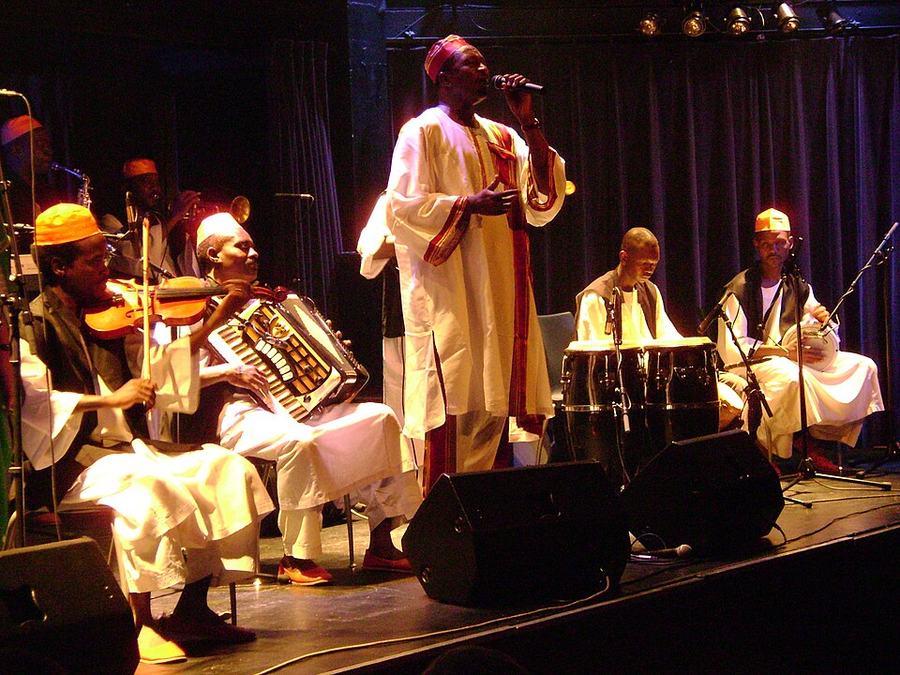
IMAGE · Svickova · Public domain · Wikimedia Commons
Music Is Starving in Sudan: How the RSF Silenced a Generation of Artists

The RSF's siege of Zamzam and el-Obeid isn't just displacing Sudan's musicians, it's also dismantling the infrastructure of a sonic culture that once toppled a dictator. When the ecosystem dies, the revolution loses its memory.

Sudan2 MIN READ
LISTEN TO STRATA-AF™ NOTE
Share

There is a particular kind of violence that doesn't make the wire reports. It doesn't show up in casualty counts or satellite imagery. It lives in the silence where music used to be in the shuttered rehearsal rooms, the disbanded ensembles, the WhatsApp groups where artists used to share demos that now go months without a message. In Sudan since 2025, that silence has become deafening and it is not accidental. It is the product of a war being waged among other things against the idea that Sudanese people have an interior life worth protecting.

To understand what is being lost, you have to understand what existed. Sudan's 2019 uprising was not just a political event — it was a sonic insurrection [5]. The sit in outside the military headquarters in Khartoum became a living festival, a space where poets, drummers, and singers performed through the night as a form of collective courage. Musicians didn't just soundtrack the revolution; they were its nervous system, translating grief into momentum, turning exhaustion into defiance. The music that helped dismantle Omar al-Bashir's thirty-year grip on the country was as structurally important as any street barricade [5]. That matters when you consider what is now being systematically erased.

The Rapid Support Forces — the paramilitary group that has been fighting the Sudanese Armed Forces since April 2023 have tightened their siege around Zamzam, one of the largest displacement camps in North Darfur, and are massing around el-Obeid, a strategic city whose fall would consolidate RSF control over enormous swaths of the country [4]. The pattern of atrocity fears is not new: el-Fasher has already seen documented horrors and international observers are watching el-Obeid with the specific dread of people who have seen this film before [4]. However, the frame of displacement and potential massacre, while accurate, is incomplete. It obscures what happens to a culture when its artists cannot work, cannot move, cannot gather, and in documented cases cannot survive. Sudan's music ecosystem was already fragile before now. Bashir's Islamist state had spent three decades suppressing folk and popular music, treating cultural expression as a national security threat.

The brief revolutionary opening between 2019 and 2021 was, among other things, an explosion of creative reclamation — artists returning from diaspora, new venues opening, younger musicians finding that the songs their elders sang in whispers could now be performed at volume [5]. That window has been slammed shut, and the hand doing the slamming holds an RSF issued rifle.

STRATA-AF™

Keep reading this Original

Sign in or sign up to finish this story, get your personalised feed, and unlock every Strata-AF™ Original.

SIGN IN / SIGN UP
VERTICAL
music
ORIGIN
Sudan
READ NEXT2 PIECES SELECTED BY OUR EDITORS
MUSIC
African Artists Chart New Paths as Global Music Ecosystem Shifts
From Ghana's hip-hop wordplay to South Africa's electronic evolution, African musicians are redefining success beyond Western validation while building homegrown ecosystems.
2 MINREAD →
MUSIC
The Double Tax: Why Every Stream Costs African Artists Twice
DSPs bill African artists in dollars, pay out in devalued local currencies, and pocket the spread. It's not a glitch, it's an extraction that compounds with every play and quietly hollows out the continent's music economy.
Pan-African7 MINREAD →
CULTURE · MUSIC · FILM · TECH · SPORT · POLITICS · HEALTH · FINANCE · RELIGION · FASHION · LAGOS · NAIROBI · JOBURG · ACCRA · DATA JOURNALISM · ORIGINAL REPORTING · THE ACTUAL VERSION ·CULTURE · MUSIC · FILM · TECH · SPORT · POLITICS · HEALTH · FINANCE · RELIGION · FASHION · LAGOS · NAIROBI · JOBURG · ACCRA · DATA JOURNALISM · ORIGINAL REPORTING · THE ACTUAL VERSION ·
Premium editorial for a continent that's done waiting to be covered.

Not the export-market version. Not the diaspora version. The actual version — written by the people who live there.

Verticals
CultureMusicFilmTechSportsPolitics
HUBS
Strata-AF OriginalsDataDocsNewsletterArchiveShows
Company
AboutMissionManifestoLegal
REACH
10VERTICALS
6CONTENT TYPES
5CITIES
1STANDARD
© 2026 STRATA-AF™ · STRATA PUBLISHING CO LTD · LAGOS · JOBURG · NAIROBI · ACCRAPRIVACYTERMSCORRECTIONSMASTHEAD
 
 
--:--LAGOS
CultureMusicFilmTechSportsPoliticsHealthFinanceReligionFashion
Highlights
Strata-AF
Editor's Pick
From the web
SPORTSSTRATA-AF™STRATA-AF™ ORIGINAL
WAFCON 2026 Proved African Women's Football Is Ready. The Clubs Aren't.
2 MINREAD →
POLITICSSTRATA-AF™★ EDITOR'S PICK
The Lagos Cancellation Is Not About Tyla Really, Or Is It ?
Pan-African2 MINREAD →
MUSICSTRATA-AF™★ EDITOR'S PICK
Blood, Beats & Betrayal: How Family Killed P-Square
Nigeria2 MINREAD →
MUSICBY THE NUMBERSSTRATA-AF™ ORIGINAL
Where African Artists Earn, Lose, and Get Erased on Stream
Pan-African2 MINREAD →
HEALTHSTRATA-AF™★ EDITOR'S PICK
Uganda Held the Line on Ebola. Here's the Playbook Congo Needs Now
DR Congo2 MINREAD →
MUSICSTRATA-AF™STRATA-AF™ ORIGINAL
Music Is Starving in Sudan: How the RSF Silenced a Generation of Artists
Sudan2 MINREAD →
CULTURESTRATA-AF™★ EDITOR'S PICK
How BBNaija Rewired Nigerian Television And Everything Around It
Lagos, Pan-African2 MINREAD →
FASHIONSTRATA-AF™★ EDITOR'S PICK
Lagos Fashion Week's Green Push Is Either Africa's Best Bet or Its Greenest Greenwash
Pan-African2 MINREAD →
CULTURESTRATA-AF™★ EDITOR'S PICK
Dakar 2026 Is Africa's Olympic Moment
Senegal2 MINREAD →
SPORTSFROM THE WEB★ EDITOR'S PICK
Senegal set to make Olympic history with Dakar 2026 Youth Games
Dakar 2026 breaks a hosting monopoly that has excluded Africa from Olympic stewardship for over a century — the question is what institutional and economic legacy Senegal can extract from the moment.
Senegal1 MIN · Africanews · 25 JULREAD →
See all stories

The actual version — written by the people who live there.

10VERTICALS
6TYPES
5CITIES
1STANDARD
AboutMissionManifestoLegalOriginalsSubscribeArchiveShowsContributorsJobs
© 2026 STRATA-AF™ · STRATA PUBLISHING CO LTD · LAGOS · NAIROBI · JOBURG · ACCRA
 
 
--:--LAGOS
CultureMusicFilmTechSportsPoliticsHealthFinanceReligionFashion
music★ STRATA-AF™ ORIGINAL
Music Is Starving in Sudan: How the RSF Silenced a Generation of Artists

The RSF's siege of Zamzam and el-Obeid isn't just displacing Sudan's musicians, it's also dismantling the infrastructure of a sonic culture that once toppled a dictator. When the ecosystem dies, the revolution loses its memory.

Sudan2 MIN
LISTEN TO STRATA-AF™ NOTE
Share
Music Is Starving in Sudan: How the RSF Silenced a Generation of Artists

There is a particular kind of violence that doesn't make the wire reports. It doesn't show up in casualty counts or satellite imagery. It lives in the silence where music used to be in the shuttered rehearsal rooms, the disbanded ensembles, the WhatsApp groups where artists used to share demos that now go months without a message. In Sudan since 2025, that silence has become deafening and it is not accidental. It is the product of a war being waged among other things against the idea that Sudanese people have an interior life worth protecting.

To understand what is being lost, you have to understand what existed. Sudan's 2019 uprising was not just a political event — it was a sonic insurrection [5]. The sit in outside the military headquarters in Khartoum became a living festival, a space where poets, drummers, and singers performed through the night as a form of collective courage. Musicians didn't just soundtrack the revolution; they were its nervous system, translating grief into momentum, turning exhaustion into defiance. The music that helped dismantle Omar al-Bashir's thirty-year grip on the country was as structurally important as any street barricade [5]. That matters when you consider what is now being systematically erased.

The Rapid Support Forces — the paramilitary group that has been fighting the Sudanese Armed Forces since April 2023 have tightened their siege around Zamzam, one of the largest displacement camps in North Darfur, and are massing around el-Obeid, a strategic city whose fall would consolidate RSF control over enormous swaths of the country [4]. The pattern of atrocity fears is not new: el-Fasher has already seen documented horrors and international observers are watching el-Obeid with the specific dread of people who have seen this film before [4]. However, the frame of displacement and potential massacre, while accurate, is incomplete. It obscures what happens to a culture when its artists cannot work, cannot move, cannot gather, and in documented cases cannot survive. Sudan's music ecosystem was already fragile before now. Bashir's Islamist state had spent three decades suppressing folk and popular music, treating cultural expression as a national security threat.

The brief revolutionary opening between 2019 and 2021 was, among other things, an explosion of creative reclamation — artists returning from diaspora, new venues opening, younger musicians finding that the songs their elders sang in whispers could now be performed at volume [5]. That window has been slammed shut, and the hand doing the slamming holds an RSF issued rifle.

STRATA-AF™

Keep reading this Original

Sign in or sign up to finish this story, get your personalised feed, and unlock every Strata-AF™ Original.

SIGN IN / SIGN UP

READ NEXT
--:--LAGOS
/shows/data/docs
music★ STRATA-AF™ ORIGINAL
Music Is Starving in Sudan: How the RSF Silenced a Generation of Artists
IMAGE · Svickova · Public domain · Wikimedia Commons
Music Is Starving in Sudan: How the RSF Silenced a Generation of Artists

The RSF's siege of Zamzam and el-Obeid isn't just displacing Sudan's musicians, it's also dismantling the infrastructure of a sonic culture that once toppled a dictator. When the ecosystem dies, the revolution loses its memory.

Sudan2 MIN READ
LISTEN TO STRATA-AF™ NOTE
Share

There is a particular kind of violence that doesn't make the wire reports. It doesn't show up in casualty counts or satellite imagery. It lives in the silence where music used to be in the shuttered rehearsal rooms, the disbanded ensembles, the WhatsApp groups where artists used to share demos that now go months without a message. In Sudan since 2025, that silence has become deafening and it is not accidental. It is the product of a war being waged among other things against the idea that Sudanese people have an interior life worth protecting.

To understand what is being lost, you have to understand what existed. Sudan's 2019 uprising was not just a political event — it was a sonic insurrection [5]. The sit in outside the military headquarters in Khartoum became a living festival, a space where poets, drummers, and singers performed through the night as a form of collective courage. Musicians didn't just soundtrack the revolution; they were its nervous system, translating grief into momentum, turning exhaustion into defiance. The music that helped dismantle Omar al-Bashir's thirty-year grip on the country was as structurally important as any street barricade [5]. That matters when you consider what is now being systematically erased.

The Rapid Support Forces — the paramilitary group that has been fighting the Sudanese Armed Forces since April 2023 have tightened their siege around Zamzam, one of the largest displacement camps in North Darfur, and are massing around el-Obeid, a strategic city whose fall would consolidate RSF control over enormous swaths of the country [4]. The pattern of atrocity fears is not new: el-Fasher has already seen documented horrors and international observers are watching el-Obeid with the specific dread of people who have seen this film before [4]. However, the frame of displacement and potential massacre, while accurate, is incomplete. It obscures what happens to a culture when its artists cannot work, cannot move, cannot gather, and in documented cases cannot survive. Sudan's music ecosystem was already fragile before now. Bashir's Islamist state had spent three decades suppressing folk and popular music, treating cultural expression as a national security threat.

The brief revolutionary opening between 2019 and 2021 was, among other things, an explosion of creative reclamation — artists returning from diaspora, new venues opening, younger musicians finding that the songs their elders sang in whispers could now be performed at volume [5]. That window has been slammed shut, and the hand doing the slamming holds an RSF issued rifle.

STRATA-AF™

Keep reading this Original

Sign in or sign up to finish this story, get your personalised feed, and unlock every Strata-AF™ Original.

SIGN IN / SIGN UP

VERTICAL
music
ORIGIN
Sudan
READ NEXT2 PIECES SELECTED BY OUR EDITORS
CULTURE · MUSIC · FILM · TECH · SPORT · POLITICS · HEALTH · FINANCE · RELIGION · FASHION · LAGOS · NAIROBI · JOBURG · ACCRA · DATA JOURNALISM · ORIGINAL REPORTING · THE ACTUAL VERSION ·CULTURE · MUSIC · FILM · TECH · SPORT · POLITICS · HEALTH · FINANCE · RELIGION · FASHION · LAGOS · NAIROBI · JOBURG · ACCRA · DATA JOURNALISM · ORIGINAL REPORTING · THE ACTUAL VERSION ·
Premium editorial for a continent that's done waiting to be covered.

Not the export-market version. Not the diaspora version. The actual version — written by the people who live there.

Verticals
CultureMusicFilmTechSportsPolitics
HUBS
Strata-AF OriginalsDataDocsNewsletterArchiveShows
Company
AboutMissionManifestoLegal
REACH
10VERTICALS
6CONTENT TYPES
5CITIES
1STANDARD
© 2026 STRATA-AF™ · STRATA PUBLISHING CO LTD · LAGOS · JOBURG · NAIROBI · ACCRAPRIVACYTERMSCORRECTIONSMASTHEAD