From Cape Verde's shock runs to Algeria's continental expectations, Africa's expanded nine-team presence at the 2026 World Cup is forcing a reckoning: are these teams turning historic exits into sustained knockout power?
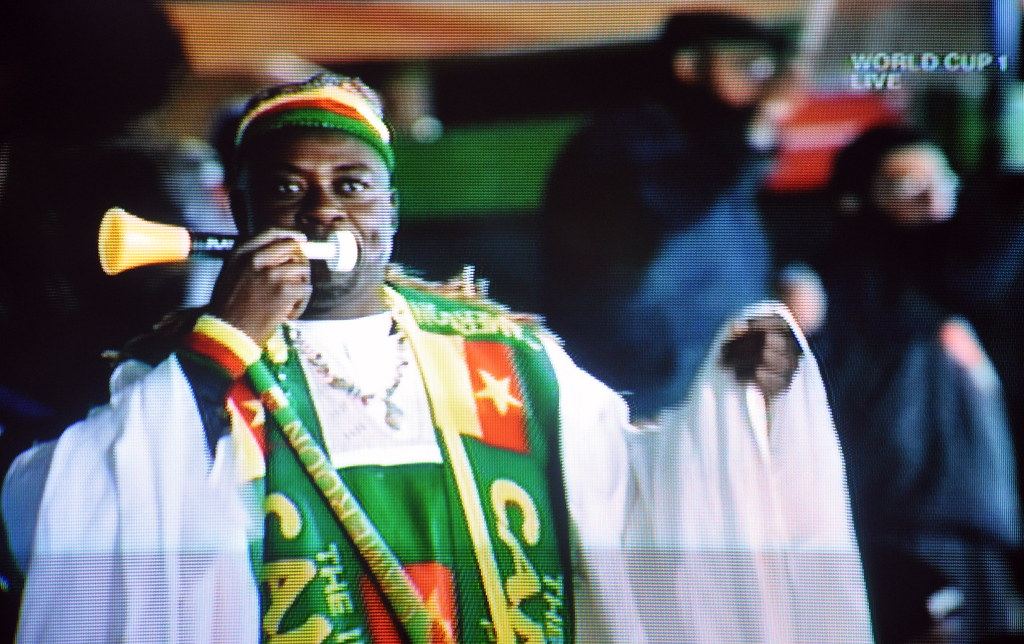
There is a thread running through Africa's 2026 World Cup campaign that no single match report has fully named. It is not about any one team's result. It is about whether the continent has finally moved from producing moments to producing systems: from heroic one-off runs to a durable, repeatable standard of deep tournament football. With nine CAF nations at this World Cup, the largest allocation the continent has ever held, the pressure is no longer just to qualify. It is to arrive, and to stay [2].
Start where the noise is loudest: the underdogs. Cape Verde and DR Congo have become the tournament's most-discussed African stories, not because they were expected to be, but precisely because they were not [1]. Neither nation belongs to the traditional hierarchy of African football: no AFCON dynasty, no continental dominance, no global superstar carrying the weight of expectation. What they carry instead is something harder to manufacture: the kind of collective hunger that emerges when a squad has nothing to lose and a continent watching with genuine curiosity. Cape Verde, a mid-Atlantic archipelago of fewer than 600,000 people, has repeatedly punched above its weight in recent CAF qualifying cycles, and the 2026 stage appears to be no different [1]. DR Congo, meanwhile, brings its own complicated narrative to the tournament.
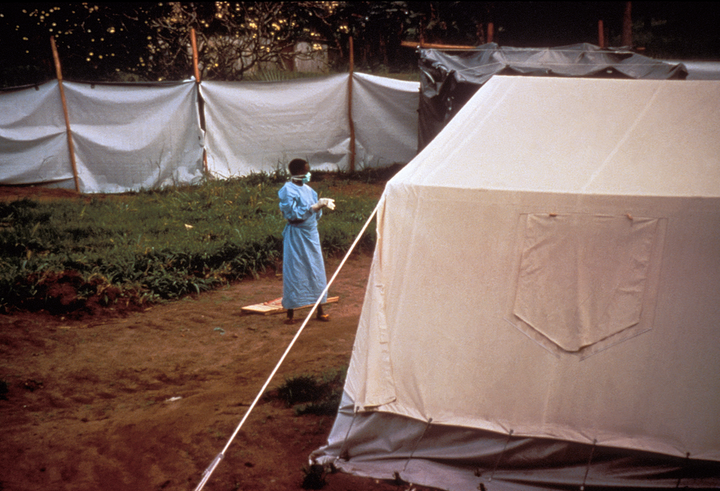
That narrative almost unravelled before it began. Congo's final World Cup warm-up match against Chile was held behind closed doors, no spectators, no atmosphere, because of active Ebola outbreak concerns in the country [4]. Think about what that asks of a squad: to prepare for the biggest stage on earth while your home nation is managing a public health emergency, while your federation navigates the optics of international football proceeding alongside a crisis. That the Congolese players showed up, competed, and have still managed to generate continental pride at the tournament itself is a story of psychological endurance as much as football ability [1][4]. The absence of crowds at that warm-up was not just a logistical footnote; it was a symbol of the compound weight African squads routinely carry to tournaments that teams from wealthier football nations simply do not.
Algeria entered 2026 as the team CAF itself publicly backed to shine. The Confederation of African Football framed the Desert Warriors as a flagship for continental ambition, expressing high expectations before a ball had been kicked in North America [3]. Algeria's squad (experienced, tactically coherent, with a core of players embedded in top European leagues) fits the profile of a team capable of making a deep run rather than an emotional exit. CAF's public endorsement was notable not just as institutional pride but as a signal about where the confederation sees its benchmark. It is not enough to qualify anymore. The bar, post-Morocco 2022, has been raised [2][3].
Keep reading this Original
Sign in or sign up to finish this story, get your personalised feed, and unlock every Strata-AF™ Original.
SIGN IN / SIGN UP