--:--LAGOS
CultureMusicFilmTechSportsPoliticsHealthFinanceReligionFashion
health★ STRATA-AF™ ORIGINAL
The Ebola Response Reveals Africa's Medical Sovereignty

As DRC deploys locally-manufactured vaccines and community health networks that outpace international aid, the West's colonial health frameworks continue to dictate African responses to African crises.
Kinshasa, DR Congo7 MIN · 1 JUNE 2026
LISTEN TO STRATA-AF™ NOTE
Share
The Ebola Response Reveals Africa's Medical Sovereignty
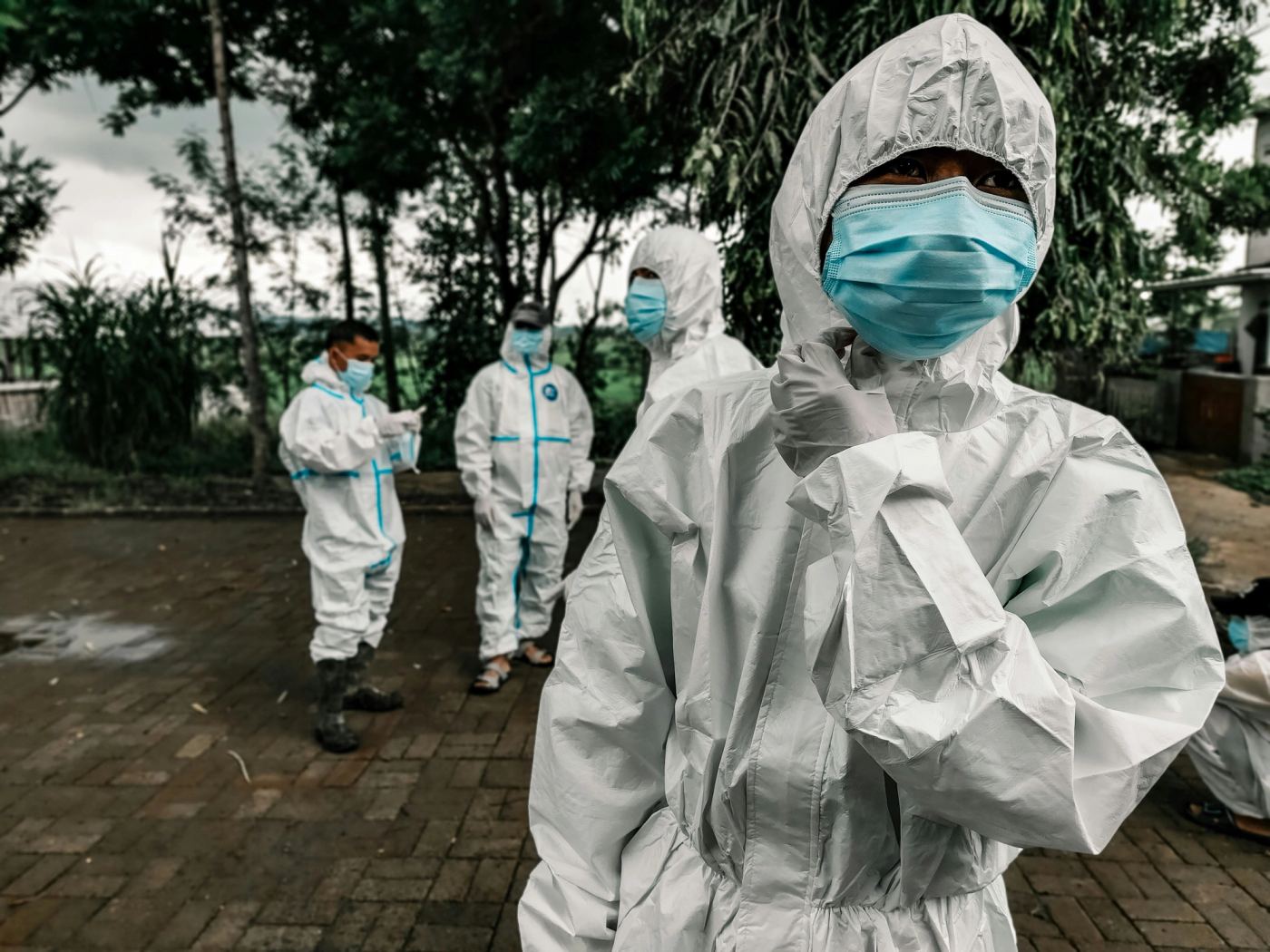
IMAGE · Gani Nurhakim by Unsplash · UNSPLASH

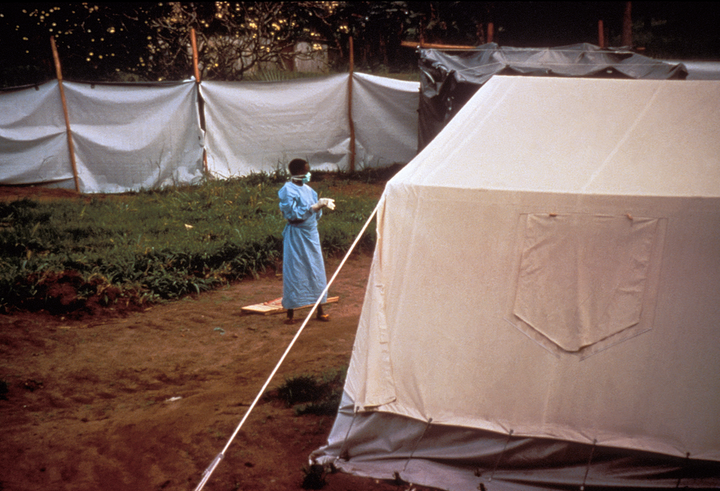
When the first Ebola survivor walked out of the Rwampara treatment center in eastern Democratic Republic of Congo this month, global media barely registered the moment. Yet this woman's recovery represents something Western health discourse rarely acknowledges: African medical systems saving African lives without waiting for external salvation narratives. Her survival is not an anomaly. It's evidence of a continental health infrastructure that has been quietly outpacing international expectations while the world obsesses over containment protocols that echo colonial-era panic.

The current Ebola outbreak across DRC and Uganda has killed between 30-50% of those infected, according to WHO Director-General Tedros Adhanom Ghebreyesus, who called for ceasefires among armed groups to prevent deaths from 'preventable disease.' Yet this framing, disease as external threat requiring international intervention, fundamentally misunderstands what's actually happening on the ground. The real story isn't about preventing African disease from spreading; it's about how Congolese medical infrastructure, built through decades of epidemic experience, is deploying locally-manufactured vaccines and rapid response protocols that put Western healthcare systems to shame.

The Sovereignty Problem

Consider the paradox: while the U.S. State Department coordinates with the CDC to mount what it calls a 'rapid and comprehensive response' to the outbreak, African survivors and health experts know that local knowledge, community trust, and African-led innovation were what ultimately contained the 2014 West Africa epidemic, not parachuted expertise. A decade later, the continent's homegrown health systems and cultural understanding remain the most effective weapons against any epidemic, yet global health funding still flows predominantly to foreign NGOs rather than strengthening African institutions.

This funding misdirection becomes particularly perverse when viewed alongside Uganda's concurrent struggle with tuberculosis, where aid cuts are now hitting frontline care just as the country faces the Ebola outbreak. The message is clear: Africa receives health attention only when crises threaten to cross borders, not when building the sustainable infrastructure that could prevent such crises entirely. Meanwhile, Uganda's Health Ministry has suspended concerts and public rallies over Ebola concerns, a blanket ban that treats communal celebration as inherently dangerous rather than investing in the robust public health infrastructure that would allow both safety and cultural continuity.

These restrictions reveal how Western disease frameworks continue to dictate African cultural expression. The knee-jerk criminalization of gatherings that form the backbone of East African social life echoes colonial-era restrictions that viewed African assembly as a threat to order. Uganda's swift border closure with DRC, while epidemiologically sound, exposes the brutal calculus that makes neighbors into barriers, forcing nations to choose between continental solidarity and domestic safety when robust health infrastructure could enable both.

STRATA-AF™

Keep reading this Original

Sign in or sign up to finish this story, get your personalised feed, and unlock every Strata-AF™ Original.

SIGN IN / SIGN UP
READ NEXT
Community outreach key to stopping Ebola outbreak, says Red Cross, as Uganda confirms 2 new cases
HEALTHAfricanews
Community outreach key to stopping Ebola outbreak, says Red Cross, as Uganda confirms 2 new cases
Uganda1 MINREAD →
Ebola outbreak could exceed 20,000 cases, CDC warns
HEALTHAfricanews
Ebola outbreak could exceed 20,000 cases, CDC warns
DR Congo2 MINREAD →
--:--LAGOS
STRATA-AF™
ISSUE 001FEED◎ SEARCHSUBSCRIBE
/shows/data/docs
health★ STRATA-AF™ ORIGINAL
The Ebola Response Reveals Africa's Medical Sovereignty
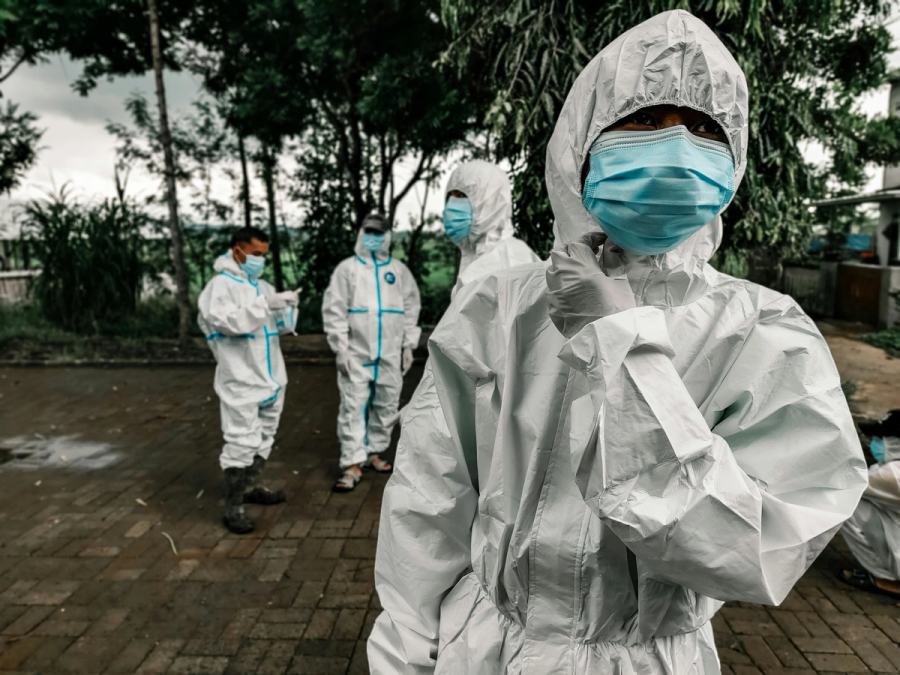
IMAGE · Gani Nurhakim by Unsplash · UNSPLASH
The Ebola Response Reveals Africa's Medical Sovereignty

As DRC deploys locally-manufactured vaccines and community health networks that outpace international aid, the West's colonial health frameworks continue to dictate African responses to African crises.

Kinshasa, DR Congo7 MIN READ · 1 JUNE 2026
LISTEN TO STRATA-AF™ NOTE
Share

When the first Ebola survivor walked out of the Rwampara treatment center in eastern Democratic Republic of Congo this month, global media barely registered the moment. Yet this woman's recovery represents something Western health discourse rarely acknowledges: African medical systems saving African lives without waiting for external salvation narratives. Her survival is not an anomaly. It's evidence of a continental health infrastructure that has been quietly outpacing international expectations while the world obsesses over containment protocols that echo colonial-era panic.

The current Ebola outbreak across DRC and Uganda has killed between 30-50% of those infected, according to WHO Director-General Tedros Adhanom Ghebreyesus, who called for ceasefires among armed groups to prevent deaths from 'preventable disease.' Yet this framing, disease as external threat requiring international intervention, fundamentally misunderstands what's actually happening on the ground. The real story isn't about preventing African disease from spreading; it's about how Congolese medical infrastructure, built through decades of epidemic experience, is deploying locally-manufactured vaccines and rapid response protocols that put Western healthcare systems to shame.

The Sovereignty Problem

Consider the paradox: while the U.S. State Department coordinates with the CDC to mount what it calls a 'rapid and comprehensive response' to the outbreak, African survivors and health experts know that local knowledge, community trust, and African-led innovation were what ultimately contained the 2014 West Africa epidemic, not parachuted expertise. A decade later, the continent's homegrown health systems and cultural understanding remain the most effective weapons against any epidemic, yet global health funding still flows predominantly to foreign NGOs rather than strengthening African institutions.

This funding misdirection becomes particularly perverse when viewed alongside Uganda's concurrent struggle with tuberculosis, where aid cuts are now hitting frontline care just as the country faces the Ebola outbreak. The message is clear: Africa receives health attention only when crises threaten to cross borders, not when building the sustainable infrastructure that could prevent such crises entirely. Meanwhile, Uganda's Health Ministry has suspended concerts and public rallies over Ebola concerns, a blanket ban that treats communal celebration as inherently dangerous rather than investing in the robust public health infrastructure that would allow both safety and cultural continuity.

These restrictions reveal how Western disease frameworks continue to dictate African cultural expression. The knee-jerk criminalization of gatherings that form the backbone of East African social life echoes colonial-era restrictions that viewed African assembly as a threat to order. Uganda's swift border closure with DRC, while epidemiologically sound, exposes the brutal calculus that makes neighbors into barriers, forcing nations to choose between continental solidarity and domestic safety when robust health infrastructure could enable both.

STRATA-AF™

Keep reading this Original

Sign in or sign up to finish this story, get your personalised feed, and unlock every Strata-AF™ Original.

SIGN IN / SIGN UP
VERTICAL
health
ORIGIN
Kinshasa, DR Congo
PUBLISHED
1 JUNE 2026
READ NEXT2 PIECES SELECTED BY OUR EDITORS
HEALTH
Community outreach key to stopping Ebola outbreak, says Red Cross, as Uganda confirms 2 new cases
Community outreach is key to stopping the Ebola outbreak, say Red Cross workers in the DRC's Ituri province, as across the border in Uganda, two new cases have been identified.
Uganda1 MINREAD →
HEALTH
Ebola outbreak could exceed 20,000 cases, CDC warns
A growing Ebola outbreak in Central Africa could surpass 20,000 cases within months if efforts to isolate infected people fail, according to new U.S. health projections.
DR Congo2 MINREAD →
CULTURE · MUSIC · FILM · TECH · SPORT · POLITICS · HEALTH · FINANCE · RELIGION · FASHION · LAGOS · NAIROBI · JOBURG · ACCRA · DATA JOURNALISM · ORIGINAL REPORTING · THE ACTUAL VERSION ·CULTURE · MUSIC · FILM · TECH · SPORT · POLITICS · HEALTH · FINANCE · RELIGION · FASHION · LAGOS · NAIROBI · JOBURG · ACCRA · DATA JOURNALISM · ORIGINAL REPORTING · THE ACTUAL VERSION ·
Premium editorial for a continent that's done waiting to be covered.

Not the export-market version. Not the diaspora version. The actual version — written by the people who live there.

Verticals
CultureMusicFilmTechSportsPolitics
HUBS
Strata-AF OriginalsDataDocsNewsletterArchiveShows
Company
AboutMissionManifestoLegal
REACH
10VERTICALS
6CONTENT TYPES
5CITIES
1STANDARD
© 2026 STRATA-AF™ · STRATA PUBLISHING CO LTD · LAGOS · JOBURG · NAIROBI · ACCRAPRIVACYTERMSCORRECTIONSMASTHEAD
 
 
--:--LAGOS
CultureMusicFilmTechSportsPoliticsHealthFinanceReligionFashion
Highlights
Strata-AF
Editor's Pick
From the web
SPORTSSTRATA-AF™STRATA-AF™ ORIGINAL
WAFCON 2026 Proved African Women's Football Is Ready. The Clubs Aren't.
2 MINREAD →
POLITICSSTRATA-AF™★ EDITOR'S PICK
The Lagos Cancellation Is Not About Tyla Really, Or Is It ?
Pan-African2 MINREAD →
MUSICSTRATA-AF™★ EDITOR'S PICK
Blood, Beats & Betrayal: How Family Killed P-Square
Nigeria2 MINREAD →
MUSICBY THE NUMBERSSTRATA-AF™ ORIGINAL
Where African Artists Earn, Lose, and Get Erased on Stream
Pan-African2 MINREAD →
HEALTHSTRATA-AF™★ EDITOR'S PICK
Uganda Held the Line on Ebola. Here's the Playbook Congo Needs Now
DR Congo2 MINREAD →
MUSICSTRATA-AF™STRATA-AF™ ORIGINAL
Music Is Starving in Sudan: How the RSF Silenced a Generation of Artists
Sudan2 MINREAD →
CULTURESTRATA-AF™★ EDITOR'S PICK
How BBNaija Rewired Nigerian Television And Everything Around It
Lagos, Pan-African2 MINREAD →
FASHIONSTRATA-AF™★ EDITOR'S PICK
Lagos Fashion Week's Green Push Is Either Africa's Best Bet or Its Greenest Greenwash
Pan-African2 MINREAD →
CULTURESTRATA-AF™★ EDITOR'S PICK
Dakar 2026 Is Africa's Olympic Moment
Senegal2 MINREAD →
SPORTSFROM THE WEB★ EDITOR'S PICK
Senegal set to make Olympic history with Dakar 2026 Youth Games
Dakar 2026 breaks a hosting monopoly that has excluded Africa from Olympic stewardship for over a century — the question is what institutional and economic legacy Senegal can extract from the moment.
Senegal1 MIN · Africanews · 25 JULREAD →
See all stories

The actual version — written by the people who live there.

10VERTICALS
6TYPES
5CITIES
1STANDARD
AboutMissionManifestoLegalOriginalsSubscribeArchiveShowsContributorsJobs
© 2026 STRATA-AF™ · STRATA PUBLISHING CO LTD · LAGOS · NAIROBI · JOBURG · ACCRA
 
 
--:--LAGOS
CultureMusicFilmTechSportsPoliticsHealthFinanceReligionFashion
health★ STRATA-AF™ ORIGINAL
The Ebola Response Reveals Africa's Medical Sovereignty

As DRC deploys locally-manufactured vaccines and community health networks that outpace international aid, the West's colonial health frameworks continue to dictate African responses to African crises.

Kinshasa, DR Congo7 MIN · 1 JUNE 2026
LISTEN TO STRATA-AF™ NOTE
Share
The Ebola Response Reveals Africa's Medical Sovereignty

When the first Ebola survivor walked out of the Rwampara treatment center in eastern Democratic Republic of Congo this month, global media barely registered the moment. Yet this woman's recovery represents something Western health discourse rarely acknowledges: African medical systems saving African lives without waiting for external salvation narratives. Her survival is not an anomaly. It's evidence of a continental health infrastructure that has been quietly outpacing international expectations while the world obsesses over containment protocols that echo colonial-era panic.

The current Ebola outbreak across DRC and Uganda has killed between 30-50% of those infected, according to WHO Director-General Tedros Adhanom Ghebreyesus, who called for ceasefires among armed groups to prevent deaths from 'preventable disease.' Yet this framing, disease as external threat requiring international intervention, fundamentally misunderstands what's actually happening on the ground. The real story isn't about preventing African disease from spreading; it's about how Congolese medical infrastructure, built through decades of epidemic experience, is deploying locally-manufactured vaccines and rapid response protocols that put Western healthcare systems to shame.

The Sovereignty Problem

Consider the paradox: while the U.S. State Department coordinates with the CDC to mount what it calls a 'rapid and comprehensive response' to the outbreak, African survivors and health experts know that local knowledge, community trust, and African-led innovation were what ultimately contained the 2014 West Africa epidemic, not parachuted expertise. A decade later, the continent's homegrown health systems and cultural understanding remain the most effective weapons against any epidemic, yet global health funding still flows predominantly to foreign NGOs rather than strengthening African institutions.

This funding misdirection becomes particularly perverse when viewed alongside Uganda's concurrent struggle with tuberculosis, where aid cuts are now hitting frontline care just as the country faces the Ebola outbreak. The message is clear: Africa receives health attention only when crises threaten to cross borders, not when building the sustainable infrastructure that could prevent such crises entirely. Meanwhile, Uganda's Health Ministry has suspended concerts and public rallies over Ebola concerns, a blanket ban that treats communal celebration as inherently dangerous rather than investing in the robust public health infrastructure that would allow both safety and cultural continuity.

These restrictions reveal how Western disease frameworks continue to dictate African cultural expression. The knee-jerk criminalization of gatherings that form the backbone of East African social life echoes colonial-era restrictions that viewed African assembly as a threat to order. Uganda's swift border closure with DRC, while epidemiologically sound, exposes the brutal calculus that makes neighbors into barriers, forcing nations to choose between continental solidarity and domestic safety when robust health infrastructure could enable both.

STRATA-AF™

Keep reading this Original

Sign in or sign up to finish this story, get your personalised feed, and unlock every Strata-AF™ Original.

SIGN IN / SIGN UP

READ NEXT
--:--LAGOS
/shows/data/docs
health★ STRATA-AF™ ORIGINAL
The Ebola Response Reveals Africa's Medical Sovereignty
IMAGE · Gani Nurhakim by Unsplash · UNSPLASH
The Ebola Response Reveals Africa's Medical Sovereignty

As DRC deploys locally-manufactured vaccines and community health networks that outpace international aid, the West's colonial health frameworks continue to dictate African responses to African crises.

Kinshasa, DR Congo7 MIN READ · 1 JUNE 2026
LISTEN TO STRATA-AF™ NOTE
Share

When the first Ebola survivor walked out of the Rwampara treatment center in eastern Democratic Republic of Congo this month, global media barely registered the moment. Yet this woman's recovery represents something Western health discourse rarely acknowledges: African medical systems saving African lives without waiting for external salvation narratives. Her survival is not an anomaly. It's evidence of a continental health infrastructure that has been quietly outpacing international expectations while the world obsesses over containment protocols that echo colonial-era panic.

The current Ebola outbreak across DRC and Uganda has killed between 30-50% of those infected, according to WHO Director-General Tedros Adhanom Ghebreyesus, who called for ceasefires among armed groups to prevent deaths from 'preventable disease.' Yet this framing, disease as external threat requiring international intervention, fundamentally misunderstands what's actually happening on the ground. The real story isn't about preventing African disease from spreading; it's about how Congolese medical infrastructure, built through decades of epidemic experience, is deploying locally-manufactured vaccines and rapid response protocols that put Western healthcare systems to shame.

The Sovereignty Problem

Consider the paradox: while the U.S. State Department coordinates with the CDC to mount what it calls a 'rapid and comprehensive response' to the outbreak, African survivors and health experts know that local knowledge, community trust, and African-led innovation were what ultimately contained the 2014 West Africa epidemic, not parachuted expertise. A decade later, the continent's homegrown health systems and cultural understanding remain the most effective weapons against any epidemic, yet global health funding still flows predominantly to foreign NGOs rather than strengthening African institutions.

This funding misdirection becomes particularly perverse when viewed alongside Uganda's concurrent struggle with tuberculosis, where aid cuts are now hitting frontline care just as the country faces the Ebola outbreak. The message is clear: Africa receives health attention only when crises threaten to cross borders, not when building the sustainable infrastructure that could prevent such crises entirely. Meanwhile, Uganda's Health Ministry has suspended concerts and public rallies over Ebola concerns, a blanket ban that treats communal celebration as inherently dangerous rather than investing in the robust public health infrastructure that would allow both safety and cultural continuity.

These restrictions reveal how Western disease frameworks continue to dictate African cultural expression. The knee-jerk criminalization of gatherings that form the backbone of East African social life echoes colonial-era restrictions that viewed African assembly as a threat to order. Uganda's swift border closure with DRC, while epidemiologically sound, exposes the brutal calculus that makes neighbors into barriers, forcing nations to choose between continental solidarity and domestic safety when robust health infrastructure could enable both.

STRATA-AF™

Keep reading this Original

Sign in or sign up to finish this story, get your personalised feed, and unlock every Strata-AF™ Original.

SIGN IN / SIGN UP

VERTICAL
health
ORIGIN
Kinshasa, DR Congo
PUBLISHED
1 JUNE 2026
READ NEXT2 PIECES SELECTED BY OUR EDITORS
CULTURE · MUSIC · FILM · TECH · SPORT · POLITICS · HEALTH · FINANCE · RELIGION · FASHION · LAGOS · NAIROBI · JOBURG · ACCRA · DATA JOURNALISM · ORIGINAL REPORTING · THE ACTUAL VERSION ·CULTURE · MUSIC · FILM · TECH · SPORT · POLITICS · HEALTH · FINANCE · RELIGION · FASHION · LAGOS · NAIROBI · JOBURG · ACCRA · DATA JOURNALISM · ORIGINAL REPORTING · THE ACTUAL VERSION ·
Premium editorial for a continent that's done waiting to be covered.

Not the export-market version. Not the diaspora version. The actual version — written by the people who live there.

Verticals
CultureMusicFilmTechSportsPolitics
HUBS
Strata-AF OriginalsDataDocsNewsletterArchiveShows
Company
AboutMissionManifestoLegal
REACH
10VERTICALS
6CONTENT TYPES
5CITIES
1STANDARD
© 2026 STRATA-AF™ · STRATA PUBLISHING CO LTD · LAGOS · JOBURG · NAIROBI · ACCRAPRIVACYTERMSCORRECTIONSMASTHEAD