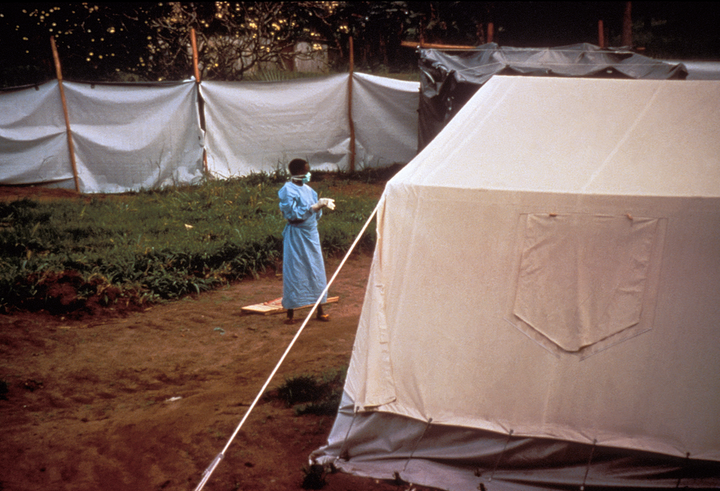
A growing Ebola outbreak in Central Africa could surpass 20,000 cases within months if efforts to isolate infected people fail, according to new U.S. health projections.
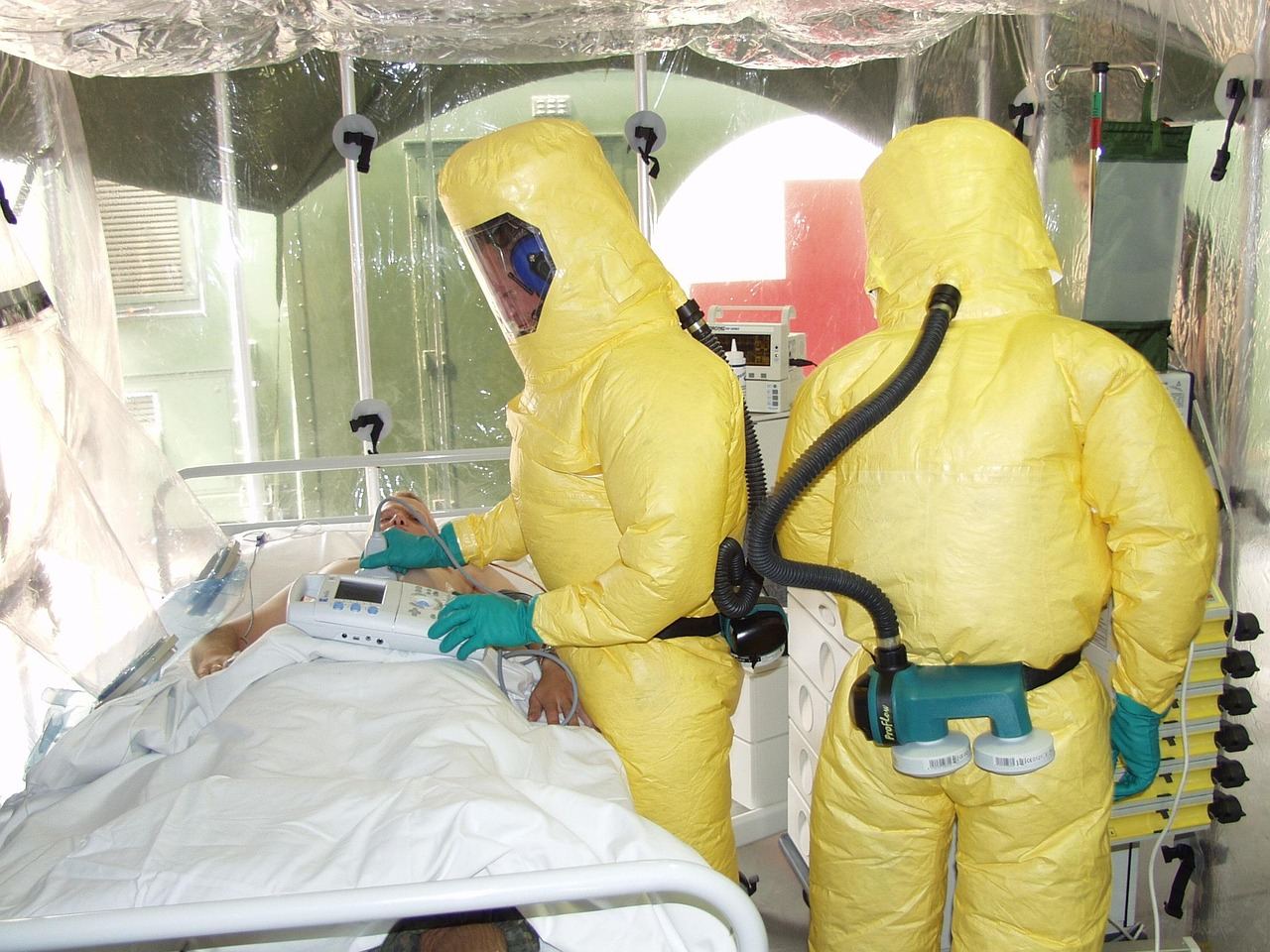
The CDC's alarming projection underscores the urgent need for coordinated continental response mechanisms, as unchecked outbreaks could devastate regional economies and cross-border trade. This crisis highlights the critical importance of robust healthcare infrastructure investments and the Africa CDC's role in preventing localized health emergencies from becoming continental disasters.
The specter of another devastating Ebola epidemic looms over Central Africa as the CDC issues alarming projections about a potential surge to 20,000 cases. This warning comes at a time when the continent's health systems are still rebuilding from the compounded impacts of COVID-19 and previous outbreaks, highlighting the persistent vulnerabilities that continue to threaten African populations despite significant investments in pandemic preparedness.
The emergence of a rare virus strain adds a particularly troubling dimension to this outbreak, potentially complicating treatment protocols and vaccine effectiveness. African health authorities have made considerable strides in developing local diagnostic capabilities and treatment centers since the West Africa epidemic of 2014-2016, yet the continent remains heavily dependent on international support for specialized medical interventions and advanced containment measures.
The role of ongoing conflict in fueling this health crisis cannot be understated, as armed violence disrupts contact tracing efforts, impedes access to affected communities, and forces populations into displacement camps where disease transmission accelerates. This pattern reflects a broader challenge across conflict-affected regions of Africa, where political instability and health emergencies create mutually reinforcing cycles of vulnerability that require coordinated humanitarian and security responses.
Critically, the international response to this outbreak will test whether lessons from previous epidemics have translated into more equitable and effective global health governance. African countries have repeatedly called for greater investment in local manufacturing of vaccines and therapeutics, arguing that external dependency leaves the continent perpetually vulnerable to supply chain disruptions during health emergencies.
The CDC's projections underscore the urgent need for sustained investment in Africa's health infrastructure, not just during crisis periods but as part of long-term development strategies. This outbreak serves as yet another reminder that global health security depends fundamentally on strengthening health systems across the African continent, where emerging infectious diseases often first appear but where resources for containment remain inadequate.
READ THE SOURCE REPORT FROM AFRICANEWS →Enjoying Strata-AF™?
Sign in or sign up for a personalised feed and unlock Strata-AF™ Originals.