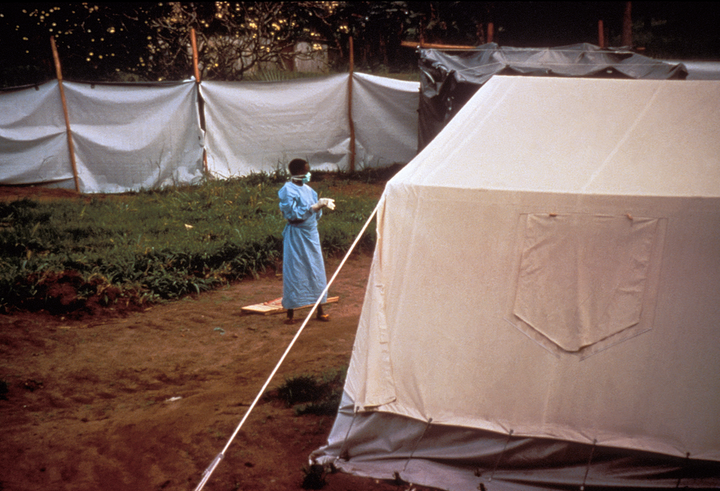
The Bundibugyo strain Ebola epidemic continues to spread in eastern Democratic Republic of Congo, with Ituri province serving as the primary hotspot for transmission.

This outbreak underscores the urgent need for robust regional health infrastructure and cross-border coordination in Central Africa. The concentration in Ituri province highlights how conflict zones and weak governance create ideal conditions for disease transmission, potentially disrupting economic activity and trade across the Great Lakes region.
The Democratic Republic of Congo faces another devastating Ebola outbreak, with the Bundibugyo strain claiming 91 lives out of 515 confirmed cases. This latest epidemic underscores the persistent public health vulnerabilities that plague Central Africa's largest nation, where weak healthcare infrastructure and ongoing conflict create perfect conditions for infectious disease transmission.
Ituri province's designation as the epidemic's epicenter highlights the complex interplay between armed conflict and disease outbreak in eastern DRC. The region's instability, characterized by displacement of populations and breakdown of basic services, severely hampers containment efforts and allows the virus to spread unchecked across communities already struggling with humanitarian crises.
The emergence of the Bundibugyo strain, distinct from previous Ebola variants that have affected the region, presents additional challenges for medical response teams. This strain's specific characteristics may require adapted treatment protocols and vaccine strategies, demanding swift coordination between Congolese health authorities and international partners to prevent wider regional spread.
Beyond immediate health concerns, this outbreak exposes systemic governance failures that leave African nations vulnerable to recurring epidemics. The DRC's chronically underfunded health system, coupled with limited laboratory capacity and surveillance networks, creates conditions where outbreaks can escalate rapidly before effective responses mobilize.
Regional implications extend far beyond Congo's borders, as porous frontiers with Uganda, South Sudan, and Central African Republic facilitate cross-border transmission. The outbreak demands coordinated continental response mechanisms that prioritize African-led solutions while leveraging international expertise and resources to strengthen local capacity for future epidemic preparedness.
READ THE SOURCE REPORT FROM ACTUALITE →Enjoying Strata-AF™?
Sign in or sign up for a personalised feed and unlock Strata-AF™ Originals.