As Ebola resurges in DRC with deadly force, the continent's response reveals growing tensions between local expertise and international intervention.
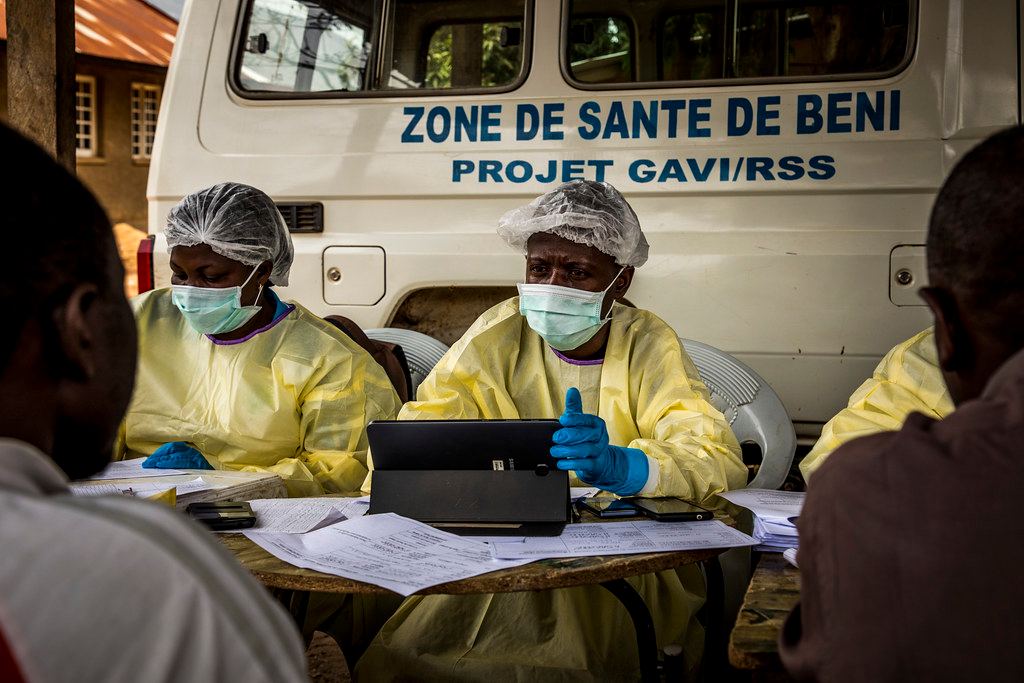
The Democratic Republic of Congo faces another devastating Ebola outbreak, but this time the response reveals how dramatically African health sovereignty has evolved since 2014.
With death rates reaching between 30% and 50%, according to WHO Director-General Tedros Adhanom Ghebreyesus, the current outbreak presents a massive public health challenge [4]. The crisis has prompted coordinated responses from both DRC and Uganda, with the United States providing support through the CDC [1]. However, the outbreak's spread is complicated by armed conflict and humanitarian crisis in eastern DRC, creating what WHO describes as a dangerous collision of disease, conflict, and hunger [9].
The Health Ministry banned all concerts and public rallies to prevent transmission.
AllAfricaThe response strategies reveal stark choices between regional integration and domestic safety. Uganda implemented a complete border closure with DRC and suspended all concerts and public rallies [10, 8]. These measures highlight how health emergencies continue to fragment African unity, forcing nations to prioritize immediate containment over continental solidarity. Meanwhile, Kenya has witnessed protests by youth rejecting the establishment of Ebola quarantine facilities for US citizens, signaling resistance to what demonstrators view as medical colonialism [3].
Keep reading this Original
Sign in or sign up to finish this story, get your personalised feed, and unlock every Strata-AF™ Original.
SIGN IN / SIGN UP