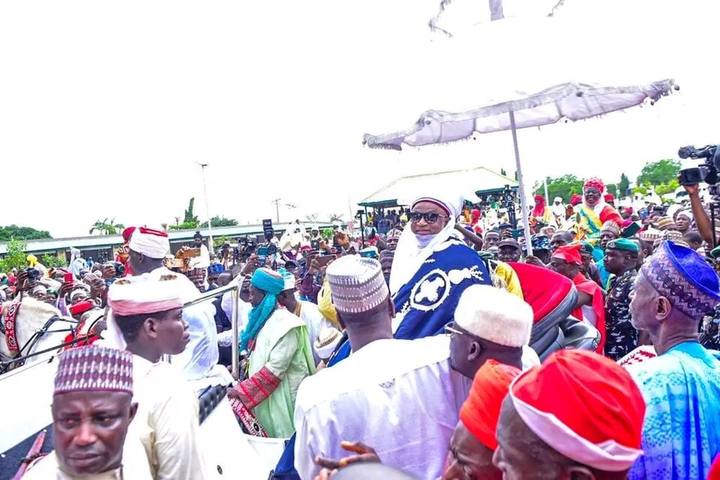
From RCCG's YouTube dominance to Ethiopia's evangelical broadcast networks, African megachurches are operating the continent's most powerful and least scrutinised media infrastructure: operating outside broadcast regulators, advertising standards bodies, and any meaningful accountability.
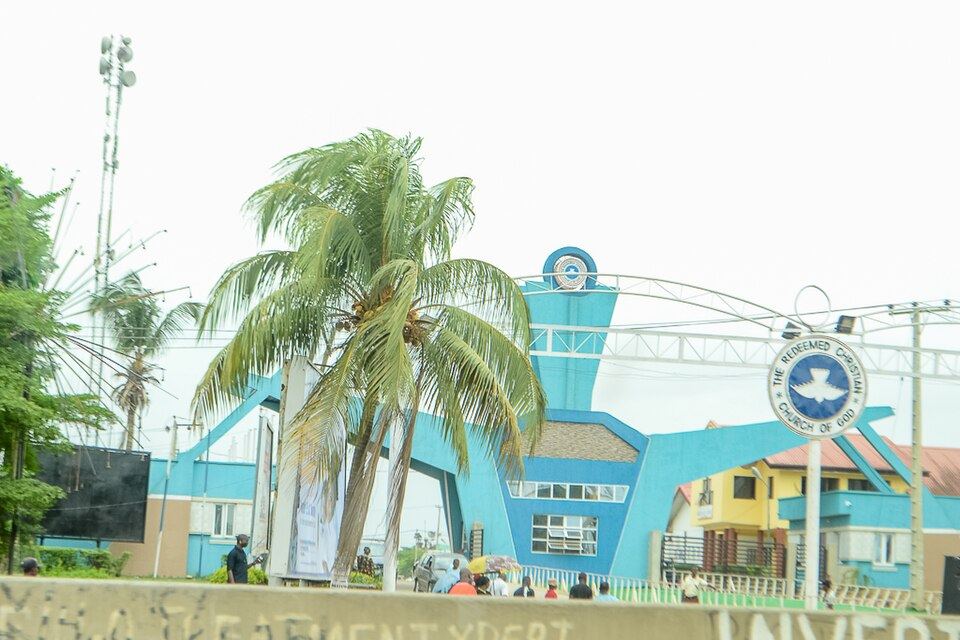
There is a media empire operating across Africa that reaches more households than most national broadcasters, commands deeper audience loyalty than any streaming platform, and answers to no advertising standards body, no broadcast regulator, and no independent editorial oversight. It is not a tech startup or a foreign-funded news network. It is the African church, and the scale at which it now operates as a media institution has been almost entirely ignored by the analysts, investors, and policymakers who shape conversations about the continent's information landscape.
Begin with the numbers. The Redeemed Christian Church of God, headquartered in Lagos but with parishes across 198 countries, has built a YouTube infrastructure that rivals mid-tier national broadcasters in watch time and subscriber depth. Its annual Holy Ghost Congress (a multi-day gathering at the Redemption Camp along the Lagos-Ibadan Expressway) streams live to millions simultaneously, with recorded sessions accumulating views across months and years. This is not a church that happens to have a YouTube channel; it is a media organisation that happens to hold services. That distinction matters, and the failure to make it has let an entire category of continental media infrastructure develop without the scrutiny it warrants.
The pattern is not Lagos-specific. In Addis Ababa, evangelical broadcast networks have proliferated across FM radio, satellite television, and digital streaming, many tied to megachurch movements that crossed into Ethiopia from the US and South Korea in the 1990s and 2000s. In Nairobi, the corridor between Karen and the CBD hosts broadcast studios that would not embarrass a mid-sized television network. In Accra, churches like the International Central Gospel Church and the Church of Pentecost operate production houses, record labels, and digital distribution arms as fully integrated media companies. The sermon is the content. The congregation is the audience. The tithe is the subscription fee. And the pastor is anchor, executive producer, and brand simultaneously.
What makes this infrastructure particularly significant, and under-examined, is a gap the broader African media discourse keeps circling without naming. The question of who controls African information landscapes and whose voices dominate the airwaves has generated substantial analysis around foreign broadcasters — Deutsche Welle's expansion into 30 languages across the continent has rightly attracted scrutiny about media sovereignty and whether external institutions are shaping African information environments to serve external interests [4]. That is a legitimate concern. But the same rigour has not been applied to domestic religious media, which operates at comparable scale with far more intimate access to its audience. A German broadcaster telling Africans about Africa is a recognised problem. A Lagos-based megachurch telling 50 million followers what to believe, how to vote, how to understand illness, wealth, gender, and the state remains, somehow, outside the frame.
Keep reading this Original
Sign in or sign up to finish this story, get your personalised feed, and unlock every Strata-AF™ Original.
SIGN IN / SIGN UP