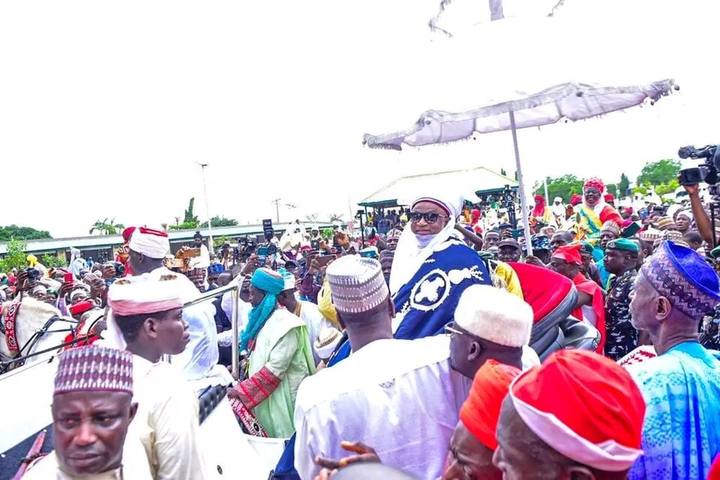
Chrislam is not syncretism for its own sake but a pragmatic Lagos theology faith remixed to fit a megacity where survival demands coalition building across every boundary, including the divine.
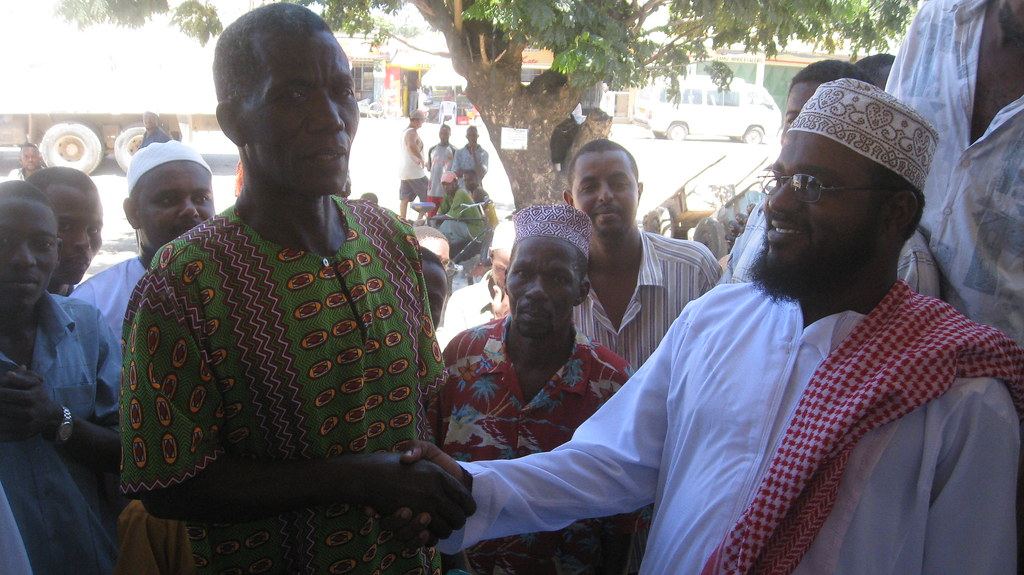
Chrislam is not syncretism for its own sake. It is a pragmatic Lagos theology, faith remixed to fit a megacity where survival demands coalition building across every boundary, including the divine. Read as strategy rather than heresy, it says more about how Lagosians actually organise trust and mutual aid than any official census of Christians and Muslims ever could.
In Lagos, a city of roughly 20 million people expanding faster than its infrastructure, a hybrid religious movement blending Christian and Islamic practice has taken root. Chrislam draws worshippers who navigate both traditions simultaneously, conducting services that incorporate the Bible and the Quran, often led by founders who claim revelatory mandates to dissolve confessional borders. It is a grassroots phenomenon, not a top-down ecumenical project, and it has flourished precisely in the dense, polyglot neighbourhoods where Yoruba Christian and Muslim families have coexisted for generations.
The continental significance lies in what Chrislam reveals about African urbanism itself. Lagos is a laboratory for how rapid, under-resourced city growth reshapes identity; religion becomes one of the few social technologies cheap enough to deploy at scale. Across the continent, in Kampala, Nairobi, Kinshasa, Abidjan, megacity pressures are producing analogous improvisations, whether Pentecostal-traditional blends or Sufi movements absorbing charismatic aesthetics. Chrislam is an extreme data point in a broader pattern of faith as adaptive strategy.
Watch whether Nigerian state authorities or orthodox religious councils move to regulate or delegitimize Chrislam as its profile rises; any such crackdown would signal how much tolerance for religious innovation megacity governance can absorb. Also track whether the model exports Lagos ideas travel fast across West African networks, and a Chrislam franchise dynamic in Accra or Abidjan would mark a qualitative shift from local curiosity to regional force.
READ THE SOURCE REPORT FROM ALLAFRICA RELIGION →Enjoying Strata-AF™?
Sign in or sign up for a personalised feed and unlock Strata-AF™ Originals.