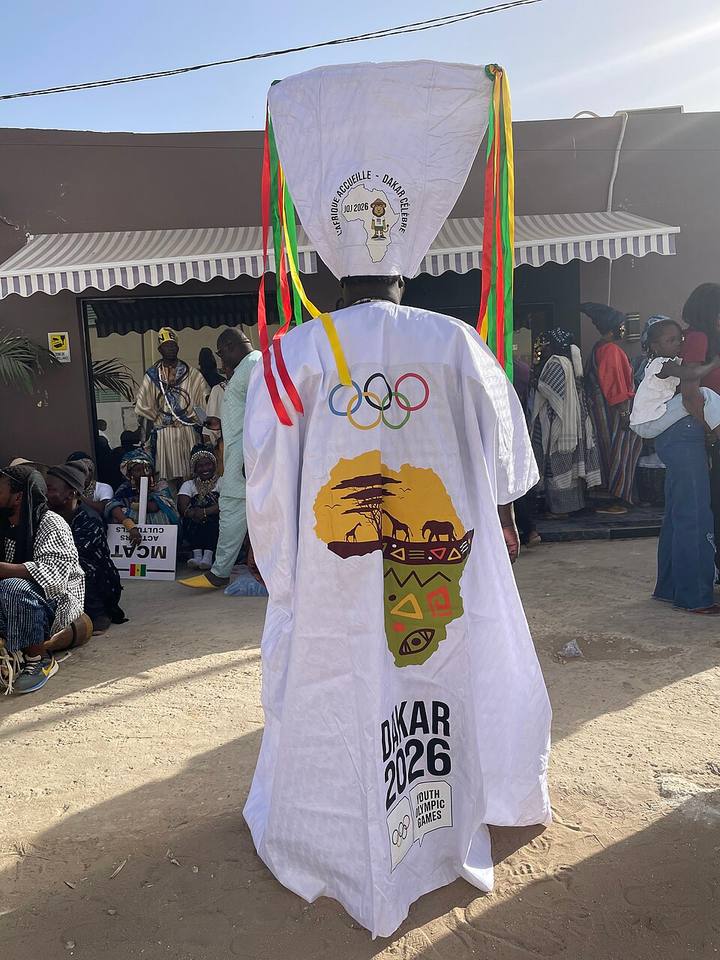
When governments fail, faith institutions don't, which is why politicians, jihadists, and ordinary people all know exactly where to find a crowd.
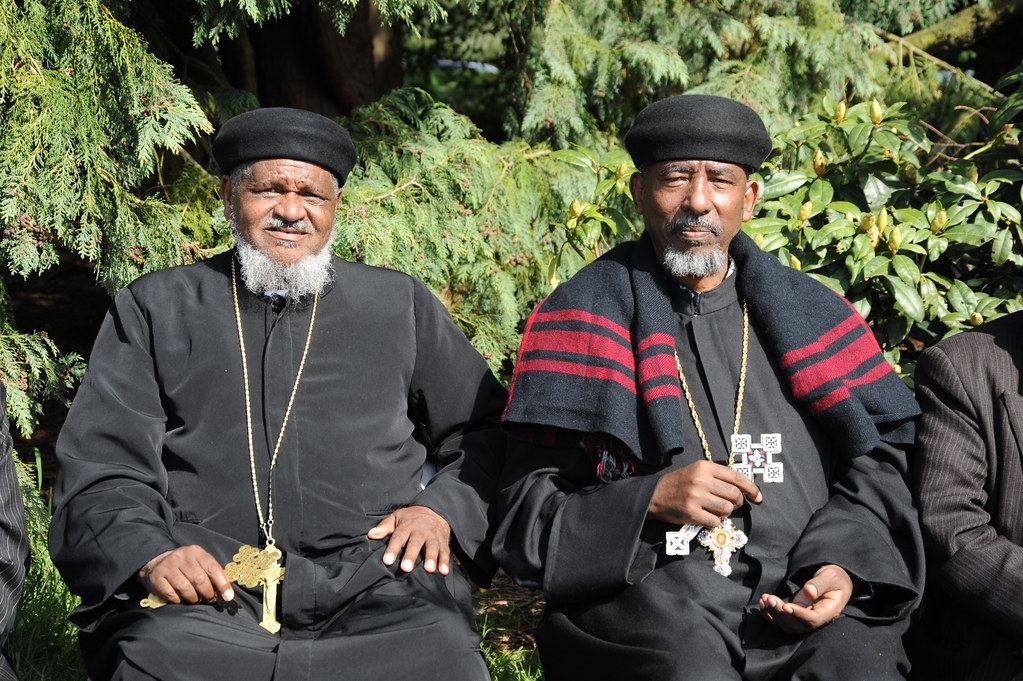
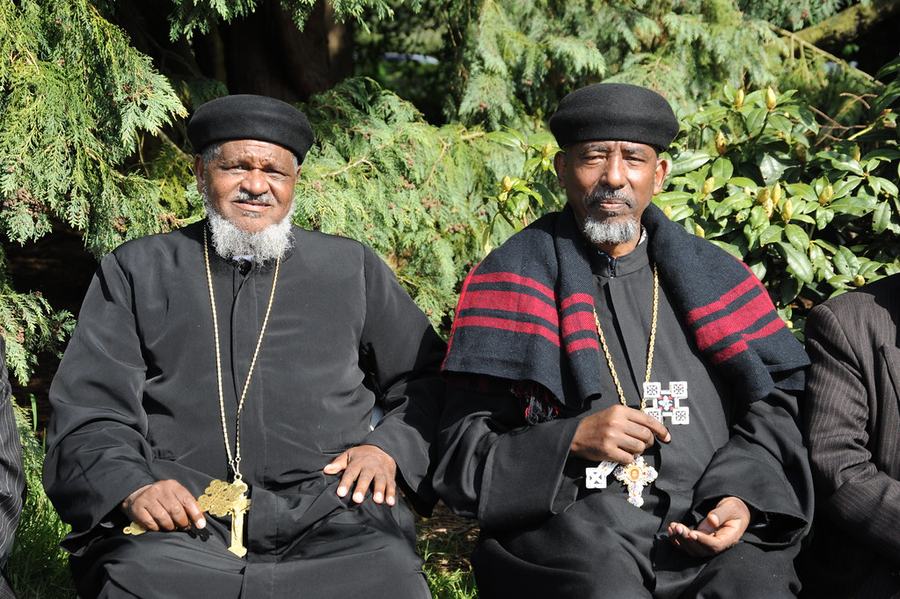
It is conventional to think of African faith as a private matter, something that happens inside churches and mosques, that shapes personal morality and community bonds, that speaks to the soul but not to the spreadsheet. The evidence suggests the opposite. Faith institutions in Africa function as the continent's most durable infrastructure: more consistently available than hospitals, more widely distributed than schools, more deeply trusted than governments, and more effectively mobilised than political parties. They are not peripheral to Africa's political, economic, and social life. They are its operating system.
Kenya's 2027 election season has produced a useful data point. Ahead of polls still eighteen months away, the country's major political leaders have dramatically increased their presence in churches and mosques of various Christian and Muslim denominations [S7]. This is not primarily a gesture of personal faith. It is a rational investment in the continent's most efficient mass-mobilisation infrastructure. Religious institutions operate at a granularity of community organisation that no political party machine in Kenya, or anywhere in Africa, can match. The pastor and the imam have weekly access to their congregations. The politician appears at election time and disappears after.
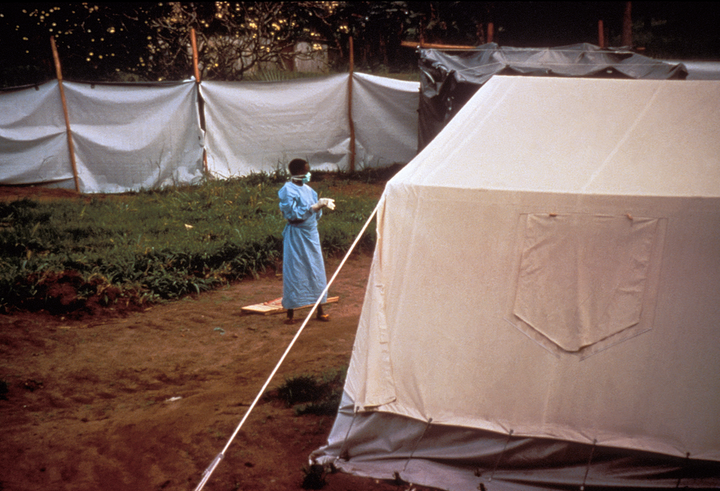
In the Democratic Republic of Congo, Catholic worshippers gathered for Mass in Bunia despite a government ban on gatherings in the heart of an active Ebola outbreak [S3]. The obvious frame is one of reckless disregard for public health. The more accurate frame is one of institutional loyalty. In eastern DRC, where the state has been effectively absent for decades, the Catholic Church has been the persistent presence: running schools, operating clinics, providing the sacraments of birth and death and marriage. When a government that has failed you for thirty years tells you not to go to church, the church wins. This is not superstition. It is a rational calculation about which institution has actually earned credibility.
When Faith Becomes Political
Keep reading this Original
Sign in or sign up to finish this story, get your personalised feed, and unlock every Strata-AF™ Original.
SIGN IN / SIGN UP