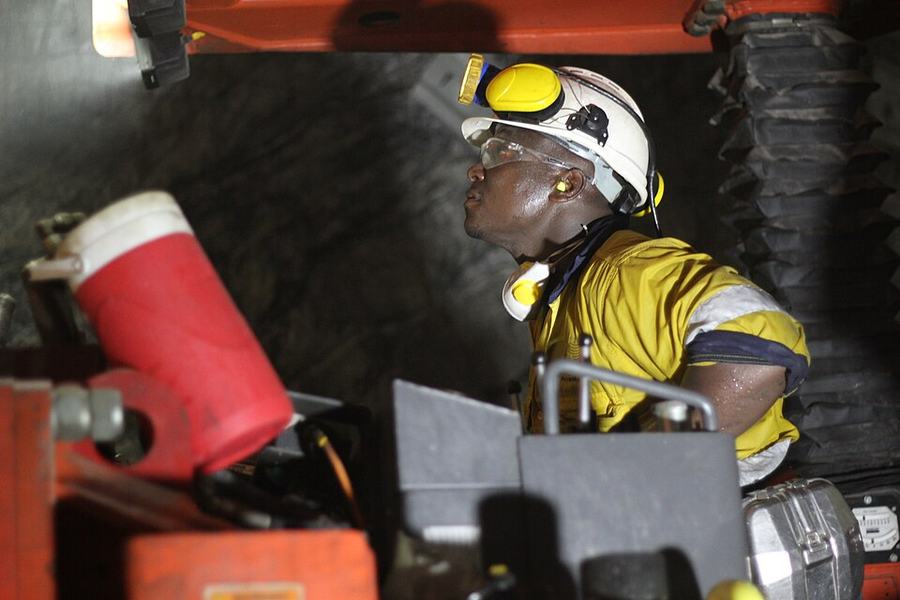
Tanzania's central bank accumulated 28 tonnes of gold in just 18 months: a reserve diversification move that signals the continent's boldest state-level bet against dollar dependency yet, with implications for every African treasury watching.
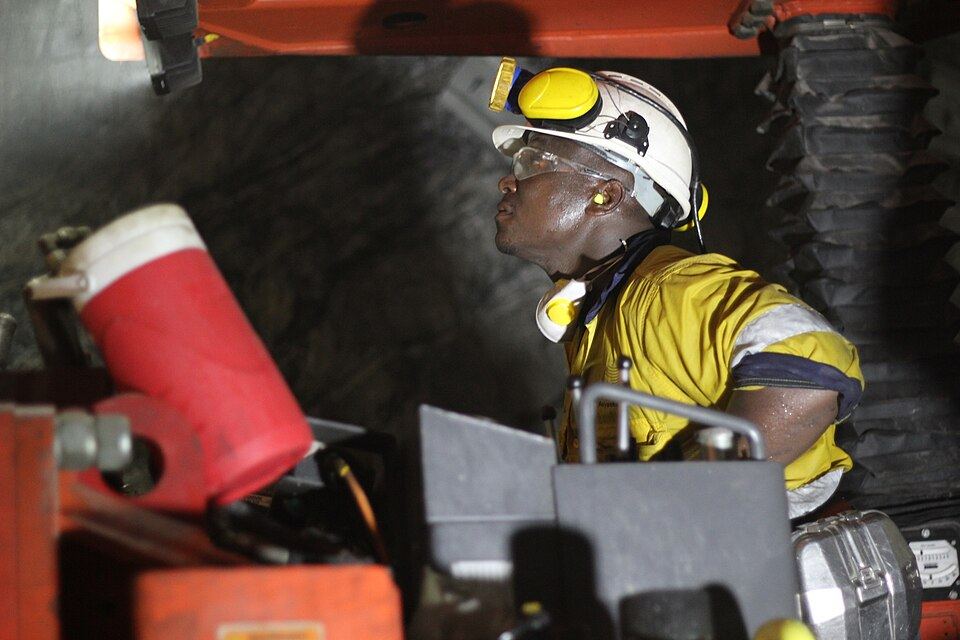
28 tonnes. That is the volume of gold Tanzania's central bank quietly stockpiled over 18 months, making it one of the most aggressive reserve accumulation plays by any sub-Saharan sovereign in recent memory [2]. The purchase was not accidental, it was a deliberate hedge, designed to reduce the shilling's exposure to external dollar shocks and anchor monetary credibility without IMF permission slips [2].
The timing is not coincidental. Across the continent, African economists and policymakers gathered at AFEA 2026 to dissect why borrowed dollars deployed into consumption rather than investment keep recycling debt distress and why structural monetary alternatives deserve serious attention [4]. Tanzania's gold bet is precisely the kind of balance sheet manoeuvre that conference argued African states need to make.
Gold as a reserve asset insulates central banks from the dollar's interest-rate whiplash. When the U.S. Federal Reserve tightens, dollar-denominated reserves shrink in real purchasing power and capital flees emerging markets [2]. A gold-heavy reserve buffer breaks that transmission chain: Dar es Salaam is effectively buying monetary sovereignty by the tonne.
Keep reading this Original
Sign in or sign up to finish this story, get your personalised feed, and unlock every Strata-AF™ Original.
SIGN IN / SIGN UP