--:--LAGOS
CultureMusicFilmTechSportsPoliticsHealthFinanceReligionFashion
finance
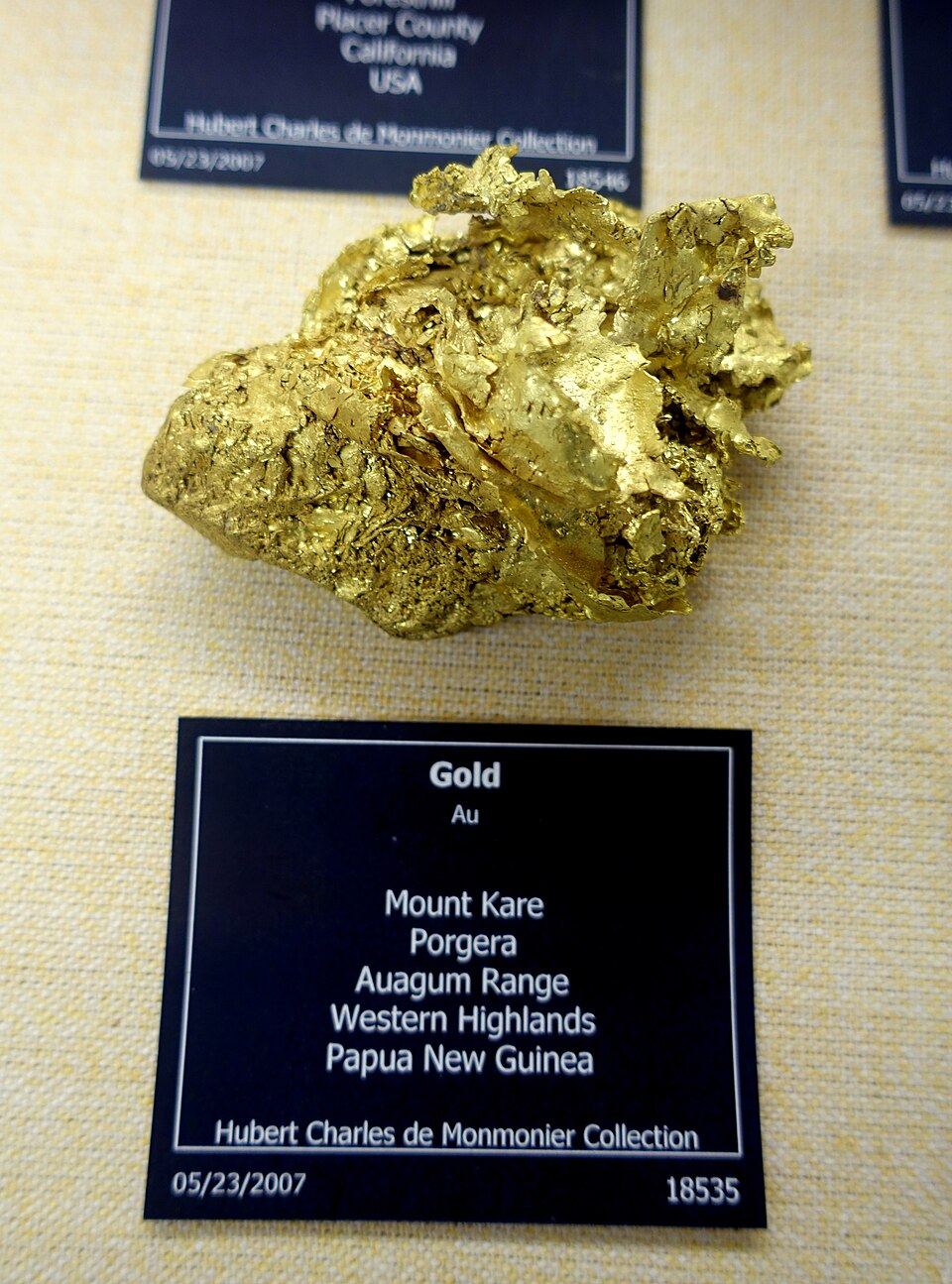
Guinea bans export of raw gold in bid to boost revenues

Guinea outlaws the export of raw gold in a bid to increase domestic processing of the valuable natural resource.
Guinea2 MIN · 23 JUNE 2026
From the web · Africanews
Guinea bans export of raw gold in bid to boost revenues
IMAGE · Openverse
STRATA-AF™ ANGLEEDITORIAL SYNTHESIS BY STRATA-AF™

Guinea's raw gold export ban converts the value-addition argument into enforcement, an attempt to capture refining revenues that currently flow to destination markets while Guinea bears the extraction and environmental costs. The structural test will be whether Conakry can close the smuggling routes through Guinea-Bissau and the Sahel corridor that make raw mineral export bans historically difficult to enforce; without credible border controls, the decree shifts flows geographically rather than capturing more of the value chain domestically.

Guinea's decision to ban the export of raw gold represents one of the most direct applications of the value-addition logic that African governments have been articulating for two decades and implementing only sporadically. The argument is structurally sound: raw mineral exports transfer the value of processing, refining, and manufacturing to destination countries while leaving the extracting nation with depletion, environmental damage, and a workforce that remains unskilled for higher-value industrial activity. Banning raw exports forces the economic question, either processing capacity gets built domestically, or the gold stays in the ground.

The practical enforcement challenge is where resource nationalism moves from rhetoric to politics. Guinea's artisanal and small-scale mining sector is large, informally organised, and poorly mapped. The export ban's effectiveness depends heavily on whether Conakry can monitor the smuggling routes, through Guinea-Bissau, Senegal, Mali, and the wider Sahel corridor. That have historically served as porous borders for mineral trafficking. Raw gold is compact, high-value, and easily concealed; the enforcement infrastructure required to make a ban meaningful is considerable.

The international gold market's response will also matter. Gold buyers in the UAE, Switzerland, and China have long demonstrated an appetite for informally sourced African gold with permissive documentation standards. Guinea's ban, if genuinely enforced, will either redirect that buyer demand toward sourcing from refining facilities the country builds, or push it toward alternative sourcing from neighbouring countries' informal sectors. Either outcome reshapes the regional political economy of gold in West Africa.

The deeper precedent question is about what Guinea's move signals to the rest of the continent. DRC's coltan, Zambia's copper, Zimbabwe's platinum, South Africa's chrome, all face the same structural equation. Export bans for value-addition purposes are legally permissible under WTO frameworks in many circumstances and are gaining political traction across the continent. Guinea's implementation will be studied as either a template or a cautionary tale.

READ THE SOURCE REPORT FROM AFRICANEWS

Enjoying Strata-AF™?

Sign in or sign up for a personalised feed and unlock Strata-AF™ Originals.

SIGN IN / SIGN UP
READ NEXT
IMF's new Africa chief warns of Middle East conflict fallout, sees bright future for Africa
FINANCEAfricanews
IMF's new Africa chief warns of Middle East conflict fallout, sees bright future for Africa
Pan-African2 MINREAD →
Nigeria Borrows Faster Than It Can Deploy
FINANCEBudgIT
Nigeria Borrows Faster Than It Can Deploy
Abuja, Nigeria2 MINREAD →
--:--LAGOS
STRATA-AF™
ISSUE 001FEED◎ SEARCHSUBSCRIBE
/shows/data/docs
finance
Guinea bans export of raw gold in bid to boost revenues
IMAGE · Openverse
Guinea bans export of raw gold in bid to boost revenues

Guinea outlaws the export of raw gold in a bid to increase domestic processing of the valuable natural resource.

Guinea2 MIN READ · 23 JUNE 2026
From the web · Africanews
STRATA-AF™ ANGLEEDITORIAL SYNTHESIS BY STRATA-AF™

Guinea's raw gold export ban converts the value-addition argument into enforcement, an attempt to capture refining revenues that currently flow to destination markets while Guinea bears the extraction and environmental costs. The structural test will be whether Conakry can close the smuggling routes through Guinea-Bissau and the Sahel corridor that make raw mineral export bans historically difficult to enforce; without credible border controls, the decree shifts flows geographically rather than capturing more of the value chain domestically.

Guinea's decision to ban the export of raw gold represents one of the most direct applications of the value-addition logic that African governments have been articulating for two decades and implementing only sporadically. The argument is structurally sound: raw mineral exports transfer the value of processing, refining, and manufacturing to destination countries while leaving the extracting nation with depletion, environmental damage, and a workforce that remains unskilled for higher-value industrial activity. Banning raw exports forces the economic question, either processing capacity gets built domestically, or the gold stays in the ground.

The practical enforcement challenge is where resource nationalism moves from rhetoric to politics. Guinea's artisanal and small-scale mining sector is large, informally organised, and poorly mapped. The export ban's effectiveness depends heavily on whether Conakry can monitor the smuggling routes, through Guinea-Bissau, Senegal, Mali, and the wider Sahel corridor. That have historically served as porous borders for mineral trafficking. Raw gold is compact, high-value, and easily concealed; the enforcement infrastructure required to make a ban meaningful is considerable.

The international gold market's response will also matter. Gold buyers in the UAE, Switzerland, and China have long demonstrated an appetite for informally sourced African gold with permissive documentation standards. Guinea's ban, if genuinely enforced, will either redirect that buyer demand toward sourcing from refining facilities the country builds, or push it toward alternative sourcing from neighbouring countries' informal sectors. Either outcome reshapes the regional political economy of gold in West Africa.

The deeper precedent question is about what Guinea's move signals to the rest of the continent. DRC's coltan, Zambia's copper, Zimbabwe's platinum, South Africa's chrome, all face the same structural equation. Export bans for value-addition purposes are legally permissible under WTO frameworks in many circumstances and are gaining political traction across the continent. Guinea's implementation will be studied as either a template or a cautionary tale.

READ THE SOURCE REPORT FROM AFRICANEWS

Enjoying Strata-AF™?

Sign in or sign up for a personalised feed and unlock Strata-AF™ Originals.

SIGN IN / SIGN UP
VERTICAL
finance
ORIGIN
Guinea
PUBLISHED
23 JUNE 2026
READ NEXT2 PIECES SELECTED BY OUR EDITORS
FINANCE
IMF's new Africa chief warns of Middle East conflict fallout, sees bright future for Africa
The International Monetary Fund’s new Africa chief, Zeine Zeidane, says conflict in the Middle East is creating fresh economic challenges for sub-Saharan Africa, but insists the IMF remains committed to supporting countries under pressure.
Pan-African2 MINREAD →
FINANCE
Nigeria Borrows Faster Than It Can Deploy
Each request is defensible alone. The aggregate is what never reaches the table.
Abuja, Nigeria2 MINREAD →
CULTURE · MUSIC · FILM · TECH · SPORT · POLITICS · HEALTH · FINANCE · RELIGION · FASHION · LAGOS · NAIROBI · JOBURG · ACCRA · DATA JOURNALISM · ORIGINAL REPORTING · THE ACTUAL VERSION ·CULTURE · MUSIC · FILM · TECH · SPORT · POLITICS · HEALTH · FINANCE · RELIGION · FASHION · LAGOS · NAIROBI · JOBURG · ACCRA · DATA JOURNALISM · ORIGINAL REPORTING · THE ACTUAL VERSION ·
Premium editorial for a continent that's done waiting to be covered.

Not the export-market version. Not the diaspora version. The actual version — written by the people who live there.

Verticals
CultureMusicFilmTechSportsPolitics
HUBS
Strata-AF OriginalsDataDocsNewsletterArchiveShows
Company
AboutMissionManifestoLegal
REACH
10VERTICALS
6CONTENT TYPES
5CITIES
1STANDARD
© 2026 STRATA-AF™ · STRATA PUBLISHING CO LTD · LAGOS · JOBURG · NAIROBI · ACCRAPRIVACYTERMSCORRECTIONSMASTHEAD
 
 
--:--LAGOS
CultureMusicFilmTechSportsPoliticsHealthFinanceReligionFashion
Highlights
Strata-AF
Editor's Pick
From the web
SPORTSSTRATA-AF™STRATA-AF™ ORIGINAL
WAFCON 2026 Proved African Women's Football Is Ready. The Clubs Aren't.
2 MINREAD →
POLITICSSTRATA-AF™★ EDITOR'S PICK
The Lagos Cancellation Is Not About Tyla Really, Or Is It ?
Pan-African2 MINREAD →
MUSICSTRATA-AF™★ EDITOR'S PICK
Blood, Beats & Betrayal: How Family Killed P-Square
Nigeria2 MINREAD →
MUSICBY THE NUMBERSSTRATA-AF™ ORIGINAL
Where African Artists Earn, Lose, and Get Erased on Stream
Pan-African2 MINREAD →
HEALTHSTRATA-AF™★ EDITOR'S PICK
Uganda Held the Line on Ebola. Here's the Playbook Congo Needs Now
DR Congo2 MINREAD →
MUSICSTRATA-AF™STRATA-AF™ ORIGINAL
Music Is Starving in Sudan: How the RSF Silenced a Generation of Artists
Sudan2 MINREAD →
CULTURESTRATA-AF™★ EDITOR'S PICK
How BBNaija Rewired Nigerian Television And Everything Around It
Lagos, Pan-African2 MINREAD →
FASHIONSTRATA-AF™★ EDITOR'S PICK
Lagos Fashion Week's Green Push Is Either Africa's Best Bet or Its Greenest Greenwash
Pan-African2 MINREAD →
CULTURESTRATA-AF™★ EDITOR'S PICK
Dakar 2026 Is Africa's Olympic Moment
Senegal2 MINREAD →
SPORTSFROM THE WEB★ EDITOR'S PICK
Senegal set to make Olympic history with Dakar 2026 Youth Games
Dakar 2026 breaks a hosting monopoly that has excluded Africa from Olympic stewardship for over a century — the question is what institutional and economic legacy Senegal can extract from the moment.
Senegal1 MIN · Africanews · 25 JULREAD →
See all stories

The actual version — written by the people who live there.

10VERTICALS
6TYPES
5CITIES
1STANDARD
AboutMissionManifestoLegalOriginalsSubscribeArchiveShowsContributorsJobs
© 2026 STRATA-AF™ · STRATA PUBLISHING CO LTD · LAGOS · NAIROBI · JOBURG · ACCRA
 
 
--:--LAGOS
CultureMusicFilmTechSportsPoliticsHealthFinanceReligionFashion
finance
Guinea bans export of raw gold in bid to boost revenues

Guinea outlaws the export of raw gold in a bid to increase domestic processing of the valuable natural resource.

Guinea2 MIN · 23 JUNE 2026
From the web · Africanews
Guinea bans export of raw gold in bid to boost revenues
IMAGE · Openverse
STRATA-AF™ ANGLEEDITORIAL SYNTHESIS BY STRATA-AF™

Guinea's raw gold export ban converts the value-addition argument into enforcement, an attempt to capture refining revenues that currently flow to destination markets while Guinea bears the extraction and environmental costs. The structural test will be whether Conakry can close the smuggling routes through Guinea-Bissau and the Sahel corridor that make raw mineral export bans historically difficult to enforce; without credible border controls, the decree shifts flows geographically rather than capturing more of the value chain domestically.

Guinea's decision to ban the export of raw gold represents one of the most direct applications of the value-addition logic that African governments have been articulating for two decades and implementing only sporadically. The argument is structurally sound: raw mineral exports transfer the value of processing, refining, and manufacturing to destination countries while leaving the extracting nation with depletion, environmental damage, and a workforce that remains unskilled for higher-value industrial activity. Banning raw exports forces the economic question, either processing capacity gets built domestically, or the gold stays in the ground.

The practical enforcement challenge is where resource nationalism moves from rhetoric to politics. Guinea's artisanal and small-scale mining sector is large, informally organised, and poorly mapped. The export ban's effectiveness depends heavily on whether Conakry can monitor the smuggling routes, through Guinea-Bissau, Senegal, Mali, and the wider Sahel corridor. That have historically served as porous borders for mineral trafficking. Raw gold is compact, high-value, and easily concealed; the enforcement infrastructure required to make a ban meaningful is considerable.

The international gold market's response will also matter. Gold buyers in the UAE, Switzerland, and China have long demonstrated an appetite for informally sourced African gold with permissive documentation standards. Guinea's ban, if genuinely enforced, will either redirect that buyer demand toward sourcing from refining facilities the country builds, or push it toward alternative sourcing from neighbouring countries' informal sectors. Either outcome reshapes the regional political economy of gold in West Africa.

The deeper precedent question is about what Guinea's move signals to the rest of the continent. DRC's coltan, Zambia's copper, Zimbabwe's platinum, South Africa's chrome, all face the same structural equation. Export bans for value-addition purposes are legally permissible under WTO frameworks in many circumstances and are gaining political traction across the continent. Guinea's implementation will be studied as either a template or a cautionary tale.

READ THE SOURCE REPORT FROM AFRICANEWS

Enjoying Strata-AF™?

Sign in or sign up for a personalised feed and unlock Strata-AF™ Originals.

SIGN IN / SIGN UP
READ NEXT
--:--LAGOS
/shows/data/docs
finance
Guinea bans export of raw gold in bid to boost revenues
IMAGE · Openverse
Guinea bans export of raw gold in bid to boost revenues

Guinea outlaws the export of raw gold in a bid to increase domestic processing of the valuable natural resource.

Guinea2 MIN READ · 23 JUNE 2026
From the web · Africanews
STRATA-AF™ ANGLEEDITORIAL SYNTHESIS BY STRATA-AF™

Guinea's raw gold export ban converts the value-addition argument into enforcement, an attempt to capture refining revenues that currently flow to destination markets while Guinea bears the extraction and environmental costs. The structural test will be whether Conakry can close the smuggling routes through Guinea-Bissau and the Sahel corridor that make raw mineral export bans historically difficult to enforce; without credible border controls, the decree shifts flows geographically rather than capturing more of the value chain domestically.

Guinea's decision to ban the export of raw gold represents one of the most direct applications of the value-addition logic that African governments have been articulating for two decades and implementing only sporadically. The argument is structurally sound: raw mineral exports transfer the value of processing, refining, and manufacturing to destination countries while leaving the extracting nation with depletion, environmental damage, and a workforce that remains unskilled for higher-value industrial activity. Banning raw exports forces the economic question, either processing capacity gets built domestically, or the gold stays in the ground.

The practical enforcement challenge is where resource nationalism moves from rhetoric to politics. Guinea's artisanal and small-scale mining sector is large, informally organised, and poorly mapped. The export ban's effectiveness depends heavily on whether Conakry can monitor the smuggling routes, through Guinea-Bissau, Senegal, Mali, and the wider Sahel corridor. That have historically served as porous borders for mineral trafficking. Raw gold is compact, high-value, and easily concealed; the enforcement infrastructure required to make a ban meaningful is considerable.

The international gold market's response will also matter. Gold buyers in the UAE, Switzerland, and China have long demonstrated an appetite for informally sourced African gold with permissive documentation standards. Guinea's ban, if genuinely enforced, will either redirect that buyer demand toward sourcing from refining facilities the country builds, or push it toward alternative sourcing from neighbouring countries' informal sectors. Either outcome reshapes the regional political economy of gold in West Africa.

The deeper precedent question is about what Guinea's move signals to the rest of the continent. DRC's coltan, Zambia's copper, Zimbabwe's platinum, South Africa's chrome, all face the same structural equation. Export bans for value-addition purposes are legally permissible under WTO frameworks in many circumstances and are gaining political traction across the continent. Guinea's implementation will be studied as either a template or a cautionary tale.

READ THE SOURCE REPORT FROM AFRICANEWS

Enjoying Strata-AF™?

Sign in or sign up for a personalised feed and unlock Strata-AF™ Originals.

SIGN IN / SIGN UP
VERTICAL
finance
ORIGIN
Guinea
PUBLISHED
23 JUNE 2026
READ NEXT2 PIECES SELECTED BY OUR EDITORS
CULTURE · MUSIC · FILM · TECH · SPORT · POLITICS · HEALTH · FINANCE · RELIGION · FASHION · LAGOS · NAIROBI · JOBURG · ACCRA · DATA JOURNALISM · ORIGINAL REPORTING · THE ACTUAL VERSION ·CULTURE · MUSIC · FILM · TECH · SPORT · POLITICS · HEALTH · FINANCE · RELIGION · FASHION · LAGOS · NAIROBI · JOBURG · ACCRA · DATA JOURNALISM · ORIGINAL REPORTING · THE ACTUAL VERSION ·
Premium editorial for a continent that's done waiting to be covered.

Not the export-market version. Not the diaspora version. The actual version — written by the people who live there.

Verticals
CultureMusicFilmTechSportsPolitics
HUBS
Strata-AF OriginalsDataDocsNewsletterArchiveShows
Company
AboutMissionManifestoLegal
REACH
10VERTICALS
6CONTENT TYPES
5CITIES
1STANDARD
© 2026 STRATA-AF™ · STRATA PUBLISHING CO LTD · LAGOS · JOBURG · NAIROBI · ACCRAPRIVACYTERMSCORRECTIONSMASTHEAD