--:--LAGOS
CultureMusicFilmTechSportsPoliticsHealthFinanceReligionFashion
finance
Nigeria Borrows Faster Than It Can Deploy

Each request is defensible alone. The aggregate is what never reaches the table.

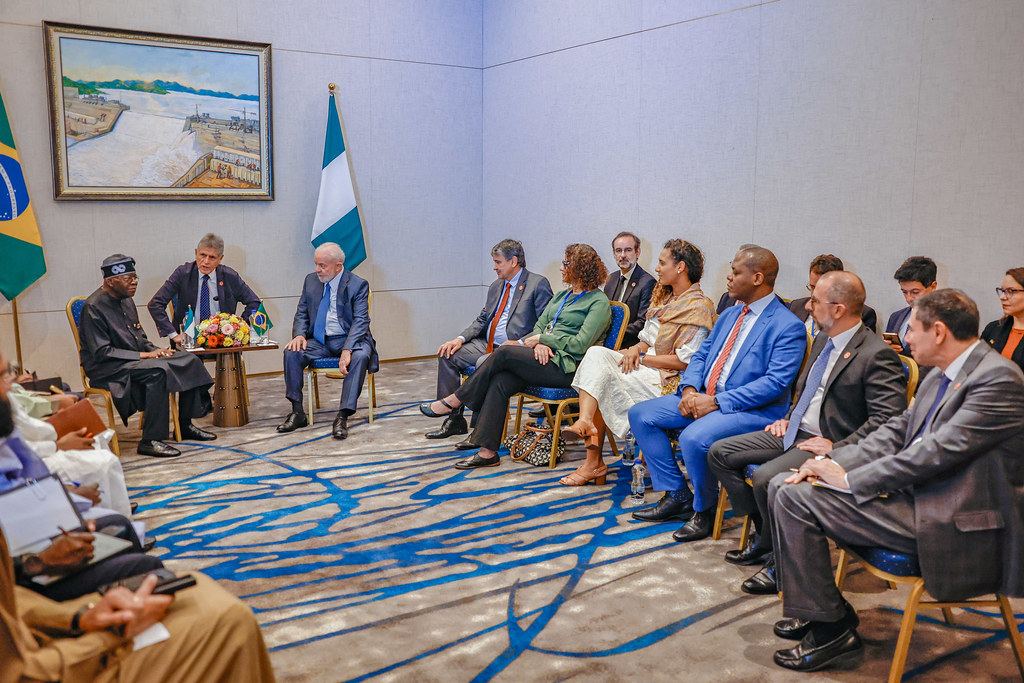
On the 31st of March 2026, President Bola Ahmed Tinubu sent a letter to the National Assembly. In it, he asked for permission to borrow $6 billion from abroad.
BudgIT
Abuja, Nigeria2 MIN · 17 JUNE 2026
From the web · BudgIT
Nigeria Borrows Faster Than It Can Deploy
IMAGE · Openverse
STRATA-AF™ ANGLEEDITORIAL SYNTHESIS BY STRATA-AF™

BudgIT's analysis performs the function the Nigerian political system actively resists, naming the aggregate debt that each individual borrowing request is designed to make invisible. The structural problem isn't external debt per se, but the pattern where deployment capacity consistently lags borrowing appetite, and the audit trail for whether borrowed capital generated commensurate developmental return is characteristically thin.

BudgIT's framing of Tinubu's $6 billion external borrowing request as a question "nobody in Abuja wants to answer" is accurate in the specific sense that fiscal accountability in Nigeria has long operated on deferred reckoning: the borrowing happens, the projects are announced, the debt accumulates, and the question of whether the return on borrowed capital has materialised tends to get lost in the noise of subsequent cycles. The N159 trillion aggregate represents a debt stock that has compounded across multiple administrations and fiscal frameworks, each of which argued that borrowing was justified by the investment opportunity it funded.

The structural problem with Nigeria's external borrowing pattern isn't that borrowing is inherently wrong, no large developing economy avoids external debt, but that the Nigerian state's capacity to deploy borrowed capital efficiently and transparently has historically lagged behind its appetite for accessing it. Infrastructure contractors get paid, concessions get awarded, projects get announced, and the audit trails for whether value equivalent to the debt was delivered are notably thin. This is not a uniquely Nigerian failure; it is, however, a particularly consequential one given the scale.

The N68.32 trillion deficit framing that Tinubu's letter uses points to the underlying arithmetic that drives the cycle. Nigeria's fiscal framework is revenue-constrained in a way that makes deficit financing structurally recurring, not episodic. Until the revenue base expands in proportion to the developmental commitments the state is making, through broader tax compliance, reduced oil dependency, and improved collection on the VAT and corporate tax base, the borrowing requirement will keep regenerating itself.

What BudgIT's analysis performs is the function of a fiscal conscience: naming the accumulation that the political system has an incentive to keep disaggregated and invisible. The $6 billion request is presented as a discrete event; N159 trillion is the cumulative consequence of many such discrete events over time. The question nobody in Abuja wants to answer is also the only question that gives the others their actual meaning.

READ THE SOURCE REPORT FROM BUDGIT

Enjoying Strata-AF™?

Sign in or sign up for a personalised feed and unlock Strata-AF™ Originals.

SIGN IN / SIGN UP
READ NEXT
IMF's new Africa chief warns of Middle East conflict fallout, sees bright future for Africa
FINANCEAfricanews
IMF's new Africa chief warns of Middle East conflict fallout, sees bright future for Africa
Pan-African2 MINREAD →
Guinea bans export of raw gold in bid to boost revenues
FINANCEAfricanews
Guinea bans export of raw gold in bid to boost revenues
Guinea2 MINREAD →
--:--LAGOS
STRATA-AF™
ISSUE 001FEED◎ SEARCHSUBSCRIBE
/shows/data/docs
finance
Nigeria Borrows Faster Than It Can Deploy
IMAGE · Openverse
Nigeria Borrows Faster Than It Can Deploy

Each request is defensible alone. The aggregate is what never reaches the table.

On the 31st of March 2026, President Bola Ahmed Tinubu sent a letter to the National Assembly. In it, he asked for permission to borrow $6 billion from abroad.

BudgIT
Abuja, Nigeria2 MIN READ · 17 JUNE 2026
From the web · BudgIT
STRATA-AF™ ANGLEEDITORIAL SYNTHESIS BY STRATA-AF™

BudgIT's analysis performs the function the Nigerian political system actively resists, naming the aggregate debt that each individual borrowing request is designed to make invisible. The structural problem isn't external debt per se, but the pattern where deployment capacity consistently lags borrowing appetite, and the audit trail for whether borrowed capital generated commensurate developmental return is characteristically thin.

BudgIT's framing of Tinubu's $6 billion external borrowing request as a question "nobody in Abuja wants to answer" is accurate in the specific sense that fiscal accountability in Nigeria has long operated on deferred reckoning: the borrowing happens, the projects are announced, the debt accumulates, and the question of whether the return on borrowed capital has materialised tends to get lost in the noise of subsequent cycles. The N159 trillion aggregate represents a debt stock that has compounded across multiple administrations and fiscal frameworks, each of which argued that borrowing was justified by the investment opportunity it funded.

The structural problem with Nigeria's external borrowing pattern isn't that borrowing is inherently wrong, no large developing economy avoids external debt, but that the Nigerian state's capacity to deploy borrowed capital efficiently and transparently has historically lagged behind its appetite for accessing it. Infrastructure contractors get paid, concessions get awarded, projects get announced, and the audit trails for whether value equivalent to the debt was delivered are notably thin. This is not a uniquely Nigerian failure; it is, however, a particularly consequential one given the scale.

The N68.32 trillion deficit framing that Tinubu's letter uses points to the underlying arithmetic that drives the cycle. Nigeria's fiscal framework is revenue-constrained in a way that makes deficit financing structurally recurring, not episodic. Until the revenue base expands in proportion to the developmental commitments the state is making, through broader tax compliance, reduced oil dependency, and improved collection on the VAT and corporate tax base, the borrowing requirement will keep regenerating itself.

What BudgIT's analysis performs is the function of a fiscal conscience: naming the accumulation that the political system has an incentive to keep disaggregated and invisible. The $6 billion request is presented as a discrete event; N159 trillion is the cumulative consequence of many such discrete events over time. The question nobody in Abuja wants to answer is also the only question that gives the others their actual meaning.

READ THE SOURCE REPORT FROM BUDGIT

Enjoying Strata-AF™?

Sign in or sign up for a personalised feed and unlock Strata-AF™ Originals.

SIGN IN / SIGN UP
VERTICAL
finance
ORIGIN
Abuja, Nigeria
PUBLISHED
17 JUNE 2026
READ NEXT2 PIECES SELECTED BY OUR EDITORS
FINANCE
IMF's new Africa chief warns of Middle East conflict fallout, sees bright future for Africa
The International Monetary Fund’s new Africa chief, Zeine Zeidane, says conflict in the Middle East is creating fresh economic challenges for sub-Saharan Africa, but insists the IMF remains committed to supporting countries under pressure.
Pan-African2 MINREAD →
FINANCE
Guinea bans export of raw gold in bid to boost revenues
Guinea outlaws the export of raw gold in a bid to increase domestic processing of the valuable natural resource.
Guinea2 MINREAD →
CULTURE · MUSIC · FILM · TECH · SPORT · POLITICS · HEALTH · FINANCE · RELIGION · FASHION · LAGOS · NAIROBI · JOBURG · ACCRA · DATA JOURNALISM · ORIGINAL REPORTING · THE ACTUAL VERSION ·CULTURE · MUSIC · FILM · TECH · SPORT · POLITICS · HEALTH · FINANCE · RELIGION · FASHION · LAGOS · NAIROBI · JOBURG · ACCRA · DATA JOURNALISM · ORIGINAL REPORTING · THE ACTUAL VERSION ·
Premium editorial for a continent that's done waiting to be covered.

Not the export-market version. Not the diaspora version. The actual version — written by the people who live there.

Verticals
CultureMusicFilmTechSportsPolitics
HUBS
Strata-AF OriginalsDataDocsNewsletterArchiveShows
Company
AboutMissionManifestoLegal
REACH
10VERTICALS
6CONTENT TYPES
5CITIES
1STANDARD
© 2026 STRATA-AF™ · STRATA PUBLISHING CO LTD · LAGOS · JOBURG · NAIROBI · ACCRAPRIVACYTERMSCORRECTIONSMASTHEAD
 
 
--:--LAGOS
CultureMusicFilmTechSportsPoliticsHealthFinanceReligionFashion
Highlights
Strata-AF
Editor's Pick
From the web
SPORTSSTRATA-AF™STRATA-AF™ ORIGINAL
WAFCON 2026 Proved African Women's Football Is Ready. The Clubs Aren't.
2 MINREAD →
POLITICSSTRATA-AF™★ EDITOR'S PICK
The Lagos Cancellation Is Not About Tyla Really, Or Is It ?
Pan-African2 MINREAD →
MUSICSTRATA-AF™★ EDITOR'S PICK
Blood, Beats & Betrayal: How Family Killed P-Square
Nigeria2 MINREAD →
MUSICBY THE NUMBERSSTRATA-AF™ ORIGINAL
Where African Artists Earn, Lose, and Get Erased on Stream
Pan-African2 MINREAD →
HEALTHSTRATA-AF™★ EDITOR'S PICK
Uganda Held the Line on Ebola. Here's the Playbook Congo Needs Now
DR Congo2 MINREAD →
MUSICSTRATA-AF™STRATA-AF™ ORIGINAL
Music Is Starving in Sudan: How the RSF Silenced a Generation of Artists
Sudan2 MINREAD →
CULTURESTRATA-AF™★ EDITOR'S PICK
How BBNaija Rewired Nigerian Television And Everything Around It
Lagos, Pan-African2 MINREAD →
FASHIONSTRATA-AF™★ EDITOR'S PICK
Lagos Fashion Week's Green Push Is Either Africa's Best Bet or Its Greenest Greenwash
Pan-African2 MINREAD →
CULTURESTRATA-AF™★ EDITOR'S PICK
Dakar 2026 Is Africa's Olympic Moment
Senegal2 MINREAD →
SPORTSFROM THE WEB★ EDITOR'S PICK
Senegal set to make Olympic history with Dakar 2026 Youth Games
Dakar 2026 breaks a hosting monopoly that has excluded Africa from Olympic stewardship for over a century — the question is what institutional and economic legacy Senegal can extract from the moment.
Senegal1 MIN · Africanews · 25 JULREAD →
See all stories

The actual version — written by the people who live there.

10VERTICALS
6TYPES
5CITIES
1STANDARD
AboutMissionManifestoLegalOriginalsSubscribeArchiveShowsContributorsJobs
© 2026 STRATA-AF™ · STRATA PUBLISHING CO LTD · LAGOS · NAIROBI · JOBURG · ACCRA
 
 
--:--LAGOS
CultureMusicFilmTechSportsPoliticsHealthFinanceReligionFashion
finance
Nigeria Borrows Faster Than It Can Deploy

Each request is defensible alone. The aggregate is what never reaches the table.

On the 31st of March 2026, President Bola Ahmed Tinubu sent a letter to the National Assembly. In it, he asked for permission to borrow $6 billion from abroad.

BudgIT
Abuja, Nigeria2 MIN · 17 JUNE 2026
From the web · BudgIT
Nigeria Borrows Faster Than It Can Deploy
IMAGE · Openverse
STRATA-AF™ ANGLEEDITORIAL SYNTHESIS BY STRATA-AF™

BudgIT's analysis performs the function the Nigerian political system actively resists, naming the aggregate debt that each individual borrowing request is designed to make invisible. The structural problem isn't external debt per se, but the pattern where deployment capacity consistently lags borrowing appetite, and the audit trail for whether borrowed capital generated commensurate developmental return is characteristically thin.

BudgIT's framing of Tinubu's $6 billion external borrowing request as a question "nobody in Abuja wants to answer" is accurate in the specific sense that fiscal accountability in Nigeria has long operated on deferred reckoning: the borrowing happens, the projects are announced, the debt accumulates, and the question of whether the return on borrowed capital has materialised tends to get lost in the noise of subsequent cycles. The N159 trillion aggregate represents a debt stock that has compounded across multiple administrations and fiscal frameworks, each of which argued that borrowing was justified by the investment opportunity it funded.

The structural problem with Nigeria's external borrowing pattern isn't that borrowing is inherently wrong, no large developing economy avoids external debt, but that the Nigerian state's capacity to deploy borrowed capital efficiently and transparently has historically lagged behind its appetite for accessing it. Infrastructure contractors get paid, concessions get awarded, projects get announced, and the audit trails for whether value equivalent to the debt was delivered are notably thin. This is not a uniquely Nigerian failure; it is, however, a particularly consequential one given the scale.

The N68.32 trillion deficit framing that Tinubu's letter uses points to the underlying arithmetic that drives the cycle. Nigeria's fiscal framework is revenue-constrained in a way that makes deficit financing structurally recurring, not episodic. Until the revenue base expands in proportion to the developmental commitments the state is making, through broader tax compliance, reduced oil dependency, and improved collection on the VAT and corporate tax base, the borrowing requirement will keep regenerating itself.

What BudgIT's analysis performs is the function of a fiscal conscience: naming the accumulation that the political system has an incentive to keep disaggregated and invisible. The $6 billion request is presented as a discrete event; N159 trillion is the cumulative consequence of many such discrete events over time. The question nobody in Abuja wants to answer is also the only question that gives the others their actual meaning.

READ THE SOURCE REPORT FROM BUDGIT

Enjoying Strata-AF™?

Sign in or sign up for a personalised feed and unlock Strata-AF™ Originals.

SIGN IN / SIGN UP
READ NEXT
--:--LAGOS
/shows/data/docs
finance
Nigeria Borrows Faster Than It Can Deploy
IMAGE · Openverse
Nigeria Borrows Faster Than It Can Deploy

Each request is defensible alone. The aggregate is what never reaches the table.

On the 31st of March 2026, President Bola Ahmed Tinubu sent a letter to the National Assembly. In it, he asked for permission to borrow $6 billion from abroad.

BudgIT
Abuja, Nigeria2 MIN READ · 17 JUNE 2026
From the web · BudgIT
STRATA-AF™ ANGLEEDITORIAL SYNTHESIS BY STRATA-AF™

BudgIT's analysis performs the function the Nigerian political system actively resists, naming the aggregate debt that each individual borrowing request is designed to make invisible. The structural problem isn't external debt per se, but the pattern where deployment capacity consistently lags borrowing appetite, and the audit trail for whether borrowed capital generated commensurate developmental return is characteristically thin.

BudgIT's framing of Tinubu's $6 billion external borrowing request as a question "nobody in Abuja wants to answer" is accurate in the specific sense that fiscal accountability in Nigeria has long operated on deferred reckoning: the borrowing happens, the projects are announced, the debt accumulates, and the question of whether the return on borrowed capital has materialised tends to get lost in the noise of subsequent cycles. The N159 trillion aggregate represents a debt stock that has compounded across multiple administrations and fiscal frameworks, each of which argued that borrowing was justified by the investment opportunity it funded.

The structural problem with Nigeria's external borrowing pattern isn't that borrowing is inherently wrong, no large developing economy avoids external debt, but that the Nigerian state's capacity to deploy borrowed capital efficiently and transparently has historically lagged behind its appetite for accessing it. Infrastructure contractors get paid, concessions get awarded, projects get announced, and the audit trails for whether value equivalent to the debt was delivered are notably thin. This is not a uniquely Nigerian failure; it is, however, a particularly consequential one given the scale.

The N68.32 trillion deficit framing that Tinubu's letter uses points to the underlying arithmetic that drives the cycle. Nigeria's fiscal framework is revenue-constrained in a way that makes deficit financing structurally recurring, not episodic. Until the revenue base expands in proportion to the developmental commitments the state is making, through broader tax compliance, reduced oil dependency, and improved collection on the VAT and corporate tax base, the borrowing requirement will keep regenerating itself.

What BudgIT's analysis performs is the function of a fiscal conscience: naming the accumulation that the political system has an incentive to keep disaggregated and invisible. The $6 billion request is presented as a discrete event; N159 trillion is the cumulative consequence of many such discrete events over time. The question nobody in Abuja wants to answer is also the only question that gives the others their actual meaning.

READ THE SOURCE REPORT FROM BUDGIT

Enjoying Strata-AF™?

Sign in or sign up for a personalised feed and unlock Strata-AF™ Originals.

SIGN IN / SIGN UP
VERTICAL
finance
ORIGIN
Abuja, Nigeria
PUBLISHED
17 JUNE 2026
READ NEXT2 PIECES SELECTED BY OUR EDITORS
CULTURE · MUSIC · FILM · TECH · SPORT · POLITICS · HEALTH · FINANCE · RELIGION · FASHION · LAGOS · NAIROBI · JOBURG · ACCRA · DATA JOURNALISM · ORIGINAL REPORTING · THE ACTUAL VERSION ·CULTURE · MUSIC · FILM · TECH · SPORT · POLITICS · HEALTH · FINANCE · RELIGION · FASHION · LAGOS · NAIROBI · JOBURG · ACCRA · DATA JOURNALISM · ORIGINAL REPORTING · THE ACTUAL VERSION ·
Premium editorial for a continent that's done waiting to be covered.

Not the export-market version. Not the diaspora version. The actual version — written by the people who live there.

Verticals
CultureMusicFilmTechSportsPolitics
HUBS
Strata-AF OriginalsDataDocsNewsletterArchiveShows
Company
AboutMissionManifestoLegal
REACH
10VERTICALS
6CONTENT TYPES
5CITIES
1STANDARD
© 2026 STRATA-AF™ · STRATA PUBLISHING CO LTD · LAGOS · JOBURG · NAIROBI · ACCRAPRIVACYTERMSCORRECTIONSMASTHEAD