--:--LAGOS
CultureMusicFilmTechSportsPoliticsHealthFinanceReligionFashion
finance★ STRATA-AF™ ORIGINAL
Africa's Quiet Fight to Own Its Own Numbers

From gold exports to streaming royalties, the continent's real economic story this week isn't growth; it's who gets to measure it.
Pan-African5 MIN · 30 JUNE 2026
LISTEN TO STRATA-AF™ NOTE
Share
Africa's Quiet Fight to Own Its Own Numbers
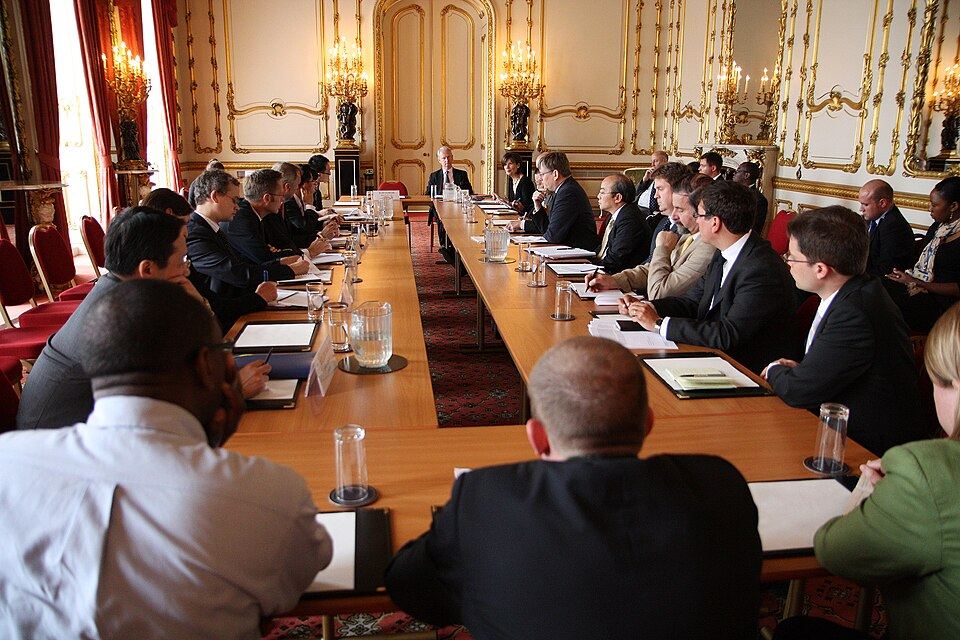
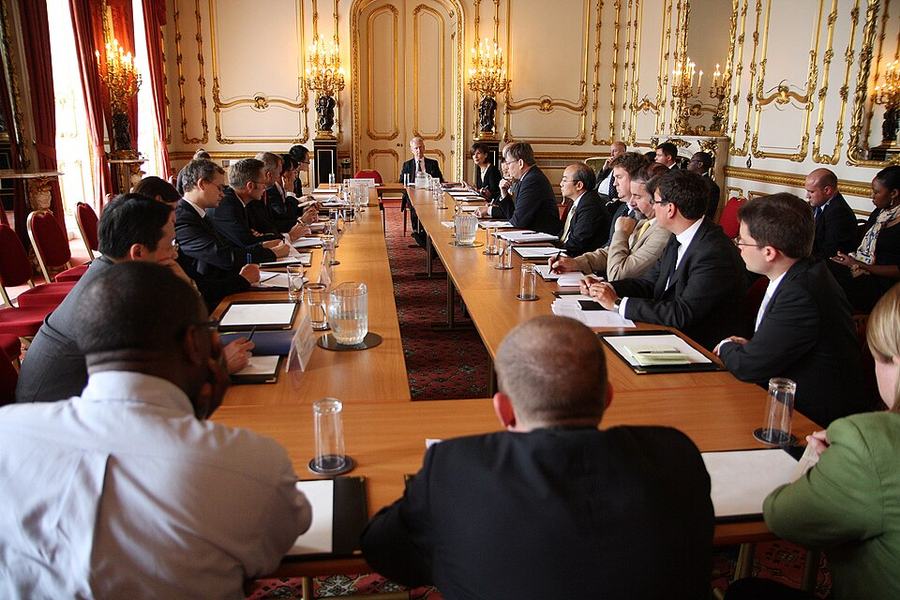
IMAGE · Foreign and Commonwealth Office · OGL v1.0 · Wikimedia Commons

Read the week's financial headlines from Niamey to Accra and a pattern emerges that has nothing to do with growth rates. It's about ownership of the numbers themselves. Who measures African value, who verifies it, and who ultimately captures it?

Start with BOA Niger, whose stock soared 40% on the BRVM even as the bank issued a profit warning and reported deteriorating earnings. That isn't a vote of confidence; it's a symptom of a market too thin and too information-poor for prices to reflect fundamentals at all. West African capital markets remain shallow enough that a handful of trades can detach a share price entirely from the business underneath it, and retail investors have almost no independent means of telling the difference between a rally and a mispricing.

That same information gap shows up, in inverted form, in Guinea's decision to ban raw gold exports. The policy logic is straightforward: Guinea bears the extraction and environmental cost while refining margins accrue almost entirely to destination markets abroad. Banning raw exports is an attempt to force value-addition onto domestic soil. But the harder problem isn't the decree, it's enforcement. Smuggling routes through Guinea-Bissau and the Sahel have historically made these bans more symbolic than structural, redirecting flows rather than capturing more value at home.

Uganda's oil revenue debate runs the same script in fiscal form. Policymakers have treated first oil as a financing guarantee for the country's broader energy transition, but experts are now saying plainly what should have been obvious: a fossil fuel windfall cannot underwrite a full pivot away from fossil fuels, especially when Uganda's oil reaches global markets just as long-term demand projections are turning downward. The fiscal dividend window may already be narrower than the budget assumed.

Where Guinea and Uganda are fighting to capture value from extraction, Nigerian fintech Payaza is fighting to capture trust. Its new 'A' ratings from four major credit agencies mark a shift from speculative confidence in African payments infrastructure to something closer to institutional validation. This is the kind of third-party verification that lets a platform compete for capital and partnerships beyond its home market. That this is treated as a milestone says something about how rare independently verified African financial infrastructure still is.

STRATA-AF™

Keep reading this Original

Sign in or sign up to finish this story, get your personalised feed, and unlock every Strata-AF™ Original.

SIGN IN / SIGN UP
READ NEXT
Africa's Capital Markets Are Finally Growing Up
FINANCESTRATA-AF™ ORIGINAL
Africa's Capital Markets Are Finally Growing Up
6 MINREAD →
Guinea bans export of raw gold in bid to boost revenues
FINANCEAfricanews
Guinea bans export of raw gold in bid to boost revenues
Guinea2 MINREAD →
--:--LAGOS
STRATA-AF™
ISSUE 001FEED◎ SEARCHSUBSCRIBE
/shows/data/docs
finance★ STRATA-AF™ ORIGINAL
Africa's Quiet Fight to Own Its Own Numbers
IMAGE · Foreign and Commonwealth Office · OGL v1.0 · Wikimedia Commons
Africa's Quiet Fight to Own Its Own Numbers

From gold exports to streaming royalties, the continent's real economic story this week isn't growth; it's who gets to measure it.

Pan-African5 MIN READ · 30 JUNE 2026
LISTEN TO STRATA-AF™ NOTE
Share

Read the week's financial headlines from Niamey to Accra and a pattern emerges that has nothing to do with growth rates. It's about ownership of the numbers themselves. Who measures African value, who verifies it, and who ultimately captures it?

Start with BOA Niger, whose stock soared 40% on the BRVM even as the bank issued a profit warning and reported deteriorating earnings. That isn't a vote of confidence; it's a symptom of a market too thin and too information-poor for prices to reflect fundamentals at all. West African capital markets remain shallow enough that a handful of trades can detach a share price entirely from the business underneath it, and retail investors have almost no independent means of telling the difference between a rally and a mispricing.

That same information gap shows up, in inverted form, in Guinea's decision to ban raw gold exports. The policy logic is straightforward: Guinea bears the extraction and environmental cost while refining margins accrue almost entirely to destination markets abroad. Banning raw exports is an attempt to force value-addition onto domestic soil. But the harder problem isn't the decree, it's enforcement. Smuggling routes through Guinea-Bissau and the Sahel have historically made these bans more symbolic than structural, redirecting flows rather than capturing more value at home.

Uganda's oil revenue debate runs the same script in fiscal form. Policymakers have treated first oil as a financing guarantee for the country's broader energy transition, but experts are now saying plainly what should have been obvious: a fossil fuel windfall cannot underwrite a full pivot away from fossil fuels, especially when Uganda's oil reaches global markets just as long-term demand projections are turning downward. The fiscal dividend window may already be narrower than the budget assumed.

Where Guinea and Uganda are fighting to capture value from extraction, Nigerian fintech Payaza is fighting to capture trust. Its new 'A' ratings from four major credit agencies mark a shift from speculative confidence in African payments infrastructure to something closer to institutional validation. This is the kind of third-party verification that lets a platform compete for capital and partnerships beyond its home market. That this is treated as a milestone says something about how rare independently verified African financial infrastructure still is.

STRATA-AF™

Keep reading this Original

Sign in or sign up to finish this story, get your personalised feed, and unlock every Strata-AF™ Original.

SIGN IN / SIGN UP
VERTICAL
finance
ORIGIN
Pan-African
PUBLISHED
30 JUNE 2026
READ NEXT2 PIECES SELECTED BY OUR EDITORS
FINANCE
Africa's Capital Markets Are Finally Growing Up
While speculative bubbles persist, institutional validation and infrastructure investment signal the continent's financial systems are maturing beyond their Wild West origins.
6 MINREAD →
FINANCE
Guinea bans export of raw gold in bid to boost revenues
Guinea outlaws the export of raw gold in a bid to increase domestic processing of the valuable natural resource.
Guinea2 MINREAD →
CULTURE · MUSIC · FILM · TECH · SPORT · POLITICS · HEALTH · FINANCE · RELIGION · FASHION · LAGOS · NAIROBI · JOBURG · ACCRA · DATA JOURNALISM · ORIGINAL REPORTING · THE ACTUAL VERSION ·CULTURE · MUSIC · FILM · TECH · SPORT · POLITICS · HEALTH · FINANCE · RELIGION · FASHION · LAGOS · NAIROBI · JOBURG · ACCRA · DATA JOURNALISM · ORIGINAL REPORTING · THE ACTUAL VERSION ·
Premium editorial for a continent that's done waiting to be covered.

Not the export-market version. Not the diaspora version. The actual version — written by the people who live there.

Verticals
CultureMusicFilmTechSportsPolitics
HUBS
Strata-AF OriginalsDataDocsNewsletterArchiveShows
Company
AboutMissionManifestoLegal
REACH
10VERTICALS
6CONTENT TYPES
5CITIES
1STANDARD
© 2026 STRATA-AF™ · STRATA PUBLISHING CO LTD · LAGOS · JOBURG · NAIROBI · ACCRAPRIVACYTERMSCORRECTIONSMASTHEAD
 
 
--:--LAGOS
CultureMusicFilmTechSportsPoliticsHealthFinanceReligionFashion
Highlights
Strata-AF
Editor's Pick
From the web
SPORTSSTRATA-AF™STRATA-AF™ ORIGINAL
WAFCON 2026 Proved African Women's Football Is Ready. The Clubs Aren't.
2 MINREAD →
POLITICSSTRATA-AF™★ EDITOR'S PICK
The Lagos Cancellation Is Not About Tyla Really, Or Is It ?
Pan-African2 MINREAD →
MUSICSTRATA-AF™★ EDITOR'S PICK
Blood, Beats & Betrayal: How Family Killed P-Square
Nigeria2 MINREAD →
MUSICBY THE NUMBERSSTRATA-AF™ ORIGINAL
Where African Artists Earn, Lose, and Get Erased on Stream
Pan-African2 MINREAD →
HEALTHSTRATA-AF™★ EDITOR'S PICK
Uganda Held the Line on Ebola. Here's the Playbook Congo Needs Now
DR Congo2 MINREAD →
MUSICSTRATA-AF™STRATA-AF™ ORIGINAL
Music Is Starving in Sudan: How the RSF Silenced a Generation of Artists
Sudan2 MINREAD →
CULTURESTRATA-AF™★ EDITOR'S PICK
How BBNaija Rewired Nigerian Television And Everything Around It
Lagos, Pan-African2 MINREAD →
FASHIONSTRATA-AF™★ EDITOR'S PICK
Lagos Fashion Week's Green Push Is Either Africa's Best Bet or Its Greenest Greenwash
Pan-African2 MINREAD →
CULTURESTRATA-AF™★ EDITOR'S PICK
Dakar 2026 Is Africa's Olympic Moment
Senegal2 MINREAD →
SPORTSFROM THE WEB★ EDITOR'S PICK
Senegal set to make Olympic history with Dakar 2026 Youth Games
Dakar 2026 breaks a hosting monopoly that has excluded Africa from Olympic stewardship for over a century — the question is what institutional and economic legacy Senegal can extract from the moment.
Senegal1 MIN · Africanews · 25 JULREAD →
See all stories

The actual version — written by the people who live there.

10VERTICALS
6TYPES
5CITIES
1STANDARD
AboutMissionManifestoLegalOriginalsSubscribeArchiveShowsContributorsJobs
© 2026 STRATA-AF™ · STRATA PUBLISHING CO LTD · LAGOS · NAIROBI · JOBURG · ACCRA
 
 
--:--LAGOS
CultureMusicFilmTechSportsPoliticsHealthFinanceReligionFashion
finance★ STRATA-AF™ ORIGINAL
Africa's Quiet Fight to Own Its Own Numbers

From gold exports to streaming royalties, the continent's real economic story this week isn't growth; it's who gets to measure it.

Pan-African5 MIN · 30 JUNE 2026
LISTEN TO STRATA-AF™ NOTE
Share
Africa's Quiet Fight to Own Its Own Numbers

Read the week's financial headlines from Niamey to Accra and a pattern emerges that has nothing to do with growth rates. It's about ownership of the numbers themselves. Who measures African value, who verifies it, and who ultimately captures it?

Start with BOA Niger, whose stock soared 40% on the BRVM even as the bank issued a profit warning and reported deteriorating earnings. That isn't a vote of confidence; it's a symptom of a market too thin and too information-poor for prices to reflect fundamentals at all. West African capital markets remain shallow enough that a handful of trades can detach a share price entirely from the business underneath it, and retail investors have almost no independent means of telling the difference between a rally and a mispricing.

That same information gap shows up, in inverted form, in Guinea's decision to ban raw gold exports. The policy logic is straightforward: Guinea bears the extraction and environmental cost while refining margins accrue almost entirely to destination markets abroad. Banning raw exports is an attempt to force value-addition onto domestic soil. But the harder problem isn't the decree, it's enforcement. Smuggling routes through Guinea-Bissau and the Sahel have historically made these bans more symbolic than structural, redirecting flows rather than capturing more value at home.

Uganda's oil revenue debate runs the same script in fiscal form. Policymakers have treated first oil as a financing guarantee for the country's broader energy transition, but experts are now saying plainly what should have been obvious: a fossil fuel windfall cannot underwrite a full pivot away from fossil fuels, especially when Uganda's oil reaches global markets just as long-term demand projections are turning downward. The fiscal dividend window may already be narrower than the budget assumed.

Where Guinea and Uganda are fighting to capture value from extraction, Nigerian fintech Payaza is fighting to capture trust. Its new 'A' ratings from four major credit agencies mark a shift from speculative confidence in African payments infrastructure to something closer to institutional validation. This is the kind of third-party verification that lets a platform compete for capital and partnerships beyond its home market. That this is treated as a milestone says something about how rare independently verified African financial infrastructure still is.

STRATA-AF™

Keep reading this Original

Sign in or sign up to finish this story, get your personalised feed, and unlock every Strata-AF™ Original.

SIGN IN / SIGN UP

READ NEXT
--:--LAGOS
/shows/data/docs
finance★ STRATA-AF™ ORIGINAL
Africa's Quiet Fight to Own Its Own Numbers
IMAGE · Foreign and Commonwealth Office · OGL v1.0 · Wikimedia Commons
Africa's Quiet Fight to Own Its Own Numbers

From gold exports to streaming royalties, the continent's real economic story this week isn't growth; it's who gets to measure it.

Pan-African5 MIN READ · 30 JUNE 2026
LISTEN TO STRATA-AF™ NOTE
Share

Read the week's financial headlines from Niamey to Accra and a pattern emerges that has nothing to do with growth rates. It's about ownership of the numbers themselves. Who measures African value, who verifies it, and who ultimately captures it?

Start with BOA Niger, whose stock soared 40% on the BRVM even as the bank issued a profit warning and reported deteriorating earnings. That isn't a vote of confidence; it's a symptom of a market too thin and too information-poor for prices to reflect fundamentals at all. West African capital markets remain shallow enough that a handful of trades can detach a share price entirely from the business underneath it, and retail investors have almost no independent means of telling the difference between a rally and a mispricing.

That same information gap shows up, in inverted form, in Guinea's decision to ban raw gold exports. The policy logic is straightforward: Guinea bears the extraction and environmental cost while refining margins accrue almost entirely to destination markets abroad. Banning raw exports is an attempt to force value-addition onto domestic soil. But the harder problem isn't the decree, it's enforcement. Smuggling routes through Guinea-Bissau and the Sahel have historically made these bans more symbolic than structural, redirecting flows rather than capturing more value at home.

Uganda's oil revenue debate runs the same script in fiscal form. Policymakers have treated first oil as a financing guarantee for the country's broader energy transition, but experts are now saying plainly what should have been obvious: a fossil fuel windfall cannot underwrite a full pivot away from fossil fuels, especially when Uganda's oil reaches global markets just as long-term demand projections are turning downward. The fiscal dividend window may already be narrower than the budget assumed.

Where Guinea and Uganda are fighting to capture value from extraction, Nigerian fintech Payaza is fighting to capture trust. Its new 'A' ratings from four major credit agencies mark a shift from speculative confidence in African payments infrastructure to something closer to institutional validation. This is the kind of third-party verification that lets a platform compete for capital and partnerships beyond its home market. That this is treated as a milestone says something about how rare independently verified African financial infrastructure still is.

STRATA-AF™

Keep reading this Original

Sign in or sign up to finish this story, get your personalised feed, and unlock every Strata-AF™ Original.

SIGN IN / SIGN UP

VERTICAL
finance
ORIGIN
Pan-African
PUBLISHED
30 JUNE 2026
READ NEXT2 PIECES SELECTED BY OUR EDITORS
CULTURE · MUSIC · FILM · TECH · SPORT · POLITICS · HEALTH · FINANCE · RELIGION · FASHION · LAGOS · NAIROBI · JOBURG · ACCRA · DATA JOURNALISM · ORIGINAL REPORTING · THE ACTUAL VERSION ·CULTURE · MUSIC · FILM · TECH · SPORT · POLITICS · HEALTH · FINANCE · RELIGION · FASHION · LAGOS · NAIROBI · JOBURG · ACCRA · DATA JOURNALISM · ORIGINAL REPORTING · THE ACTUAL VERSION ·
Premium editorial for a continent that's done waiting to be covered.

Not the export-market version. Not the diaspora version. The actual version — written by the people who live there.

Verticals
CultureMusicFilmTechSportsPolitics
HUBS
Strata-AF OriginalsDataDocsNewsletterArchiveShows
Company
AboutMissionManifestoLegal
REACH
10VERTICALS
6CONTENT TYPES
5CITIES
1STANDARD
© 2026 STRATA-AF™ · STRATA PUBLISHING CO LTD · LAGOS · JOBURG · NAIROBI · ACCRAPRIVACYTERMSCORRECTIONSMASTHEAD