From Mali's jihadist propaganda to Ghana's papal apologies, religious forces across Africa are simultaneously healing wounds and inflicting new ones.
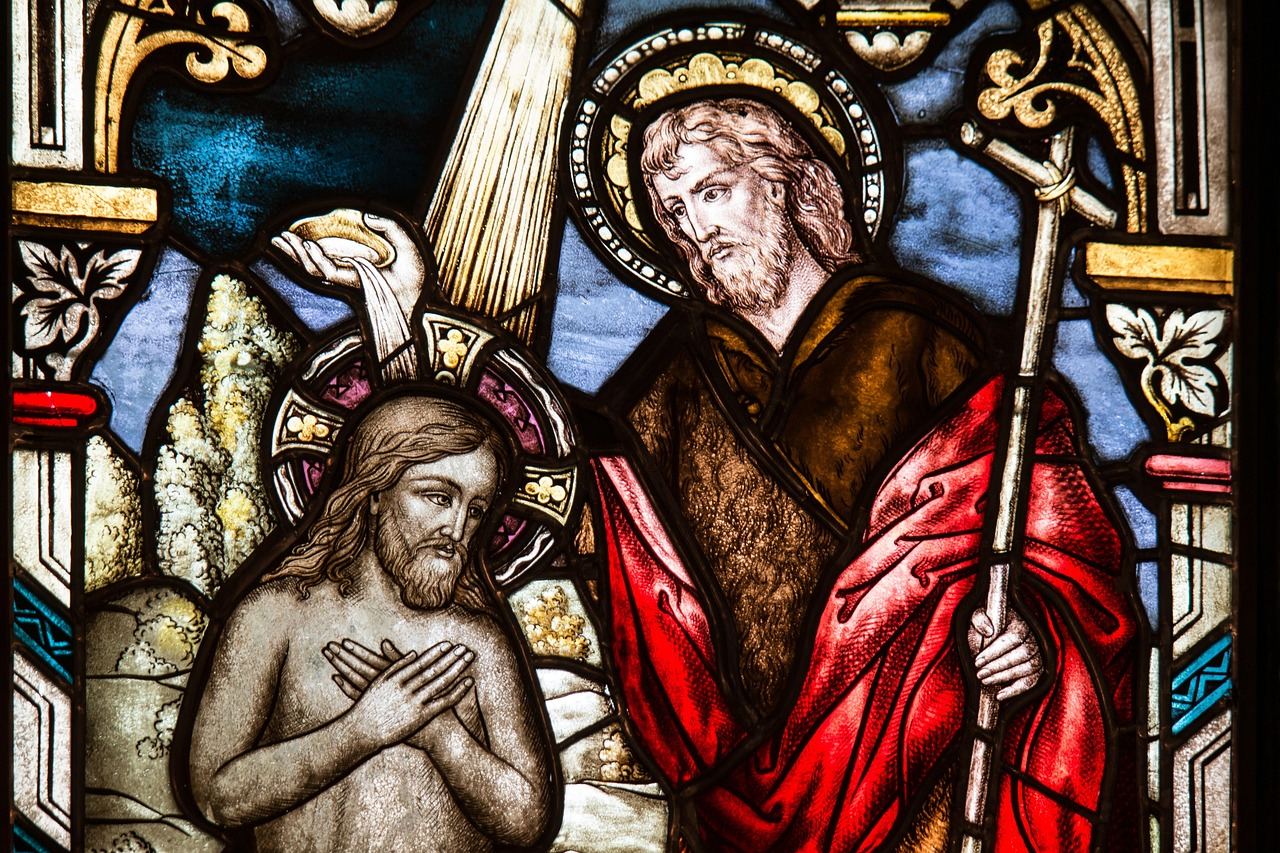
In the sprawling complexity of contemporary African politics, religion emerges not as a simple force for good or ill, but as the continent's most potent double-edged sword. While families in Mogadishu dance through Eid celebrations despite decades of conflict, jihadist groups in Mali weaponise Islamic imagery for recruitment videos. As Ghanaians graciously accept papal apologies for slavery, Congolese citizens pin their hopes for political salvation on constitutional amendments blessed by religious leaders. This is Africa's spiritual paradox: faith systems that simultaneously bind communities together and tear nations apart.
The Weaponisation of Sacred Texts
JNIM's sophisticated propaganda strategy in Mali represents the dark evolution of religious messaging in the digital age [S1]. The group's professional documentation and dissemination of attack footage signals an escalation that threatens regional stability, transforming sacred Islamic principles into recruitment tools for violence [S1]. This weaponisation of faith extends beyond Mali's borders, with the potential to inspire copycat attacks across the Sahel region [S1]. The irony is stark: the same religious traditions that provide comfort and community identity are being hijacked by extremists who understand the power of spiritual narratives to mobilise the disaffected.
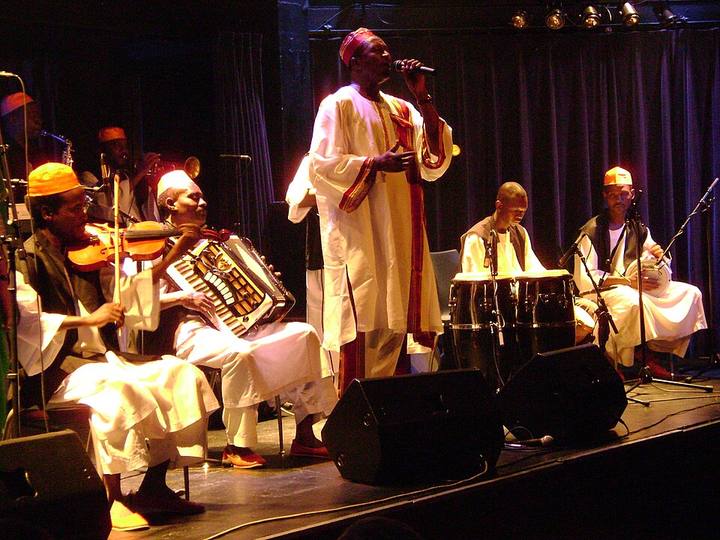
Yet even in conflict zones, the resilience of authentic religious practice shines through. Somalia's Eid celebrations in Mogadishu showcase how cultural and religious traditions provide unity amid adversity, with the capital serving as a beacon of hope and community strength during turbulent times [S2]. The contrast between festive normalcy in Mogadishu and ongoing challenges elsewhere highlights how African cities can maintain their spiritual core even when surrounded by chaos [S2]. This juxtaposition reveals a fundamental truth: while extremists may pervert religious messaging, they cannot extinguish the genuine communal bonds that faith creates.
The Vatican's Selective Attention Deficit
The Pope's recent diplomatic activities expose the Vatican's troubling hierarchy of attention, where proximity to Rome trumps devotion when securing papal engagement [S8]. While European leaders like Spain's Pedro Sánchez receive high-profile Vatican meetings and papal endorsements of their foreign policy stances [S3, S8], African heads of state continue waiting decades for meaningful engagement beyond ceremonial visits [S8]. This dynamic perpetuates colonial-era power structures despite Africa hosting the world's fastest-growing Catholic populations [S8].
The Pope's endorsement of Spain's foreign policy reflects growing Vatican influence in global diplomacy, particularly regarding conflicts that impact African nations through migration and regional instability [S3]. However, this papal blessing of Spain's migrant reception policies, while potentially strengthening European-African partnerships, still positions African nations as passive beneficiaries rather than equal partners in shaping Catholic social teaching [S3]. The Church's approach to reparations exemplifies this imbalance: Ghana graciously accepts the Vatican's overdue acknowledgment of Catholic complicity in slavery [S5], yet the real test lies in whether Rome will match papal apologies with concrete reparative action, including returning looted artifacts and funding educational initiatives across the continent [S5].
Keep reading this Original
Sign in or sign up to finish this story, get your personalised feed, and unlock every Strata-AF™ Original.
SIGN IN / SIGN UP