--:--LAGOS
CultureMusicFilmTechSportsPoliticsHealthFinanceReligionFashion
tech
Rest of World
Data centers should benefit the cities that power them

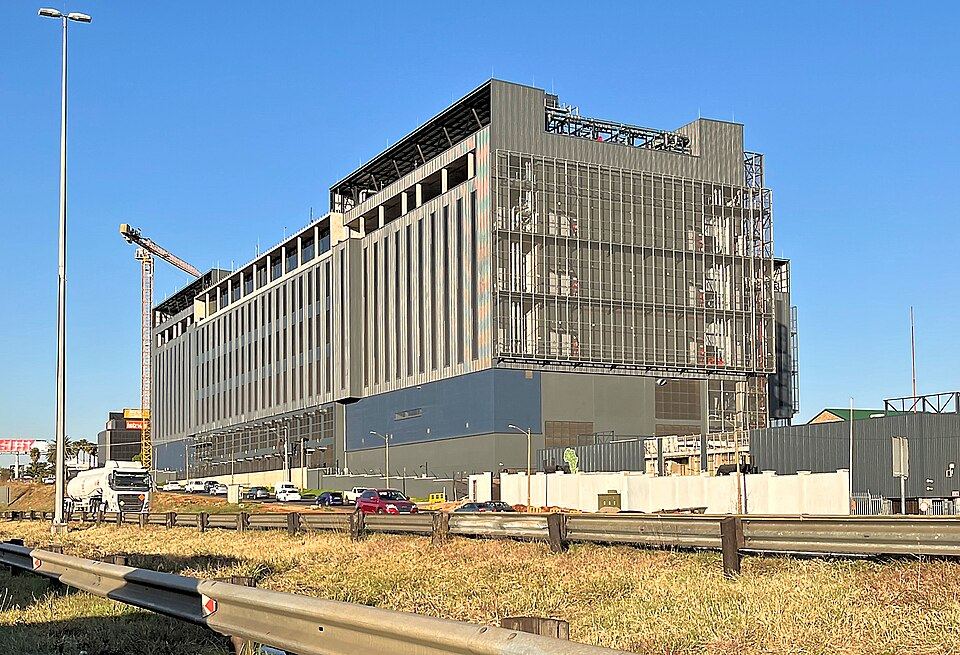
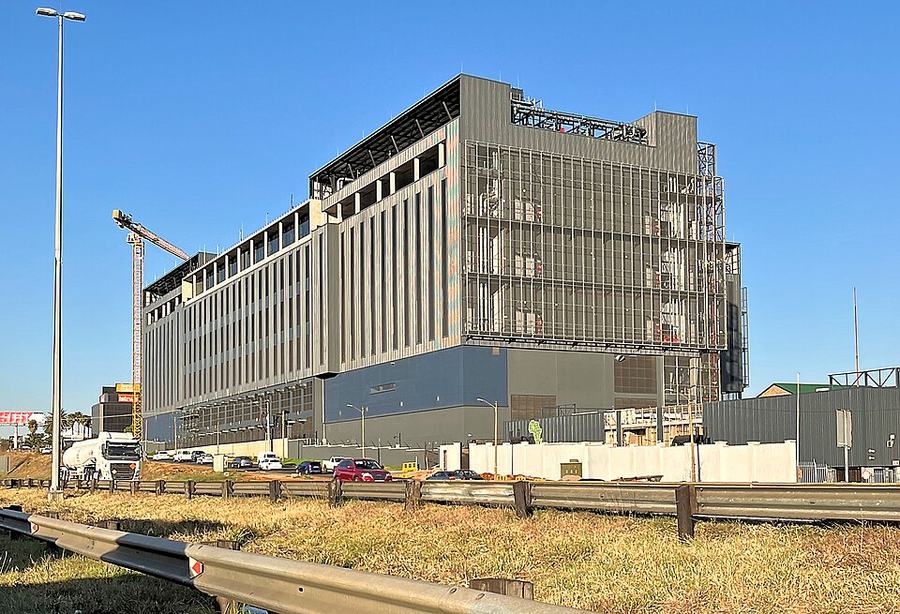
Data centres in African cities consume local power and water while exporting value to hyperscalers abroad. The community-benefit argument is not idealism but a structural renegotiation of who captures AI-era rents.
Pan-African2 MIN · 8 JULY 2026
From the web · Rest of World
Data centers should benefit the cities that power them
IMAGE · Wikimedia Commons
STRATA-AF™ ANGLEEDITORIAL SYNTHESIS BY STRATA-AF™

Data centres in African cities draw heavily on local power and water while the value they generate flows to hyperscalers abroad. Framing community benefit as a demand, not a courtesy, is really a structural renegotiation of who captures AI-era rents. Johannesburg, already living through grid strain from Eskom, is where this argument stops being theoretical and starts being a budget line.

Commentary in Rest of World argues that cities hosting data centre infrastructure, including several African metros courting hyperscaler investment must extract tangible community benefits rather than accepting job promises and tax revenue as sufficient return. The piece intervenes in a debate African governments are navigating in real time, as South Africa, Kenya, Nigeria, and Egypt position themselves as AI infrastructure hubs while local electricity grids remain strained.

Continentally, the stakes are acute: data centres are power-hungry in contexts where load-shedding is a daily reality, and water-cooled facilities create demand in drought-stressed urban watersheds. The infrastructure investment is real, but the value chain question, who trains the models, who owns the intellectual property, who provides the labour beyond construction & remains largely unresolved in favour of foreign operators.

African policymakers should watch how Johannesburg and Nairobi structure their next generation of data centre licensing agreements: whether they embed skills transfer clauses, local content compute access, or power infrastructure co-investment requirements will determine whether the AI infrastructure boom reproduces the extractive logic of the resource supercycle or breaks from it.

READ THE SOURCE REPORT FROM REST OF WORLD

Enjoying Strata-AF™?

Sign in or sign up for a personalised feed and unlock Strata-AF™ Originals.
SIGN IN / SIGN UP
--:--LAGOS
STRATA-AF™
ISSUE 001FEED◎ SEARCHSUBSCRIBE
/shows/data/docs
tech
Rest of World
From the webrestofworld.org
Data centers should benefit the cities that power them
IMAGE · Wikimedia Commons
Data centers should benefit the cities that power them

Data centres in African cities consume local power and water while exporting value to hyperscalers abroad. The community-benefit argument is not idealism but a structural renegotiation of who captures AI-era rents.

Pan-African2 MIN READ · 8 JULY 2026
From the web · Rest of World
STRATA-AF™ ANGLEEDITORIAL SYNTHESIS BY STRATA-AF™

Data centres in African cities draw heavily on local power and water while the value they generate flows to hyperscalers abroad. Framing community benefit as a demand, not a courtesy, is really a structural renegotiation of who captures AI-era rents. Johannesburg, already living through grid strain from Eskom, is where this argument stops being theoretical and starts being a budget line.

Commentary in Rest of World argues that cities hosting data centre infrastructure, including several African metros courting hyperscaler investment must extract tangible community benefits rather than accepting job promises and tax revenue as sufficient return. The piece intervenes in a debate African governments are navigating in real time, as South Africa, Kenya, Nigeria, and Egypt position themselves as AI infrastructure hubs while local electricity grids remain strained.

Continentally, the stakes are acute: data centres are power-hungry in contexts where load-shedding is a daily reality, and water-cooled facilities create demand in drought-stressed urban watersheds. The infrastructure investment is real, but the value chain question, who trains the models, who owns the intellectual property, who provides the labour beyond construction & remains largely unresolved in favour of foreign operators.

African policymakers should watch how Johannesburg and Nairobi structure their next generation of data centre licensing agreements: whether they embed skills transfer clauses, local content compute access, or power infrastructure co-investment requirements will determine whether the AI infrastructure boom reproduces the extractive logic of the resource supercycle or breaks from it.

READ THE SOURCE REPORT FROM REST OF WORLD

Enjoying Strata-AF™?

Sign in or sign up for a personalised feed and unlock Strata-AF™ Originals.

SIGN IN / SIGN UP
VERTICAL
tech
ORIGIN
Pan-African
PUBLISHED
8 JULY 2026
CULTURE · MUSIC · FILM · TECH · SPORT · POLITICS · HEALTH · FINANCE · RELIGION · FASHION · LAGOS · NAIROBI · JOBURG · ACCRA · DATA JOURNALISM · ORIGINAL REPORTING · THE ACTUAL VERSION ·CULTURE · MUSIC · FILM · TECH · SPORT · POLITICS · HEALTH · FINANCE · RELIGION · FASHION · LAGOS · NAIROBI · JOBURG · ACCRA · DATA JOURNALISM · ORIGINAL REPORTING · THE ACTUAL VERSION ·
Premium editorial for a continent that's done waiting to be covered.

Not the export-market version. Not the diaspora version. The actual version — written by the people who live there.

Verticals
CultureMusicFilmTechSportsPolitics
HUBS
Strata-AF OriginalsDataDocsNewsletterArchiveShows
Company
AboutMissionManifestoLegal
REACH
10VERTICALS
6CONTENT TYPES
5CITIES
1STANDARD
© 2026 STRATA-AF™ · STRATA PUBLISHING CO LTD · LAGOS · JOBURG · NAIROBI · ACCRAPRIVACYTERMSCORRECTIONSMASTHEAD
 
 
--:--LAGOS
CultureMusicFilmTechSportsPoliticsHealthFinanceReligionFashion
Highlights
Strata-AF
Editor's Pick
From the web
RELIGIONSTRATA-AF™STRATA-AF™ ORIGINAL
Niger State's Mosque Raids Expose a Response Gap
3 MINREAD →
HEALTHFROM THE WEB
Ebola Deaths in DRC Pass 2,000 at Day 100
A hundred days in, the DRC's Ebola outbreak has crossed 2,000 deaths, and the trajectory hasn't flattened.
DR Congo· The Guardian · 24 AUG
HEALTHFROM THE WEB
Unpaid Ebola Workers Strain DRC Outbreak Response
Health workers fighting the DRC's Ebola outbreak are reportedly going unpaid, even as officials describe the spread as exponential.
DR Congo· The Guardian · 24 AUG
RELIGIONFROM THE WEB
Niger State Still Can't Confirm Mosque Abduction Count
Four days after the mosque abductions, Niger State's government still can't say how many people were actually taken.
Nigeria1 MIN · AllAfrica · 24 AUG
RELIGIONFROM THE WEB
Villagers Describe Armed Raid During Niger Prayers
Witnesses in two Niger State villages describe an armed raid during Friday prayers, with police still confirming basic details days later.
Nigeria· DW · 24 AUG
CULTUREFROM THE WEB
Kenyan Social Entrepreneur Wins German Africa Prize
Wawira Njiru turned school-feeding logistics into a movement, and Germany just gave that work its biggest prize.
Kenya· DW · 24 AUG
SPORTSFROM THE WEB
Refugee Runner Amanal Petros Becomes European Champion
Amanal Petros ran from a war Germany didn't start and became one of its fastest citizens by choice, not birthright.
Ethiopia· DW · 24 AUG
CULTUREFROM THE WEB
Cameroon Marks 40 Years Since the Lake Nyos Gas Disaster
Four decades on, Lake Nyos still shapes how Cameroon's lake communities weigh the ground beneath them.
Cameroon· DW · 24 AUG
FINANCEFROM THE WEB
Congo-Brazzaville's Resource Wealth Still Skips Its People
Congo-Brazzaville sits on real mineral wealth, but the value keeps leaving before it reaches the people who live above it.
DR Congo· AllAfrica · 24 AUG
SPORTSFROM THE WEB
Egyptian Wrestler Loses Medal Over Mediterranean Games Assault
A silver medal became a disciplinary case the moment the match ended, not because of the result but the reaction to it.
Egypt· Egypt Independent · 24 AUG
See all stories

The actual version — written by the people who live there.

10VERTICALS
6TYPES
5CITIES
1STANDARD
AboutMissionManifestoLegalOriginalsSubscribeArchiveShowsContributorsJobs
© 2026 STRATA-AF™ · STRATA PUBLISHING CO LTD · LAGOS · NAIROBI · JOBURG · ACCRA
 
 
--:--LAGOS
CultureMusicFilmTechSportsPoliticsHealthFinanceReligionFashion
tech
Rest of World
Data centers should benefit the cities that power them

Data centres in African cities consume local power and water while exporting value to hyperscalers abroad. The community-benefit argument is not idealism but a structural renegotiation of who captures AI-era rents.

Pan-African2 MIN · 8 JULY 2026
From the web · Rest of World
Data centers should benefit the cities that power them
STRATA-AF™ ANGLEEDITORIAL SYNTHESIS BY STRATA-AF™

Data centres in African cities draw heavily on local power and water while the value they generate flows to hyperscalers abroad. Framing community benefit as a demand, not a courtesy, is really a structural renegotiation of who captures AI-era rents. Johannesburg, already living through grid strain from Eskom, is where this argument stops being theoretical and starts being a budget line.

Commentary in Rest of World argues that cities hosting data centre infrastructure, including several African metros courting hyperscaler investment must extract tangible community benefits rather than accepting job promises and tax revenue as sufficient return. The piece intervenes in a debate African governments are navigating in real time, as South Africa, Kenya, Nigeria, and Egypt position themselves as AI infrastructure hubs while local electricity grids remain strained.

Continentally, the stakes are acute: data centres are power-hungry in contexts where load-shedding is a daily reality, and water-cooled facilities create demand in drought-stressed urban watersheds. The infrastructure investment is real, but the value chain question, who trains the models, who owns the intellectual property, who provides the labour beyond construction & remains largely unresolved in favour of foreign operators.

African policymakers should watch how Johannesburg and Nairobi structure their next generation of data centre licensing agreements: whether they embed skills transfer clauses, local content compute access, or power infrastructure co-investment requirements will determine whether the AI infrastructure boom reproduces the extractive logic of the resource supercycle or breaks from it.

READ THE SOURCE REPORT FROM REST OF WORLD

Enjoying Strata-AF™?

Sign in or sign up for a personalised feed and unlock Strata-AF™ Originals.

SIGN IN / SIGN UP
--:--LAGOS
/shows/data/docs
tech
Rest of World
Data centers should benefit the cities that power them
IMAGE · Wikimedia Commons
Data centers should benefit the cities that power them

Data centres in African cities consume local power and water while exporting value to hyperscalers abroad. The community-benefit argument is not idealism but a structural renegotiation of who captures AI-era rents.

Pan-African2 MIN READ · 8 JULY 2026
From the web · Rest of World
STRATA-AF™ ANGLEEDITORIAL SYNTHESIS BY STRATA-AF™

Data centres in African cities draw heavily on local power and water while the value they generate flows to hyperscalers abroad. Framing community benefit as a demand, not a courtesy, is really a structural renegotiation of who captures AI-era rents. Johannesburg, already living through grid strain from Eskom, is where this argument stops being theoretical and starts being a budget line.

Commentary in Rest of World argues that cities hosting data centre infrastructure, including several African metros courting hyperscaler investment must extract tangible community benefits rather than accepting job promises and tax revenue as sufficient return. The piece intervenes in a debate African governments are navigating in real time, as South Africa, Kenya, Nigeria, and Egypt position themselves as AI infrastructure hubs while local electricity grids remain strained.

Continentally, the stakes are acute: data centres are power-hungry in contexts where load-shedding is a daily reality, and water-cooled facilities create demand in drought-stressed urban watersheds. The infrastructure investment is real, but the value chain question, who trains the models, who owns the intellectual property, who provides the labour beyond construction & remains largely unresolved in favour of foreign operators.

African policymakers should watch how Johannesburg and Nairobi structure their next generation of data centre licensing agreements: whether they embed skills transfer clauses, local content compute access, or power infrastructure co-investment requirements will determine whether the AI infrastructure boom reproduces the extractive logic of the resource supercycle or breaks from it.

READ THE SOURCE REPORT FROM REST OF WORLD

Enjoying Strata-AF™?

Sign in or sign up for a personalised feed and unlock Strata-AF™ Originals.

SIGN IN / SIGN UP
VERTICAL
tech
ORIGIN
Pan-African
PUBLISHED
8 JULY 2026
CULTURE · MUSIC · FILM · TECH · SPORT · POLITICS · HEALTH · FINANCE · RELIGION · FASHION · LAGOS · NAIROBI · JOBURG · ACCRA · DATA JOURNALISM · ORIGINAL REPORTING · THE ACTUAL VERSION ·CULTURE · MUSIC · FILM · TECH · SPORT · POLITICS · HEALTH · FINANCE · RELIGION · FASHION · LAGOS · NAIROBI · JOBURG · ACCRA · DATA JOURNALISM · ORIGINAL REPORTING · THE ACTUAL VERSION ·
Premium editorial for a continent that's done waiting to be covered.

Not the export-market version. Not the diaspora version. The actual version — written by the people who live there.

Verticals
CultureMusicFilmTechSportsPolitics
HUBS
Strata-AF OriginalsDataDocsNewsletterArchiveShows
Company
AboutMissionManifestoLegal
REACH
10VERTICALS
6CONTENT TYPES
5CITIES
1STANDARD
© 2026 STRATA-AF™ · STRATA PUBLISHING CO LTD · LAGOS · JOBURG · NAIROBI · ACCRAPRIVACYTERMSCORRECTIONSMASTHEAD