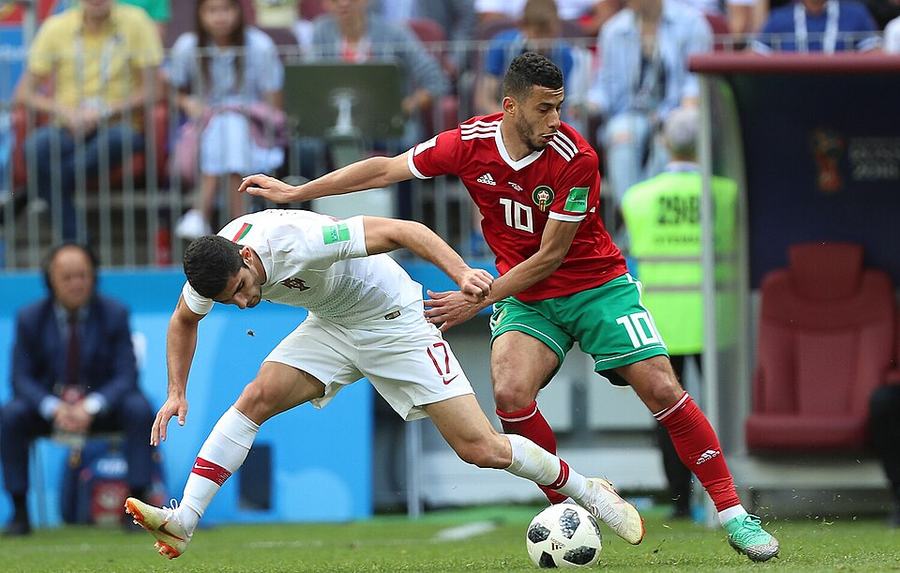
Morocco facing France in a World Cup quarter-final is a referendum on colonial history, African footballing ambition, and who gets to own the narrative of the beautiful game. The scoreline will matter less than what it proves.
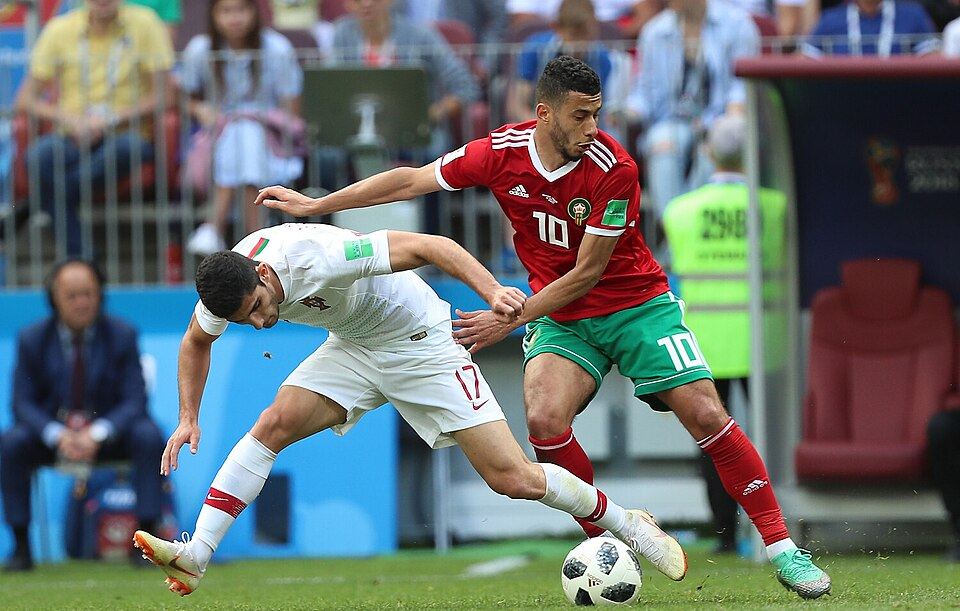
There is a match today, and then there is what the match means. Morocco versus France in a World Cup quarter final is both simultaneously, and anyone who tells you to separate the two has never stood in a Paris banlieue wearing a crescent and star jersey, or watched the Atlas Lions from a café in Casablanca at 2 a.m. with strangers who feel like family [1]. This is the thread that connects every source watching this fixture: football as the arena where postcolonial accounting finally gets a scoreboard.
Let us start with how Morocco arrived here, because it was not by accident or continental quota. The 3-0 dismantling of Canada was a system delivering on its blueprint [3]. Morocco did not park the bus. They pressed, transitioned, and finished with the kind of ruthless efficiency that forces European football media to quietly retire their talking points about African unpredictability [4]. This is the culmination of a deliberate football infrastructure project academy pipelines, a tactically sophisticated coaching setup, and a squad built across two continents of the diaspora that has been years in construction. The Atlas Lions are not representing Africa in this quarter final as a symbolic gesture. They are here because they are genuinely good enough to win the whole thing [2].
And the opponent waiting for them is precisely the opponent history would have written. France. Les Bleus. A squad that is itself majority African by heritage, yet plays under a flag that still carries the weight of what that heritage cost [6]. Kylian Mbappé, son of a Cameroonian father and Algerian mother, will line up against a nation where millions of people of North African descent will be screaming for Morocco. The political undertow here is not subtext, it is the text [1]. North African diaspora communities across France, Belgium, and the Netherlands have not had many moments where the football pitch offered them something this direct, this unambiguous. Today is one of those moments.
The memory of 2022 is not incidental either. Morocco reached the semi-finals in Qatar, eliminating Spain and Portugal in the process, becoming the first African nation to go that deep in a World Cup [2]. That run changed something permanently in how African football understood itself and perhaps more importantly, in how it demanded to be understood by others. What happens today in this quarter final is not Morocco trying to replicate lightning in a bottle. It is Morocco insisting that what happened in Qatar was not an anomaly but a floor. A new minimum expectation [4].
Keep reading this Original
Sign in or sign up to finish this story, get your personalised feed, and unlock every Strata-AF™ Original.
SIGN IN / SIGN UP