--:--LAGOS
CultureMusicFilmTechSportsPoliticsHealthFinanceReligionFashion
culture★ STRATA-AF™ ORIGINAL
What South Africa's Emigration Wave Actually Costs the Continent

The exodus from South Africa isn't a single nation's crisis: it's a continent-wide redistribution of labour, capital, and diplomatic credibility, with identifiable winners, losers, and a reckoning long overdue.
Pan-African7 MIN
LISTEN TO STRATA-AF™ NOTE
Share
What South Africa's Emigration Wave Actually Costs the Continent
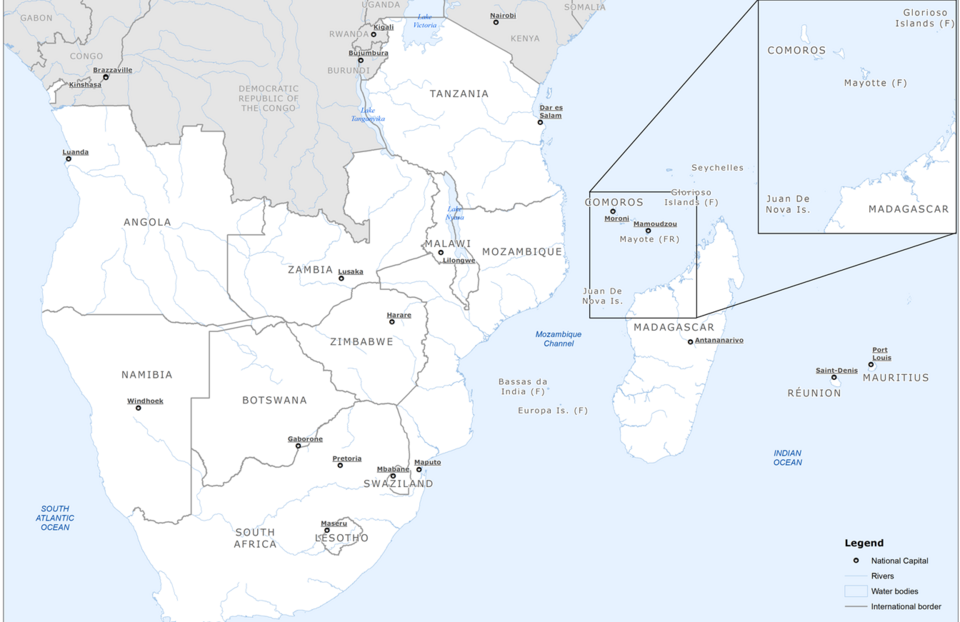
IMAGE · JRC, European Commission · CC BY 4.0 · Wikimedia Commons

The headline number is 50,000+, and every outlet that has touched it has framed it the same way: South Africa's problem, South Africa's shame. That framing is too small. What is unfolding across Gauteng, the Western Cape, and the mining belts of Mpumalanga is not a localised convulsion but rather, it is a stress test of Pan African integration itself, one that is redistributing skilled labour, informal capital, and diplomatic trust in ways that will reshape the continent's economic geography for a generation. The question worth asking is not why people are leaving South Africa. The question is where the value they carry goes next and who is positioned to catch it.

Start with the fear, because it is real and it is granular. African migrants in South Africa including many with full legal documentation report that paperwork offers no functional protection when anti-migrant rallies turn violent [2]. Malawi has joined a growing list of nations repatriating citizens, not because Lilongwe suddenly has better opportunities to offer, but because the calculation has flipped: the risk of staying now outweighs the premium South Africa's economy once paid [1]. Nigeria's government airlifted 282 nationals in a single evacuation flight [5], a number that sounds manageable until you understand it represents one flight, one week, one nationality and that the pattern has been repeating for months. These are not the undocumented, the informal, the easily dismissed. Many are traders, technicians, and service workers whose removal quietly degrades the economic ecosystems they inhabited.

The structural cause of this wave is not new and it is not accidental. South Africa's ANC spent decades extending diplomatic cover to Zanu-PF in Zimbabwe under the banner of liberation movement solidarity what critics now call 'quiet diplomacy' and the direct consequence was the largest sustained migration flow into South Africa on the continent [3]. Hundreds of thousands of Zimbabweans entered South Africa as their own state collapsed in slow motion, settling into the labour market in ways that were tolerated during commodity boom years and resented sharply when those years ended. The political cost of that ideological loyalty is now being paid not by the party elites who designed the policy, but by Zimbabwean migrants sleeping in Johannesburg churches and by South African township residents competing for the same shrinking pie [3]. That is the political economy underneath the violence: legitimate grievance about resource scarcity weaponised against the most visible and vulnerable scapegoat available.

The mining crackdown running parallel to the xenophobic surge is not coincidental. Pretoria's arrest of over 200 people in illegal mining operations, the so-called zama-zama sweeps, lands at a moment when gold prices are at record highs [4]. The crackdown is framed as law enforcement, but its timing and its targets tell a different story: it is, in effect, a contest over who controls artisanal extraction at the precise moment that extraction is most lucrative. A significant proportion of zama-zama operators are foreign nationals, predominantly from Zimbabwe and Mozambique. When you layer that onto the broader anti-migrant climate, what emerges is a pattern: formal and informal mechanisms working in concert to push foreign labour out of South Africa's economy and redirect resource rents toward domestic claimants. The economics are comprehensible even when the violence is not.

STRATA-AF™

Keep reading this Original

Sign in or sign up to finish this story, get your personalised feed, and unlock every Strata-AF™ Original.

SIGN IN / SIGN UP

READ NEXT
The Sovereignty Trap: Why Africa's Cultural Ascendance Masks a Deeper Crisis of Agency
CULTURESTRATA-AF™ ORIGINAL
The Sovereignty Trap: Why Africa's Cultural Ascendance Masks a Deeper Crisis of Agency
Pan-African6 MINREAD →
South Africa needs more technical skills, not just more degrees
CULTUREMail & Guardian
South Africa needs more technical skills, not just more degrees
Johannesburg, South Africa2 MINREAD →
--:--LAGOS
STRATA-AF™
ISSUE 001FEED◎ SEARCHSUBSCRIBE
/shows/data/docs
culture★ STRATA-AF™ ORIGINAL
What South Africa's Emigration Wave Actually Costs the Continent
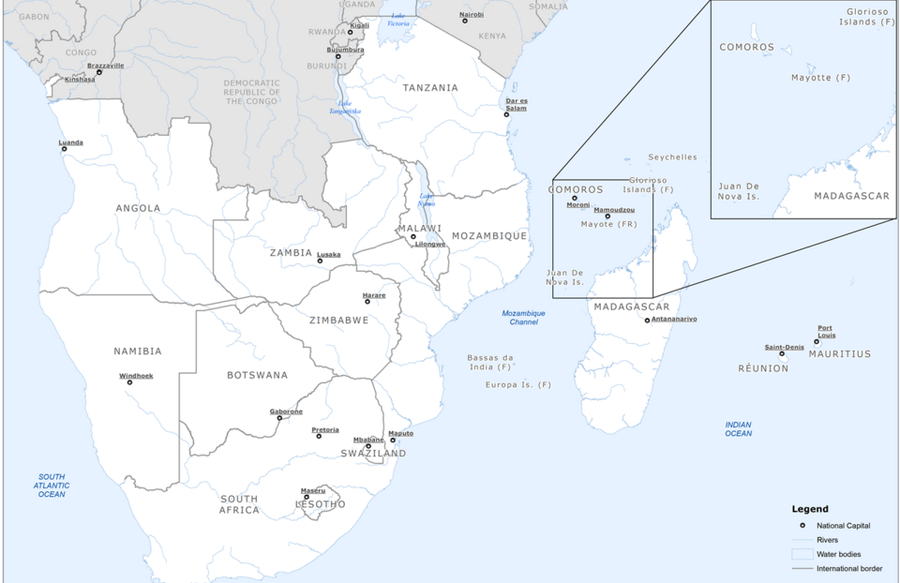
IMAGE · JRC, European Commission · CC BY 4.0 · Wikimedia Commons
What South Africa's Emigration Wave Actually Costs the Continent

The exodus from South Africa isn't a single nation's crisis: it's a continent-wide redistribution of labour, capital, and diplomatic credibility, with identifiable winners, losers, and a reckoning long overdue.

Pan-African7 MIN READ
LISTEN TO STRATA-AF™ NOTE
Share

The headline number is 50,000+, and every outlet that has touched it has framed it the same way: South Africa's problem, South Africa's shame. That framing is too small. What is unfolding across Gauteng, the Western Cape, and the mining belts of Mpumalanga is not a localised convulsion but rather, it is a stress test of Pan African integration itself, one that is redistributing skilled labour, informal capital, and diplomatic trust in ways that will reshape the continent's economic geography for a generation. The question worth asking is not why people are leaving South Africa. The question is where the value they carry goes next and who is positioned to catch it.

Start with the fear, because it is real and it is granular. African migrants in South Africa including many with full legal documentation report that paperwork offers no functional protection when anti-migrant rallies turn violent [2]. Malawi has joined a growing list of nations repatriating citizens, not because Lilongwe suddenly has better opportunities to offer, but because the calculation has flipped: the risk of staying now outweighs the premium South Africa's economy once paid [1]. Nigeria's government airlifted 282 nationals in a single evacuation flight [5], a number that sounds manageable until you understand it represents one flight, one week, one nationality and that the pattern has been repeating for months. These are not the undocumented, the informal, the easily dismissed. Many are traders, technicians, and service workers whose removal quietly degrades the economic ecosystems they inhabited.

The structural cause of this wave is not new and it is not accidental. South Africa's ANC spent decades extending diplomatic cover to Zanu-PF in Zimbabwe under the banner of liberation movement solidarity what critics now call 'quiet diplomacy' and the direct consequence was the largest sustained migration flow into South Africa on the continent [3]. Hundreds of thousands of Zimbabweans entered South Africa as their own state collapsed in slow motion, settling into the labour market in ways that were tolerated during commodity boom years and resented sharply when those years ended. The political cost of that ideological loyalty is now being paid not by the party elites who designed the policy, but by Zimbabwean migrants sleeping in Johannesburg churches and by South African township residents competing for the same shrinking pie [3]. That is the political economy underneath the violence: legitimate grievance about resource scarcity weaponised against the most visible and vulnerable scapegoat available.

The mining crackdown running parallel to the xenophobic surge is not coincidental. Pretoria's arrest of over 200 people in illegal mining operations, the so-called zama-zama sweeps, lands at a moment when gold prices are at record highs [4]. The crackdown is framed as law enforcement, but its timing and its targets tell a different story: it is, in effect, a contest over who controls artisanal extraction at the precise moment that extraction is most lucrative. A significant proportion of zama-zama operators are foreign nationals, predominantly from Zimbabwe and Mozambique. When you layer that onto the broader anti-migrant climate, what emerges is a pattern: formal and informal mechanisms working in concert to push foreign labour out of South Africa's economy and redirect resource rents toward domestic claimants. The economics are comprehensible even when the violence is not.

STRATA-AF™

Keep reading this Original

Sign in or sign up to finish this story, get your personalised feed, and unlock every Strata-AF™ Original.

SIGN IN / SIGN UP
VERTICAL
culture
ORIGIN
Pan-African
READ NEXT2 PIECES SELECTED BY OUR EDITORS
CULTURE
The Sovereignty Trap: Why Africa's Cultural Ascendance Masks a Deeper Crisis of Agency
From Davido's activism to Nairobi's protests, Lagos, Dakar, and Kigali's rising cultural reach is being undermined by continued dependence on external platforms, validation, and infrastructure.
Pan-African6 MINREAD →
CULTURE
South Africa needs more technical skills, not just more degrees
BMW's CEO argues that South Africa should prioritize technical and vocational training over traditional university education to address skills shortages and economic development needs.
Johannesburg, South Africa2 MINREAD →
CULTURE · MUSIC · FILM · TECH · SPORT · POLITICS · HEALTH · FINANCE · RELIGION · FASHION · LAGOS · NAIROBI · JOBURG · ACCRA · DATA JOURNALISM · ORIGINAL REPORTING · THE ACTUAL VERSION ·CULTURE · MUSIC · FILM · TECH · SPORT · POLITICS · HEALTH · FINANCE · RELIGION · FASHION · LAGOS · NAIROBI · JOBURG · ACCRA · DATA JOURNALISM · ORIGINAL REPORTING · THE ACTUAL VERSION ·
Premium editorial for a continent that's done waiting to be covered.

Not the export-market version. Not the diaspora version. The actual version — written by the people who live there.

Verticals
CultureMusicFilmTechSportsPolitics
HUBS
Strata-AF OriginalsDataDocsNewsletterArchiveShows
Company
AboutMissionManifestoLegal
REACH
10VERTICALS
6CONTENT TYPES
5CITIES
1STANDARD
© 2026 STRATA-AF™ · STRATA PUBLISHING CO LTD · LAGOS · JOBURG · NAIROBI · ACCRAPRIVACYTERMSCORRECTIONSMASTHEAD
 
 
--:--LAGOS
CultureMusicFilmTechSportsPoliticsHealthFinanceReligionFashion
Highlights
Strata-AF
Editor's Pick
From the web
RELIGIONSTRATA-AF™STRATA-AF™ ORIGINAL
Niger State's Mosque Raids Expose a Response Gap
3 MINREAD →
HEALTHFROM THE WEB
Ebola Deaths in DRC Pass 2,000 at Day 100
A hundred days in, the DRC's Ebola outbreak has crossed 2,000 deaths, and the trajectory hasn't flattened.
DR Congo· The Guardian · 24 AUG
HEALTHFROM THE WEB
Unpaid Ebola Workers Strain DRC Outbreak Response
Health workers fighting the DRC's Ebola outbreak are reportedly going unpaid, even as officials describe the spread as exponential.
DR Congo· The Guardian · 24 AUG
RELIGIONFROM THE WEB
Niger State Still Can't Confirm Mosque Abduction Count
Four days after the mosque abductions, Niger State's government still can't say how many people were actually taken.
Nigeria1 MIN · AllAfrica · 24 AUG
RELIGIONFROM THE WEB
Villagers Describe Armed Raid During Niger Prayers
Witnesses in two Niger State villages describe an armed raid during Friday prayers, with police still confirming basic details days later.
Nigeria· DW · 24 AUG
CULTUREFROM THE WEB
Kenyan Social Entrepreneur Wins German Africa Prize
Wawira Njiru turned school-feeding logistics into a movement, and Germany just gave that work its biggest prize.
Kenya· DW · 24 AUG
SPORTSFROM THE WEB
Refugee Runner Amanal Petros Becomes European Champion
Amanal Petros ran from a war Germany didn't start and became one of its fastest citizens by choice, not birthright.
Ethiopia· DW · 24 AUG
CULTUREFROM THE WEB
Cameroon Marks 40 Years Since the Lake Nyos Gas Disaster
Four decades on, Lake Nyos still shapes how Cameroon's lake communities weigh the ground beneath them.
Cameroon· DW · 24 AUG
FINANCEFROM THE WEB
Congo-Brazzaville's Resource Wealth Still Skips Its People
Congo-Brazzaville sits on real mineral wealth, but the value keeps leaving before it reaches the people who live above it.
DR Congo· AllAfrica · 24 AUG
SPORTSFROM THE WEB
Egyptian Wrestler Loses Medal Over Mediterranean Games Assault
A silver medal became a disciplinary case the moment the match ended, not because of the result but the reaction to it.
Egypt· Egypt Independent · 24 AUG
See all stories

The actual version — written by the people who live there.

10VERTICALS
6TYPES
5CITIES
1STANDARD
AboutMissionManifestoLegalOriginalsSubscribeArchiveShowsContributorsJobs
© 2026 STRATA-AF™ · STRATA PUBLISHING CO LTD · LAGOS · NAIROBI · JOBURG · ACCRA
 
 
--:--LAGOS
CultureMusicFilmTechSportsPoliticsHealthFinanceReligionFashion
culture★ STRATA-AF™ ORIGINAL
What South Africa's Emigration Wave Actually Costs the Continent

The exodus from South Africa isn't a single nation's crisis: it's a continent-wide redistribution of labour, capital, and diplomatic credibility, with identifiable winners, losers, and a reckoning long overdue.

Pan-African7 MIN
LISTEN TO STRATA-AF™ NOTE
Share
What South Africa's Emigration Wave Actually Costs the Continent

The headline number is 50,000+, and every outlet that has touched it has framed it the same way: South Africa's problem, South Africa's shame. That framing is too small. What is unfolding across Gauteng, the Western Cape, and the mining belts of Mpumalanga is not a localised convulsion but rather, it is a stress test of Pan African integration itself, one that is redistributing skilled labour, informal capital, and diplomatic trust in ways that will reshape the continent's economic geography for a generation. The question worth asking is not why people are leaving South Africa. The question is where the value they carry goes next and who is positioned to catch it.

Start with the fear, because it is real and it is granular. African migrants in South Africa including many with full legal documentation report that paperwork offers no functional protection when anti-migrant rallies turn violent [2]. Malawi has joined a growing list of nations repatriating citizens, not because Lilongwe suddenly has better opportunities to offer, but because the calculation has flipped: the risk of staying now outweighs the premium South Africa's economy once paid [1]. Nigeria's government airlifted 282 nationals in a single evacuation flight [5], a number that sounds manageable until you understand it represents one flight, one week, one nationality and that the pattern has been repeating for months. These are not the undocumented, the informal, the easily dismissed. Many are traders, technicians, and service workers whose removal quietly degrades the economic ecosystems they inhabited.

The structural cause of this wave is not new and it is not accidental. South Africa's ANC spent decades extending diplomatic cover to Zanu-PF in Zimbabwe under the banner of liberation movement solidarity what critics now call 'quiet diplomacy' and the direct consequence was the largest sustained migration flow into South Africa on the continent [3]. Hundreds of thousands of Zimbabweans entered South Africa as their own state collapsed in slow motion, settling into the labour market in ways that were tolerated during commodity boom years and resented sharply when those years ended. The political cost of that ideological loyalty is now being paid not by the party elites who designed the policy, but by Zimbabwean migrants sleeping in Johannesburg churches and by South African township residents competing for the same shrinking pie [3]. That is the political economy underneath the violence: legitimate grievance about resource scarcity weaponised against the most visible and vulnerable scapegoat available.

The mining crackdown running parallel to the xenophobic surge is not coincidental. Pretoria's arrest of over 200 people in illegal mining operations, the so-called zama-zama sweeps, lands at a moment when gold prices are at record highs [4]. The crackdown is framed as law enforcement, but its timing and its targets tell a different story: it is, in effect, a contest over who controls artisanal extraction at the precise moment that extraction is most lucrative. A significant proportion of zama-zama operators are foreign nationals, predominantly from Zimbabwe and Mozambique. When you layer that onto the broader anti-migrant climate, what emerges is a pattern: formal and informal mechanisms working in concert to push foreign labour out of South Africa's economy and redirect resource rents toward domestic claimants. The economics are comprehensible even when the violence is not.

STRATA-AF™

Keep reading this Original

Sign in or sign up to finish this story, get your personalised feed, and unlock every Strata-AF™ Original.

SIGN IN / SIGN UP
READ NEXT
--:--LAGOS
/shows/data/docs
culture★ STRATA-AF™ ORIGINAL
What South Africa's Emigration Wave Actually Costs the Continent
IMAGE · JRC, European Commission · CC BY 4.0 · Wikimedia Commons
What South Africa's Emigration Wave Actually Costs the Continent

The exodus from South Africa isn't a single nation's crisis: it's a continent-wide redistribution of labour, capital, and diplomatic credibility, with identifiable winners, losers, and a reckoning long overdue.

Pan-African7 MIN READ
LISTEN TO STRATA-AF™ NOTE
Share

The headline number is 50,000+, and every outlet that has touched it has framed it the same way: South Africa's problem, South Africa's shame. That framing is too small. What is unfolding across Gauteng, the Western Cape, and the mining belts of Mpumalanga is not a localised convulsion but rather, it is a stress test of Pan African integration itself, one that is redistributing skilled labour, informal capital, and diplomatic trust in ways that will reshape the continent's economic geography for a generation. The question worth asking is not why people are leaving South Africa. The question is where the value they carry goes next and who is positioned to catch it.

Start with the fear, because it is real and it is granular. African migrants in South Africa including many with full legal documentation report that paperwork offers no functional protection when anti-migrant rallies turn violent [2]. Malawi has joined a growing list of nations repatriating citizens, not because Lilongwe suddenly has better opportunities to offer, but because the calculation has flipped: the risk of staying now outweighs the premium South Africa's economy once paid [1]. Nigeria's government airlifted 282 nationals in a single evacuation flight [5], a number that sounds manageable until you understand it represents one flight, one week, one nationality and that the pattern has been repeating for months. These are not the undocumented, the informal, the easily dismissed. Many are traders, technicians, and service workers whose removal quietly degrades the economic ecosystems they inhabited.

The structural cause of this wave is not new and it is not accidental. South Africa's ANC spent decades extending diplomatic cover to Zanu-PF in Zimbabwe under the banner of liberation movement solidarity what critics now call 'quiet diplomacy' and the direct consequence was the largest sustained migration flow into South Africa on the continent [3]. Hundreds of thousands of Zimbabweans entered South Africa as their own state collapsed in slow motion, settling into the labour market in ways that were tolerated during commodity boom years and resented sharply when those years ended. The political cost of that ideological loyalty is now being paid not by the party elites who designed the policy, but by Zimbabwean migrants sleeping in Johannesburg churches and by South African township residents competing for the same shrinking pie [3]. That is the political economy underneath the violence: legitimate grievance about resource scarcity weaponised against the most visible and vulnerable scapegoat available.

The mining crackdown running parallel to the xenophobic surge is not coincidental. Pretoria's arrest of over 200 people in illegal mining operations, the so-called zama-zama sweeps, lands at a moment when gold prices are at record highs [4]. The crackdown is framed as law enforcement, but its timing and its targets tell a different story: it is, in effect, a contest over who controls artisanal extraction at the precise moment that extraction is most lucrative. A significant proportion of zama-zama operators are foreign nationals, predominantly from Zimbabwe and Mozambique. When you layer that onto the broader anti-migrant climate, what emerges is a pattern: formal and informal mechanisms working in concert to push foreign labour out of South Africa's economy and redirect resource rents toward domestic claimants. The economics are comprehensible even when the violence is not.

STRATA-AF™

Keep reading this Original

Sign in or sign up to finish this story, get your personalised feed, and unlock every Strata-AF™ Original.

SIGN IN / SIGN UP
VERTICAL
culture
ORIGIN
Pan-African
READ NEXT2 PIECES SELECTED BY OUR EDITORS
CULTURE · MUSIC · FILM · TECH · SPORT · POLITICS · HEALTH · FINANCE · RELIGION · FASHION · LAGOS · NAIROBI · JOBURG · ACCRA · DATA JOURNALISM · ORIGINAL REPORTING · THE ACTUAL VERSION ·CULTURE · MUSIC · FILM · TECH · SPORT · POLITICS · HEALTH · FINANCE · RELIGION · FASHION · LAGOS · NAIROBI · JOBURG · ACCRA · DATA JOURNALISM · ORIGINAL REPORTING · THE ACTUAL VERSION ·
Premium editorial for a continent that's done waiting to be covered.

Not the export-market version. Not the diaspora version. The actual version — written by the people who live there.

Verticals
CultureMusicFilmTechSportsPolitics
HUBS
Strata-AF OriginalsDataDocsNewsletterArchiveShows
Company
AboutMissionManifestoLegal
REACH
10VERTICALS
6CONTENT TYPES
5CITIES
1STANDARD
© 2026 STRATA-AF™ · STRATA PUBLISHING CO LTD · LAGOS · JOBURG · NAIROBI · ACCRAPRIVACYTERMSCORRECTIONSMASTHEAD