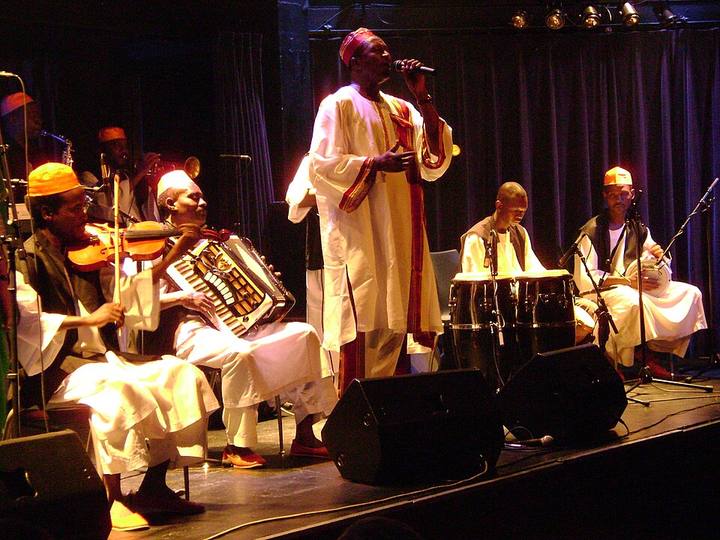
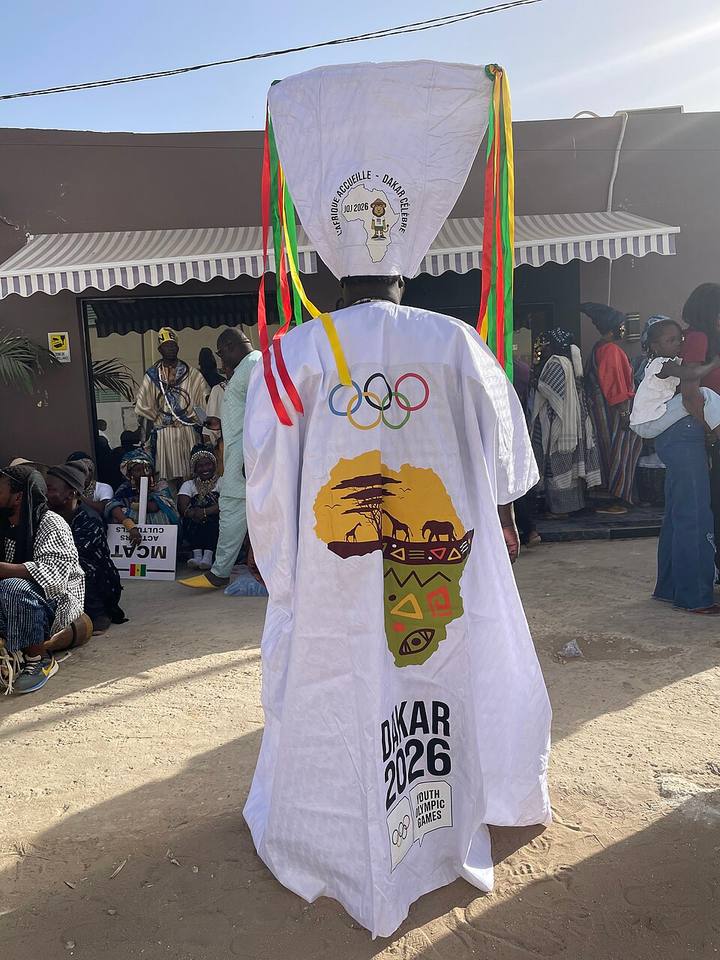
From Davido's activism to Nairobi's protests, Lagos, Dakar, and Kigali's rising cultural reach is being undermined by continued dependence on external platforms, validation, and infrastructure.
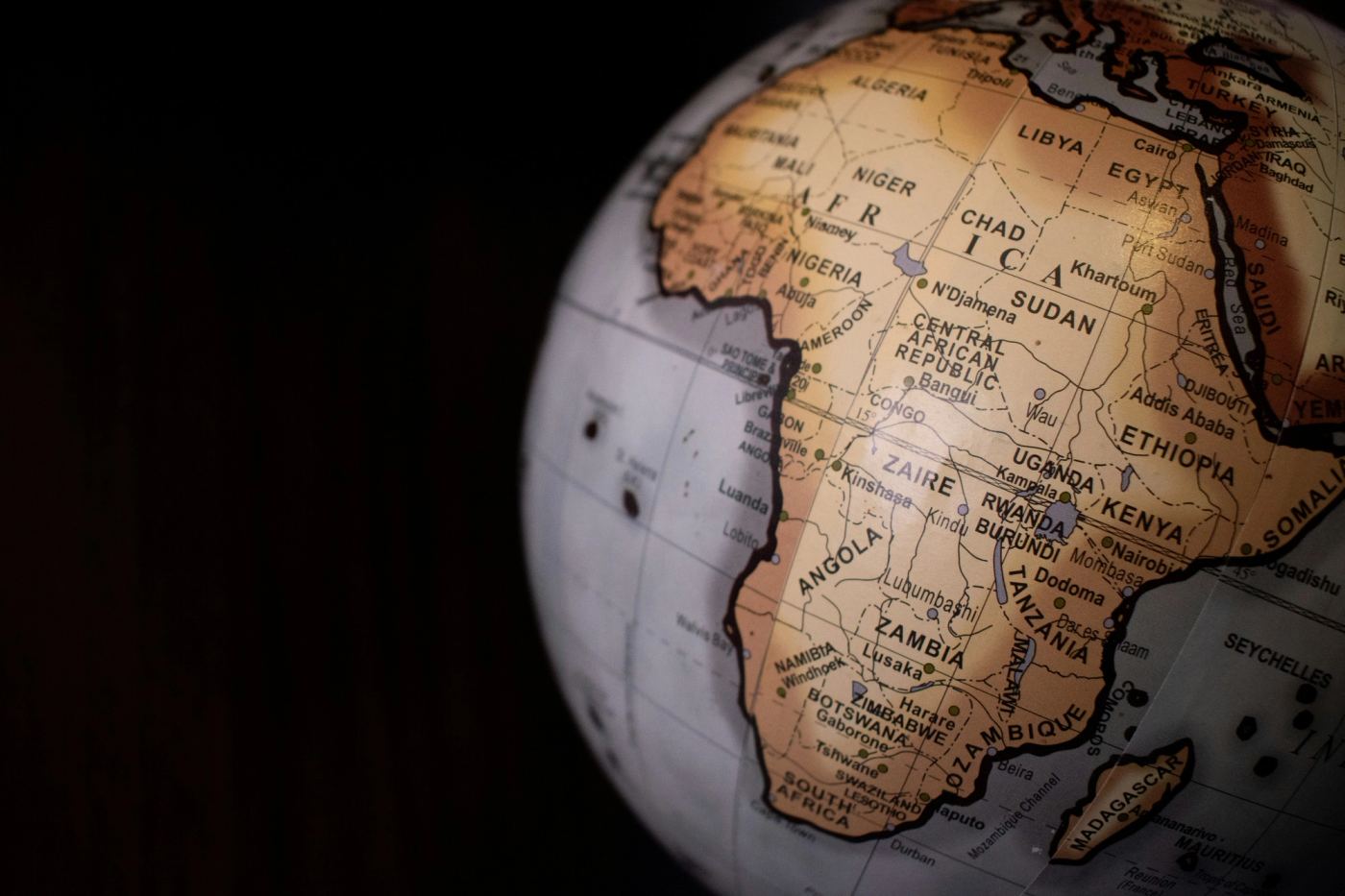
The paradox of contemporary African influence has never been starker. While Nigerian fashion moments demand magazine covers and boxing champions emerge from Windhoek to global acclaim, the continent's most powerful cultural exports remain trapped in a system that celebrates their creativity while denying them true agency. This is the sovereignty trap: where cultural ascendance masks structural dependency, and global recognition becomes a substitute for continental self-determination.
The Performance of Power
Nigerian fashion's demand for magazine recognition reveals the insidious nature of this trap [S1]. When Africa's most innovative designers create looks that 'deserve' international magazine covers, we're witnessing a continent that has internalized the West's validation systems as the ultimate measure of worth. The very phrase 'deserve a magazine cover' presupposes that European and American publications remain the arbiters of African excellence, a colonial mindset dressed in contemporary haute couture.
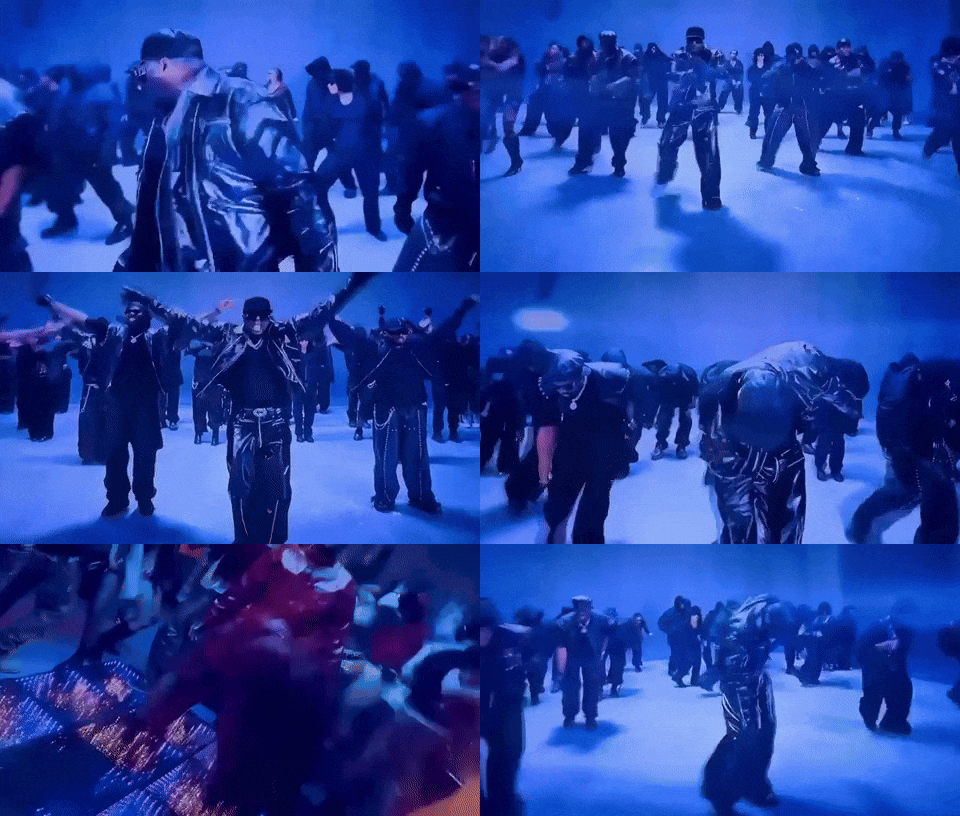
This validation dependency extends beyond fashion into the entertainment sphere, where even Africa's biggest stars struggle with authenticity versus responsibility. Davido's evolution from 'city boy' to social justice advocate illustrates how the continent's cultural ambassadors are finally grappling with their global platforms, yet the question remains whether this activism will transcend 'weekend Twitter solidarity' [S3]. The pressure to perform consciousness rather than live it reflects a deeper crisis of African celebrity caught between local accountability and global commodification.
Infrastructure as Ideology
While celebrities navigate performative activism, ordinary Africans face the brutal reality of infrastructure failure that exposes the continent's structural vulnerabilities. In KwaZulu-Natal, residents of uMhlwazi risk their lives daily crossing the Indaka River because government promises to build a bridge have gone unfulfilled for decades [S9]. This isn't simply poor governance. It's emblematic of a continent where basic infrastructure remains hostage to external funding cycles and political priorities divorced from local needs.
Keep reading this Original
Sign in or sign up to finish this story, get your personalised feed, and unlock every Strata-AF™ Original.
SIGN IN / SIGN UP