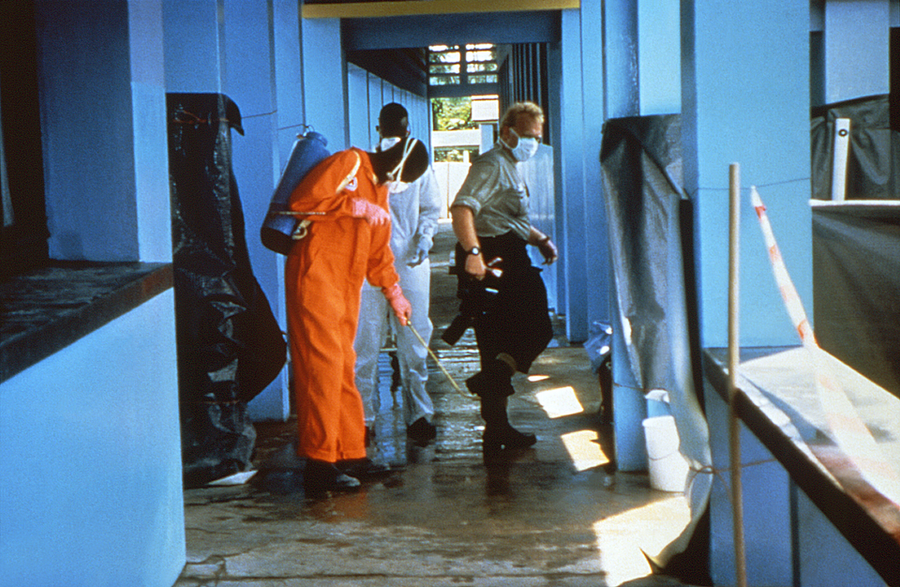
Health workers in DRC walking off the job mid outbreak isn't a discipline failure, it's proof that the global health architecture is built on extracted African labour it refuses to secure.
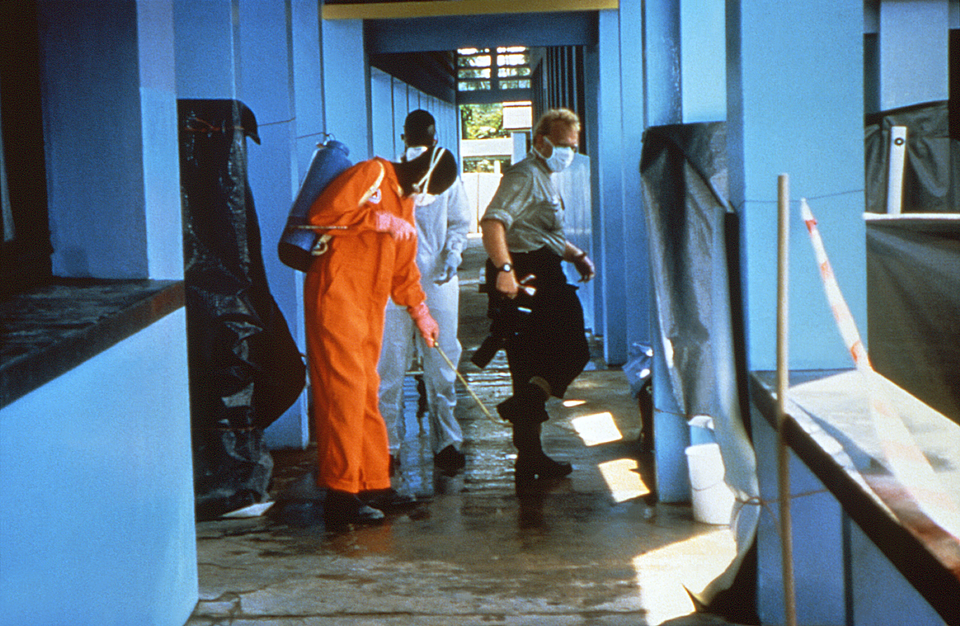
Here is the thread that connects every piece of Ebola coverage you've read this month but that nobody is saying plainly: the people keeping a potential 20,000 case outbreak from becoming a continental catastrophe are working without guaranteed pay, under physical threat, with no approved drugs to offer their patients, inside a $518 million response architecture that somehow forgot to sort out salaries [2][3][4][1]. The DRC health worker strike is not a footnote to the outbreak story. It is the outbreak story.
Start with the basics of what these workers are walking into. Bundibugyo Ebola, the species circulating in this outbreak has no approved therapeutic [1]. That means a nurse or contact tracer suiting up in full PPE in Équateur or South Kivu is not doing so with the quiet confidence that medicine will save the patients they stabilise. They are doing it on will alone, or on contractual obligation, or and this is where it gets uncomfortable for the international health establishment on the promise of hazard pay and salary disbursements that have not arrived [4]. When those disbursements failed, workers downed tools. The global health commentary machine called it a crisis. It is, but not the one they named.
The WHO and Africa CDC unveiled a $518 million Ebola response initiative with language about coordinated continental approaches and comprehensive planning [3]. Five hundred and eighteen million dollars. Read that number again, and then read this one: zero, as in the number of months health workers in eastern DRC apparently went paid before the strike [4]. These two facts do not sit in different stories. They sit in the same story, and the story is about where the money flows and who it secures. Response architecture at that funding scale does not accidentally forget frontline salaries. It deprioritises them structurally because the assumption baked into the model is that African health workers will keep showing up regardless, because they always have, because the communities they serve need them to.
That assumption is extractive. It is the medical equivalent of the broader pattern Rest of World and others have documented in tech and gig labour across the continent: global systems that depend on African bodies and African effort while offshoring the risk onto those same bodies. The DRC health worker is not a volunteer. They are a skilled professional operating in biological hazard conditions, and the international response framework treats their continued presence as ambient, as background, as given [4][5].
Keep reading this Original
Sign in or sign up to finish this story, get your personalised feed, and unlock every Strata-AF™ Original.
SIGN IN / SIGN UP