--:--LAGOS
CultureMusicFilmTechSportsPoliticsHealthFinanceReligionFashion
fashion★ STRATA-AF™ ORIGINAL
How Ivorian Designers Rewrote the Rules of African Luxury Fashion

Côte d'Ivoire's designers are breaking international markets not by chasing Paris validation but by anchoring in local craft identity — a model that exposes how much creative capital Francophone Africa was quietly sitting on all along.

Côte d'Ivoire2 MIN
LISTEN TO STRATA-AF™ NOTE
Share
How Ivorian Designers Rewrote the Rules of African Luxury Fashion
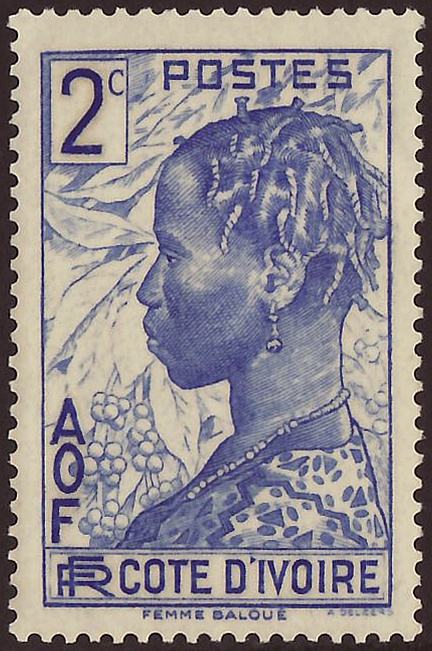
IMAGE · Postal Administration of French West Africa · Public domain · Wikimedia Commons

There is a thread running through Francophone Africa right now that has nothing to do with Paris, and everything to do with what happens when a region stops asking permission. Ivorian fashion designers are landing on international stages — dressing Beyoncé, dressing Aya Nakamura — and the story the industry keeps reaching for is one of discovery, of the world finally noticing [5]. That framing misses the point entirely. This is not a discovery story. This is what strategic patience looks like when it finally cashes out.

For decades, the unspoken rule governing African fashion's relationship with global luxury was simple: prove yourself in Paris first, then come home. The runway ran in one direction. Designers from Abidjan, Dakar, Lomé — cities with deep textile traditions, extraordinary artisanal knowledge, and aesthetic vocabularies shaped by centuries of cloth culture — were expected to flatten those inheritances into something legible to European gatekeepers before they could be taken seriously anywhere else. A generation of talent either migrated or muted itself [5].

What is different now is not that the world has become more open-minded. What is different is that Ivorian designers, specifically, made a strategic choice to stop treating local craft identity as a liability and start treating it as the product itself [5]. The kente weaves, the wax-resist textiles, the indigo traditions of the interior — these are no longer translated for foreign consumption. They are presented as the terms of engagement. Take it or leave it. The world, it turns out, took it.

The Beyoncé placement and the Aya Nakamura association are not flukes [5]. They are the visible tip of years of community-level craft investment. Designers who stayed in Abidjan, worked with local ateliers, paid artisans properly, and refused to industrialise their supply chains away from the continent are the ones now sitting on something irreplaceable: provenance. In a global luxury market increasingly anxious about authenticity, provenance is everything. You cannot manufacture it retrospectively.

STRATA-AF™

Keep reading this Original

Sign in or sign up to finish this story, get your personalised feed, and unlock every Strata-AF™ Original.

SIGN IN / SIGN UP
READ NEXT
African Fashion's Infrastructure Revolution
FASHIONSTRATA-AF™ ORIGINAL
African Fashion's Infrastructure Revolution
Pan-African2 MINREAD →
African Designer Imane Ayissi Redefines Luxury On Paris Haute Couture Stage
FASHIONAllAfrica Arts
African Designer Imane Ayissi Redefines Luxury On Paris Haute Couture Stage
CM1 MINREAD →
--:--LAGOS
STRATA-AF™
ISSUE 001FEED◎ SEARCHSUBSCRIBE
/shows/data/docs
fashion★ STRATA-AF™ ORIGINAL
How Ivorian Designers Rewrote the Rules of African Luxury Fashion
IMAGE · Postal Administration of French West Africa · Public domain · Wikimedia Commons
How Ivorian Designers Rewrote the Rules of African Luxury Fashion

Côte d'Ivoire's designers are breaking international markets not by chasing Paris validation but by anchoring in local craft identity — a model that exposes how much creative capital Francophone Africa was quietly sitting on all along.

Côte d'Ivoire2 MIN READ
LISTEN TO STRATA-AF™ NOTE
Share

There is a thread running through Francophone Africa right now that has nothing to do with Paris, and everything to do with what happens when a region stops asking permission. Ivorian fashion designers are landing on international stages — dressing Beyoncé, dressing Aya Nakamura — and the story the industry keeps reaching for is one of discovery, of the world finally noticing [5]. That framing misses the point entirely. This is not a discovery story. This is what strategic patience looks like when it finally cashes out.

For decades, the unspoken rule governing African fashion's relationship with global luxury was simple: prove yourself in Paris first, then come home. The runway ran in one direction. Designers from Abidjan, Dakar, Lomé — cities with deep textile traditions, extraordinary artisanal knowledge, and aesthetic vocabularies shaped by centuries of cloth culture — were expected to flatten those inheritances into something legible to European gatekeepers before they could be taken seriously anywhere else. A generation of talent either migrated or muted itself [5].

What is different now is not that the world has become more open-minded. What is different is that Ivorian designers, specifically, made a strategic choice to stop treating local craft identity as a liability and start treating it as the product itself [5]. The kente weaves, the wax-resist textiles, the indigo traditions of the interior — these are no longer translated for foreign consumption. They are presented as the terms of engagement. Take it or leave it. The world, it turns out, took it.

The Beyoncé placement and the Aya Nakamura association are not flukes [5]. They are the visible tip of years of community-level craft investment. Designers who stayed in Abidjan, worked with local ateliers, paid artisans properly, and refused to industrialise their supply chains away from the continent are the ones now sitting on something irreplaceable: provenance. In a global luxury market increasingly anxious about authenticity, provenance is everything. You cannot manufacture it retrospectively.

STRATA-AF™

Keep reading this Original

Sign in or sign up to finish this story, get your personalised feed, and unlock every Strata-AF™ Original.

SIGN IN / SIGN UP
VERTICAL
fashion
ORIGIN
Côte d'Ivoire
READ NEXT2 PIECES SELECTED BY OUR EDITORS
FASHION
African Fashion's Infrastructure Revolution
African designers didn't wait for a cover: they built storefronts, supply chains, and diaspora distribution networks. The gatekeepers missed the construction.
Pan-African2 MINREAD →
FASHION
African Designer Imane Ayissi Redefines Luxury On Paris Haute Couture Stage
Imane Ayissi's continued sole presence on the Paris haute couture calendar is less a triumph than an indictment African luxury craft remains a curiosity rather than a category, applauded yet structurally isolated from the industry's real capital flows.
CM1 MINREAD →
CULTURE · MUSIC · FILM · TECH · SPORT · POLITICS · HEALTH · FINANCE · RELIGION · FASHION · LAGOS · NAIROBI · JOBURG · ACCRA · DATA JOURNALISM · ORIGINAL REPORTING · THE ACTUAL VERSION ·CULTURE · MUSIC · FILM · TECH · SPORT · POLITICS · HEALTH · FINANCE · RELIGION · FASHION · LAGOS · NAIROBI · JOBURG · ACCRA · DATA JOURNALISM · ORIGINAL REPORTING · THE ACTUAL VERSION ·
Premium editorial for a continent that's done waiting to be covered.

Not the export-market version. Not the diaspora version. The actual version — written by the people who live there.

Verticals
CultureMusicFilmTechSportsPolitics
HUBS
Strata-AF OriginalsDataDocsNewsletterArchiveShows
Company
AboutMissionManifestoLegal
REACH
10VERTICALS
6CONTENT TYPES
5CITIES
1STANDARD
© 2026 STRATA-AF™ · STRATA PUBLISHING CO LTD · LAGOS · JOBURG · NAIROBI · ACCRAPRIVACYTERMSCORRECTIONSMASTHEAD
 
 
--:--LAGOS
CultureMusicFilmTechSportsPoliticsHealthFinanceReligionFashion
Highlights
Strata-AF
Editor's Pick
From the web
SPORTSSTRATA-AF™STRATA-AF™ ORIGINAL
WAFCON 2026 Proved African Women's Football Is Ready. The Clubs Aren't.
2 MINREAD →
POLITICSSTRATA-AF™★ EDITOR'S PICK
The Lagos Cancellation Is Not About Tyla Really, Or Is It ?
Pan-African2 MINREAD →
MUSICSTRATA-AF™★ EDITOR'S PICK
Blood, Beats & Betrayal: How Family Killed P-Square
Nigeria2 MINREAD →
MUSICBY THE NUMBERSSTRATA-AF™ ORIGINAL
Where African Artists Earn, Lose, and Get Erased on Stream
Pan-African2 MINREAD →
HEALTHSTRATA-AF™★ EDITOR'S PICK
Uganda Held the Line on Ebola. Here's the Playbook Congo Needs Now
DR Congo2 MINREAD →
MUSICSTRATA-AF™STRATA-AF™ ORIGINAL
Music Is Starving in Sudan: How the RSF Silenced a Generation of Artists
Sudan2 MINREAD →
CULTURESTRATA-AF™★ EDITOR'S PICK
How BBNaija Rewired Nigerian Television And Everything Around It
Lagos, Pan-African2 MINREAD →
FASHIONSTRATA-AF™★ EDITOR'S PICK
Lagos Fashion Week's Green Push Is Either Africa's Best Bet or Its Greenest Greenwash
Pan-African2 MINREAD →
CULTURESTRATA-AF™★ EDITOR'S PICK
Dakar 2026 Is Africa's Olympic Moment
Senegal2 MINREAD →
SPORTSFROM THE WEB★ EDITOR'S PICK
Senegal set to make Olympic history with Dakar 2026 Youth Games
Dakar 2026 breaks a hosting monopoly that has excluded Africa from Olympic stewardship for over a century — the question is what institutional and economic legacy Senegal can extract from the moment.
Senegal1 MIN · Africanews · 25 JULREAD →
See all stories

The actual version — written by the people who live there.

10VERTICALS
6TYPES
5CITIES
1STANDARD
AboutMissionManifestoLegalOriginalsSubscribeArchiveShowsContributorsJobs
© 2026 STRATA-AF™ · STRATA PUBLISHING CO LTD · LAGOS · NAIROBI · JOBURG · ACCRA
 
 
--:--LAGOS
CultureMusicFilmTechSportsPoliticsHealthFinanceReligionFashion
fashion★ STRATA-AF™ ORIGINAL
How Ivorian Designers Rewrote the Rules of African Luxury Fashion

Côte d'Ivoire's designers are breaking international markets not by chasing Paris validation but by anchoring in local craft identity — a model that exposes how much creative capital Francophone Africa was quietly sitting on all along.

Côte d'Ivoire2 MIN
LISTEN TO STRATA-AF™ NOTE
Share
How Ivorian Designers Rewrote the Rules of African Luxury Fashion

There is a thread running through Francophone Africa right now that has nothing to do with Paris, and everything to do with what happens when a region stops asking permission. Ivorian fashion designers are landing on international stages — dressing Beyoncé, dressing Aya Nakamura — and the story the industry keeps reaching for is one of discovery, of the world finally noticing [5]. That framing misses the point entirely. This is not a discovery story. This is what strategic patience looks like when it finally cashes out.

For decades, the unspoken rule governing African fashion's relationship with global luxury was simple: prove yourself in Paris first, then come home. The runway ran in one direction. Designers from Abidjan, Dakar, Lomé — cities with deep textile traditions, extraordinary artisanal knowledge, and aesthetic vocabularies shaped by centuries of cloth culture — were expected to flatten those inheritances into something legible to European gatekeepers before they could be taken seriously anywhere else. A generation of talent either migrated or muted itself [5].

What is different now is not that the world has become more open-minded. What is different is that Ivorian designers, specifically, made a strategic choice to stop treating local craft identity as a liability and start treating it as the product itself [5]. The kente weaves, the wax-resist textiles, the indigo traditions of the interior — these are no longer translated for foreign consumption. They are presented as the terms of engagement. Take it or leave it. The world, it turns out, took it.

The Beyoncé placement and the Aya Nakamura association are not flukes [5]. They are the visible tip of years of community-level craft investment. Designers who stayed in Abidjan, worked with local ateliers, paid artisans properly, and refused to industrialise their supply chains away from the continent are the ones now sitting on something irreplaceable: provenance. In a global luxury market increasingly anxious about authenticity, provenance is everything. You cannot manufacture it retrospectively.

STRATA-AF™

Keep reading this Original

Sign in or sign up to finish this story, get your personalised feed, and unlock every Strata-AF™ Original.

SIGN IN / SIGN UP

READ NEXT
--:--LAGOS
/shows/data/docs
fashion★ STRATA-AF™ ORIGINAL
How Ivorian Designers Rewrote the Rules of African Luxury Fashion
IMAGE · Postal Administration of French West Africa · Public domain · Wikimedia Commons
How Ivorian Designers Rewrote the Rules of African Luxury Fashion

Côte d'Ivoire's designers are breaking international markets not by chasing Paris validation but by anchoring in local craft identity — a model that exposes how much creative capital Francophone Africa was quietly sitting on all along.

Côte d'Ivoire2 MIN READ
LISTEN TO STRATA-AF™ NOTE
Share

There is a thread running through Francophone Africa right now that has nothing to do with Paris, and everything to do with what happens when a region stops asking permission. Ivorian fashion designers are landing on international stages — dressing Beyoncé, dressing Aya Nakamura — and the story the industry keeps reaching for is one of discovery, of the world finally noticing [5]. That framing misses the point entirely. This is not a discovery story. This is what strategic patience looks like when it finally cashes out.

For decades, the unspoken rule governing African fashion's relationship with global luxury was simple: prove yourself in Paris first, then come home. The runway ran in one direction. Designers from Abidjan, Dakar, Lomé — cities with deep textile traditions, extraordinary artisanal knowledge, and aesthetic vocabularies shaped by centuries of cloth culture — were expected to flatten those inheritances into something legible to European gatekeepers before they could be taken seriously anywhere else. A generation of talent either migrated or muted itself [5].

What is different now is not that the world has become more open-minded. What is different is that Ivorian designers, specifically, made a strategic choice to stop treating local craft identity as a liability and start treating it as the product itself [5]. The kente weaves, the wax-resist textiles, the indigo traditions of the interior — these are no longer translated for foreign consumption. They are presented as the terms of engagement. Take it or leave it. The world, it turns out, took it.

The Beyoncé placement and the Aya Nakamura association are not flukes [5]. They are the visible tip of years of community-level craft investment. Designers who stayed in Abidjan, worked with local ateliers, paid artisans properly, and refused to industrialise their supply chains away from the continent are the ones now sitting on something irreplaceable: provenance. In a global luxury market increasingly anxious about authenticity, provenance is everything. You cannot manufacture it retrospectively.

STRATA-AF™

Keep reading this Original

Sign in or sign up to finish this story, get your personalised feed, and unlock every Strata-AF™ Original.

SIGN IN / SIGN UP

VERTICAL
fashion
ORIGIN
Côte d'Ivoire
READ NEXT2 PIECES SELECTED BY OUR EDITORS
CULTURE · MUSIC · FILM · TECH · SPORT · POLITICS · HEALTH · FINANCE · RELIGION · FASHION · LAGOS · NAIROBI · JOBURG · ACCRA · DATA JOURNALISM · ORIGINAL REPORTING · THE ACTUAL VERSION ·CULTURE · MUSIC · FILM · TECH · SPORT · POLITICS · HEALTH · FINANCE · RELIGION · FASHION · LAGOS · NAIROBI · JOBURG · ACCRA · DATA JOURNALISM · ORIGINAL REPORTING · THE ACTUAL VERSION ·
Premium editorial for a continent that's done waiting to be covered.

Not the export-market version. Not the diaspora version. The actual version — written by the people who live there.

Verticals
CultureMusicFilmTechSportsPolitics
HUBS
Strata-AF OriginalsDataDocsNewsletterArchiveShows
Company
AboutMissionManifestoLegal
REACH
10VERTICALS
6CONTENT TYPES
5CITIES
1STANDARD
© 2026 STRATA-AF™ · STRATA PUBLISHING CO LTD · LAGOS · JOBURG · NAIROBI · ACCRAPRIVACYTERMSCORRECTIONSMASTHEAD