--:--LAGOS
CultureMusicFilmTechSportsPoliticsHealthFinanceReligionFashion
culture★ STRATA-AF™ ORIGINAL
Africa's Creative Class Is Building Institutional Power While Its People Suffer

Lagos, Nairobi, and Johannesburg's cultural elites are consolidating influence through platforms, awards, and global recognition, but their disconnect from grassroots realities reveals a troubling new form of inequality.
6 MIN · 13 JUNE 2026
LISTEN TO STRATA-AF™ NOTE
Share
Africa's Creative Class Is Building Institutional Power While Its People Suffer
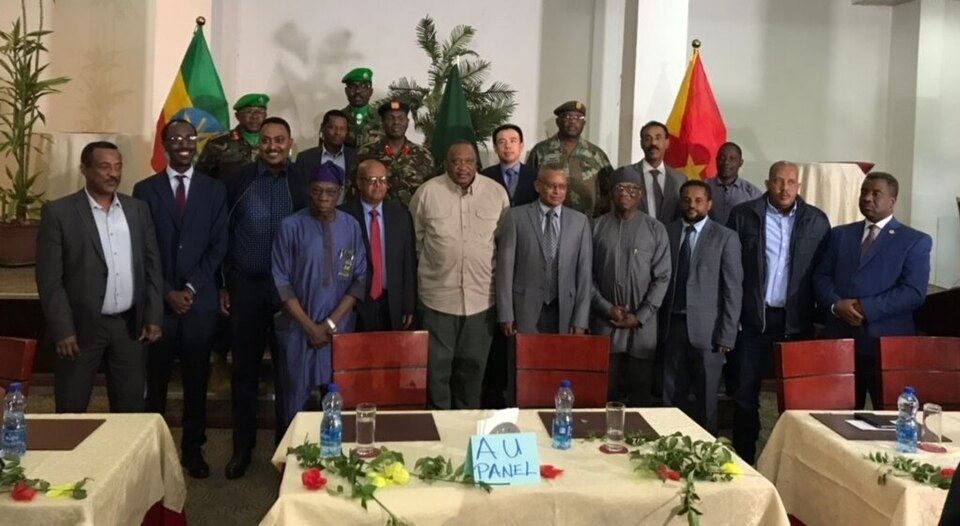
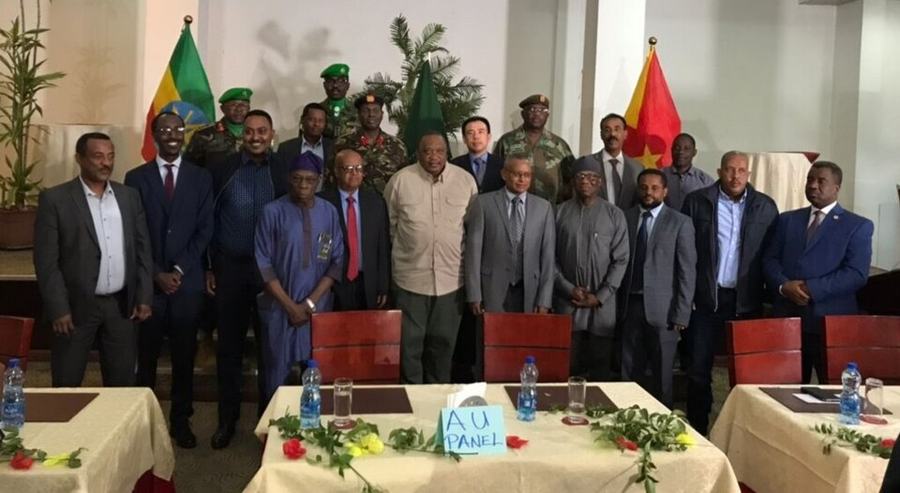
IMAGE · Voice of America; Mulugeta Atsbeha · Public domain · Wikimedia Commons

Something profound is happening in Africa's cultural landscape, but it's not what the headlines suggest. While we celebrate our rising global influence, from Afrobeats dominating charts to our films winning international acclaim, a more complex story emerges when you look beneath the surface. The same continent producing institutional cultural criticism and exporting entertainment worldwide is simultaneously failing to protect its most vulnerable citizens from violence, economic displacement, and technological exploitation.

The Institutionalization of African Culture

Afrocritik's evolution from platform to institution over five years represents more than just one publication's success. It signals the maturation of Africa-centered cultural criticism that prioritizes depth over digital media's rapid pace [S1]. This institutional growth coincides with entertainment properties like Big Brother Naija strategically positioning themselves as cultural exports that shape pan-African conversations about identity and success [S2]. Meanwhile, figures like Davido are pivoting from apolitical entertainment to social justice advocacy, finally recognizing that global platforms come with continental responsibilities [S4].

But this cultural institutionalization reveals an uncomfortable truth: African creative elites are building sophisticated frameworks for cultural discourse while remaining largely insulated from the material conditions facing ordinary Africans. The same energy invested in establishing critical institutions and global entertainment platforms seems absent when addressing the systemic failures that plague daily life across the continent [S1, S4].

The Infrastructure Reality Check

Consider the jarring contrast: while African entertainment exports command global attention, EgyptAir's flagship carrier struggles with basic digital operations, exposing fragile aviation infrastructure that undermines passenger confidence and reflects broader challenges in modernizing critical transportation networks [S6]. This systemic weakness extends beyond aviation, South Africa's education system prioritizes degrees over technical skills despite BMW's calls for practical training aligned with manufacturing growth [S3].

STRATA-AF™

Keep reading this Original

Sign in or sign up to finish this story, get your personalised feed, and unlock every Strata-AF™ Original.

SIGN IN / SIGN UP
READ NEXT
Africa's Digital Sovereignty Moment: Why the Continent Must Chart Its Own Tech Future
TECHSTRATA-AF™ ORIGINAL
Africa's Digital Sovereignty Moment: Why the Continent Must Chart Its Own Tech Future
5 MINREAD →
The Sovereignty Trap: Why Africa's Cultural Ascendance Masks a Deeper Crisis of Agency
CULTURESTRATA-AF™ ORIGINAL
The Sovereignty Trap: Why Africa's Cultural Ascendance Masks a Deeper Crisis of Agency
6 MINREAD →
--:--LAGOS
STRATA-AF™
ISSUE 001FEED◎ SEARCHSUBSCRIBE
/shows/data/docs
culture★ STRATA-AF™ ORIGINAL
Africa's Creative Class Is Building Institutional Power While Its People Suffer
IMAGE · Voice of America; Mulugeta Atsbeha · Public domain · Wikimedia Commons
Africa's Creative Class Is Building Institutional Power While Its People Suffer

Lagos, Nairobi, and Johannesburg's cultural elites are consolidating influence through platforms, awards, and global recognition, but their disconnect from grassroots realities reveals a troubling new form of inequality.

6 MIN READ · 13 JUNE 2026
LISTEN TO STRATA-AF™ NOTE
Share

Something profound is happening in Africa's cultural landscape, but it's not what the headlines suggest. While we celebrate our rising global influence, from Afrobeats dominating charts to our films winning international acclaim, a more complex story emerges when you look beneath the surface. The same continent producing institutional cultural criticism and exporting entertainment worldwide is simultaneously failing to protect its most vulnerable citizens from violence, economic displacement, and technological exploitation.

The Institutionalization of African Culture

Afrocritik's evolution from platform to institution over five years represents more than just one publication's success. It signals the maturation of Africa-centered cultural criticism that prioritizes depth over digital media's rapid pace [S1]. This institutional growth coincides with entertainment properties like Big Brother Naija strategically positioning themselves as cultural exports that shape pan-African conversations about identity and success [S2]. Meanwhile, figures like Davido are pivoting from apolitical entertainment to social justice advocacy, finally recognizing that global platforms come with continental responsibilities [S4].

But this cultural institutionalization reveals an uncomfortable truth: African creative elites are building sophisticated frameworks for cultural discourse while remaining largely insulated from the material conditions facing ordinary Africans. The same energy invested in establishing critical institutions and global entertainment platforms seems absent when addressing the systemic failures that plague daily life across the continent [S1, S4].

The Infrastructure Reality Check

Consider the jarring contrast: while African entertainment exports command global attention, EgyptAir's flagship carrier struggles with basic digital operations, exposing fragile aviation infrastructure that undermines passenger confidence and reflects broader challenges in modernizing critical transportation networks [S6]. This systemic weakness extends beyond aviation, South Africa's education system prioritizes degrees over technical skills despite BMW's calls for practical training aligned with manufacturing growth [S3].

STRATA-AF™

Keep reading this Original

Sign in or sign up to finish this story, get your personalised feed, and unlock every Strata-AF™ Original.

SIGN IN / SIGN UP
VERTICAL
culture
PUBLISHED
13 JUNE 2026
READ NEXT2 PIECES SELECTED BY OUR EDITORS
TECH
Africa's Digital Sovereignty Moment: Why the Continent Must Chart Its Own Tech Future
From Rwanda's migration deal fallout to Nigeria's healthtech boom, the governments getting this right are treating technology decisions as geopolitical ones, not procurement ones. Breaking from Western frameworks isn't ideological. It's structural.
5 MINREAD →
CULTURE
The Sovereignty Trap: Why Africa's Cultural Ascendance Masks a Deeper Crisis of Agency
From Davido's activism to Nairobi's protests, Lagos, Dakar, and Kigali's rising cultural reach is being undermined by continued dependence on external platforms, validation, and infrastructure.
6 MINREAD →
CULTURE · MUSIC · FILM · TECH · SPORT · POLITICS · HEALTH · FINANCE · RELIGION · FASHION · LAGOS · NAIROBI · JOBURG · ACCRA · DATA JOURNALISM · ORIGINAL REPORTING · THE ACTUAL VERSION ·CULTURE · MUSIC · FILM · TECH · SPORT · POLITICS · HEALTH · FINANCE · RELIGION · FASHION · LAGOS · NAIROBI · JOBURG · ACCRA · DATA JOURNALISM · ORIGINAL REPORTING · THE ACTUAL VERSION ·
Premium editorial for a continent that's done waiting to be covered.

Not the export-market version. Not the diaspora version. The actual version — written by the people who live there.

Verticals
CultureMusicFilmTechSportsPolitics
HUBS
Strata-AF OriginalsDataDocsNewsletterArchiveShows
Company
AboutMissionManifestoLegal
REACH
10VERTICALS
6CONTENT TYPES
5CITIES
1STANDARD
© 2026 STRATA-AF™ · STRATA PUBLISHING CO LTD · LAGOS · JOBURG · NAIROBI · ACCRAPRIVACYTERMSCORRECTIONSMASTHEAD
 
 
--:--LAGOS
CultureMusicFilmTechSportsPoliticsHealthFinanceReligionFashion
Highlights
Strata-AF
Editor's Pick
From the web
SPORTSSTRATA-AF™STRATA-AF™ ORIGINAL
WAFCON 2026 Proved African Women's Football Is Ready. The Clubs Aren't.
2 MINREAD →
POLITICSSTRATA-AF™★ EDITOR'S PICK
The Lagos Cancellation Is Not About Tyla Really, Or Is It ?
Pan-African2 MINREAD →
MUSICSTRATA-AF™★ EDITOR'S PICK
Blood, Beats & Betrayal: How Family Killed P-Square
Nigeria2 MINREAD →
MUSICBY THE NUMBERSSTRATA-AF™ ORIGINAL
Where African Artists Earn, Lose, and Get Erased on Stream
Pan-African2 MINREAD →
HEALTHSTRATA-AF™★ EDITOR'S PICK
Uganda Held the Line on Ebola. Here's the Playbook Congo Needs Now
DR Congo2 MINREAD →
MUSICSTRATA-AF™STRATA-AF™ ORIGINAL
Music Is Starving in Sudan: How the RSF Silenced a Generation of Artists
Sudan2 MINREAD →
CULTURESTRATA-AF™★ EDITOR'S PICK
How BBNaija Rewired Nigerian Television And Everything Around It
Lagos, Pan-African2 MINREAD →
FASHIONSTRATA-AF™★ EDITOR'S PICK
Lagos Fashion Week's Green Push Is Either Africa's Best Bet or Its Greenest Greenwash
Pan-African2 MINREAD →
CULTURESTRATA-AF™★ EDITOR'S PICK
Dakar 2026 Is Africa's Olympic Moment
Senegal2 MINREAD →
SPORTSFROM THE WEB★ EDITOR'S PICK
Senegal set to make Olympic history with Dakar 2026 Youth Games
Dakar 2026 breaks a hosting monopoly that has excluded Africa from Olympic stewardship for over a century — the question is what institutional and economic legacy Senegal can extract from the moment.
Senegal1 MIN · Africanews · 25 JULREAD →
See all stories

The actual version — written by the people who live there.

10VERTICALS
6TYPES
5CITIES
1STANDARD
AboutMissionManifestoLegalOriginalsSubscribeArchiveShowsContributorsJobs
© 2026 STRATA-AF™ · STRATA PUBLISHING CO LTD · LAGOS · NAIROBI · JOBURG · ACCRA
 
 
--:--LAGOS
CultureMusicFilmTechSportsPoliticsHealthFinanceReligionFashion
culture★ STRATA-AF™ ORIGINAL
Africa's Creative Class Is Building Institutional Power While Its People Suffer

Lagos, Nairobi, and Johannesburg's cultural elites are consolidating influence through platforms, awards, and global recognition, but their disconnect from grassroots realities reveals a troubling new form of inequality.

6 MIN · 13 JUNE 2026
LISTEN TO STRATA-AF™ NOTE
Share
Africa's Creative Class Is Building Institutional Power While Its People Suffer

Something profound is happening in Africa's cultural landscape, but it's not what the headlines suggest. While we celebrate our rising global influence, from Afrobeats dominating charts to our films winning international acclaim, a more complex story emerges when you look beneath the surface. The same continent producing institutional cultural criticism and exporting entertainment worldwide is simultaneously failing to protect its most vulnerable citizens from violence, economic displacement, and technological exploitation.

The Institutionalization of African Culture

Afrocritik's evolution from platform to institution over five years represents more than just one publication's success. It signals the maturation of Africa-centered cultural criticism that prioritizes depth over digital media's rapid pace [S1]. This institutional growth coincides with entertainment properties like Big Brother Naija strategically positioning themselves as cultural exports that shape pan-African conversations about identity and success [S2]. Meanwhile, figures like Davido are pivoting from apolitical entertainment to social justice advocacy, finally recognizing that global platforms come with continental responsibilities [S4].

But this cultural institutionalization reveals an uncomfortable truth: African creative elites are building sophisticated frameworks for cultural discourse while remaining largely insulated from the material conditions facing ordinary Africans. The same energy invested in establishing critical institutions and global entertainment platforms seems absent when addressing the systemic failures that plague daily life across the continent [S1, S4].

The Infrastructure Reality Check

Consider the jarring contrast: while African entertainment exports command global attention, EgyptAir's flagship carrier struggles with basic digital operations, exposing fragile aviation infrastructure that undermines passenger confidence and reflects broader challenges in modernizing critical transportation networks [S6]. This systemic weakness extends beyond aviation, South Africa's education system prioritizes degrees over technical skills despite BMW's calls for practical training aligned with manufacturing growth [S3].

STRATA-AF™

Keep reading this Original

Sign in or sign up to finish this story, get your personalised feed, and unlock every Strata-AF™ Original.

SIGN IN / SIGN UP

READ NEXT
--:--LAGOS
/shows/data/docs
culture★ STRATA-AF™ ORIGINAL
Africa's Creative Class Is Building Institutional Power While Its People Suffer
IMAGE · Voice of America; Mulugeta Atsbeha · Public domain · Wikimedia Commons
Africa's Creative Class Is Building Institutional Power While Its People Suffer

Lagos, Nairobi, and Johannesburg's cultural elites are consolidating influence through platforms, awards, and global recognition, but their disconnect from grassroots realities reveals a troubling new form of inequality.

6 MIN READ · 13 JUNE 2026
LISTEN TO STRATA-AF™ NOTE
Share

Something profound is happening in Africa's cultural landscape, but it's not what the headlines suggest. While we celebrate our rising global influence, from Afrobeats dominating charts to our films winning international acclaim, a more complex story emerges when you look beneath the surface. The same continent producing institutional cultural criticism and exporting entertainment worldwide is simultaneously failing to protect its most vulnerable citizens from violence, economic displacement, and technological exploitation.

The Institutionalization of African Culture

Afrocritik's evolution from platform to institution over five years represents more than just one publication's success. It signals the maturation of Africa-centered cultural criticism that prioritizes depth over digital media's rapid pace [S1]. This institutional growth coincides with entertainment properties like Big Brother Naija strategically positioning themselves as cultural exports that shape pan-African conversations about identity and success [S2]. Meanwhile, figures like Davido are pivoting from apolitical entertainment to social justice advocacy, finally recognizing that global platforms come with continental responsibilities [S4].

But this cultural institutionalization reveals an uncomfortable truth: African creative elites are building sophisticated frameworks for cultural discourse while remaining largely insulated from the material conditions facing ordinary Africans. The same energy invested in establishing critical institutions and global entertainment platforms seems absent when addressing the systemic failures that plague daily life across the continent [S1, S4].

The Infrastructure Reality Check

Consider the jarring contrast: while African entertainment exports command global attention, EgyptAir's flagship carrier struggles with basic digital operations, exposing fragile aviation infrastructure that undermines passenger confidence and reflects broader challenges in modernizing critical transportation networks [S6]. This systemic weakness extends beyond aviation, South Africa's education system prioritizes degrees over technical skills despite BMW's calls for practical training aligned with manufacturing growth [S3].

STRATA-AF™

Keep reading this Original

Sign in or sign up to finish this story, get your personalised feed, and unlock every Strata-AF™ Original.

SIGN IN / SIGN UP
VERTICAL
culture
PUBLISHED
13 JUNE 2026
READ NEXT2 PIECES SELECTED BY OUR EDITORS
CULTURE · MUSIC · FILM · TECH · SPORT · POLITICS · HEALTH · FINANCE · RELIGION · FASHION · LAGOS · NAIROBI · JOBURG · ACCRA · DATA JOURNALISM · ORIGINAL REPORTING · THE ACTUAL VERSION ·CULTURE · MUSIC · FILM · TECH · SPORT · POLITICS · HEALTH · FINANCE · RELIGION · FASHION · LAGOS · NAIROBI · JOBURG · ACCRA · DATA JOURNALISM · ORIGINAL REPORTING · THE ACTUAL VERSION ·
Premium editorial for a continent that's done waiting to be covered.

Not the export-market version. Not the diaspora version. The actual version — written by the people who live there.

Verticals
CultureMusicFilmTechSportsPolitics
HUBS
Strata-AF OriginalsDataDocsNewsletterArchiveShows
Company
AboutMissionManifestoLegal
REACH
10VERTICALS
6CONTENT TYPES
5CITIES
1STANDARD
© 2026 STRATA-AF™ · STRATA PUBLISHING CO LTD · LAGOS · JOBURG · NAIROBI · ACCRAPRIVACYTERMSCORRECTIONSMASTHEAD