Surveillance stepped up before the outbreak reaches the border. The 2014 lesson, applied.
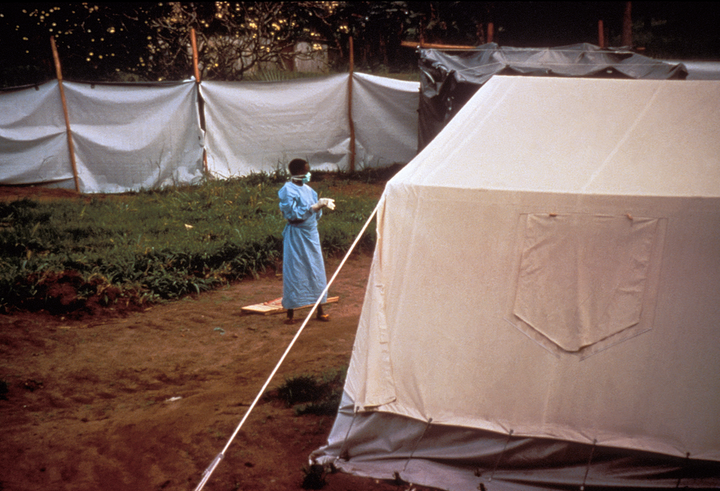
While Western media fixates on individual outbreaks as isolated crises, Africa's cross-border disease surveillance networks like Nigeria's NCDC response reveal the continent's evolved understanding that health security is inherently regional. This isn't about reactive panic. It's about institutional memory from 2014 and the hard-earned knowledge that early coordination between African health systems saves lives more effectively than waiting for international intervention. Nigeria's proactive stance on Congo and Uganda's outbreaks demonstrates exactly the kind of continental solidarity and technical capacity that rewrites tired narratives about Africa's supposed inability to manage its own health emergencies.
While Western media fixates on individual outbreaks as isolated crises, Africa's cross-border disease surveillance networks like Nigeria's NCDC response reveal the continent's evolved understanding that health security is inherently regional. This isn't about reactive panic. It's about institutional memory from 2014 and the hard-earned knowledge that early coordination between African health systems saves lives more effectively than waiting for international intervention. Nigeria's proactive stance on Congo and Uganda's outbreaks demonstrates exactly the kind of continental solidarity and technical capacity that rewrites tired narratives about Africa's supposed inability to manage its own health emergencies.
SUMMARY BY STRATA-AF™ · ORIGINAL REPORTING BY YNAIJA
READ THE SOURCE REPORT FROM YNAIJA →Enjoying Strata-AF™?
Sign in or sign up for a personalised feed and unlock Strata-AF™ Originals.