--:--LAGOS
CultureMusicFilmTechSportsPoliticsHealthFinanceReligionFashion
health
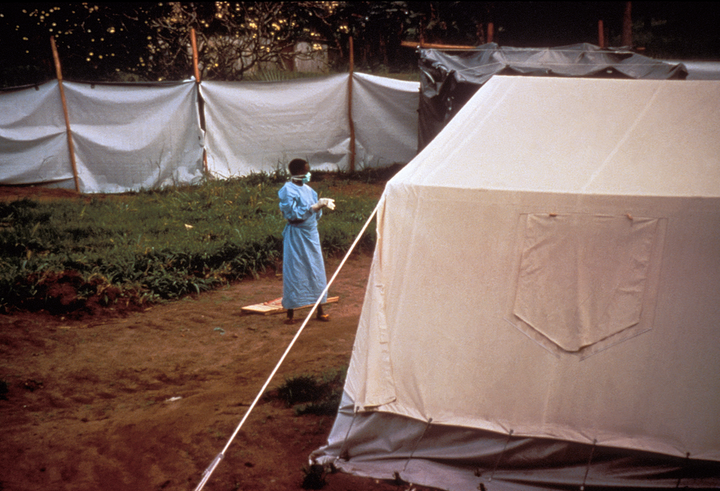
How health workers in DR Congo are treating Ebola and staying safe

There are currently no approved drugs that target Bundibugyo - the species of Ebola responsible for this outbreak.

DR Congo3 MIN
From the web · BBC
How health workers in DR Congo are treating Ebola and staying safe
IMAGE · Nappy by Unsplash · UNSPLASH
STRATA-AF™ ANGLEEDITORIAL SYNTHESIS BY STRATA-AF™

The absence of approved treatments for the Bundibugyo strain highlights Africa's continued vulnerability to health crises and dependence on international pharmaceutical development. This outbreak underscores the urgent need for increased investment in African-led medical research and local pharmaceutical manufacturing capacity to ensure the continent can respond swiftly to future health emergencies.

Confronting Ebola: A Test of Africa's Health Sovereignty

The Democratic Republic of Congo's latest battle against the Bundibugyo strain of Ebola illuminates a critical paradox in African healthcare: while the continent bears the heaviest burden of emerging infectious diseases, it remains largely dependent on external pharmaceutical pipelines for life-saving treatments. The absence of approved drugs specifically targeting this Ebola variant exposes the structural vulnerabilities that have long plagued Africa's health security apparatus. This dependency is not merely a technical challenge but a manifestation of decades of underinvestment in indigenous research and development capabilities across the continent.

The heroic efforts of Congolese health workers, operating without targeted therapeutics, underscore both the resilience of African medical professionals and the urgent need for continental health sovereignty. These frontline responders are essentially fighting a 21st-century epidemic with protocols and protective measures that, while effective, represent defensive rather than offensive medical strategies. Their courage in the face of therapeutic limitations highlights a broader African narrative: exceptional human capital compensating for systemic resource constraints and technological gaps that should have been addressed through coordinated continental action.

What makes this outbreak particularly significant from a Pan-African perspective is its timing amid growing continental integration efforts and increased focus on health security following COVID-19's devastation. The African Union's initiatives around pharmaceutical manufacturing and the Africa Medicines Agency represent promising steps toward medical independence, yet the Bundibugyo outbreak reveals how far the continent still has to travel. While South Africa, Morocco, and other nations have made strides in generic drug production, the capacity for novel therapeutic development remains concentrated in Western pharmaceutical hubs, leaving African nations perpetually reactive rather than proactive in epidemic responses.

The DRC's experience also raises uncomfortable questions about global health equity and research priorities. The international pharmaceutical industry's limited investment in treatments for diseases that primarily affect African populations reflects market dynamics that systematically undervalue African lives. This market failure necessitates a fundamental reimagining of how Africa approaches drug development, potentially through regional pharmaceutical consortiums or continental research initiatives that prioritize diseases of African significance rather than Western market profitability.

Perhaps most critically, this outbreak should catalyze conversations about Africa's scientific and technological capabilities in biotechnology and pharmaceutical research. Countries like Rwanda, Ghana, and Senegal have demonstrated that with proper investment and political will, African nations can build world-class healthcare infrastructure and research facilities. The continent's young, increasingly educated population represents an untapped resource for medical innovation, yet brain drain continues to siphon this talent to institutions better positioned to support cutting-edge research.

The path forward requires both immediate pragmatism and long-term strategic vision. In the short term, African nations must strengthen regional cooperation mechanisms for epidemic response, share resources and expertise more effectively, and ensure that health workers across the continent have access to the best available protective equipment and training. Simultaneously, the continent must accelerate its march toward pharmaceutical independence through increased funding for research institutions, strategic partnerships that genuinely transfer technology rather than merely providing aid, and regulatory frameworks that encourage innovation while maintaining safety standards. The DRC's current struggle with Bundibugyo should serve as a wake-up call that Africa's health sovereignty cannot wait for the next crisis to begin building the infrastructure of medical independence.

READ THE SOURCE REPORT FROM BBC

Enjoying Strata-AF™?

Sign in or sign up for a personalised feed and unlock Strata-AF™ Originals.

SIGN IN / SIGN UP
--:--LAGOS
STRATA-AF™
ISSUE 001FEED◎ SEARCHSUBSCRIBE
/shows/data/docs
health
How health workers in DR Congo are treating Ebola and staying safe
IMAGE · Nappy by Unsplash · UNSPLASH
How health workers in DR Congo are treating Ebola and staying safe

There are currently no approved drugs that target Bundibugyo - the species of Ebola responsible for this outbreak.

DR Congo3 MIN READ
From the web · BBC
STRATA-AF™ ANGLEEDITORIAL SYNTHESIS BY STRATA-AF™

The absence of approved treatments for the Bundibugyo strain highlights Africa's continued vulnerability to health crises and dependence on international pharmaceutical development. This outbreak underscores the urgent need for increased investment in African-led medical research and local pharmaceutical manufacturing capacity to ensure the continent can respond swiftly to future health emergencies.

Confronting Ebola: A Test of Africa's Health Sovereignty

The Democratic Republic of Congo's latest battle against the Bundibugyo strain of Ebola illuminates a critical paradox in African healthcare: while the continent bears the heaviest burden of emerging infectious diseases, it remains largely dependent on external pharmaceutical pipelines for life-saving treatments. The absence of approved drugs specifically targeting this Ebola variant exposes the structural vulnerabilities that have long plagued Africa's health security apparatus. This dependency is not merely a technical challenge but a manifestation of decades of underinvestment in indigenous research and development capabilities across the continent.

The heroic efforts of Congolese health workers, operating without targeted therapeutics, underscore both the resilience of African medical professionals and the urgent need for continental health sovereignty. These frontline responders are essentially fighting a 21st-century epidemic with protocols and protective measures that, while effective, represent defensive rather than offensive medical strategies. Their courage in the face of therapeutic limitations highlights a broader African narrative: exceptional human capital compensating for systemic resource constraints and technological gaps that should have been addressed through coordinated continental action.

What makes this outbreak particularly significant from a Pan-African perspective is its timing amid growing continental integration efforts and increased focus on health security following COVID-19's devastation. The African Union's initiatives around pharmaceutical manufacturing and the Africa Medicines Agency represent promising steps toward medical independence, yet the Bundibugyo outbreak reveals how far the continent still has to travel. While South Africa, Morocco, and other nations have made strides in generic drug production, the capacity for novel therapeutic development remains concentrated in Western pharmaceutical hubs, leaving African nations perpetually reactive rather than proactive in epidemic responses.

The DRC's experience also raises uncomfortable questions about global health equity and research priorities. The international pharmaceutical industry's limited investment in treatments for diseases that primarily affect African populations reflects market dynamics that systematically undervalue African lives. This market failure necessitates a fundamental reimagining of how Africa approaches drug development, potentially through regional pharmaceutical consortiums or continental research initiatives that prioritize diseases of African significance rather than Western market profitability.

Perhaps most critically, this outbreak should catalyze conversations about Africa's scientific and technological capabilities in biotechnology and pharmaceutical research. Countries like Rwanda, Ghana, and Senegal have demonstrated that with proper investment and political will, African nations can build world-class healthcare infrastructure and research facilities. The continent's young, increasingly educated population represents an untapped resource for medical innovation, yet brain drain continues to siphon this talent to institutions better positioned to support cutting-edge research.

The path forward requires both immediate pragmatism and long-term strategic vision. In the short term, African nations must strengthen regional cooperation mechanisms for epidemic response, share resources and expertise more effectively, and ensure that health workers across the continent have access to the best available protective equipment and training. Simultaneously, the continent must accelerate its march toward pharmaceutical independence through increased funding for research institutions, strategic partnerships that genuinely transfer technology rather than merely providing aid, and regulatory frameworks that encourage innovation while maintaining safety standards. The DRC's current struggle with Bundibugyo should serve as a wake-up call that Africa's health sovereignty cannot wait for the next crisis to begin building the infrastructure of medical independence.

READ THE SOURCE REPORT FROM BBC

Enjoying Strata-AF™?

Sign in or sign up for a personalised feed and unlock Strata-AF™ Originals.

SIGN IN / SIGN UP
VERTICAL
health
ORIGIN
DR Congo
CULTURE · MUSIC · FILM · TECH · SPORT · POLITICS · HEALTH · FINANCE · RELIGION · FASHION · LAGOS · NAIROBI · JOBURG · ACCRA · DATA JOURNALISM · ORIGINAL REPORTING · THE ACTUAL VERSION ·CULTURE · MUSIC · FILM · TECH · SPORT · POLITICS · HEALTH · FINANCE · RELIGION · FASHION · LAGOS · NAIROBI · JOBURG · ACCRA · DATA JOURNALISM · ORIGINAL REPORTING · THE ACTUAL VERSION ·
Premium editorial for a continent that's done waiting to be covered.

Not the export-market version. Not the diaspora version. The actual version — written by the people who live there.

Verticals
CultureMusicFilmTechSportsPolitics
HUBS
Strata-AF OriginalsDataDocsNewsletterArchiveShows
Company
AboutMissionManifestoLegal
REACH
10VERTICALS
6CONTENT TYPES
5CITIES
1STANDARD
© 2026 STRATA-AF™ · STRATA PUBLISHING CO LTD · LAGOS · JOBURG · NAIROBI · ACCRAPRIVACYTERMSCORRECTIONSMASTHEAD
 
 
--:--LAGOS
CultureMusicFilmTechSportsPoliticsHealthFinanceReligionFashion
Highlights
Strata-AF
Editor's Pick
From the web
SPORTSSTRATA-AF™STRATA-AF™ ORIGINAL
WAFCON 2026 Proved African Women's Football Is Ready. The Clubs Aren't.
2 MINREAD →
POLITICSSTRATA-AF™★ EDITOR'S PICK
The Lagos Cancellation Is Not About Tyla Really, Or Is It ?
Pan-African2 MINREAD →
MUSICSTRATA-AF™★ EDITOR'S PICK
Blood, Beats & Betrayal: How Family Killed P-Square
Nigeria2 MINREAD →
MUSICBY THE NUMBERSSTRATA-AF™ ORIGINAL
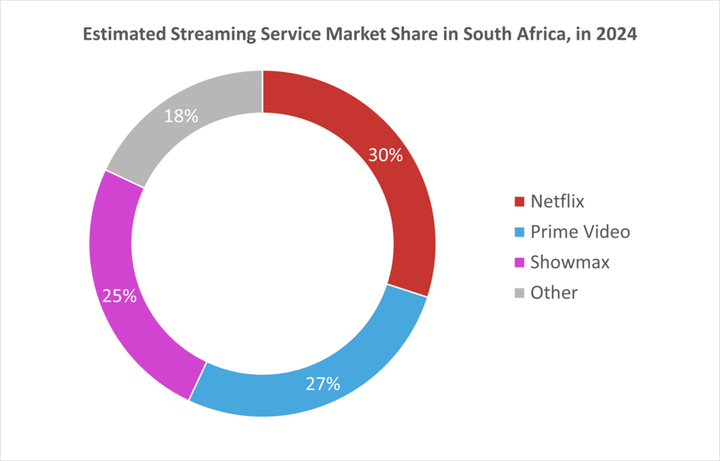
Where African Artists Earn, Lose, and Get Erased on Stream
Pan-African2 MINREAD →
HEALTHSTRATA-AF™★ EDITOR'S PICK
Uganda Held the Line on Ebola. Here's the Playbook Congo Needs Now
DR Congo2 MINREAD →
MUSICSTRATA-AF™STRATA-AF™ ORIGINAL
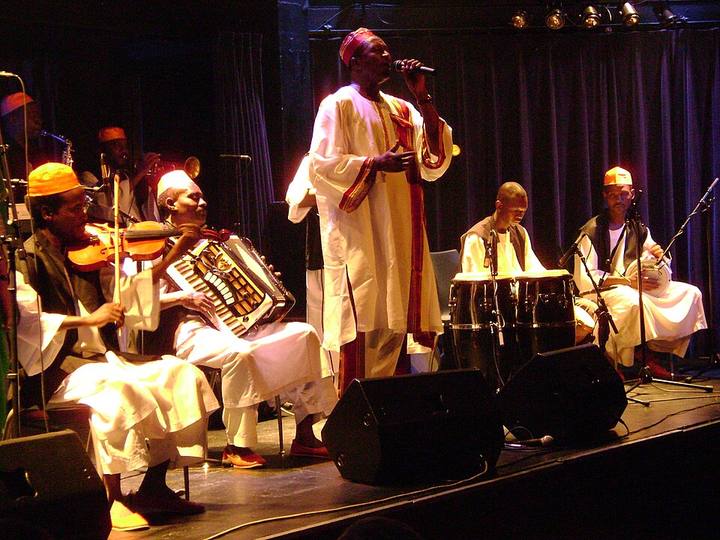
Music Is Starving in Sudan: How the RSF Silenced a Generation of Artists
Sudan2 MINREAD →
CULTURESTRATA-AF™★ EDITOR'S PICK
How BBNaija Rewired Nigerian Television And Everything Around It
Lagos, Pan-African2 MINREAD →
FASHIONSTRATA-AF™★ EDITOR'S PICK
Lagos Fashion Week's Green Push Is Either Africa's Best Bet or Its Greenest Greenwash
Pan-African2 MINREAD →
CULTURESTRATA-AF™★ EDITOR'S PICK
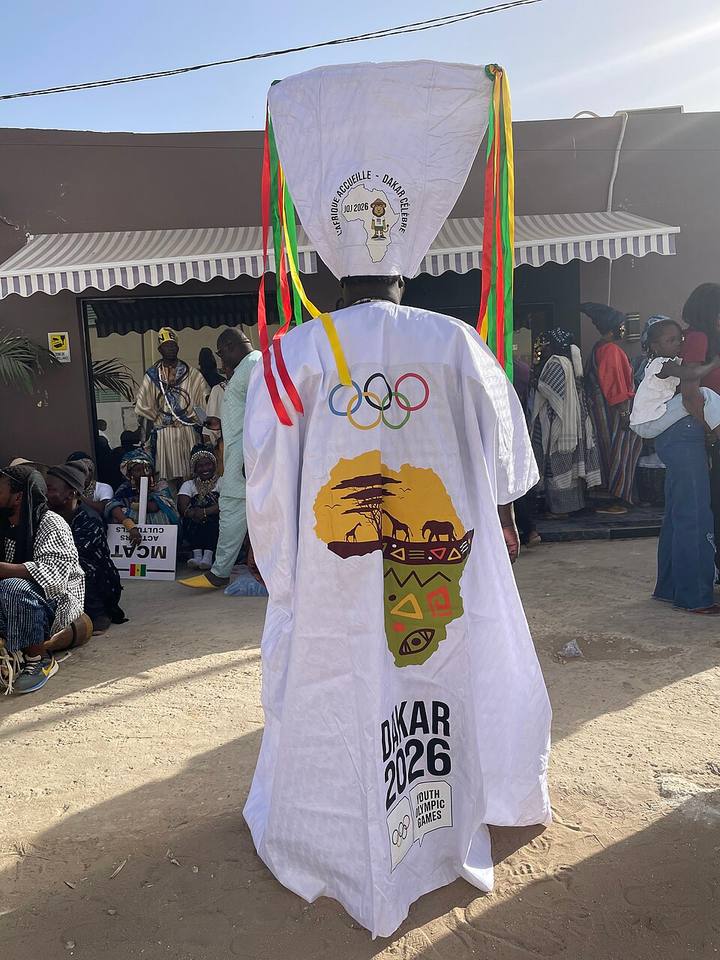
Dakar 2026 Is Africa's Olympic Moment
Senegal2 MINREAD →
SPORTSFROM THE WEB★ EDITOR'S PICK
Senegal set to make Olympic history with Dakar 2026 Youth Games
Dakar 2026 breaks a hosting monopoly that has excluded Africa from Olympic stewardship for over a century — the question is what institutional and economic legacy Senegal can extract from the moment.
Senegal1 MIN · Africanews · 25 JULREAD →
See all stories

The actual version — written by the people who live there.

10VERTICALS
6TYPES
5CITIES
1STANDARD
AboutMissionManifestoLegalOriginalsSubscribeArchiveShowsContributorsJobs
© 2026 STRATA-AF™ · STRATA PUBLISHING CO LTD · LAGOS · NAIROBI · JOBURG · ACCRA
 
 
--:--LAGOS
CultureMusicFilmTechSportsPoliticsHealthFinanceReligionFashion
health
How health workers in DR Congo are treating Ebola and staying safe

There are currently no approved drugs that target Bundibugyo - the species of Ebola responsible for this outbreak.

DR Congo3 MIN
From the web · BBC
How health workers in DR Congo are treating Ebola and staying safe
STRATA-AF™ ANGLEEDITORIAL SYNTHESIS BY STRATA-AF™

The absence of approved treatments for the Bundibugyo strain highlights Africa's continued vulnerability to health crises and dependence on international pharmaceutical development. This outbreak underscores the urgent need for increased investment in African-led medical research and local pharmaceutical manufacturing capacity to ensure the continent can respond swiftly to future health emergencies.

Confronting Ebola: A Test of Africa's Health Sovereignty

The Democratic Republic of Congo's latest battle against the Bundibugyo strain of Ebola illuminates a critical paradox in African healthcare: while the continent bears the heaviest burden of emerging infectious diseases, it remains largely dependent on external pharmaceutical pipelines for life-saving treatments. The absence of approved drugs specifically targeting this Ebola variant exposes the structural vulnerabilities that have long plagued Africa's health security apparatus. This dependency is not merely a technical challenge but a manifestation of decades of underinvestment in indigenous research and development capabilities across the continent.

The heroic efforts of Congolese health workers, operating without targeted therapeutics, underscore both the resilience of African medical professionals and the urgent need for continental health sovereignty. These frontline responders are essentially fighting a 21st-century epidemic with protocols and protective measures that, while effective, represent defensive rather than offensive medical strategies. Their courage in the face of therapeutic limitations highlights a broader African narrative: exceptional human capital compensating for systemic resource constraints and technological gaps that should have been addressed through coordinated continental action.

What makes this outbreak particularly significant from a Pan-African perspective is its timing amid growing continental integration efforts and increased focus on health security following COVID-19's devastation. The African Union's initiatives around pharmaceutical manufacturing and the Africa Medicines Agency represent promising steps toward medical independence, yet the Bundibugyo outbreak reveals how far the continent still has to travel. While South Africa, Morocco, and other nations have made strides in generic drug production, the capacity for novel therapeutic development remains concentrated in Western pharmaceutical hubs, leaving African nations perpetually reactive rather than proactive in epidemic responses.

The DRC's experience also raises uncomfortable questions about global health equity and research priorities. The international pharmaceutical industry's limited investment in treatments for diseases that primarily affect African populations reflects market dynamics that systematically undervalue African lives. This market failure necessitates a fundamental reimagining of how Africa approaches drug development, potentially through regional pharmaceutical consortiums or continental research initiatives that prioritize diseases of African significance rather than Western market profitability.

Perhaps most critically, this outbreak should catalyze conversations about Africa's scientific and technological capabilities in biotechnology and pharmaceutical research. Countries like Rwanda, Ghana, and Senegal have demonstrated that with proper investment and political will, African nations can build world-class healthcare infrastructure and research facilities. The continent's young, increasingly educated population represents an untapped resource for medical innovation, yet brain drain continues to siphon this talent to institutions better positioned to support cutting-edge research.

The path forward requires both immediate pragmatism and long-term strategic vision. In the short term, African nations must strengthen regional cooperation mechanisms for epidemic response, share resources and expertise more effectively, and ensure that health workers across the continent have access to the best available protective equipment and training. Simultaneously, the continent must accelerate its march toward pharmaceutical independence through increased funding for research institutions, strategic partnerships that genuinely transfer technology rather than merely providing aid, and regulatory frameworks that encourage innovation while maintaining safety standards. The DRC's current struggle with Bundibugyo should serve as a wake-up call that Africa's health sovereignty cannot wait for the next crisis to begin building the infrastructure of medical independence.

READ THE SOURCE REPORT FROM BBC

Enjoying Strata-AF™?

Sign in or sign up for a personalised feed and unlock Strata-AF™ Originals.

SIGN IN / SIGN UP
--:--LAGOS
/shows/data/docs
health
How health workers in DR Congo are treating Ebola and staying safe
IMAGE · Nappy by Unsplash · UNSPLASH
How health workers in DR Congo are treating Ebola and staying safe

There are currently no approved drugs that target Bundibugyo - the species of Ebola responsible for this outbreak.

DR Congo3 MIN READ
From the web · BBC
STRATA-AF™ ANGLEEDITORIAL SYNTHESIS BY STRATA-AF™

The absence of approved treatments for the Bundibugyo strain highlights Africa's continued vulnerability to health crises and dependence on international pharmaceutical development. This outbreak underscores the urgent need for increased investment in African-led medical research and local pharmaceutical manufacturing capacity to ensure the continent can respond swiftly to future health emergencies.

Confronting Ebola: A Test of Africa's Health Sovereignty

The Democratic Republic of Congo's latest battle against the Bundibugyo strain of Ebola illuminates a critical paradox in African healthcare: while the continent bears the heaviest burden of emerging infectious diseases, it remains largely dependent on external pharmaceutical pipelines for life-saving treatments. The absence of approved drugs specifically targeting this Ebola variant exposes the structural vulnerabilities that have long plagued Africa's health security apparatus. This dependency is not merely a technical challenge but a manifestation of decades of underinvestment in indigenous research and development capabilities across the continent.

The heroic efforts of Congolese health workers, operating without targeted therapeutics, underscore both the resilience of African medical professionals and the urgent need for continental health sovereignty. These frontline responders are essentially fighting a 21st-century epidemic with protocols and protective measures that, while effective, represent defensive rather than offensive medical strategies. Their courage in the face of therapeutic limitations highlights a broader African narrative: exceptional human capital compensating for systemic resource constraints and technological gaps that should have been addressed through coordinated continental action.

What makes this outbreak particularly significant from a Pan-African perspective is its timing amid growing continental integration efforts and increased focus on health security following COVID-19's devastation. The African Union's initiatives around pharmaceutical manufacturing and the Africa Medicines Agency represent promising steps toward medical independence, yet the Bundibugyo outbreak reveals how far the continent still has to travel. While South Africa, Morocco, and other nations have made strides in generic drug production, the capacity for novel therapeutic development remains concentrated in Western pharmaceutical hubs, leaving African nations perpetually reactive rather than proactive in epidemic responses.

The DRC's experience also raises uncomfortable questions about global health equity and research priorities. The international pharmaceutical industry's limited investment in treatments for diseases that primarily affect African populations reflects market dynamics that systematically undervalue African lives. This market failure necessitates a fundamental reimagining of how Africa approaches drug development, potentially through regional pharmaceutical consortiums or continental research initiatives that prioritize diseases of African significance rather than Western market profitability.

Perhaps most critically, this outbreak should catalyze conversations about Africa's scientific and technological capabilities in biotechnology and pharmaceutical research. Countries like Rwanda, Ghana, and Senegal have demonstrated that with proper investment and political will, African nations can build world-class healthcare infrastructure and research facilities. The continent's young, increasingly educated population represents an untapped resource for medical innovation, yet brain drain continues to siphon this talent to institutions better positioned to support cutting-edge research.

The path forward requires both immediate pragmatism and long-term strategic vision. In the short term, African nations must strengthen regional cooperation mechanisms for epidemic response, share resources and expertise more effectively, and ensure that health workers across the continent have access to the best available protective equipment and training. Simultaneously, the continent must accelerate its march toward pharmaceutical independence through increased funding for research institutions, strategic partnerships that genuinely transfer technology rather than merely providing aid, and regulatory frameworks that encourage innovation while maintaining safety standards. The DRC's current struggle with Bundibugyo should serve as a wake-up call that Africa's health sovereignty cannot wait for the next crisis to begin building the infrastructure of medical independence.

READ THE SOURCE REPORT FROM BBC

Enjoying Strata-AF™?

Sign in or sign up for a personalised feed and unlock Strata-AF™ Originals.

SIGN IN / SIGN UP
VERTICAL
health
ORIGIN
DR Congo
CULTURE · MUSIC · FILM · TECH · SPORT · POLITICS · HEALTH · FINANCE · RELIGION · FASHION · LAGOS · NAIROBI · JOBURG · ACCRA · DATA JOURNALISM · ORIGINAL REPORTING · THE ACTUAL VERSION ·CULTURE · MUSIC · FILM · TECH · SPORT · POLITICS · HEALTH · FINANCE · RELIGION · FASHION · LAGOS · NAIROBI · JOBURG · ACCRA · DATA JOURNALISM · ORIGINAL REPORTING · THE ACTUAL VERSION ·
Premium editorial for a continent that's done waiting to be covered.

Not the export-market version. Not the diaspora version. The actual version — written by the people who live there.

Verticals
CultureMusicFilmTechSportsPolitics
HUBS
Strata-AF OriginalsDataDocsNewsletterArchiveShows
Company
AboutMissionManifestoLegal
REACH
10VERTICALS
6CONTENT TYPES
5CITIES
1STANDARD
© 2026 STRATA-AF™ · STRATA PUBLISHING CO LTD · LAGOS · JOBURG · NAIROBI · ACCRAPRIVACYTERMSCORRECTIONSMASTHEAD