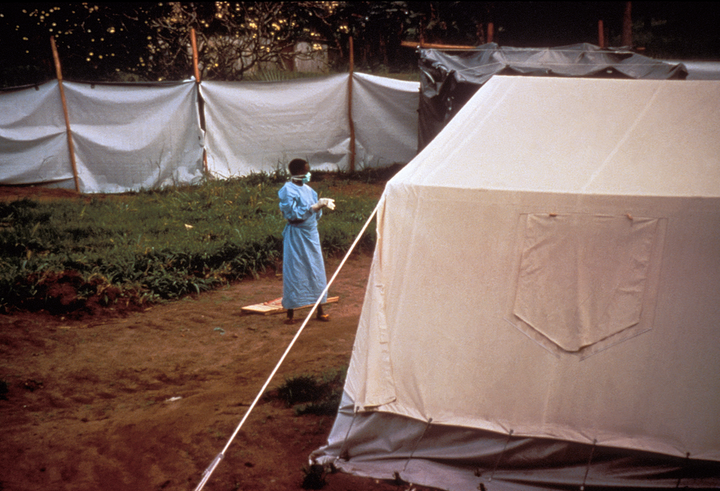
The scaling back of development aid has contributed to the inability to contain the Ebola outbreak in the Democratic Republic of Congo. German organizations are calling for a major spending boost to help stop the spread.
The reduction in international aid exposes the fragile dependency of African health systems on external funding, highlighting the urgent need for domestic resource mobilization and regional cooperation. This crisis demonstrates how global funding priorities can directly impact continental health security, making the case for stronger African-led health financing mechanisms.
The Aid Dependency Trap and Africa's Health Sovereignty
The Democratic Republic of Congo's struggle to contain its latest Ebola outbreak exposes a troubling paradox at the heart of international development: African nations remain perilously dependent on foreign aid for basic health infrastructure, even as global attention and funding increasingly shifts elsewhere. When German organizations call for increased spending to combat the epidemic, they inadvertently highlight how Congo's public health capacity has been systematically underdeveloped, leaving the country vulnerable to the whims of international donors whose priorities change with global political winds.
This cycle of crisis and intervention represents a fundamental failure of the international aid system to build sustainable health systems across Africa. Rather than investing in long-term institutional capacity that would enable countries like Congo to respond independently to health emergencies, decades of aid have created a dependency model where African governments lack the resources and infrastructure to protect their own populations. The scaling back of development aid during a critical health emergency reveals how this approach treats African lives as expendable when competing global priorities emerge.
The timing of these aid cuts is particularly telling, occurring as Western donors redirect resources toward geopolitical conflicts in Europe and elsewhere. This pattern reflects a troubling hierarchy of human suffering, where African health crises are relegated to secondary importance when Western strategic interests are at stake. The message is clear: African lives matter only when convenient for donor countries' broader political and economic agendas.
From a Pan-African perspective, Congo's Ebola crisis underscores the urgent need for the continent to develop autonomous health security mechanisms. The African Union and regional economic communities must prioritize the creation of continental health emergency funds and rapid response capabilities that do not rely on the goodwill of external donors. Only by building indigenous capacity can African nations break free from the aid dependency cycle that leaves them perpetually vulnerable to external shocks and donor fatigue.
The broader implications extend beyond health policy to questions of sovereignty and self-determination. Every health crisis that African nations cannot address independently represents a failure of decolonization and a continuation of structural dependency relationships. True independence requires not just political autonomy but the capacity to protect citizens from existential threats without external intervention. Until African governments can guarantee basic health security for their populations through domestic resources and continental cooperation, the promise of liberation remains unfulfilled.
READ THE SOURCE REPORT FROM DW →Enjoying Strata-AF™?
Sign in or sign up for a personalised feed and unlock Strata-AF™ Originals.