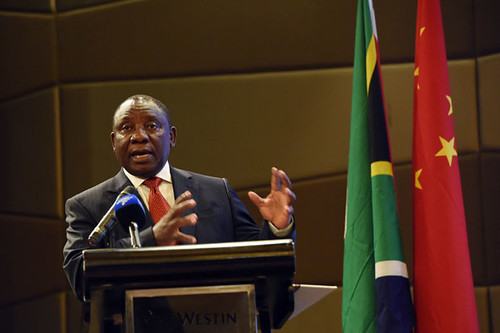
President Cyril Ramaphosa announced new measures to combat illegal immigration amid rising tensions over anti-foreigner sentiment and planned marches targeting foreign nationals.
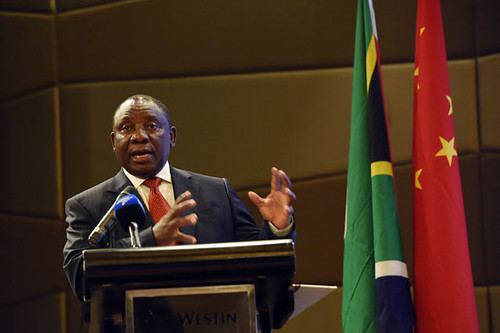
Ramaphosa's immigration crackdown reflects the delicate balance African leaders must strike between protecting local interests and maintaining continental unity under initiatives like the African Continental Free Trade Area. This signals a concerning trend where economic pressures and populist sentiments could undermine Africa's vision of free movement and regional integration.
South African President Cyril Ramaphosa's announcement of a migration crackdown reflects the growing political pressure surrounding immigration in a country grappling with economic inequality and unemployment. The timing of this national address, coinciding with rising anti-foreigner tensions and planned marches, signals how immigration has become a convenient scapegoat for deeper structural problems plaguing the rainbow nation.
The focus on "illegal migration" taps into widespread xenophobic sentiments that have periodically erupted into violence against foreign nationals, particularly those from other African countries. This rhetoric often overlooks South Africa's own history as a nation built by migrants and its moral obligations as a regional powerhouse that benefited from solidarity during the anti-apartheid struggle.
From a Pan-African perspective, South Africa's hardline stance on migration undermines continental integration efforts and the African Union's vision of free movement of people across borders. The country's approach contradicts the spirit of Ubuntu and African solidarity, instead fostering division among African peoples who share common colonial experiences and development challenges.
The economic realities driving migration across the continent, poverty, conflict, and lack of opportunities, require regional solutions rather than punitive national measures. South Africa's focus on enforcement rather than addressing root causes or creating legal pathways for migration reflects a narrow understanding of the complex dynamics shaping population movements across Africa.
Moreover, the timing of this crackdown amid rising social tensions suggests political calculations rather than evidence-based policy-making. By channeling public frustration toward foreign nationals, the government risks deflecting attention from its own failures in job creation, service delivery, and economic transformation, while potentially inflaming xenophobic violence that has historically targeted vulnerable African migrants.
READ THE SOURCE REPORT FROM BBC →Enjoying Strata-AF™?
Sign in or sign up for a personalised feed and unlock Strata-AF™ Originals.