--:--LAGOS
CultureMusicFilmTechSportsPoliticsHealthFinanceReligionFashion
politics
Nigerian Court Rules National Assembly's ₦110 Billion Vehicle Spending Unlawful

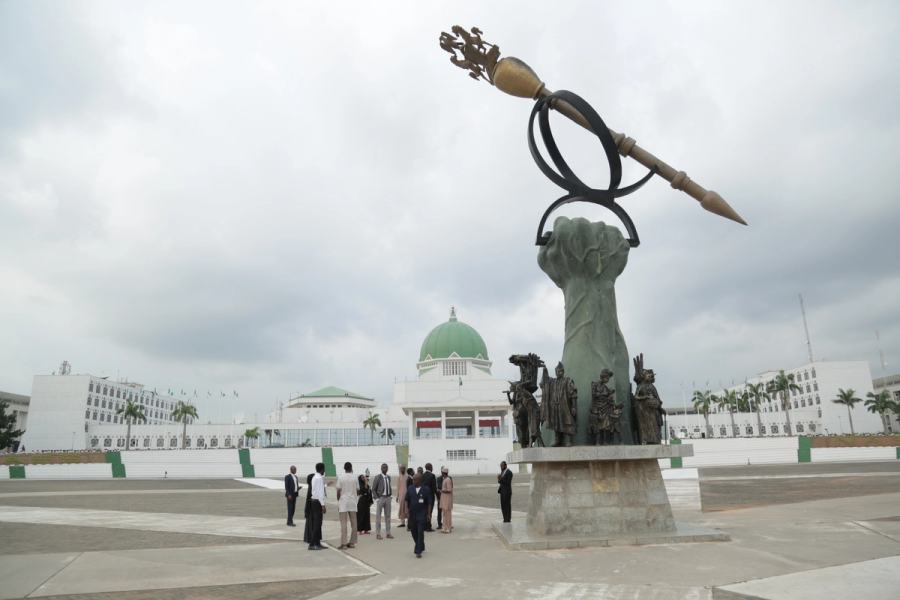
A Federal High Court in Lagos has declared the National Assembly's planned ₦110 billion expenditure on vehicles and allowances unlawful. The ruling represents a significant judicial challenge to legislative spending practices in Nigeria.

Lagos, Nigeria2 MIN
From the web · YNaija
Nigerian Court Rules National Assembly's ₦110 Billion Vehicle Spending Unlawful
IMAGE · Kabusa16
STRATA-AF™ ANGLEEDITORIAL SYNTHESIS BY STRATA-AF™

This landmark ruling signals a growing judicial pushback against unchecked legislative spending across Africa, where lawmakers often face criticism for lavish expenditures amid widespread poverty. The decision could set a precedent for greater judicial oversight of government spending practices throughout the continent, potentially strengthening democratic accountability mechanisms.

The Federal High Court's ruling against the National Assembly's ₦110 billion vehicle and allowances budget marks a watershed moment in Nigeria's ongoing struggle with fiscal accountability and governance transparency. This decision exposes the stark disconnect between legislative priorities and the pressing needs of ordinary Nigerians, who continue to grapple with economic hardship, inadequate infrastructure, and declining public services.

The scale of this expenditure is particularly jarring when viewed against Nigeria's broader economic challenges. At ₦110 billion, this single line item exceeds the entire annual budgets of several African nations and could fund significant infrastructure projects across multiple sectors. The fact that elected representatives prioritized luxury vehicles over healthcare, education, or job creation programs reflects a troubling pattern of misplaced priorities that has characterized Nigerian governance for decades.

From a Pan-African perspective, this ruling represents more than a domestic legal victory. It signals a growing judicial assertiveness that could inspire similar accountability measures across the continent. African courts have increasingly shown willingness to challenge executive and legislative overreach, from Kenya's Supreme Court nullifying the 2017 presidential election to South Africa's Constitutional Court holding former President Zuma accountable for the Nkandla scandal.

The timing of this judgment is particularly significant given Nigeria's current economic trajectory and its role as Africa's largest economy. With inflation soaring and unemployment affecting millions of young Africans, such ostentatious spending by public officials undermines public trust in democratic institutions. This erosion of confidence has contributed to the rise of military coups across West Africa, as citizens lose faith in civilian governments' ability to deliver meaningful development.

The court's intervention also highlights the critical role of judicial independence in African democracies. While many African nations have made strides in establishing democratic institutions, the effective separation of powers remains a work in progress. Nigeria's Federal High Court has demonstrated that even powerful legislative bodies can be held accountable when they overstep constitutional boundaries, a lesson that resonates across a continent where unchecked power has often led to authoritarian drift.

READ THE SOURCE REPORT FROM YNAIJA

Enjoying Strata-AF™?

Sign in or sign up for a personalised feed and unlock Strata-AF™ Originals.
SIGN IN / SIGN UP
READ NEXT
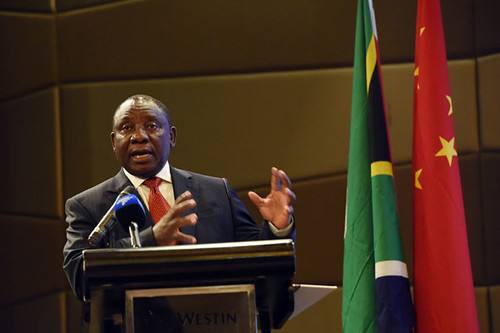
South Africa's president unveils crackdown on illegal migration
POLITICSBBC
South Africa's president unveils crackdown on illegal migration
South Africa2 MINREAD →
Ramaphosa Addresses Rising Anti-Immigrant Tensions in South Africa
POLITICSAfricanews
Ramaphosa Addresses Rising Anti-Immigrant Tensions in South Africa
South Africa3 MINREAD →
--:--LAGOS
STRATA-AF™
ISSUE 001FEED◎ SEARCHSUBSCRIBE
/shows/data/docs
politics
Nigerian Court Rules National Assembly's ₦110 Billion Vehicle Spending Unlawful
IMAGE · Kabusa16
Nigerian Court Rules National Assembly's ₦110 Billion Vehicle Spending Unlawful

A Federal High Court in Lagos has declared the National Assembly's planned ₦110 billion expenditure on vehicles and allowances unlawful. The ruling represents a significant judicial challenge to legislative spending practices in Nigeria.

Lagos, Nigeria2 MIN READ
From the web · YNaija
STRATA-AF™ ANGLEEDITORIAL SYNTHESIS BY STRATA-AF™

This landmark ruling signals a growing judicial pushback against unchecked legislative spending across Africa, where lawmakers often face criticism for lavish expenditures amid widespread poverty. The decision could set a precedent for greater judicial oversight of government spending practices throughout the continent, potentially strengthening democratic accountability mechanisms.

The Federal High Court's ruling against the National Assembly's ₦110 billion vehicle and allowances budget marks a watershed moment in Nigeria's ongoing struggle with fiscal accountability and governance transparency. This decision exposes the stark disconnect between legislative priorities and the pressing needs of ordinary Nigerians, who continue to grapple with economic hardship, inadequate infrastructure, and declining public services.

The scale of this expenditure is particularly jarring when viewed against Nigeria's broader economic challenges. At ₦110 billion, this single line item exceeds the entire annual budgets of several African nations and could fund significant infrastructure projects across multiple sectors. The fact that elected representatives prioritized luxury vehicles over healthcare, education, or job creation programs reflects a troubling pattern of misplaced priorities that has characterized Nigerian governance for decades.

From a Pan-African perspective, this ruling represents more than a domestic legal victory. It signals a growing judicial assertiveness that could inspire similar accountability measures across the continent. African courts have increasingly shown willingness to challenge executive and legislative overreach, from Kenya's Supreme Court nullifying the 2017 presidential election to South Africa's Constitutional Court holding former President Zuma accountable for the Nkandla scandal.

The timing of this judgment is particularly significant given Nigeria's current economic trajectory and its role as Africa's largest economy. With inflation soaring and unemployment affecting millions of young Africans, such ostentatious spending by public officials undermines public trust in democratic institutions. This erosion of confidence has contributed to the rise of military coups across West Africa, as citizens lose faith in civilian governments' ability to deliver meaningful development.

The court's intervention also highlights the critical role of judicial independence in African democracies. While many African nations have made strides in establishing democratic institutions, the effective separation of powers remains a work in progress. Nigeria's Federal High Court has demonstrated that even powerful legislative bodies can be held accountable when they overstep constitutional boundaries, a lesson that resonates across a continent where unchecked power has often led to authoritarian drift.

READ THE SOURCE REPORT FROM YNAIJA

Enjoying Strata-AF™?

Sign in or sign up for a personalised feed and unlock Strata-AF™ Originals.

SIGN IN / SIGN UP
VERTICAL
politics
ORIGIN
Lagos, Nigeria
READ NEXT2 PIECES SELECTED BY OUR EDITORS
POLITICS
South Africa's president unveils crackdown on illegal migration
President Cyril Ramaphosa announced new measures to combat illegal immigration amid rising tensions over anti-foreigner sentiment and planned marches targeting foreign nationals.
South Africa2 MINREAD →
POLITICS
Ramaphosa Addresses Rising Anti-Immigrant Tensions in South Africa
President Cyril Ramaphosa promised action on illegal migration concerns following increased anti-immigrant protests. Other African nations claim their citizens face xenophobic attacks in South Africa.
South Africa3 MINREAD →
CULTURE · MUSIC · FILM · TECH · SPORT · POLITICS · HEALTH · FINANCE · RELIGION · FASHION · LAGOS · NAIROBI · JOBURG · ACCRA · DATA JOURNALISM · ORIGINAL REPORTING · THE ACTUAL VERSION ·CULTURE · MUSIC · FILM · TECH · SPORT · POLITICS · HEALTH · FINANCE · RELIGION · FASHION · LAGOS · NAIROBI · JOBURG · ACCRA · DATA JOURNALISM · ORIGINAL REPORTING · THE ACTUAL VERSION ·
Premium editorial for a continent that's done waiting to be covered.

Not the export-market version. Not the diaspora version. The actual version — written by the people who live there.

Verticals
CultureMusicFilmTechSportsPolitics
HUBS
Strata-AF OriginalsDataDocsNewsletterArchiveShows
Company
AboutMissionManifestoLegal
REACH
10VERTICALS
6CONTENT TYPES
5CITIES
1STANDARD
© 2026 STRATA-AF™ · STRATA PUBLISHING CO LTD · LAGOS · JOBURG · NAIROBI · ACCRAPRIVACYTERMSCORRECTIONSMASTHEAD
 
 
--:--LAGOS
CultureMusicFilmTechSportsPoliticsHealthFinanceReligionFashion
Highlights
Strata-AF
Editor's Pick
From the web
SPORTSSTRATA-AF™STRATA-AF™ ORIGINAL
WAFCON 2026 Proved African Women's Football Is Ready. The Clubs Aren't.
2 MINREAD →
POLITICSSTRATA-AF™★ EDITOR'S PICK
The Lagos Cancellation Is Not About Tyla Really, Or Is It ?
Pan-African2 MINREAD →
MUSICSTRATA-AF™★ EDITOR'S PICK
Blood, Beats & Betrayal: How Family Killed P-Square
Nigeria2 MINREAD →
MUSICBY THE NUMBERSSTRATA-AF™ ORIGINAL
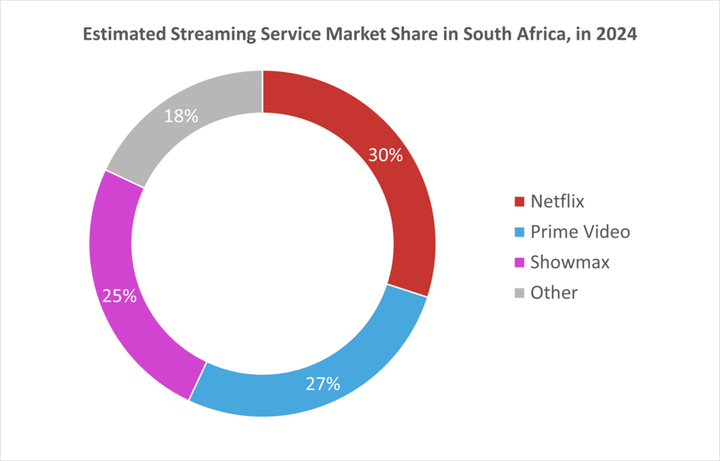
Where African Artists Earn, Lose, and Get Erased on Stream
Pan-African2 MINREAD →
HEALTHSTRATA-AF™★ EDITOR'S PICK
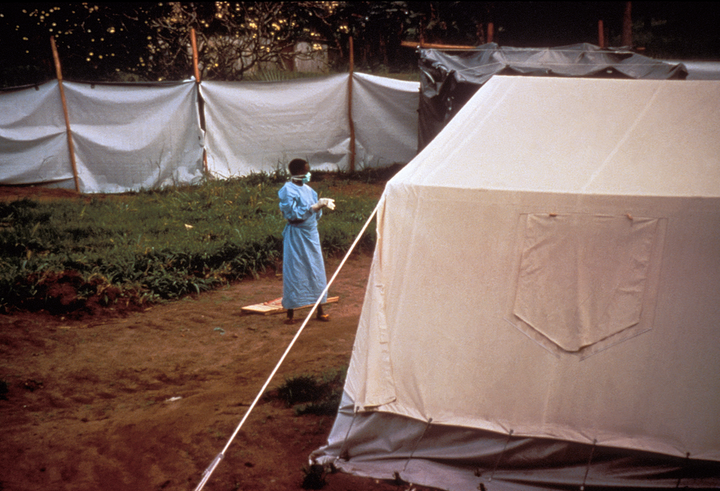
Uganda Held the Line on Ebola. Here's the Playbook Congo Needs Now
DR Congo2 MINREAD →
MUSICSTRATA-AF™STRATA-AF™ ORIGINAL
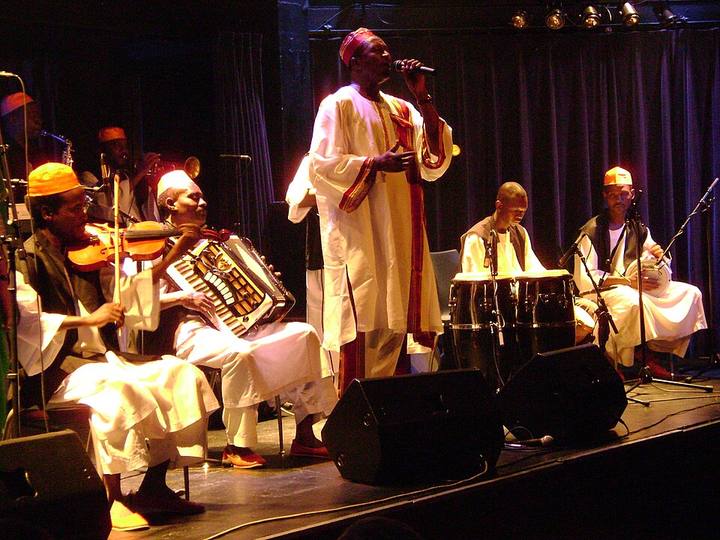
Music Is Starving in Sudan: How the RSF Silenced a Generation of Artists
Sudan2 MINREAD →
CULTURESTRATA-AF™★ EDITOR'S PICK
How BBNaija Rewired Nigerian Television And Everything Around It
Lagos, Pan-African2 MINREAD →
FASHIONSTRATA-AF™★ EDITOR'S PICK
Lagos Fashion Week's Green Push Is Either Africa's Best Bet or Its Greenest Greenwash
Pan-African2 MINREAD →
CULTURESTRATA-AF™★ EDITOR'S PICK
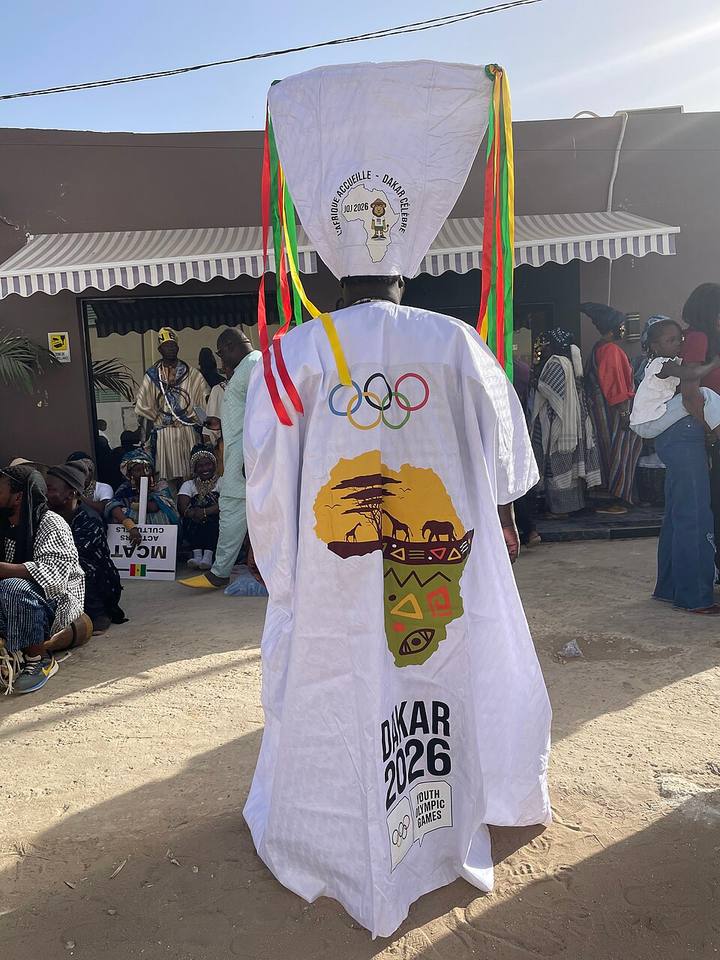
Dakar 2026 Is Africa's Olympic Moment
Senegal2 MINREAD →
SPORTSFROM THE WEB★ EDITOR'S PICK
Senegal set to make Olympic history with Dakar 2026 Youth Games
Dakar 2026 breaks a hosting monopoly that has excluded Africa from Olympic stewardship for over a century — the question is what institutional and economic legacy Senegal can extract from the moment.
Senegal1 MIN · Africanews · 25 JULREAD →
See all stories

The actual version — written by the people who live there.

10VERTICALS
6TYPES
5CITIES
1STANDARD
AboutMissionManifestoLegalOriginalsSubscribeArchiveShowsContributorsJobs
© 2026 STRATA-AF™ · STRATA PUBLISHING CO LTD · LAGOS · NAIROBI · JOBURG · ACCRA
 
 
--:--LAGOS
CultureMusicFilmTechSportsPoliticsHealthFinanceReligionFashion
politics
Nigerian Court Rules National Assembly's ₦110 Billion Vehicle Spending Unlawful

A Federal High Court in Lagos has declared the National Assembly's planned ₦110 billion expenditure on vehicles and allowances unlawful. The ruling represents a significant judicial challenge to legislative spending practices in Nigeria.

Lagos, Nigeria2 MIN
From the web · YNaija
Nigerian Court Rules National Assembly's ₦110 Billion Vehicle Spending Unlawful
IMAGE · Kabusa16
STRATA-AF™ ANGLEEDITORIAL SYNTHESIS BY STRATA-AF™

This landmark ruling signals a growing judicial pushback against unchecked legislative spending across Africa, where lawmakers often face criticism for lavish expenditures amid widespread poverty. The decision could set a precedent for greater judicial oversight of government spending practices throughout the continent, potentially strengthening democratic accountability mechanisms.

The Federal High Court's ruling against the National Assembly's ₦110 billion vehicle and allowances budget marks a watershed moment in Nigeria's ongoing struggle with fiscal accountability and governance transparency. This decision exposes the stark disconnect between legislative priorities and the pressing needs of ordinary Nigerians, who continue to grapple with economic hardship, inadequate infrastructure, and declining public services.

The scale of this expenditure is particularly jarring when viewed against Nigeria's broader economic challenges. At ₦110 billion, this single line item exceeds the entire annual budgets of several African nations and could fund significant infrastructure projects across multiple sectors. The fact that elected representatives prioritized luxury vehicles over healthcare, education, or job creation programs reflects a troubling pattern of misplaced priorities that has characterized Nigerian governance for decades.

From a Pan-African perspective, this ruling represents more than a domestic legal victory. It signals a growing judicial assertiveness that could inspire similar accountability measures across the continent. African courts have increasingly shown willingness to challenge executive and legislative overreach, from Kenya's Supreme Court nullifying the 2017 presidential election to South Africa's Constitutional Court holding former President Zuma accountable for the Nkandla scandal.

The timing of this judgment is particularly significant given Nigeria's current economic trajectory and its role as Africa's largest economy. With inflation soaring and unemployment affecting millions of young Africans, such ostentatious spending by public officials undermines public trust in democratic institutions. This erosion of confidence has contributed to the rise of military coups across West Africa, as citizens lose faith in civilian governments' ability to deliver meaningful development.

The court's intervention also highlights the critical role of judicial independence in African democracies. While many African nations have made strides in establishing democratic institutions, the effective separation of powers remains a work in progress. Nigeria's Federal High Court has demonstrated that even powerful legislative bodies can be held accountable when they overstep constitutional boundaries, a lesson that resonates across a continent where unchecked power has often led to authoritarian drift.

READ THE SOURCE REPORT FROM YNAIJA

Enjoying Strata-AF™?

Sign in or sign up for a personalised feed and unlock Strata-AF™ Originals.
SIGN IN / SIGN UP
READ NEXT
--:--LAGOS
/shows/data/docs
politics
Nigerian Court Rules National Assembly's ₦110 Billion Vehicle Spending Unlawful
IMAGE · Kabusa16
Nigerian Court Rules National Assembly's ₦110 Billion Vehicle Spending Unlawful

A Federal High Court in Lagos has declared the National Assembly's planned ₦110 billion expenditure on vehicles and allowances unlawful. The ruling represents a significant judicial challenge to legislative spending practices in Nigeria.

Lagos, Nigeria2 MIN READ
From the web · YNaija
STRATA-AF™ ANGLEEDITORIAL SYNTHESIS BY STRATA-AF™

This landmark ruling signals a growing judicial pushback against unchecked legislative spending across Africa, where lawmakers often face criticism for lavish expenditures amid widespread poverty. The decision could set a precedent for greater judicial oversight of government spending practices throughout the continent, potentially strengthening democratic accountability mechanisms.

The Federal High Court's ruling against the National Assembly's ₦110 billion vehicle and allowances budget marks a watershed moment in Nigeria's ongoing struggle with fiscal accountability and governance transparency. This decision exposes the stark disconnect between legislative priorities and the pressing needs of ordinary Nigerians, who continue to grapple with economic hardship, inadequate infrastructure, and declining public services.

The scale of this expenditure is particularly jarring when viewed against Nigeria's broader economic challenges. At ₦110 billion, this single line item exceeds the entire annual budgets of several African nations and could fund significant infrastructure projects across multiple sectors. The fact that elected representatives prioritized luxury vehicles over healthcare, education, or job creation programs reflects a troubling pattern of misplaced priorities that has characterized Nigerian governance for decades.

From a Pan-African perspective, this ruling represents more than a domestic legal victory. It signals a growing judicial assertiveness that could inspire similar accountability measures across the continent. African courts have increasingly shown willingness to challenge executive and legislative overreach, from Kenya's Supreme Court nullifying the 2017 presidential election to South Africa's Constitutional Court holding former President Zuma accountable for the Nkandla scandal.

The timing of this judgment is particularly significant given Nigeria's current economic trajectory and its role as Africa's largest economy. With inflation soaring and unemployment affecting millions of young Africans, such ostentatious spending by public officials undermines public trust in democratic institutions. This erosion of confidence has contributed to the rise of military coups across West Africa, as citizens lose faith in civilian governments' ability to deliver meaningful development.

The court's intervention also highlights the critical role of judicial independence in African democracies. While many African nations have made strides in establishing democratic institutions, the effective separation of powers remains a work in progress. Nigeria's Federal High Court has demonstrated that even powerful legislative bodies can be held accountable when they overstep constitutional boundaries, a lesson that resonates across a continent where unchecked power has often led to authoritarian drift.

READ THE SOURCE REPORT FROM YNAIJA

Enjoying Strata-AF™?

Sign in or sign up for a personalised feed and unlock Strata-AF™ Originals.

SIGN IN / SIGN UP
VERTICAL
politics
ORIGIN
Lagos, Nigeria
READ NEXT2 PIECES SELECTED BY OUR EDITORS
CULTURE · MUSIC · FILM · TECH · SPORT · POLITICS · HEALTH · FINANCE · RELIGION · FASHION · LAGOS · NAIROBI · JOBURG · ACCRA · DATA JOURNALISM · ORIGINAL REPORTING · THE ACTUAL VERSION ·CULTURE · MUSIC · FILM · TECH · SPORT · POLITICS · HEALTH · FINANCE · RELIGION · FASHION · LAGOS · NAIROBI · JOBURG · ACCRA · DATA JOURNALISM · ORIGINAL REPORTING · THE ACTUAL VERSION ·
Premium editorial for a continent that's done waiting to be covered.

Not the export-market version. Not the diaspora version. The actual version — written by the people who live there.

Verticals
CultureMusicFilmTechSportsPolitics
HUBS
Strata-AF OriginalsDataDocsNewsletterArchiveShows
Company
AboutMissionManifestoLegal
REACH
10VERTICALS
6CONTENT TYPES
5CITIES
1STANDARD
© 2026 STRATA-AF™ · STRATA PUBLISHING CO LTD · LAGOS · JOBURG · NAIROBI · ACCRAPRIVACYTERMSCORRECTIONSMASTHEAD