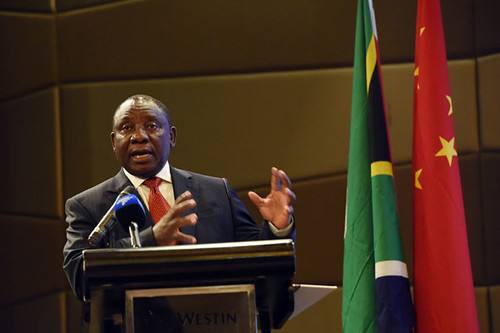
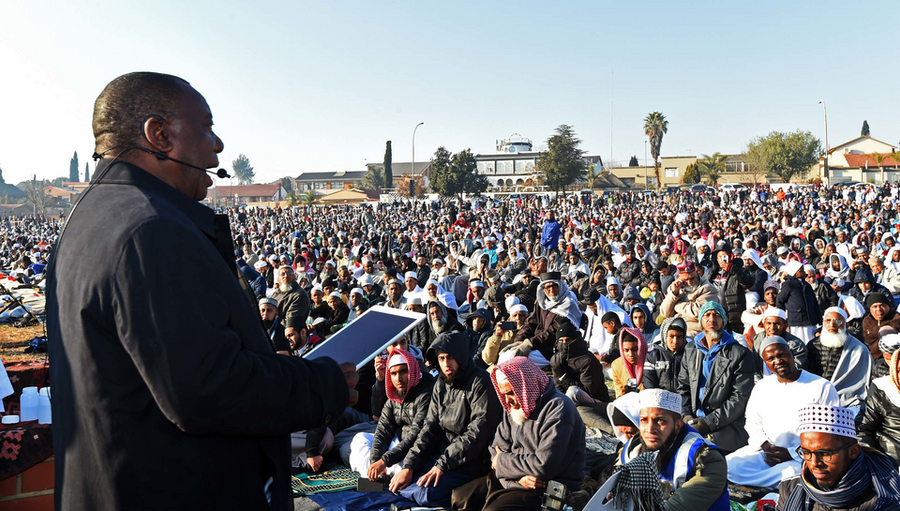
President Cyril Ramaphosa promised action on illegal migration concerns following increased anti-immigrant protests. Other African nations claim their citizens face xenophobic attacks in South Africa.
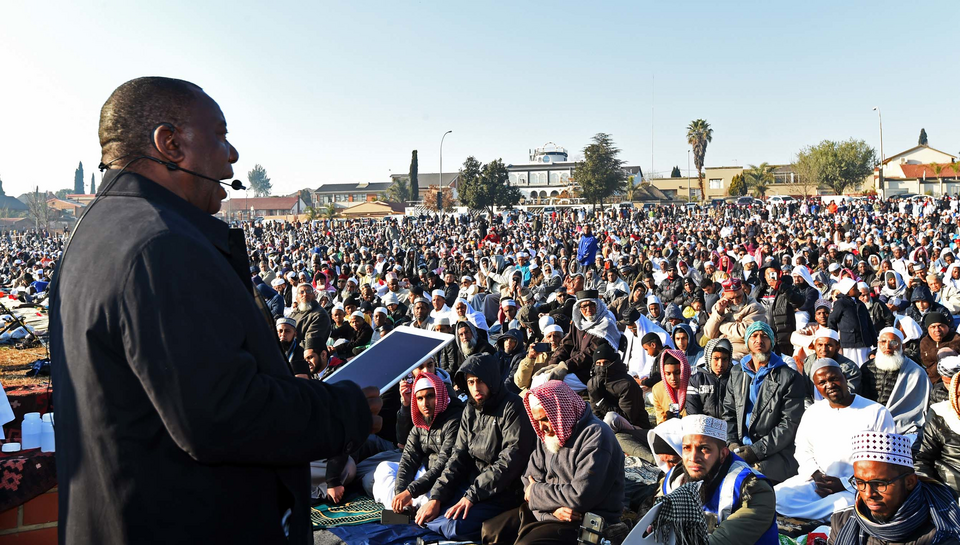
South Africa's immigration tensions highlight the continent's broader challenge of balancing national sovereignty with Pan-African unity. As economic disparities persist across the region, governments must address legitimate migration concerns while protecting the rights of African citizens to move freely within their own continent.
President Cyril Ramaphosa's televised address on anti-immigrant tensions reveals the persistent fractures within South Africa's post-apartheid society. His promise to address concerns about illegal migration represents a delicate balancing act between responding to domestic pressures and maintaining diplomatic relations with neighboring African states. The president's choice of language, framing the issue as "illegal migration" rather than addressing underlying xenophobic attitudes, signals a troubling shift toward legitimizing anti-immigrant sentiment rather than confronting its root causes.
The timing of these protests underscores how economic hardship continues to fuel scapegoating in South Africa. With unemployment rates exceeding 30 percent and persistent inequality, foreign nationals become convenient targets for frustration that should be directed at structural economic failures. This pattern echoes historical tactics used during apartheid to divide oppressed communities, yet now manifests as South Africans targeting fellow Africans who often fled similar conditions of poverty and instability.
The regional implications of South Africa's anti-immigrant stance threaten the broader Pan-African integration project. As the continent's largest economy, South Africa's hostility toward African migrants undermines efforts to build the African Continental Free Trade Area and promote intra-African mobility. When Johannesburg becomes synonymous with xenophobic violence rather than economic opportunity, it damages South Africa's moral authority and soft power across the continent.
Ramaphosa's response also highlights the ANC government's failure to craft a coherent immigration policy that balances humanitarian obligations with economic realities. Rather than investing in integration programs or addressing the informal economy where many migrants work, the government has allowed anti-immigrant rhetoric to fester. This approach not only fails vulnerable migrants but also deprives South Africa of the economic dynamism that immigration typically brings.
The president's address comes at a critical moment when South Africa needs regional cooperation to address shared challenges like climate change, infrastructure development, and economic transformation. By legitimizing anti-immigrant sentiment, even in coded language, Ramaphosa risks isolating South Africa from its African neighbors precisely when continental solidarity is most needed. The irony is stark: a country built by migrant labor now turns against the very mobility that helped create its wealth.
READ THE SOURCE REPORT FROM AFRICANEWS →Enjoying Strata-AF™?
Sign in or sign up for a personalised feed and unlock Strata-AF™ Originals.