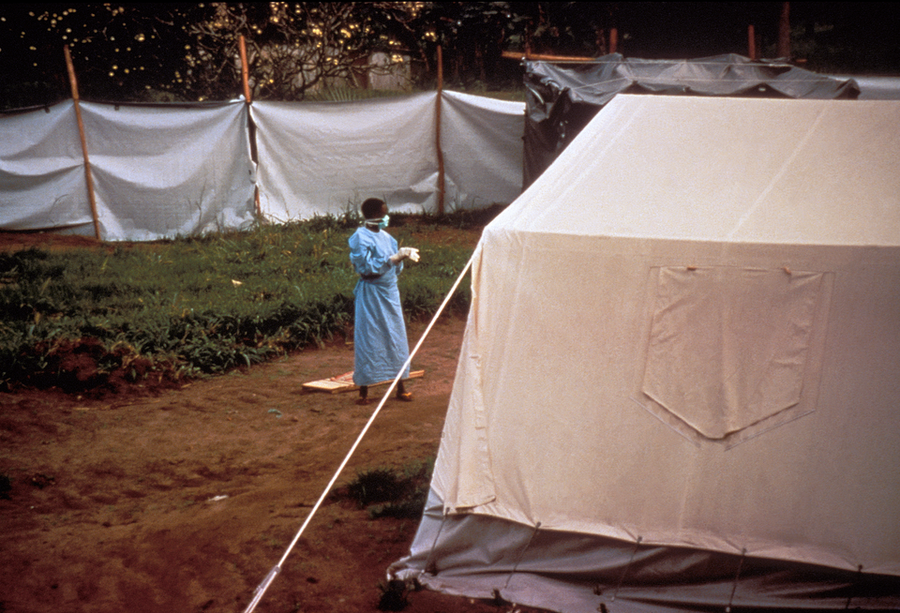
The DR Congo government and the WHO are restating their joint commitment to protecting communities in Ituri as the Ebola outbreak continues.
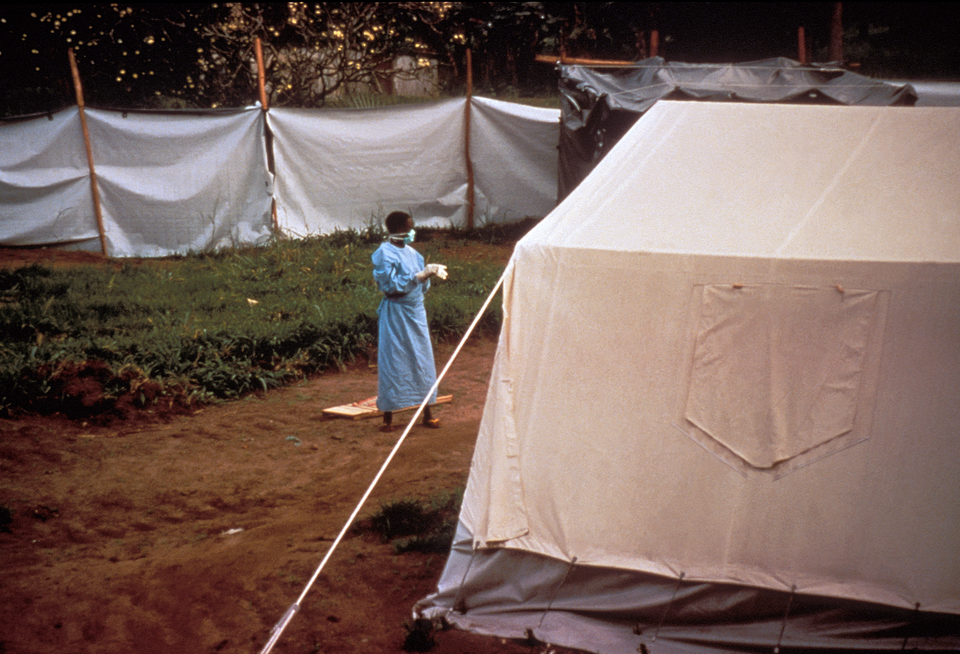
While international health organizations rush to frame every Ebola outbreak in DRC as a global emergency requiring external intervention, the real story is how Congolese health workers, who've been battling these outbreaks for decades, continue to lead response efforts with hard-won expertise that the West still refuses to fully recognize. The partnership between Kinshasa and WHO should center Congolese knowledge and infrastructure, not perpetuate the tired narrative of a helpless continent waiting for salvation. It's time the global health apparatus acknowledged that Africa's frontline medical professionals aren't just implementers. They're the architects of survival.
The resurgence of Ebola concerns in the Democratic Republic of Congo serves as a stark reminder that health security remains one of Africa's most pressing challenges, transcending national borders and demanding continental solidarity. The renewed commitment between the DRC government and the World Health Organization to protect populations in Ituri province and beyond reflects not merely a bilateral health initiative, but a critical test of Africa's evolving capacity to manage epidemic threats with greater autonomy and regional coordination.
What makes this development particularly significant from a Pan-African perspective is the growing recognition that epidemic preparedness cannot be left solely to international actors or ad-hoc emergency responses. The DRC's proactive engagement with WHO signals a maturation in how African governments approach public health crises, moving from reactive scrambles to more strategic, partnership-based frameworks. This shift is essential, given that the continent continues to bear a disproportionate burden of infectious diseases while often lacking the infrastructure and resources to mount rapid, effective responses without external assistance.
The focus on Ituri province is especially telling, as this region exemplifies the complex intersection of public health challenges with broader issues of governance, conflict, and development that characterize much of post-colonial Africa. Effective Ebola containment in such contexts requires not just medical interventions but comprehensive approaches that address the underlying social determinants of health, from strengthening healthcare systems to building community trust and ensuring equitable access to services. These are precisely the kinds of holistic development challenges that African institutions like the African Union and regional economic communities must increasingly lead.
The timing of this renewed commitment also coincides with broader continental efforts to strengthen health sovereignty through initiatives like the Africa Centres for Disease Control and Prevention and various manufacturing partnerships for vaccines and therapeutics. The DRC-WHO collaboration could serve as a model for how African nations can leverage international partnerships while maintaining greater ownership over their health security strategies, potentially reducing the continent's dependency on external actors during health emergencies.
However, the success of this initiative will ultimately depend on whether it can translate high-level commitments into tangible improvements in community-level health outcomes. Previous Ebola responses in the region have sometimes struggled with community acceptance and local ownership, highlighting the need for approaches that genuinely prioritize African voices and indigenous knowledge systems alongside technical medical expertise. The true measure of progress will be whether this partnership can build lasting health system resilience that serves Congolese communities long after the immediate Ebola threat has passed.
From a continental perspective, the DRC's experience offers valuable lessons for other African nations grappling with epidemic preparedness. As climate change, urbanization, and global connectivity continue to reshape disease patterns across Africa, the strategies developed in partnership between Kinshasa and Geneva could inform broader frameworks for health security that prioritize African leadership while maintaining strategic international collaboration. The continent's future pandemic preparedness may well depend on how successfully such partnerships can be scaled and adapted across diverse African contexts.
READ THE SOURCE REPORT FROM ACTUALITE →Enjoying Strata-AF™?
Sign in or sign up for a personalised feed and unlock Strata-AF™ Originals.