--:--LAGOS
CultureMusicFilmTechSportsPoliticsHealthFinanceReligionFashion
health
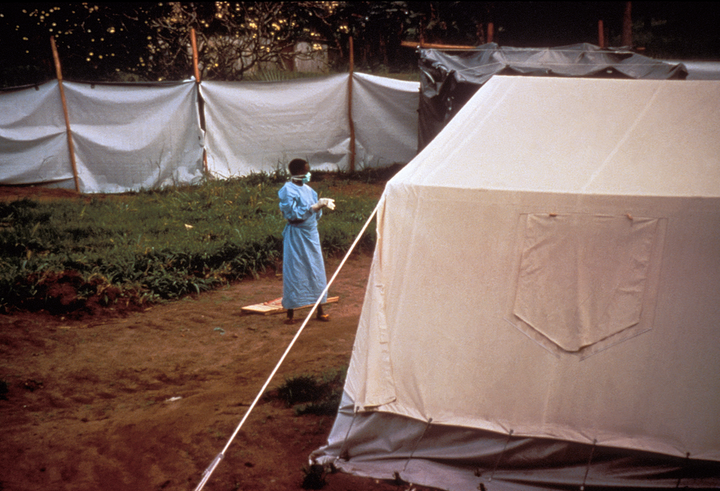
‘Among the things he feared most was death’: the doctors and nurses dying on the Ebola frontline

Four hospital staff dead in as many days: the Guardian follows the Congolese doctors and nurses treating Ebola patients in conditions they describe as agonizing.

When Dr Vladimir Maduali died of Ebola in the early hours of Sunday morning, he was the fourth member of staff at his hospital to be killed by the disease in as many days.

The Guardian · The Guardian
4 MIN
From the web · The Guardian
‘Among the things he feared most was death’: the doctors and nurses dying on the Ebola frontline
IMAGE · Nappy by Unsplash · UNSPLASH
STRATA-AF™ ANGLEEDITORIAL SYNTHESIS BY STRATA-AF™

The death of healthcare workers on the Ebola frontlines exposes the chronic underfunding and infrastructure gaps that plague African health systems, leaving medical professionals vulnerable even as they battle deadly outbreaks. This crisis undermines regional disease containment efforts and threatens to erode public trust in healthcare institutions across Central Africa, potentially hampering future epidemic responses.

The tragic death of Dr. Vladimir Maduali and his colleagues in the Democratic Republic of Congo represents far more than individual casualties in the fight against Ebola. It exposes the devastating fragility of Africa's healthcare infrastructure and the continent's continued vulnerability to diseases that have been conquered elsewhere. When medical professionals, already scarce across much of Africa, become victims of the very diseases they are trained to combat, we witness not just personal tragedies but systemic failures that reverberate across entire communities. These losses illuminate a harsh reality: Africa cannot afford to lose a single trained healthcare worker, yet the continent's medical professionals are dying on the frontlines while the world's attention and resources remain elsewhere.

The "agonising conditions" described in these Congolese hospitals reflect a broader African narrative of medical apartheid, where healthcare workers across the continent routinely face impossible choices between their own safety and their duty to serve. From the mining towns of South Africa to the rural clinics of Mali, medical professionals work without adequate protective equipment, proper facilities, or the backup systems that their counterparts in wealthier nations take for granted. The courage of Dr. Maduali and countless unnamed healthcare workers across Africa who continue to serve despite these conditions represents a form of heroism that deserves global recognition, and more importantly, global support.

The concentration of Ebola outbreaks in Central and West Africa is not coincidental but rather the predictable result of decades of underinvestment in public health infrastructure across the continent. While international attention spikes during crisis moments, the systematic strengthening of Africa's healthcare systems requires sustained commitment that extends far beyond emergency responses. The reality is that diseases like Ebola thrive in environments where basic healthcare infrastructure is weak, where communities lack access to clean water and sanitation, and where medical facilities operate with skeleton staffs and inadequate resources.

What makes these losses particularly devastating is the multiplier effect of losing trained medical personnel in a continent already facing severe healthcare worker shortages. When a doctor dies in rural Congo, it's not just one life lost. It's potentially thousands of patients who will go untreated, countless procedures that will go unperformed, and entire communities left more vulnerable to future health crises. This brain drain through disease represents a form of development regression that Africa can ill afford, particularly as the continent grapples with rising populations and increasing health challenges.

The international response to these crises too often follows a pattern of emergency intervention followed by neglect, treating symptoms rather than addressing root causes. True solidarity with Africa's healthcare workers requires more than temporary medical missions and charitable donations. It demands sustained investment in training local medical professionals, building robust healthcare infrastructure, and ensuring that African countries have the resources to protect their own healthcare heroes. Until we address these structural inequalities, we will continue to read tragic stories of dedicated professionals like Dr. Maduali dying in "agonising conditions" that could have been prevented with adequate investment and political will.

The courage of Congo's medical workers in continuing their fight against Ebola, despite watching colleagues die around them, reflects the resilience and determination that characterizes much of Africa's response to adversity. However, heroism should not be a prerequisite for basic healthcare provision, nor should healthcare workers have to choose between their own lives and serving their communities. Africa deserves healthcare systems that protect both patients and providers, and the international community has both a moral obligation and strategic interest in ensuring that happens.

READ THE SOURCE REPORT FROM THE GUARDIAN

Enjoying Strata-AF™?

Sign in or sign up for a personalised feed and unlock Strata-AF™ Originals.

SIGN IN / SIGN UP
--:--LAGOS
STRATA-AF™
ISSUE 001FEED◎ SEARCHSUBSCRIBE
/shows/data/docs
health
‘Among the things he feared most was death’: the doctors and nurses dying on the Ebola frontline
IMAGE · Nappy by Unsplash · UNSPLASH
‘Among the things he feared most was death’: the doctors and nurses dying on the Ebola frontline

Four hospital staff dead in as many days: the Guardian follows the Congolese doctors and nurses treating Ebola patients in conditions they describe as agonizing.

When Dr Vladimir Maduali died of Ebola in the early hours of Sunday morning, he was the fourth member of staff at his hospital to be killed by the disease in as many days.

The Guardian · The Guardian
4 MIN READ
From the web · The Guardian
STRATA-AF™ ANGLEEDITORIAL SYNTHESIS BY STRATA-AF™

The death of healthcare workers on the Ebola frontlines exposes the chronic underfunding and infrastructure gaps that plague African health systems, leaving medical professionals vulnerable even as they battle deadly outbreaks. This crisis undermines regional disease containment efforts and threatens to erode public trust in healthcare institutions across Central Africa, potentially hampering future epidemic responses.

The tragic death of Dr. Vladimir Maduali and his colleagues in the Democratic Republic of Congo represents far more than individual casualties in the fight against Ebola. It exposes the devastating fragility of Africa's healthcare infrastructure and the continent's continued vulnerability to diseases that have been conquered elsewhere. When medical professionals, already scarce across much of Africa, become victims of the very diseases they are trained to combat, we witness not just personal tragedies but systemic failures that reverberate across entire communities. These losses illuminate a harsh reality: Africa cannot afford to lose a single trained healthcare worker, yet the continent's medical professionals are dying on the frontlines while the world's attention and resources remain elsewhere.

The "agonising conditions" described in these Congolese hospitals reflect a broader African narrative of medical apartheid, where healthcare workers across the continent routinely face impossible choices between their own safety and their duty to serve. From the mining towns of South Africa to the rural clinics of Mali, medical professionals work without adequate protective equipment, proper facilities, or the backup systems that their counterparts in wealthier nations take for granted. The courage of Dr. Maduali and countless unnamed healthcare workers across Africa who continue to serve despite these conditions represents a form of heroism that deserves global recognition, and more importantly, global support.

The concentration of Ebola outbreaks in Central and West Africa is not coincidental but rather the predictable result of decades of underinvestment in public health infrastructure across the continent. While international attention spikes during crisis moments, the systematic strengthening of Africa's healthcare systems requires sustained commitment that extends far beyond emergency responses. The reality is that diseases like Ebola thrive in environments where basic healthcare infrastructure is weak, where communities lack access to clean water and sanitation, and where medical facilities operate with skeleton staffs and inadequate resources.

What makes these losses particularly devastating is the multiplier effect of losing trained medical personnel in a continent already facing severe healthcare worker shortages. When a doctor dies in rural Congo, it's not just one life lost. It's potentially thousands of patients who will go untreated, countless procedures that will go unperformed, and entire communities left more vulnerable to future health crises. This brain drain through disease represents a form of development regression that Africa can ill afford, particularly as the continent grapples with rising populations and increasing health challenges.

The international response to these crises too often follows a pattern of emergency intervention followed by neglect, treating symptoms rather than addressing root causes. True solidarity with Africa's healthcare workers requires more than temporary medical missions and charitable donations. It demands sustained investment in training local medical professionals, building robust healthcare infrastructure, and ensuring that African countries have the resources to protect their own healthcare heroes. Until we address these structural inequalities, we will continue to read tragic stories of dedicated professionals like Dr. Maduali dying in "agonising conditions" that could have been prevented with adequate investment and political will.

The courage of Congo's medical workers in continuing their fight against Ebola, despite watching colleagues die around them, reflects the resilience and determination that characterizes much of Africa's response to adversity. However, heroism should not be a prerequisite for basic healthcare provision, nor should healthcare workers have to choose between their own lives and serving their communities. Africa deserves healthcare systems that protect both patients and providers, and the international community has both a moral obligation and strategic interest in ensuring that happens.

READ THE SOURCE REPORT FROM THE GUARDIAN

Enjoying Strata-AF™?

Sign in or sign up for a personalised feed and unlock Strata-AF™ Originals.

SIGN IN / SIGN UP
VERTICAL
health
CULTURE · MUSIC · FILM · TECH · SPORT · POLITICS · HEALTH · FINANCE · RELIGION · FASHION · LAGOS · NAIROBI · JOBURG · ACCRA · DATA JOURNALISM · ORIGINAL REPORTING · THE ACTUAL VERSION ·CULTURE · MUSIC · FILM · TECH · SPORT · POLITICS · HEALTH · FINANCE · RELIGION · FASHION · LAGOS · NAIROBI · JOBURG · ACCRA · DATA JOURNALISM · ORIGINAL REPORTING · THE ACTUAL VERSION ·
Premium editorial for a continent that's done waiting to be covered.

Not the export-market version. Not the diaspora version. The actual version — written by the people who live there.

Verticals
CultureMusicFilmTechSportsPolitics
HUBS
Strata-AF OriginalsDataDocsNewsletterArchiveShows
Company
AboutMissionManifestoLegal
REACH
10VERTICALS
6CONTENT TYPES
5CITIES
1STANDARD
© 2026 STRATA-AF™ · STRATA PUBLISHING CO LTD · LAGOS · JOBURG · NAIROBI · ACCRAPRIVACYTERMSCORRECTIONSMASTHEAD
 
 
--:--LAGOS
CultureMusicFilmTechSportsPoliticsHealthFinanceReligionFashion
Highlights
Strata-AF
Editor's Pick
From the web
SPORTSSTRATA-AF™STRATA-AF™ ORIGINAL
WAFCON 2026 Proved African Women's Football Is Ready. The Clubs Aren't.
2 MINREAD →
POLITICSSTRATA-AF™★ EDITOR'S PICK
The Lagos Cancellation Is Not About Tyla Really, Or Is It ?
Pan-African2 MINREAD →
MUSICSTRATA-AF™★ EDITOR'S PICK
Blood, Beats & Betrayal: How Family Killed P-Square
Nigeria2 MINREAD →
MUSICBY THE NUMBERSSTRATA-AF™ ORIGINAL
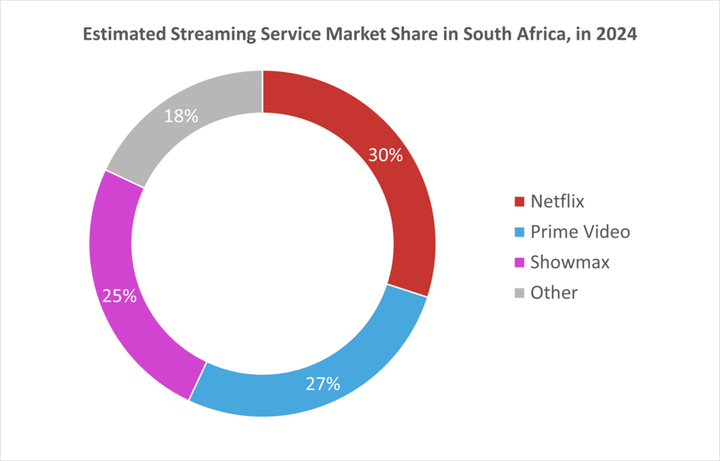
Where African Artists Earn, Lose, and Get Erased on Stream
Pan-African2 MINREAD →
HEALTHSTRATA-AF™★ EDITOR'S PICK
Uganda Held the Line on Ebola. Here's the Playbook Congo Needs Now
DR Congo2 MINREAD →
MUSICSTRATA-AF™STRATA-AF™ ORIGINAL
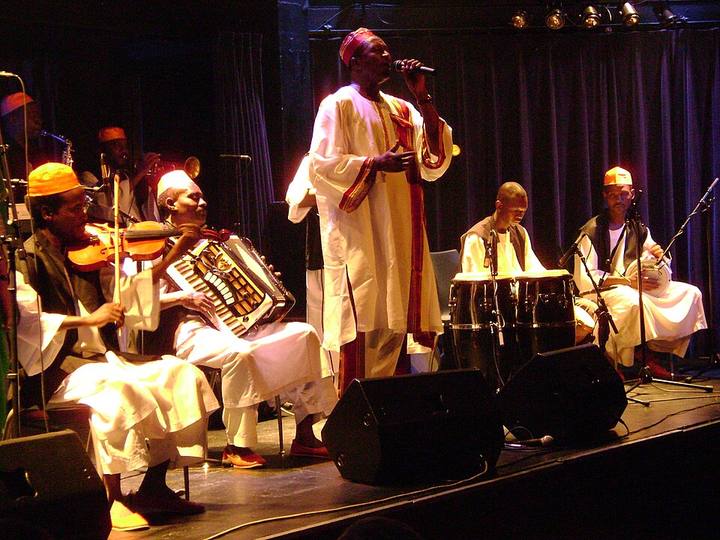
Music Is Starving in Sudan: How the RSF Silenced a Generation of Artists
Sudan2 MINREAD →
CULTURESTRATA-AF™★ EDITOR'S PICK
How BBNaija Rewired Nigerian Television And Everything Around It
Lagos, Pan-African2 MINREAD →
FASHIONSTRATA-AF™★ EDITOR'S PICK
Lagos Fashion Week's Green Push Is Either Africa's Best Bet or Its Greenest Greenwash
Pan-African2 MINREAD →
CULTURESTRATA-AF™★ EDITOR'S PICK
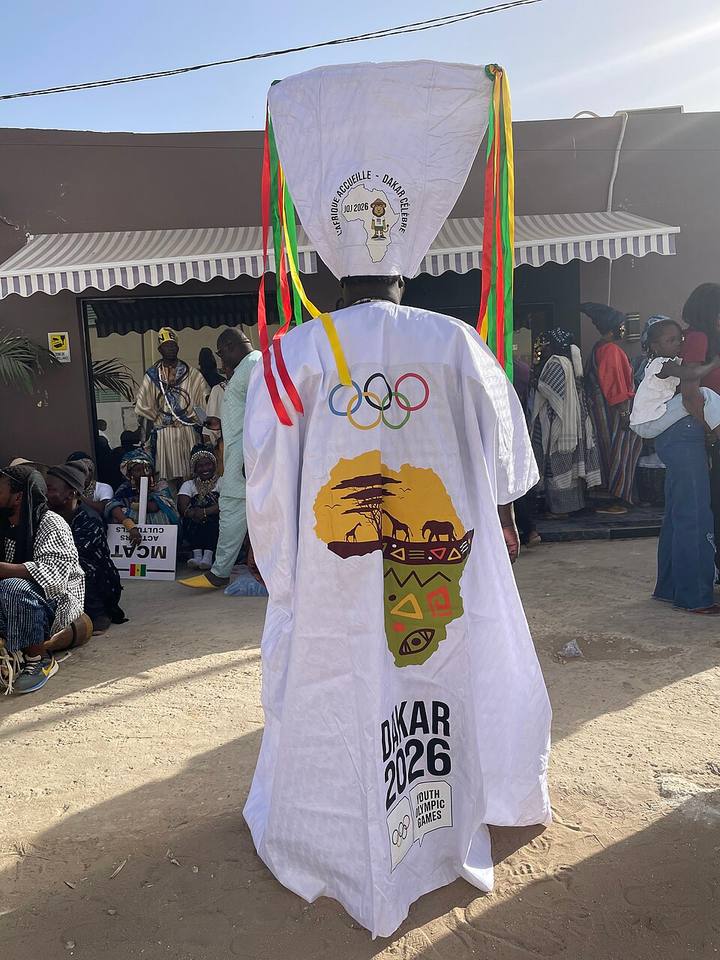
Dakar 2026 Is Africa's Olympic Moment
Senegal2 MINREAD →
SPORTSFROM THE WEB★ EDITOR'S PICK
Senegal set to make Olympic history with Dakar 2026 Youth Games
Dakar 2026 breaks a hosting monopoly that has excluded Africa from Olympic stewardship for over a century — the question is what institutional and economic legacy Senegal can extract from the moment.
Senegal1 MIN · Africanews · 25 JULREAD →
See all stories

The actual version — written by the people who live there.

10VERTICALS
6TYPES
5CITIES
1STANDARD
AboutMissionManifestoLegalOriginalsSubscribeArchiveShowsContributorsJobs
© 2026 STRATA-AF™ · STRATA PUBLISHING CO LTD · LAGOS · NAIROBI · JOBURG · ACCRA
 
 
--:--LAGOS
CultureMusicFilmTechSportsPoliticsHealthFinanceReligionFashion
health
‘Among the things he feared most was death’: the doctors and nurses dying on the Ebola frontline

Four hospital staff dead in as many days: the Guardian follows the Congolese doctors and nurses treating Ebola patients in conditions they describe as agonizing.

When Dr Vladimir Maduali died of Ebola in the early hours of Sunday morning, he was the fourth member of staff at his hospital to be killed by the disease in as many days.

The Guardian · The Guardian
4 MIN
From the web · The Guardian
‘Among the things he feared most was death’: the doctors and nurses dying on the Ebola frontline
STRATA-AF™ ANGLEEDITORIAL SYNTHESIS BY STRATA-AF™

The death of healthcare workers on the Ebola frontlines exposes the chronic underfunding and infrastructure gaps that plague African health systems, leaving medical professionals vulnerable even as they battle deadly outbreaks. This crisis undermines regional disease containment efforts and threatens to erode public trust in healthcare institutions across Central Africa, potentially hampering future epidemic responses.

The tragic death of Dr. Vladimir Maduali and his colleagues in the Democratic Republic of Congo represents far more than individual casualties in the fight against Ebola. It exposes the devastating fragility of Africa's healthcare infrastructure and the continent's continued vulnerability to diseases that have been conquered elsewhere. When medical professionals, already scarce across much of Africa, become victims of the very diseases they are trained to combat, we witness not just personal tragedies but systemic failures that reverberate across entire communities. These losses illuminate a harsh reality: Africa cannot afford to lose a single trained healthcare worker, yet the continent's medical professionals are dying on the frontlines while the world's attention and resources remain elsewhere.

The "agonising conditions" described in these Congolese hospitals reflect a broader African narrative of medical apartheid, where healthcare workers across the continent routinely face impossible choices between their own safety and their duty to serve. From the mining towns of South Africa to the rural clinics of Mali, medical professionals work without adequate protective equipment, proper facilities, or the backup systems that their counterparts in wealthier nations take for granted. The courage of Dr. Maduali and countless unnamed healthcare workers across Africa who continue to serve despite these conditions represents a form of heroism that deserves global recognition, and more importantly, global support.

The concentration of Ebola outbreaks in Central and West Africa is not coincidental but rather the predictable result of decades of underinvestment in public health infrastructure across the continent. While international attention spikes during crisis moments, the systematic strengthening of Africa's healthcare systems requires sustained commitment that extends far beyond emergency responses. The reality is that diseases like Ebola thrive in environments where basic healthcare infrastructure is weak, where communities lack access to clean water and sanitation, and where medical facilities operate with skeleton staffs and inadequate resources.

What makes these losses particularly devastating is the multiplier effect of losing trained medical personnel in a continent already facing severe healthcare worker shortages. When a doctor dies in rural Congo, it's not just one life lost. It's potentially thousands of patients who will go untreated, countless procedures that will go unperformed, and entire communities left more vulnerable to future health crises. This brain drain through disease represents a form of development regression that Africa can ill afford, particularly as the continent grapples with rising populations and increasing health challenges.

The international response to these crises too often follows a pattern of emergency intervention followed by neglect, treating symptoms rather than addressing root causes. True solidarity with Africa's healthcare workers requires more than temporary medical missions and charitable donations. It demands sustained investment in training local medical professionals, building robust healthcare infrastructure, and ensuring that African countries have the resources to protect their own healthcare heroes. Until we address these structural inequalities, we will continue to read tragic stories of dedicated professionals like Dr. Maduali dying in "agonising conditions" that could have been prevented with adequate investment and political will.

The courage of Congo's medical workers in continuing their fight against Ebola, despite watching colleagues die around them, reflects the resilience and determination that characterizes much of Africa's response to adversity. However, heroism should not be a prerequisite for basic healthcare provision, nor should healthcare workers have to choose between their own lives and serving their communities. Africa deserves healthcare systems that protect both patients and providers, and the international community has both a moral obligation and strategic interest in ensuring that happens.

READ THE SOURCE REPORT FROM THE GUARDIAN

Enjoying Strata-AF™?

Sign in or sign up for a personalised feed and unlock Strata-AF™ Originals.

SIGN IN / SIGN UP
--:--LAGOS
/shows/data/docs
health
‘Among the things he feared most was death’: the doctors and nurses dying on the Ebola frontline
IMAGE · Nappy by Unsplash · UNSPLASH
‘Among the things he feared most was death’: the doctors and nurses dying on the Ebola frontline

Four hospital staff dead in as many days: the Guardian follows the Congolese doctors and nurses treating Ebola patients in conditions they describe as agonizing.

When Dr Vladimir Maduali died of Ebola in the early hours of Sunday morning, he was the fourth member of staff at his hospital to be killed by the disease in as many days.

The Guardian · The Guardian
4 MIN READ
From the web · The Guardian
STRATA-AF™ ANGLEEDITORIAL SYNTHESIS BY STRATA-AF™

The death of healthcare workers on the Ebola frontlines exposes the chronic underfunding and infrastructure gaps that plague African health systems, leaving medical professionals vulnerable even as they battle deadly outbreaks. This crisis undermines regional disease containment efforts and threatens to erode public trust in healthcare institutions across Central Africa, potentially hampering future epidemic responses.

The tragic death of Dr. Vladimir Maduali and his colleagues in the Democratic Republic of Congo represents far more than individual casualties in the fight against Ebola. It exposes the devastating fragility of Africa's healthcare infrastructure and the continent's continued vulnerability to diseases that have been conquered elsewhere. When medical professionals, already scarce across much of Africa, become victims of the very diseases they are trained to combat, we witness not just personal tragedies but systemic failures that reverberate across entire communities. These losses illuminate a harsh reality: Africa cannot afford to lose a single trained healthcare worker, yet the continent's medical professionals are dying on the frontlines while the world's attention and resources remain elsewhere.

The "agonising conditions" described in these Congolese hospitals reflect a broader African narrative of medical apartheid, where healthcare workers across the continent routinely face impossible choices between their own safety and their duty to serve. From the mining towns of South Africa to the rural clinics of Mali, medical professionals work without adequate protective equipment, proper facilities, or the backup systems that their counterparts in wealthier nations take for granted. The courage of Dr. Maduali and countless unnamed healthcare workers across Africa who continue to serve despite these conditions represents a form of heroism that deserves global recognition, and more importantly, global support.

The concentration of Ebola outbreaks in Central and West Africa is not coincidental but rather the predictable result of decades of underinvestment in public health infrastructure across the continent. While international attention spikes during crisis moments, the systematic strengthening of Africa's healthcare systems requires sustained commitment that extends far beyond emergency responses. The reality is that diseases like Ebola thrive in environments where basic healthcare infrastructure is weak, where communities lack access to clean water and sanitation, and where medical facilities operate with skeleton staffs and inadequate resources.

What makes these losses particularly devastating is the multiplier effect of losing trained medical personnel in a continent already facing severe healthcare worker shortages. When a doctor dies in rural Congo, it's not just one life lost. It's potentially thousands of patients who will go untreated, countless procedures that will go unperformed, and entire communities left more vulnerable to future health crises. This brain drain through disease represents a form of development regression that Africa can ill afford, particularly as the continent grapples with rising populations and increasing health challenges.

The international response to these crises too often follows a pattern of emergency intervention followed by neglect, treating symptoms rather than addressing root causes. True solidarity with Africa's healthcare workers requires more than temporary medical missions and charitable donations. It demands sustained investment in training local medical professionals, building robust healthcare infrastructure, and ensuring that African countries have the resources to protect their own healthcare heroes. Until we address these structural inequalities, we will continue to read tragic stories of dedicated professionals like Dr. Maduali dying in "agonising conditions" that could have been prevented with adequate investment and political will.

The courage of Congo's medical workers in continuing their fight against Ebola, despite watching colleagues die around them, reflects the resilience and determination that characterizes much of Africa's response to adversity. However, heroism should not be a prerequisite for basic healthcare provision, nor should healthcare workers have to choose between their own lives and serving their communities. Africa deserves healthcare systems that protect both patients and providers, and the international community has both a moral obligation and strategic interest in ensuring that happens.

READ THE SOURCE REPORT FROM THE GUARDIAN

Enjoying Strata-AF™?

Sign in or sign up for a personalised feed and unlock Strata-AF™ Originals.

SIGN IN / SIGN UP
VERTICAL
health
CULTURE · MUSIC · FILM · TECH · SPORT · POLITICS · HEALTH · FINANCE · RELIGION · FASHION · LAGOS · NAIROBI · JOBURG · ACCRA · DATA JOURNALISM · ORIGINAL REPORTING · THE ACTUAL VERSION ·CULTURE · MUSIC · FILM · TECH · SPORT · POLITICS · HEALTH · FINANCE · RELIGION · FASHION · LAGOS · NAIROBI · JOBURG · ACCRA · DATA JOURNALISM · ORIGINAL REPORTING · THE ACTUAL VERSION ·
Premium editorial for a continent that's done waiting to be covered.

Not the export-market version. Not the diaspora version. The actual version — written by the people who live there.

Verticals
CultureMusicFilmTechSportsPolitics
HUBS
Strata-AF OriginalsDataDocsNewsletterArchiveShows
Company
AboutMissionManifestoLegal
REACH
10VERTICALS
6CONTENT TYPES
5CITIES
1STANDARD
© 2026 STRATA-AF™ · STRATA PUBLISHING CO LTD · LAGOS · JOBURG · NAIROBI · ACCRAPRIVACYTERMSCORRECTIONSMASTHEAD