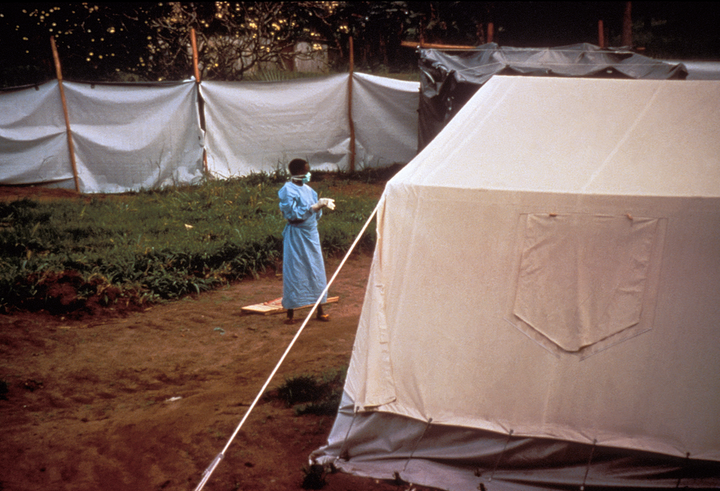
The UN says the DR Congo has reported 1,000 Ebola cases, the most ever in the first month of any Ebola outbreak in Africa. Meanwhile, Kenya's health minister says he is halting a US-backed Ebola quarantine center.
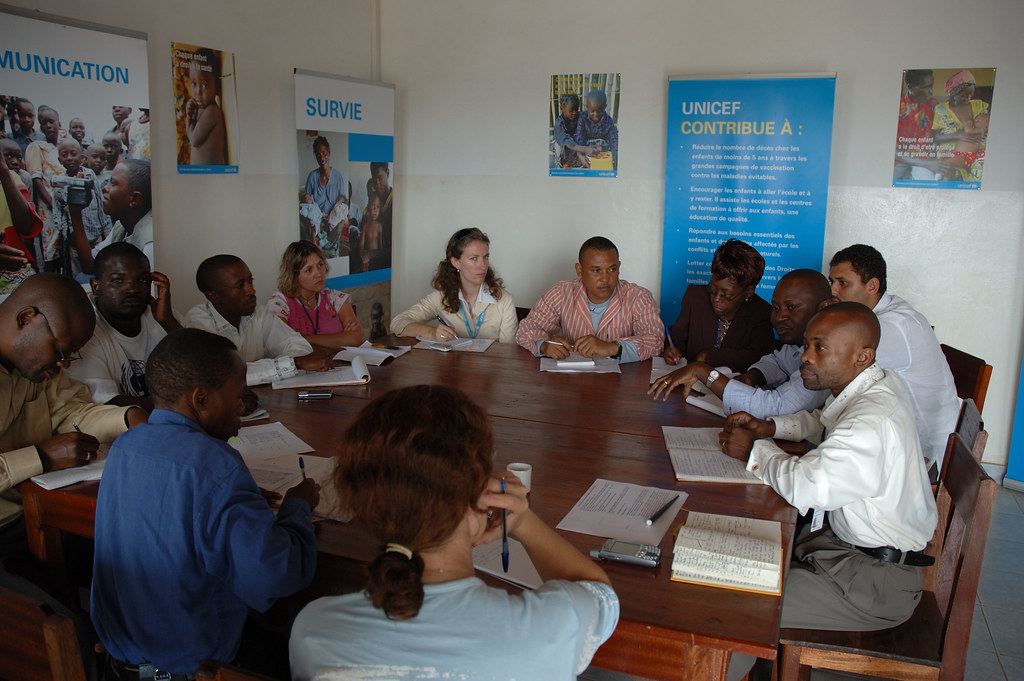
The DRC Ebola outbreak's record first-month caseload, 1,000 cases, exposes how conflict and epidemic disease remain structurally co-located in the east, where health infrastructure collapses under armed group pressure and contact tracing becomes functionally impossible. Kenya's simultaneous move to halt a US-backed quarantine centre signals a broader post-COVID reassertion of African sovereignty over health architecture that has typically been built and managed by external donors.
The DRC's Ebola crisis has reached a grim statistical milestone: 1,000 cases within the first month of the current outbreak, more than any Ebola surge in Africa's history at this stage. That number isn't just an epidemiological record; it reflects a cascade of structural failures that have compounded over years of conflict and health system underfunding in eastern Congo. Endemic insecurity has made contact tracing nearly impossible in North Kivu and South Kivu, where armed groups control movement and healthcare workers face constant threat.
What makes the Kenya dimension particularly revealing is the geopolitics of outbreak response. Nairobi's health minister has announced a halt to a US-backed Ebola quarantine centre, a move that signals the growing tension between African governments and the Western donor architecture that has long funded the continent's emergency health infrastructure. Whether principled sovereignty or political positioning, this rejection of external capacity invites a harder question: who builds what when the next outbreak arrives?
The Bundibugyo strain now circulating adds another layer of complexity. Unlike the more familiar Zaire Ebola virus, for which approved vaccines exist, the Bundibugyo strain remains without a licensed vaccine, hence UNICEF and Gavi's emergency call to manufacturers for Expressions of Interest. The absence of platform diversification in Africa's vaccine ecosystem means that two outbreaks can unfold simultaneously, one containable and one not, by the arbitrary accident of which strain shows up.
The larger stakes are continental. Seventeen of Africa's 54 countries share land borders with DRC, and the Ebola crisis exposes how deeply the security-health nexus remains underbuilt. As long as conflict and epidemic disease co-inhabit the same geography, the math of outbreak control will remain against the continent.
READ THE SOURCE REPORT FROM DW →Enjoying Strata-AF™?
Sign in or sign up for a personalised feed and unlock Strata-AF™ Originals.