The technology is commercially viable. The financing model for the last kilometre was never built.
At a time when energy security and affordability have risen to the top of the development agenda, 655 million people globally still lack access to electricity, and two billion use polluting fuels and technologies for cooking putting their health and well-being at risk.
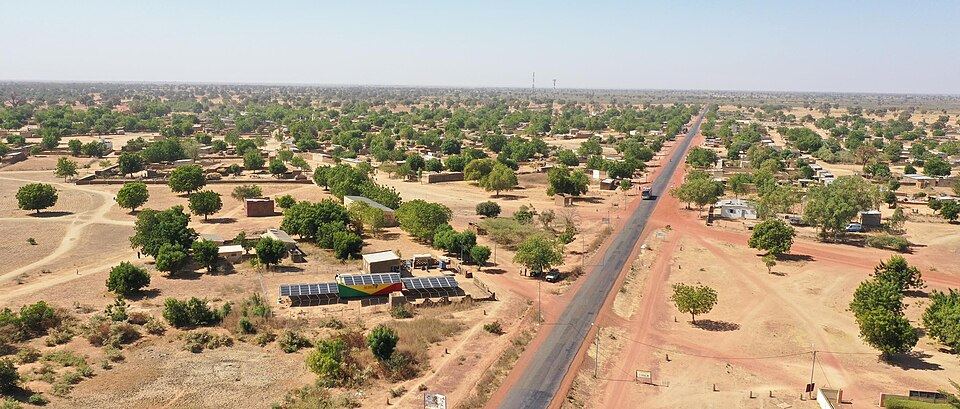
The figure of 655 million people without electricity sits alongside 2 billion using polluting cooking fuels, both pointing to the same infrastructure financing failure: technologies exist at commercially viable scale, but the capital deployment model for reaching the last kilometre has not been built. Population growth in the most underserved regions is currently outpacing connection rates, keeping the raw count stubbornly high even as percentage-without-access slowly improves.
The figure that should command the most attention in the latest energy access data isn't 655 million. It's the geographical concentration behind it. Sub-Saharan Africa holds the majority of the global population still living without electricity, and the story of why that number has barely moved despite a decade of pledges is fundamentally a story about infrastructure financing, not technology. Solar, wind, and off-grid systems have reached commercial viability at scale. What hasn't scaled is the capital deployment model that would carry those systems to the last kilometre.
The health dimension of energy poverty is systematically underestimated in the development conversation. Two billion people globally, a number proportionally concentrated in rural Africa, cook with biomass, coal, or kerosene. The resulting indoor air pollution is responsible for an estimated 4 million premature deaths annually, a burden that falls disproportionately on women and children who spend the most time in cooking spaces. That's a structural violence woven into the domestic economy, not a headline event.
Progress has been made, Sub-Saharan Africa has seen meaningful rural electrification gains in Ethiopia, Rwanda, and Kenya, driven by both public investment and off-grid solar markets. But the data persistently shows that population growth in the most underserved regions continues to outpace the rate of connection, keeping the raw numbers approximately static even as the percentage without access slowly improves. The absolute count of the unelectrified remains stubbornly high because the baseline keeps moving.
What the WHO report crystallises is that energy access is not simply an infrastructure question. It's a health system question, a gender equity question, and an economic productivity question simultaneously. Any development framework that disaggregates these threads will keep missing the compounded returns of solving them together.
READ THE SOURCE REPORT FROM ALLAFRICA →Enjoying Strata-AF™?
Sign in or sign up for a personalised feed and unlock Strata-AF™ Originals.