UNICEF and Gavi are calling on vaccine manufacturers to accelerate access to a Bundibugyo Ebola virus vaccine as the outbreak continues to spread.
In a move designed to accelerate access to a vaccine against Bundibugyo Ebolavirus disease, UNICEF and Gavi, the Vaccine Alliance today announced the launch of a Request for Expression of Interest (EOI) to gather information from vaccine developers and manufacturers.
UNICEF and Gavi's Expression of Interest process for Bundibugyo vaccines exposes the commercial logic gap at the heart of global health equity, rare African pathogens don't generate sufficient market signal for manufacturers to invest without explicit multilateral commitment. The current DRC outbreak, already at record first-month case levels, provides the emergency context that historically accelerates timelines, but the underlying incentive structure remains crisis-driven rather than anticipatory.
The announcement by UNICEF and Gavi of an Expression of Interest process targeting the Bundibugyo Ebolavirus reveals the architectural gap at the heart of global health equity: the tools that exist are built for the strains that have already killed enough people to attract commercial investment. Bundibugyo, which first emerged in Uganda in 2007 and accounts for a fraction of historic Ebola fatalities compared to Zaire, has therefore remained a scientific priority without becoming a commercial one.
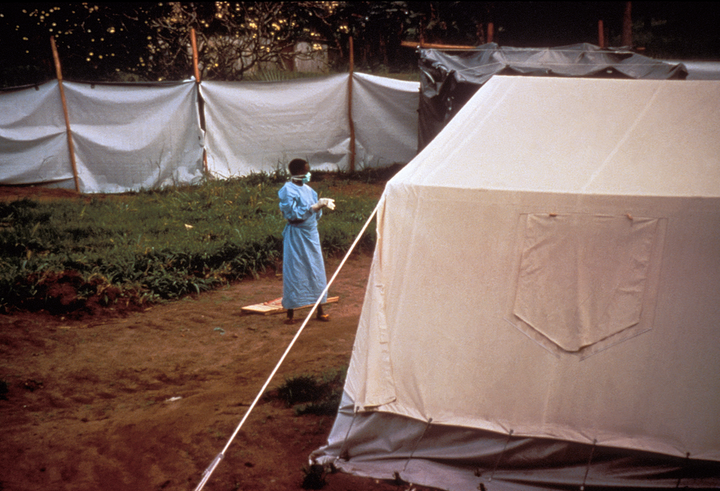
That gap now has urgent practical consequences. With the Bundibugyo strain driving the current DRC outbreak, which has already set a first-month case record, the absence of a licensed vaccine leaves health authorities reliant on the same prevention toolkit used decades ago: isolation, contact tracing, PPE, and community education. These are not ineffective, but they require stable conditions that eastern DRC's armed-conflict landscape actively undermines.
Gavi's decision to move toward a call for manufacturers represents a shift in how the global health architecture is trying to think ahead rather than react. But the deeper structural issue is incentive alignment: vaccine manufacturers require projected demand and purchase commitments before investing in development. For a rare, geographically concentrated pathogen like Bundibugyo, those demand signals are inherently weak without explicit political commitment from African governments and multilateral donors. The EOI process is a step toward manufacturing that commitment from the supply side.
How quickly manufacturers respond, and how the funding terms are structured, will reveal whether the lessons of COVID-era vaccine inequity have genuinely reshaped the priorities of the multilateral health architecture, or whether proximity to commercial interest still determines which African diseases get solved.
READ THE SOURCE REPORT FROM ALLAFRICA →Enjoying Strata-AF™?
Sign in or sign up for a personalised feed and unlock Strata-AF™ Originals.