--:--LAGOS
CultureMusicFilmTechSportsPoliticsHealthFinanceReligionFashion
culture
Voting suspended in parts of Ethiopia over security concerns

Prime Minister Abiy Ahmed's party is expected to dominate the election as conflicts overshadow the vote.

Ethiopia4 MIN
From the web · BBC
Voting suspended in parts of Ethiopia over security concerns
IMAGE · IntoAction · GIPHY
STRATA-AF™ ANGLEEDITORIAL SYNTHESIS BY STRATA-AF™

Ethiopia's suspended voting reflects a troubling pattern across the continent where democratic processes are increasingly undermined by security crises and conflict. This signals a deeper challenge for African governance, where electoral legitimacy becomes secondary to maintaining power amid instability.

Ethiopia's Electoral Crossroads: A Mirror for African Democracy

The suspension of voting in several Ethiopian constituencies due to security concerns represents more than a localized democratic setback. It reflects the broader challenges facing electoral processes across the African continent. Prime Minister Abiy Ahmed's expected dominance in these elections occurs against a backdrop of internal conflicts that have become all too familiar in African political landscapes, where the promise of democratic transition often collides with the reality of ethnic tensions, regional grievances, and institutional fragility.

Ethiopia's current predicament resonates deeply with experiences across the continent, from Mali's interrupted democratic processes to Nigeria's perennial security challenges during elections. The suspension of voting in conflict-affected areas raises fundamental questions about the legitimacy of electoral outcomes when significant portions of the population cannot participate. This pattern, where elections proceed despite excluding substantial constituencies due to violence or instability, has become a concerning norm rather than an exception in African democracy.

The irony is particularly sharp given Abiy Ahmed's initial promise as a reformist leader who brought hope not just to Ethiopia but to the entire Horn of Africa region. His Nobel Peace Prize recognition seemed to herald a new chapter for Ethiopian democracy and regional stability. However, the current electoral environment, overshadowed by the Tigray conflict and other regional tensions, demonstrates how quickly democratic gains can erode when ethnic federalism intersects with political competition and historical grievances.

From a Pan-African perspective, Ethiopia's struggles illuminate the persistent challenge of building inclusive democratic institutions that can accommodate the continent's rich diversity while maintaining national unity. The suspension of voting in certain areas effectively disenfranchises communities at a moment when their voices are most needed, a phenomenon that undermines the very foundation of democratic legitimacy. This selective exclusion from electoral participation echoes similar patterns across Africa, where marginalized communities often find themselves shut out of democratic processes precisely when they most need representation.

The international community's response to these developments will be closely watched across Africa, as it sets precedents for how electoral irregularities and democratic backsliding are addressed on the continent. Ethiopia's historical significance as the seat of the African Union and as one of the few African nations never to be fully colonized gives its democratic trajectory particular symbolic weight. The country's ability to navigate its current crisis while maintaining democratic norms will either inspire or discourage similar efforts across the continent.

The broader implications extend beyond Ethiopia's borders to questions of regional stability in the Horn of Africa and the continent's democratic trajectory. As African nations grapple with their own ethnic divisions, security challenges, and democratic aspirations, Ethiopia's experience serves as both a cautionary tale and a test case for whether African democracies can evolve to become more inclusive and resilient in the face of internal conflicts and political polarization.

READ THE SOURCE REPORT FROM BBC

Enjoying Strata-AF™?

Sign in or sign up for a personalised feed and unlock Strata-AF™ Originals.

SIGN IN / SIGN UP
READ NEXT
Security Crisis Deepens as Kidnappers Make Fresh Demands for Retired General's Release
CULTUREYNaija
Security Crisis Deepens as Kidnappers Make Fresh Demands for Retired General's Release
3 MINREAD →
Nine Killed in Fresh Drone Strike On South Darfur, 'Sniper Deployment' Amid Rising Intertribal Kassala Tensions
CULTUREAllAfrica
Nine Killed in Fresh Drone Strike On South Darfur, 'Sniper Deployment' Amid Rising Intertribal Kassala Tensions
Sudan3 MINREAD →
--:--LAGOS
STRATA-AF™
ISSUE 001FEED◎ SEARCHSUBSCRIBE
/shows/data/docs
culture
Voting suspended in parts of Ethiopia over security concerns
IMAGE · IntoAction · GIPHY
Voting suspended in parts of Ethiopia over security concerns

Prime Minister Abiy Ahmed's party is expected to dominate the election as conflicts overshadow the vote.

Ethiopia4 MIN READ
From the web · BBC
STRATA-AF™ ANGLEEDITORIAL SYNTHESIS BY STRATA-AF™

Ethiopia's suspended voting reflects a troubling pattern across the continent where democratic processes are increasingly undermined by security crises and conflict. This signals a deeper challenge for African governance, where electoral legitimacy becomes secondary to maintaining power amid instability.

Ethiopia's Electoral Crossroads: A Mirror for African Democracy

The suspension of voting in several Ethiopian constituencies due to security concerns represents more than a localized democratic setback. It reflects the broader challenges facing electoral processes across the African continent. Prime Minister Abiy Ahmed's expected dominance in these elections occurs against a backdrop of internal conflicts that have become all too familiar in African political landscapes, where the promise of democratic transition often collides with the reality of ethnic tensions, regional grievances, and institutional fragility.

Ethiopia's current predicament resonates deeply with experiences across the continent, from Mali's interrupted democratic processes to Nigeria's perennial security challenges during elections. The suspension of voting in conflict-affected areas raises fundamental questions about the legitimacy of electoral outcomes when significant portions of the population cannot participate. This pattern, where elections proceed despite excluding substantial constituencies due to violence or instability, has become a concerning norm rather than an exception in African democracy.

The irony is particularly sharp given Abiy Ahmed's initial promise as a reformist leader who brought hope not just to Ethiopia but to the entire Horn of Africa region. His Nobel Peace Prize recognition seemed to herald a new chapter for Ethiopian democracy and regional stability. However, the current electoral environment, overshadowed by the Tigray conflict and other regional tensions, demonstrates how quickly democratic gains can erode when ethnic federalism intersects with political competition and historical grievances.

From a Pan-African perspective, Ethiopia's struggles illuminate the persistent challenge of building inclusive democratic institutions that can accommodate the continent's rich diversity while maintaining national unity. The suspension of voting in certain areas effectively disenfranchises communities at a moment when their voices are most needed, a phenomenon that undermines the very foundation of democratic legitimacy. This selective exclusion from electoral participation echoes similar patterns across Africa, where marginalized communities often find themselves shut out of democratic processes precisely when they most need representation.

The international community's response to these developments will be closely watched across Africa, as it sets precedents for how electoral irregularities and democratic backsliding are addressed on the continent. Ethiopia's historical significance as the seat of the African Union and as one of the few African nations never to be fully colonized gives its democratic trajectory particular symbolic weight. The country's ability to navigate its current crisis while maintaining democratic norms will either inspire or discourage similar efforts across the continent.

The broader implications extend beyond Ethiopia's borders to questions of regional stability in the Horn of Africa and the continent's democratic trajectory. As African nations grapple with their own ethnic divisions, security challenges, and democratic aspirations, Ethiopia's experience serves as both a cautionary tale and a test case for whether African democracies can evolve to become more inclusive and resilient in the face of internal conflicts and political polarization.

READ THE SOURCE REPORT FROM BBC

Enjoying Strata-AF™?

Sign in or sign up for a personalised feed and unlock Strata-AF™ Originals.

SIGN IN / SIGN UP
VERTICAL
culture
ORIGIN
Ethiopia
READ NEXT2 PIECES SELECTED BY OUR EDITORS
CULTURE
Security Crisis Deepens as Kidnappers Make Fresh Demands for Retired General's Release
Kidnappers holding retired Major General Maharazu Tsiga have issued new demands in a fresh video, seeking the release of their detained members and livestock as conditions for the general's freedom.
3 MINREAD →
CULTURE
Nine Killed in Fresh Drone Strike On South Darfur, 'Sniper Deployment' Amid Rising Intertribal Kassala Tensions
At least nine civilians were killed in a drone attack on Kubum town in South Darfur, marking the second deadly strike in four days as tribal tensions escalate across the region.
Sudan3 MINREAD →
CULTURE · MUSIC · FILM · TECH · SPORT · POLITICS · HEALTH · FINANCE · RELIGION · FASHION · LAGOS · NAIROBI · JOBURG · ACCRA · DATA JOURNALISM · ORIGINAL REPORTING · THE ACTUAL VERSION ·CULTURE · MUSIC · FILM · TECH · SPORT · POLITICS · HEALTH · FINANCE · RELIGION · FASHION · LAGOS · NAIROBI · JOBURG · ACCRA · DATA JOURNALISM · ORIGINAL REPORTING · THE ACTUAL VERSION ·
Premium editorial for a continent that's done waiting to be covered.

Not the export-market version. Not the diaspora version. The actual version — written by the people who live there.

Verticals
CultureMusicFilmTechSportsPolitics
HUBS
Strata-AF OriginalsDataDocsNewsletterArchiveShows
Company
AboutMissionManifestoLegal
REACH
10VERTICALS
6CONTENT TYPES
5CITIES
1STANDARD
© 2026 STRATA-AF™ · STRATA PUBLISHING CO LTD · LAGOS · JOBURG · NAIROBI · ACCRAPRIVACYTERMSCORRECTIONSMASTHEAD
 
 
--:--LAGOS
CultureMusicFilmTechSportsPoliticsHealthFinanceReligionFashion
Highlights
Strata-AF
Editor's Pick
From the web
SPORTSSTRATA-AF™STRATA-AF™ ORIGINAL
WAFCON 2026 Proved African Women's Football Is Ready. The Clubs Aren't.
2 MINREAD →
POLITICSSTRATA-AF™★ EDITOR'S PICK
The Lagos Cancellation Is Not About Tyla Really, Or Is It ?
Pan-African2 MINREAD →
MUSICSTRATA-AF™★ EDITOR'S PICK
Blood, Beats & Betrayal: How Family Killed P-Square
Nigeria2 MINREAD →
MUSICBY THE NUMBERSSTRATA-AF™ ORIGINAL
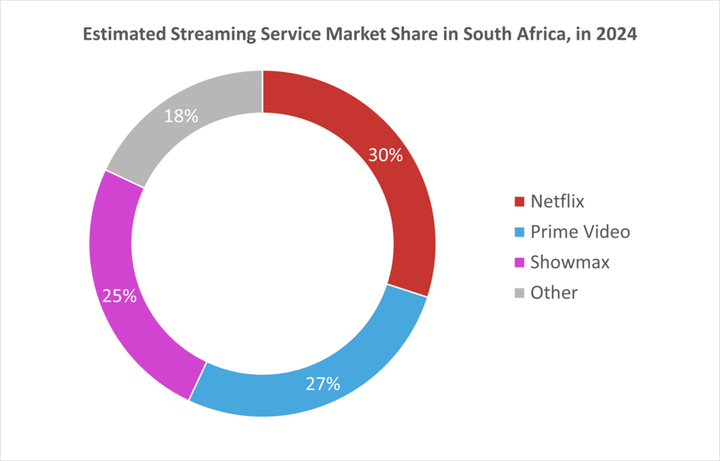
Where African Artists Earn, Lose, and Get Erased on Stream
Pan-African2 MINREAD →
HEALTHSTRATA-AF™★ EDITOR'S PICK
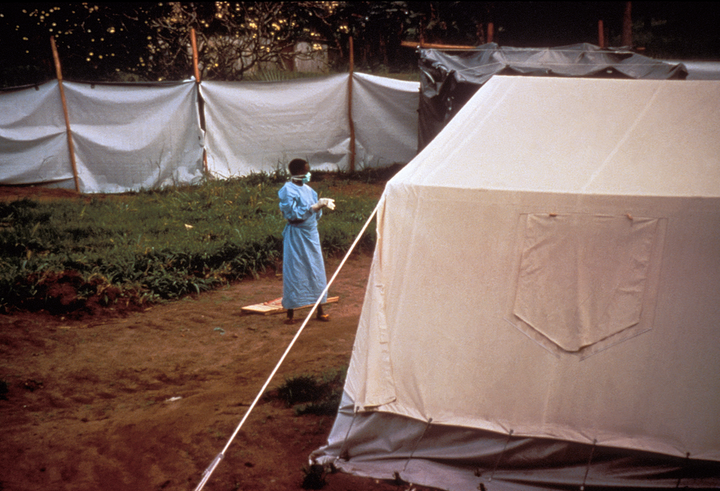
Uganda Held the Line on Ebola. Here's the Playbook Congo Needs Now
DR Congo2 MINREAD →
MUSICSTRATA-AF™STRATA-AF™ ORIGINAL
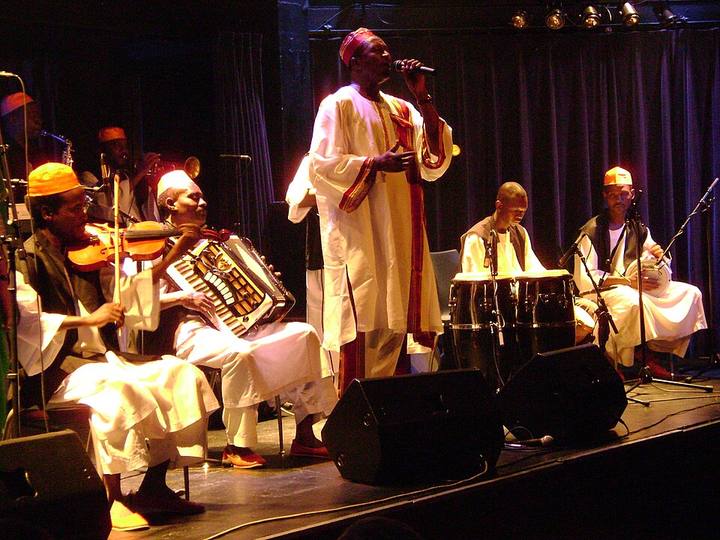
Music Is Starving in Sudan: How the RSF Silenced a Generation of Artists
Sudan2 MINREAD →
CULTURESTRATA-AF™★ EDITOR'S PICK
How BBNaija Rewired Nigerian Television And Everything Around It
Lagos, Pan-African2 MINREAD →
FASHIONSTRATA-AF™★ EDITOR'S PICK
Lagos Fashion Week's Green Push Is Either Africa's Best Bet or Its Greenest Greenwash
Pan-African2 MINREAD →
CULTURESTRATA-AF™★ EDITOR'S PICK
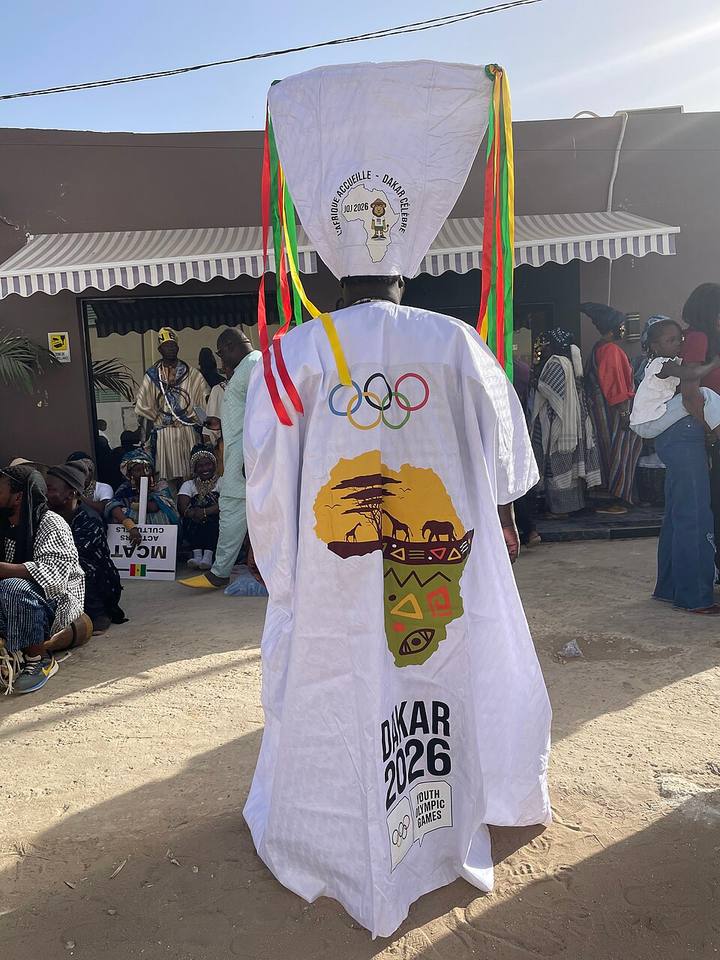
Dakar 2026 Is Africa's Olympic Moment
Senegal2 MINREAD →
SPORTSFROM THE WEB★ EDITOR'S PICK
Senegal set to make Olympic history with Dakar 2026 Youth Games
Dakar 2026 breaks a hosting monopoly that has excluded Africa from Olympic stewardship for over a century — the question is what institutional and economic legacy Senegal can extract from the moment.
Senegal1 MIN · Africanews · 25 JULREAD →
See all stories

The actual version — written by the people who live there.

10VERTICALS
6TYPES
5CITIES
1STANDARD
AboutMissionManifestoLegalOriginalsSubscribeArchiveShowsContributorsJobs
© 2026 STRATA-AF™ · STRATA PUBLISHING CO LTD · LAGOS · NAIROBI · JOBURG · ACCRA
 
 
--:--LAGOS
CultureMusicFilmTechSportsPoliticsHealthFinanceReligionFashion
culture
Voting suspended in parts of Ethiopia over security concerns

Prime Minister Abiy Ahmed's party is expected to dominate the election as conflicts overshadow the vote.

Ethiopia4 MIN
From the web · BBC
Voting suspended in parts of Ethiopia over security concerns
IMAGE · IntoAction · GIPHY
STRATA-AF™ ANGLEEDITORIAL SYNTHESIS BY STRATA-AF™

Ethiopia's suspended voting reflects a troubling pattern across the continent where democratic processes are increasingly undermined by security crises and conflict. This signals a deeper challenge for African governance, where electoral legitimacy becomes secondary to maintaining power amid instability.

Ethiopia's Electoral Crossroads: A Mirror for African Democracy

The suspension of voting in several Ethiopian constituencies due to security concerns represents more than a localized democratic setback. It reflects the broader challenges facing electoral processes across the African continent. Prime Minister Abiy Ahmed's expected dominance in these elections occurs against a backdrop of internal conflicts that have become all too familiar in African political landscapes, where the promise of democratic transition often collides with the reality of ethnic tensions, regional grievances, and institutional fragility.

Ethiopia's current predicament resonates deeply with experiences across the continent, from Mali's interrupted democratic processes to Nigeria's perennial security challenges during elections. The suspension of voting in conflict-affected areas raises fundamental questions about the legitimacy of electoral outcomes when significant portions of the population cannot participate. This pattern, where elections proceed despite excluding substantial constituencies due to violence or instability, has become a concerning norm rather than an exception in African democracy.

The irony is particularly sharp given Abiy Ahmed's initial promise as a reformist leader who brought hope not just to Ethiopia but to the entire Horn of Africa region. His Nobel Peace Prize recognition seemed to herald a new chapter for Ethiopian democracy and regional stability. However, the current electoral environment, overshadowed by the Tigray conflict and other regional tensions, demonstrates how quickly democratic gains can erode when ethnic federalism intersects with political competition and historical grievances.

From a Pan-African perspective, Ethiopia's struggles illuminate the persistent challenge of building inclusive democratic institutions that can accommodate the continent's rich diversity while maintaining national unity. The suspension of voting in certain areas effectively disenfranchises communities at a moment when their voices are most needed, a phenomenon that undermines the very foundation of democratic legitimacy. This selective exclusion from electoral participation echoes similar patterns across Africa, where marginalized communities often find themselves shut out of democratic processes precisely when they most need representation.

The international community's response to these developments will be closely watched across Africa, as it sets precedents for how electoral irregularities and democratic backsliding are addressed on the continent. Ethiopia's historical significance as the seat of the African Union and as one of the few African nations never to be fully colonized gives its democratic trajectory particular symbolic weight. The country's ability to navigate its current crisis while maintaining democratic norms will either inspire or discourage similar efforts across the continent.

The broader implications extend beyond Ethiopia's borders to questions of regional stability in the Horn of Africa and the continent's democratic trajectory. As African nations grapple with their own ethnic divisions, security challenges, and democratic aspirations, Ethiopia's experience serves as both a cautionary tale and a test case for whether African democracies can evolve to become more inclusive and resilient in the face of internal conflicts and political polarization.

READ THE SOURCE REPORT FROM BBC

Enjoying Strata-AF™?

Sign in or sign up for a personalised feed and unlock Strata-AF™ Originals.

SIGN IN / SIGN UP
READ NEXT
--:--LAGOS
/shows/data/docs
culture
Voting suspended in parts of Ethiopia over security concerns
IMAGE · IntoAction · GIPHY
Voting suspended in parts of Ethiopia over security concerns

Prime Minister Abiy Ahmed's party is expected to dominate the election as conflicts overshadow the vote.

Ethiopia4 MIN READ
From the web · BBC
STRATA-AF™ ANGLEEDITORIAL SYNTHESIS BY STRATA-AF™

Ethiopia's suspended voting reflects a troubling pattern across the continent where democratic processes are increasingly undermined by security crises and conflict. This signals a deeper challenge for African governance, where electoral legitimacy becomes secondary to maintaining power amid instability.

Ethiopia's Electoral Crossroads: A Mirror for African Democracy

The suspension of voting in several Ethiopian constituencies due to security concerns represents more than a localized democratic setback. It reflects the broader challenges facing electoral processes across the African continent. Prime Minister Abiy Ahmed's expected dominance in these elections occurs against a backdrop of internal conflicts that have become all too familiar in African political landscapes, where the promise of democratic transition often collides with the reality of ethnic tensions, regional grievances, and institutional fragility.

Ethiopia's current predicament resonates deeply with experiences across the continent, from Mali's interrupted democratic processes to Nigeria's perennial security challenges during elections. The suspension of voting in conflict-affected areas raises fundamental questions about the legitimacy of electoral outcomes when significant portions of the population cannot participate. This pattern, where elections proceed despite excluding substantial constituencies due to violence or instability, has become a concerning norm rather than an exception in African democracy.

The irony is particularly sharp given Abiy Ahmed's initial promise as a reformist leader who brought hope not just to Ethiopia but to the entire Horn of Africa region. His Nobel Peace Prize recognition seemed to herald a new chapter for Ethiopian democracy and regional stability. However, the current electoral environment, overshadowed by the Tigray conflict and other regional tensions, demonstrates how quickly democratic gains can erode when ethnic federalism intersects with political competition and historical grievances.

From a Pan-African perspective, Ethiopia's struggles illuminate the persistent challenge of building inclusive democratic institutions that can accommodate the continent's rich diversity while maintaining national unity. The suspension of voting in certain areas effectively disenfranchises communities at a moment when their voices are most needed, a phenomenon that undermines the very foundation of democratic legitimacy. This selective exclusion from electoral participation echoes similar patterns across Africa, where marginalized communities often find themselves shut out of democratic processes precisely when they most need representation.

The international community's response to these developments will be closely watched across Africa, as it sets precedents for how electoral irregularities and democratic backsliding are addressed on the continent. Ethiopia's historical significance as the seat of the African Union and as one of the few African nations never to be fully colonized gives its democratic trajectory particular symbolic weight. The country's ability to navigate its current crisis while maintaining democratic norms will either inspire or discourage similar efforts across the continent.

The broader implications extend beyond Ethiopia's borders to questions of regional stability in the Horn of Africa and the continent's democratic trajectory. As African nations grapple with their own ethnic divisions, security challenges, and democratic aspirations, Ethiopia's experience serves as both a cautionary tale and a test case for whether African democracies can evolve to become more inclusive and resilient in the face of internal conflicts and political polarization.

READ THE SOURCE REPORT FROM BBC

Enjoying Strata-AF™?

Sign in or sign up for a personalised feed and unlock Strata-AF™ Originals.

SIGN IN / SIGN UP
VERTICAL
culture
ORIGIN
Ethiopia
READ NEXT2 PIECES SELECTED BY OUR EDITORS
CULTURE · MUSIC · FILM · TECH · SPORT · POLITICS · HEALTH · FINANCE · RELIGION · FASHION · LAGOS · NAIROBI · JOBURG · ACCRA · DATA JOURNALISM · ORIGINAL REPORTING · THE ACTUAL VERSION ·CULTURE · MUSIC · FILM · TECH · SPORT · POLITICS · HEALTH · FINANCE · RELIGION · FASHION · LAGOS · NAIROBI · JOBURG · ACCRA · DATA JOURNALISM · ORIGINAL REPORTING · THE ACTUAL VERSION ·
Premium editorial for a continent that's done waiting to be covered.

Not the export-market version. Not the diaspora version. The actual version — written by the people who live there.

Verticals
CultureMusicFilmTechSportsPolitics
HUBS
Strata-AF OriginalsDataDocsNewsletterArchiveShows
Company
AboutMissionManifestoLegal
REACH
10VERTICALS
6CONTENT TYPES
5CITIES
1STANDARD
© 2026 STRATA-AF™ · STRATA PUBLISHING CO LTD · LAGOS · JOBURG · NAIROBI · ACCRAPRIVACYTERMSCORRECTIONSMASTHEAD