Kidnappers holding retired Major General Maharazu Tsiga have issued new demands in a fresh video, seeking the release of their detained members and livestock as conditions for the general's freedom.
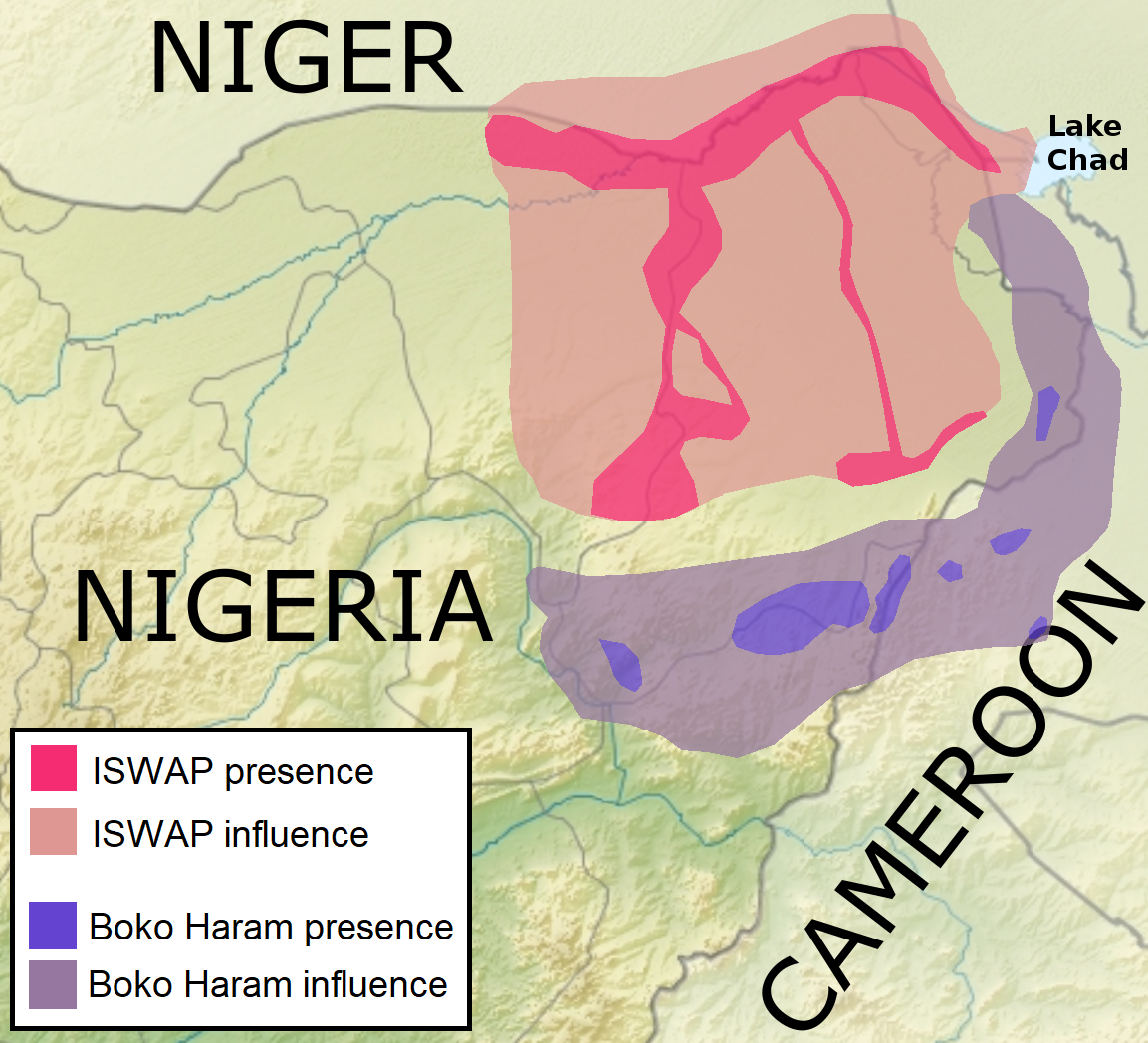
The escalation in demands from kidnappers holding a retired Nigerian general reflects the growing boldness of criminal networks across the Sahel, where security forces are increasingly overstretched. This incident underscores how insecurity is becoming a bargaining tool for criminal groups to negotiate the release of their members, potentially setting dangerous precedents for future kidnapping cases across West Africa.
The emergence of fresh demands from the kidnappers of retired Major General Maharazu Tsiga represents a troubling escalation in Nigeria's ongoing security crisis. The sophistication of these demands, particularly the stipulation for the release of their detained members, suggests an organized criminal network rather than opportunistic bandits. This calculated approach to negotiation indicates that kidnapping has evolved into a systematic tool of leverage against the Nigerian state, with implications that extend far beyond individual cases.
The specific demand for livestock release alongside human captives reveals the complex intersection between traditional pastoral conflicts and modern criminal enterprise across the Sahel region. Cattle rustling and farmer-herder conflicts have long plagued West Africa, but their weaponization as bargaining chips in kidnapping negotiations represents a dangerous fusion of grievances. This development underscores how unresolved land disputes and resource competition have created fertile ground for criminal exploitation across the region.
Nigeria's military and political establishment face a profound credibility challenge when even retired senior officers become targets of criminal groups. The targeting of Major General Tsiga sends a clear message about the erosion of state authority and the emboldening of non-state actors. This represents not merely a security failure but a symbolic assault on the institutions that are meant to guarantee citizen protection across the region.
The broader implications for West African stability cannot be ignored, as Nigeria's security challenges have consistently spilled across porous borders. The sophistication of these criminal networks, their ability to sustain prolonged operations, and their strategic use of media suggests coordination that transcends national boundaries. Regional bodies like ECOWAS must recognize that Nigeria's security crisis threatens the stability of the entire sub-region.
The international community's response to this escalating crisis will be closely watched across Africa, where similar patterns of state weakness and criminal exploitation are emerging. How Nigeria navigates this challenge, whether through negotiation, military action, or comprehensive reforms addressing root causes, will set important precedents for other African nations facing similar threats. The stakes extend beyond one general's freedom to encompass the very legitimacy of state authority across the continent.
READ THE SOURCE REPORT FROM YNAIJA →Enjoying Strata-AF™?
Sign in or sign up for a personalised feed and unlock Strata-AF™ Originals.